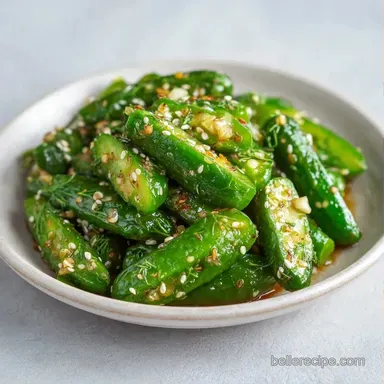
Hot Dill Pickles: Extra Crunchy and Bold
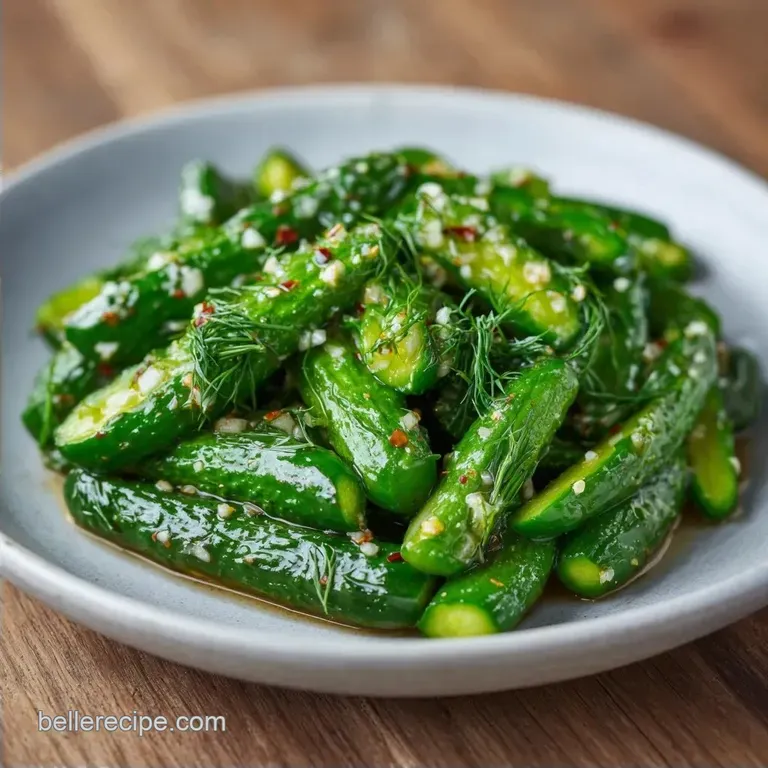
- Time: 15 min active + 48 hours chilling
- Flavor/Texture Hook: Sharp, spicy, and shatter crisp
- Perfect for: Burger nights, charcuterie boards, or a salty midnight snack
- The Secret to Hot Dill Pickles
- Why These Hit Different
- The Essential Ingredients
- Gear for the Job
- Putting the Jars Together
- Fixing Your Pickle Fails
- Troubleshooting Common Issues
- Flavor Swaps and Twists
- Scaling the Batch
- Keeping Your Jars Fresh
- Ways to Serve These
- Critical Sodium Level
- Recipe FAQs
- 📝 Recipe Card
The Secret to Hot Dill Pickles
That first scent hits you the second you pop the lid: a sharp, stinging punch of white vinegar mixed with the earthy, warm aroma of smashed garlic. It's the kind of smell that clears your sinuses and makes your mouth water instantly. I remember the first time I tried making these for a summer block party.
I'd always bought the store-bought spicy ones, but they were either too sweet or had that weird, soft texture that feels like eating a wet sponge.
I wanted something that actually fought back. I spent a few weekends experimenting with different pepper ratios, realizing that if you don't pack the jars tightly, the cucumbers just float around and get unevenly flavored. The magic happens in the wait.
Watching those bright green spears turn a muted, olive gold over two days is half the fun.
When you finally take that first bite, you get the initial snap of the cucumber, followed by the creeping heat of the jalapeños and the bright, herbaceous hit of fresh dill. These Hot Dill Pickles aren't just a side dish; they're the thing people keep reaching for until the jar is scraped clean.
Why These Hit Different
I used to think pickling was just about throwing things in vinegar, but there's a bit of a rhythm to it. If you want that "shatter" when you bite into them, you have to handle the temperature and the salt just right.
The Salt Pull: Salt draws water out of the cucumber cells, which makes room for the brine to seep in without making the vegetable collapse.
Temperature Shock: Pouring the brine while it's hot helps the flavors penetrate the skin quickly, but the subsequent 48 hour chill is where the texture firms up.
Heat Distribution: Using both sliced jalapeños and red pepper flakes ensures the heat is both "bright" and "deep," rather than just a one dimensional burn. For those who love a more traditional approach, you can always reference a homemade garlic pickle brine to see how different ratios change the vibe.
| Feature | Fresh Sliced Method | Shortcut store-bought |
|---|---|---|
| Texture | Crisp, snappy "shatter" | Often soft or rubbery |
| Flavor | Bright, pungent garlic | Muted, vinegary taste |
| Control | You decide the heat level | Fixed sugar/salt levels |
The Essential Ingredients
I'm a bit picky about the cucumbers. You really want something with a thick skin and small seeds. If you use a standard slicing cucumber from the grocery store, they're too watery and will likely turn into mush.
The Produce
- 2 lbs Kirby or Persian cucumbers, sliced into spearsWhy this? Thick walls keep them crunchy
- 4 large jalapeños, sliced into roundsWhy this? Provides the primary heat source
- 8 cloves garlic, smashedWhy this? Smashed releases more oils than sliced
- 1 bunch fresh dill, divided into sprigsWhy this? Fresh is far more aromatic than dried
The Brine & Spice
- 2 cups distilled white vinegarWhy this? Sharp acidity for preservation
- 1 cup filtered waterWhy this? Prevents chlorine taste from tap water
- 2 tbsp pickling saltWhy this? No additives that cloud the brine
- 1 tbsp granulated sugarWhy this? Balances the sharp acid
- 1 tsp red pepper flakesWhy this? Adds a background warmth
- 1 tsp black peppercornsWhy this? Adds woody, spicy notes
- 1 tsp mustard seedsWhy this? Adds a tangy, pungent pop
- 1 tsp coriander seedsWhy this? Adds a slight citrusy finish
| Ingredient | Science Role | Pro Secret |
|---|---|---|
| Pickling Salt | Moisture Extraction | Use coarse salt to avoid over salting |
| White Vinegar | pH Lowering | Distilled is best for clear brine |
| Fresh Dill | Flavor Profile | Tuck sprigs at the bottom and top |
| Jalapeños | Capsaicin Source | Leave seeds in for extra heat |
Gear for the Job
You don't need a professional lab, but a few specific tools make this way easier. First, grab four pint sized wide mouth mason jars. The wide mouth is important because trying to jam cucumber spears into a narrow neck is a recipe for frustration and broken pickles.
I also recommend a small stainless steel saucepan. Avoid aluminum if you can, as the vinegar can actually react with the metal and give your brine a weird, metallic tang. A simple slotted spoon helps if you need to reposition a floating cucumber, though I usually just tap the jar.
Finally, a sharp chef's knife is a must. You want clean cuts on those cucumbers. Ragged edges from a dull knife can lead to softer spots where the brine penetrates too quickly, which is exactly how you get those annoying mushy bits.
Putting the Jars Together
Right then, let's get into it. This is all about the layering. If you just dump everything in, you'll end up with all the garlic at the bottom and none of the heat at the top.
- Wash the cucumbers thoroughly and slice them into spears or thick rounds.
- Pack the bottom of each of the 4 wide mouth pint mason jars with a few smashed garlic cloves, a few slices of jalapeño, and a sprig of fresh dill.
- Layer the cucumber spears tightly on top of the aromatics, leaving about 1/2 inch of headspace at the rim. Note: Pack them tight so they don't float
- In a small saucepan, combine the white vinegar, water, pickling salt, sugar, and red pepper flakes.
- Bring the brine to a light simmer over medium heat, stirring just until the salt and sugar dissolve, then remove from heat immediately. Wait for the steam to smell sharp and vinegary.
- Distribute the black peppercorns, mustard seeds, and coriander seeds evenly among the jars.
- Carefully pour the hot brine over the cucumbers until they are completely submerged.
- Tap the jars gently on the counter to release trapped air bubbles, seal with lids, and let cool to room temperature on the counter for 1 hour.
- Transfer the jars to the refrigerator and chill for 48 hours for peak flavor infusion.
Chef's Note: If you're in a rush, you can eat them after 24 hours, but the heat from the jalapeños really needs those 48 hours to soak into the core of the cucumber.
Fixing Your Pickle Fails
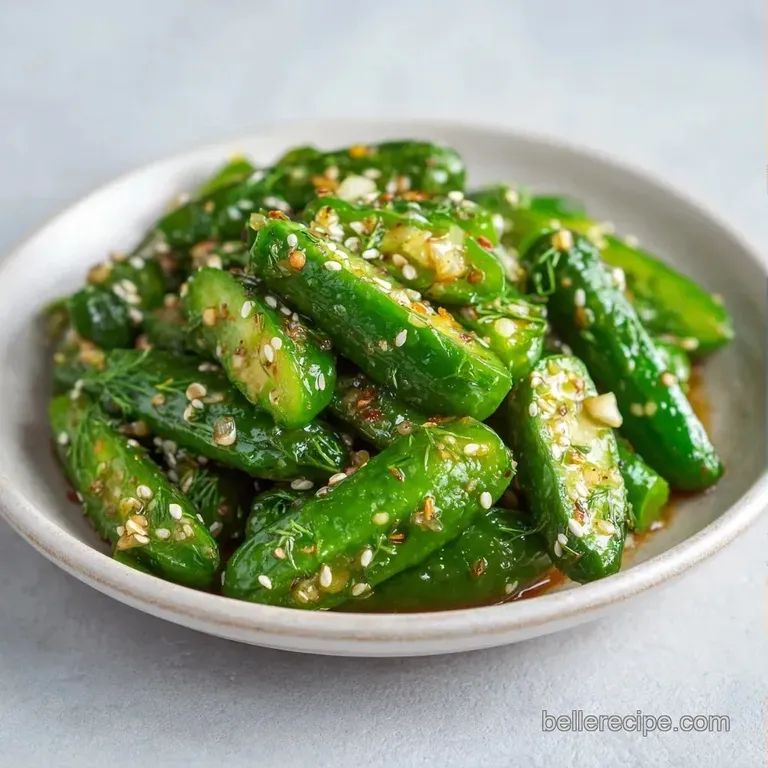
The most common complaint I hear is about texture. Nobody wants a soft pickle. Usually, this happens because the cucumbers weren't packed tightly enough or the brine was too hot for too long. If your pickles are floating, they aren't absorbing the brine evenly.
Troubleshooting Common Issues
| Issue | Solution |
|---|---|
| Why Your Pickles Are Mushy | This usually happens if you use slicing cucumbers or if you didn't let them cool properly before refrigerating. |
| Why Your Brine Is Cloudy | Cloudiness is often caused by using table salt with anti caking agents or using unfiltered tap water. It doesn't affect the taste, but it doesn't look as pretty in the jar. |
| Why They Taste Too Salty | If you accidentally over salted, the pickles will be shriveled. You can fix this by pouring out half the brine and replacing it with filtered water, then letting them sit for another day. |
Common Mistakes Checklist
- ✓ Did you use pickling salt instead of table salt?
- ✓ Are the cucumbers completely submerged?
- ✓ Did you smash the garlic rather than mincing it?
- ✓ Did you let them cool for 1 hour before the fridge?
- ✓ Did you use fresh dill instead of the dried stuff?
Flavor Swaps and Twists
If you want to change the vibe, you can easily tweak the aromatics. For a sweeter version, you can double the sugar and add a few peppercorns. If you want something that's more of a slow burn, replace the jalapeños with sliced habaneros, but be warned, it'll be intense.
For those who prefer a milder, more traditional profile, my Classic Garlic Dill Spears recipe is a great baseline. You can actually use this spicy method but leave out the red pepper flakes if you just want the jalapeño heat.
If you want X, do Y:
- For a "Zesty" kick: Add a strip of lemon peel to each jar.
- For an "Earthier" taste: Add a teaspoon of celery seeds to the brine.
- For "Extra Heat": Keep the jalapeño seeds and add a pinch of cayenne.
Scaling the Batch
If you're making these for a huge party, doubling the recipe is simple, but don't just multiply everything blindly. I've found that when you double the volume, you can actually reduce the liquids by about 10% because there's less evaporation in a larger pot.
When scaling up to 8 or 12 jars, I suggest working in batches for the packing phase. It's easier to keep the aromatics consistent when you're not rushing to pour hot brine before it cools down. If you're scaling down to just one jar, use a small jam jar and cut the ingredients by four.
Just remember to beat one egg if any thickening agents were involved (not here, but a good rule for other recipes!).
| Scale | Adjustment | Note |
|---|---|---|
| Half Batch (2 jars) | Divide all by 2 | Use smaller saucepan |
| Double Batch (8 jars) | 1.5x spices, 2x liquids | Reduce liquids by 10% |
| Quad Batch (16 jars) | 1.5x spices, 4x liquids | Work in 2 batches to keep brine hot |
Keeping Your Jars Fresh
Since these are Hot Refrigerator Dill Pickles, they aren't canned for the shelf. They must stay in the fridge. I usually get about 3 months out of them before the texture starts to dip, though they'll usually be eaten long before then.
To keep them fresh, always use a clean fork to pull a pickle out. Introducing bacteria from your fingers can make the brine cloudy and shorten the shelf life. If you see any mold on the surface, toss the batch.
Zero Waste Tip: Don't you dare throw away that leftover brine! It's liquid gold. Use it as a marinade for grilled chicken, or add a splash to a Bloody Mary for a spicy, salty kick. You can even use it to quick pickle some red onions for tacos.
Ways to Serve These
These Hot Dill Pickles are the ultimate companion for anything rich or fatty. The acidity cuts right through the grease of a burger or a piece of fried chicken. I love serving them alongside a creamy sauce. If you're doing a burger night, a side of Big Mac Sauce makes the whole meal feel like a treat.
For a more sophisticated snack, put them on a charcuterie board with a sharp cheddar, some smoked gouda, and a handful of almonds. The contrast between the spicy pickle and the creamy cheese is brilliant. You can also chop them up and fold them into a potato salad for an unexpected pop of heat and crunch.
Another great way to enjoy them is as a palate cleanser between spicy appetizers. The vinegar resets your taste buds, making the next bite just as impactful as the first. Just keep the jar on the table and let everyone help themselves. It's the most comforting way to share a meal together.
Critical Sodium Level
2358 mg 2,358 mg of sodium per serving (103% 103% of daily value)
The American Heart Association recommends a daily sodium limit of no more than 2,300 mg, with an ideal limit of 1,500 mg for most adults to reduce cardiovascular risk.
Tips to Reduce Sodium
-
Reduce Pickling Salt-25%
Cut the pickling salt by 25% to 50%. While salt is used for preservation, reducing the amount significantly lowers the overall sodium load per serving.
-
Increase Acidity-10%
Increase the distilled white vinegar or add fresh lemon juice to compensate for the reduced salt, maintaining the 'tangy' profile of the pickles.
-
Boost the Heat-10%
Add extra red pepper flakes or more sliced jalapeños to provide a stronger flavor punch that distracts the palate from lower salt levels.
-
Amplify Fresh Aromatics
Increase the quantity of fresh dill, smashed garlic, and coriander seeds to enhance the complexity and aroma of the brine without adding sodium.
Recipe FAQs
How to make homemade hot dill pickles?
Pack jars with garlic, jalapeño, and fresh dill before layering in cucumber spears. Pour over a simmered brine of white vinegar, filtered water, pickling salt, sugar, and red pepper flakes.
How to make quick refrigerator pickles?
Prepare the brine and pour it hot over the packed vegetables. Let the jars cool on the counter for one hour before chilling in the refrigerator for 48 hours to reach peak flavor.
Do homemade dill pickles in vinegar need to be refrigerated?
Yes, these must be kept chilled. Since they are not processed in a water bath canner, refrigeration is required to ensure safety and crispness.
Why are my pickles mushy?
You likely used slicing cucumbers instead of Kirby or Persian varieties. This texture issue can also happen if the jars were not cooled properly before being moved to the refrigerator.
How to make spicy pickles at home?
Incorporate sliced jalapeños and red pepper flakes into the brine. If you enjoyed balancing the heat here, the same acid-based technique is used to pickle banana peppers.
What causes the brine to look cloudy?
Using table salt with anti-caking agents or unfiltered tap water. This is purely a cosmetic issue and does not impact the taste or quality of the pickles.
How to fix pickles that taste too salty?
Pour out half of the brine and replace it with filtered water. This helps restore the flavor balance if the cucumbers have shriveled due to over-salting.
Hot Dill Pickles with Jalapeños