Hummus Recipe Without Tahini

- Time: Active 10 minutes, Passive 0 minutes, Total 10 minutes
- Flavor/Texture Hook: Silky, garlic forward, and remarkably light
- Perfect for: Last minute entertaining, low-fat snacking, or budget-friendly meal prep
- Silky Hummus Recipe Without Tahini Done Fast
- The Science Behind This Velvety Spread
- Comparing Fast And Classic Methods
- Aromatic Elements For Vibrant Flavors
- Essential Tools For Silky Results
- Step By Step Preparation Guide
- Solving Common Blending Texture Issues
- Creative Variations For Better Spreads
- Smart Storage And Waste Reduction
- Perfect Mediterranean Inspired Pairing Ideas
- Professional Solutions For Hummus Hurdles
- Recipe FAQs
- 📝 Recipe Card
Silky Hummus Recipe Without Tahini Done Fast
You know that sudden, desperate craving for a creamy dip when the pita is already toasted, but you realize the tahini jar in the back of the fridge is bone dry? It happens to the best of us. For the longest time, I thought tahini was the non negotiable soul of the dish. I was wrong.
By playing with the ratio of healthy fats and leveraging the natural starches in the chickpeas, you can create a spread that is just as lush and aromatic as anything you’d find in a high end Mediterranean bistro.
This specific hummus recipe without tahini isn't just a "backup plan" or a compromise. It is a lighter, brighter version of the classic that lets the earthy flavor of the chickpeas and the punch of fresh lemon juice really sing.
We're going for a texture that is impossibly smooth, almost like a whipped mousse, rather than a heavy paste. It’s the kind of dip that disappears in minutes at a party because it doesn't leave you feeling weighed down.
We have all been through those grainy, bland homemade attempts that taste more like cold bean mash than actual hummus. This method changes that. We're going to use a few chef level tricks like ice cold water and a dash of toasted sesame oil to trick the palate into thinking there's a mountain of tahini in there.
Right then, let's get into how we make this magic happen in under ten minutes.
The Science Behind This Velvety Spread
The secret to a tahini free success lies in the physics of fat in-water emulsions and starch behavior.
- Starch Gelatinization: When we blend chickpeas, their internal starches release and act as a natural thickener that traps air and moisture.
- Cold Water Aeration: Adding ice cold water during the high speed blending process rapidly cools the fats, causing them to whip into a stable, fluffy foam rather than a greasy liquid.
- Emulsification Bridge: The proteins in the chickpea liquid (aquafaba) act as a surfactant, helping the lemon juice and olive oil bond together into a cohesive, velvety structure.
Comparing Fast And Classic Methods
| Feature | Fast Modern Method | Traditional Classic Approach |
|---|---|---|
| Fat Source | Extra virgin olive oil | Heavy sesame tahini paste |
| Texture | Light, whipped, and airy | Dense, rich, and nutty |
| Prep Time | 10 minutes using canned beans | 24 hours (soak + long boil) |
Choosing the fast method doesn't mean sacrificing quality; it just shifts the focus to the brightness of the aromatics. While the classic version relies on the heavy bitterness of sesame, this recipe celebrates the clean, vibrant notes of a high-quality olive oil.
Trust me on this, once you taste the difference that a little extra lemon and a vigorous blend can make, you might never go back to the jarred stuff.
Aromatic Elements For Vibrant Flavors
To get that Mediterranean profile just right, every component needs to pull its weight. We aren't hiding behind the strong flavor of tahini here, so the quality of your oil and the freshness of your garlic are paramount.
- 1 can (15 oz) chickpeas: The structural foundation. Why this? Canned beans are pre softened, making it easier to achieve a silky consistency quickly.
- 2 tbsp aquafaba: The reserved liquid from the can. Why this? It contains proteins that help emulsify the oil into the bean puree.
- 1/4 cup extra virgin olive oil: Provides the lush mouthfeel. Why this? It replaces the fat content typically provided by tahini.
- 3 tbsp fresh lemon juice: The necessary acid. Why this? It cuts through the starch and brightens the entire flavor profile.
- 2 cloves garlic: Pungent and essential. Why this? Smashing them first releases the allicin for a more intense aromatic kick.
- 3 tbsp ice cold water: The secret texture weapon. Why this? The temperature change helps whip the fats into a cloud like state.
- 1 tsp toasted sesame oil (optional): The flavor "cheat." Why this? Just a tiny drop provides the sesame aroma without the tahini texture.
- 1/2 tsp sea salt: To heighten every other ingredient.
- 1/2 tsp ground cumin: Adds an earthy, warm undertone.
- 1/2 tsp baking soda (optional): Only if you choose to simmer the beans for extra softness.
| Component | Science Role | Pro Secret |
|---|---|---|
| Chickpeas | Protein/Starch Base | Simmer with baking soda to dissolve skins |
| Lemon Juice | Denatures Proteins | Always use fresh; bottled tastes metallic/flat |
| Olive Oil | Lipid Emulsification | Use "Early Harvest" for a peppery finish |
| Ice Water | Thermal Aeration | Use literal ice cubes for maximum fluff |
When selecting your oil, look for something labeled "cold pressed." Since we aren't cooking the oil, those delicate, grassy notes will be front and center. I once made the mistake of using a cheap, refined vegetable oil, and the result was utterly flat. Never again.
Essential Tools For Silky Results
You don't need a professional kitchen, but the type of blade you use matters. A high speed blender, like a Vitamix or a Ninja, is the gold standard for achieving that "is this actually butter?" texture. The blades spin fast enough to pulverize the chickpea skins entirely.
If you only have a food processor, that's perfectly fine too. You will just need to let it run for a bit longer think four or five minutes instead of two. The goal is to create enough friction to heat the starches slightly while the ice water keeps the fats stable.
Also, keep a flexible silicone spatula nearby; you'll be doing a lot of scraping to ensure every stray chickpea gets caught in the vortex.
step-by-step Preparation Guide
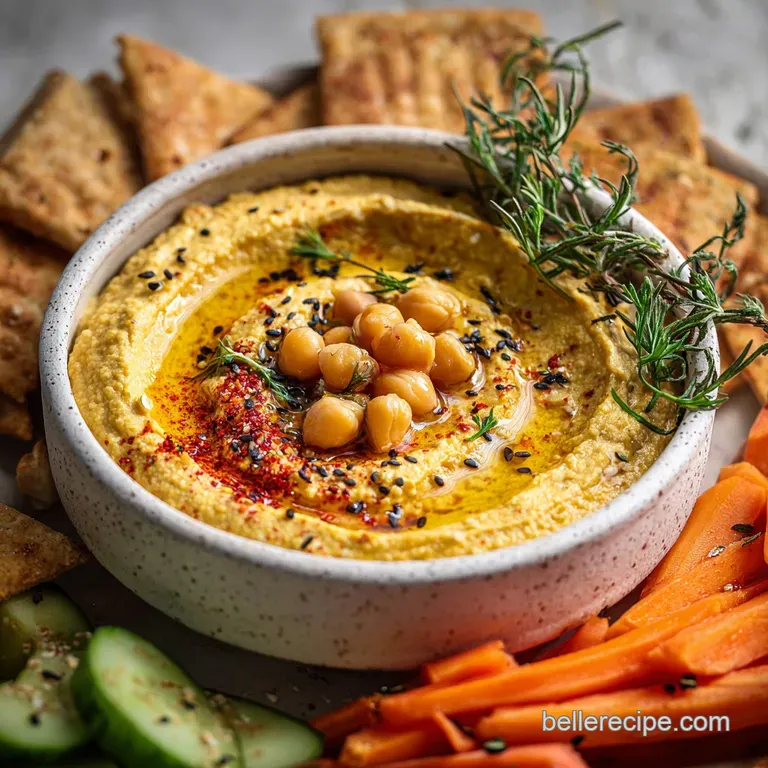
- Drain the chickpeas. Pour the can into a mesh strainer over a bowl, making sure to reserve at least 2 tbsp of the aquafaba liquid for later.
- Rinse the beans. Run cold water over the chickpeas to remove the metallic "canned" taste and any excess salt or starch.
- Soften the skins. (Optional) Simmer the beans in water with 1/2 tsp baking soda for 5 minutes until the skins begin to tatter.
- Process the aromatics. Place the lemon juice, garlic cloves, and sea salt into the blender and pulse until the garlic is a fine paste.
- Mellow the garlic. Let the lemon garlic mixture sit for 2 minutes until the acid neutralizes the harsh garlic bite.
- Add the base. Throw in the chickpeas, cumin, and reserved aquafaba, then blend on high for 1 minute.
- Drizzle the oil. While the motor is running, slowly pour in the 1/4 cup extra virgin olive oil until the mixture looks glossy.
- The ice water trick. Add the 3 tbsp of ice cold water one tablespoon at a time until the color lightens significantly.
- The final polish. Continue blending for another 2 minutes until the texture is completely smooth and velvety.
- Taste and adjust. Dip a piece of pita or a vegetable to check for salt and acid balance before serving.
Chef's Note: If you have an extra five minutes, manually rubbing the skins off the chickpeas under running water is the single most effective way to reach restaurant level silkiness. It's tedious, but the results are undeniable.
Solving Common Blending Texture Issues
Sometimes the beans are a bit stubborn, or the ratio feels off. Don't panic; most hummus "fails" are easily corrected with a little more liquid or a few more spins.
Why the texture feels grainy
Usually, this happens because the chickpea skins didn't break down. Even with a high powered blender, some skins are tougher than others. You can try adding another tablespoon of warm water and blending for an additional two minutes.
If that doesn't work, passing the entire mixture through a fine mesh sieve will remove the fiber and leave you with a pure, silky spread.
Why the flavor seems flat
If your hummus tastes like nothing, it's almost always a lack of acid or salt. Salt is the volume knob for flavor. Add it in tiny pinches, blending between each, until the earthiness of the cumin and the brightness of the lemon suddenly "pop."
| Problem | Root Cause | Solution |
|---|---|---|
| Separating Oil | Poor emulsification | Add 1 tsp aquafaba and blend on high |
| Too Thick | Low hydration | Add ice water 1 tbsp at a time |
| Bitter Aftertaste | Low quality olive oil | Add a pinch of sugar or more cumin |
For another vibrant side dish that uses a similar balance of acid and crunch, you might want to try this Seaweed Salad recipe to round out your table. It provides a great textural contrast to the smooth dip.
Creative Variations For Better Spreads
Once you've mastered the basic hummus recipe without tahini, the world is your oyster. Since we aren't using tahini, the flavor profile is a "blank canvas" that takes exceptionally well to bold additions.
- Spicy Kick: Add 1 tbsp of harissa paste or a pinch of smoked paprika during the final blend.
- Roasted Red Pepper: Blend in one jarred roasted pepper (drained well) for a sweet, smoky finish.
- Green Goddess: Throw in a handful of fresh parsley, cilantro, and mint for a vibrant, herbaceous dip.
- The Weight Watchers Hack: Swap half the olive oil for 0% fat Greek yogurt to keep it creamy while cutting calories.
If you want X, do Y: If you want a smokier flavor, add 1/2 tsp of smoked paprika and a drop of liquid smoke. If you want it extra creamy, use 1/4 cup of Greek yogurt instead of the water. If you want it "restaurant style," serve it warm and top it with whole, spiced chickpeas.
Smart Storage And Waste Reduction
Hummus is a meal prepper's dream. You can keep this in an airtight container in the fridge for up to 5 days. I actually find that the garlic and cumin flavors deepen after about 24 hours, so don't be afraid to make it a day before your party.
If the surface looks a little dry when you pull it out, just stir in a tiny drizzle of olive oil to bring back that shimmer.
For long term storage, you can freeze hummus for up to 3 months. Just be aware that the emulsion might break slightly upon thawing. To fix this, simply give it a quick 30 second whirl in the blender once it's defrosted. Regarding zero waste, never throw away that chickpea soaking liquid!
Aquafaba can be whipped into vegan meringues or used as an egg replacer in baking. Even the lemon rinds can be tossed into a jar of vinegar to create a natural citrus cleaner for your kitchen counters.
Perfect Mediterranean Inspired Pairing Ideas
This spread is incredibly versatile. While pita bread is the classic vehicle, I love serving this with a pile of colorful, crunchy vegetables. Think sliced cucumbers, bell pepper strips, and blanched asparagus. The creaminess of the dip is the perfect foil for something crisp and refreshing.
If you are putting together a full mezze platter, this dip pairs beautifully with a Homemade Pickled Radishes recipe which adds a sharp, vinegary snap to the plate. The contrast between the velvety chickpeas and the acidic radishes is exactly what makes Mediterranean dining so addictive. You could also serve it alongside some grilled chicken skewers or even use it as a base for a Mediterranean style pizza instead of traditional tomato sauce.
Professional Solutions For Hummus Hurdles
One common myth I hear is that you absolutely must use dried chickpeas for "real" hummus. While dried beans do offer a slightly nuttier flavor, the difference in a blind taste test is negligible if you prepare your canned beans correctly. The trick isn't the bean itself; it's the moisture content and the blending time.
Another misconception is that peeling chickpeas is a waste of time. I used to think so too, until I did a side-by-side comparison. Peeling the skins results in a texture that is significantly lighter and less "pasty." If you’re in a rush, don't worry about it, but if you want to impress someone, spend those ten minutes peeling.
It's almost meditative once you get into a rhythm.
Finally,, don't be afraid of the garlic. If you find raw garlic too harsh, you can roast the cloves in a little olive oil before blending. This transforms the sharp bite into a mellow, caramelized sweetness that makes the hummus feel much more "aromatic" and sophisticated.
It's these little tweaks that turn a simple pantry recipe into something truly special.
- Bright
- Lemon juice and sea salt.
- Earthy
- Cumin and chickpea solids.
- Pungent
- Raw smashed garlic.
- Smooth
- Extra virgin olive oil and aquafaba emulsion.
Recipe FAQs
What can I substitute for tahini in my hummus?
Use a blend of extra virgin olive oil and a small amount of toasted sesame oil. This combination mimics the richness and subtle nutty flavor of tahini without the paste itself, allowing the chickpeas and lemon to shine, much like in our Umami Bomb: Best Homemade Chili Crisp Recipe!.
Can I leave tahini out of hummus?
Yes, absolutely. You can achieve a delicious, creamy hummus by relying on the emulsifying properties of aquafaba and good quality olive oil, combined with proper blending techniques.
Can you make good hummus without tahini?
Yes, you can make excellent hummus without tahini. By focusing on blending techniques, ice-cold water, and the richness of olive oil, you can create a velvety texture and bright flavor profile.
What are common hummus mistakes?
Common mistakes include over blending, using warm ingredients, and not adding enough acid. Over blending can make hummus gummy, while warm ingredients prevent proper emulsification, resulting in a separated or grainy texture.
Why is my hummus grainy?
Graininess usually means the chickpea skins weren't fully broken down or the blend time was insufficient. For an ultra smooth texture, try simmering your chickpeas with a pinch of baking soda to soften their skins, or thoroughly peel them for a truly silky result, similar to how precise texture is achieved in Cheddar Broccoli Soup: Ultra Creamy, Panera Style Homemade Recipe.
How do I get my hummus to be really smooth?
Use a high speed blender and ice-cold water during the final blending stage. The rapid blending breaks down the chickpeas into a paste, and the cold water helps to aerate the mixture, creating a lighter, fluffier, and smoother hummus.
Can I use canned chickpeas for hummus without tahini?
Yes, canned chickpeas are perfectly suitable for hummus without tahini. Just make sure to drain and rinse them well to remove any metallic taste and reserve the aquafaba for added creaminess and emulsification.
Hummus Recipe Without Tahini
Ingredients:
Instructions:
Nutrition Facts:
| Calories | 158 kcal |
|---|---|
| Protein | 3.7 g |
| Fat | 10.8 g |
| Carbs | 12.3 g |
| Fiber | 3.2 g |
| Sugar | 0.5 g |
| Sodium | 242 mg |
