Jiggly Japanese Soufflé Pancakes
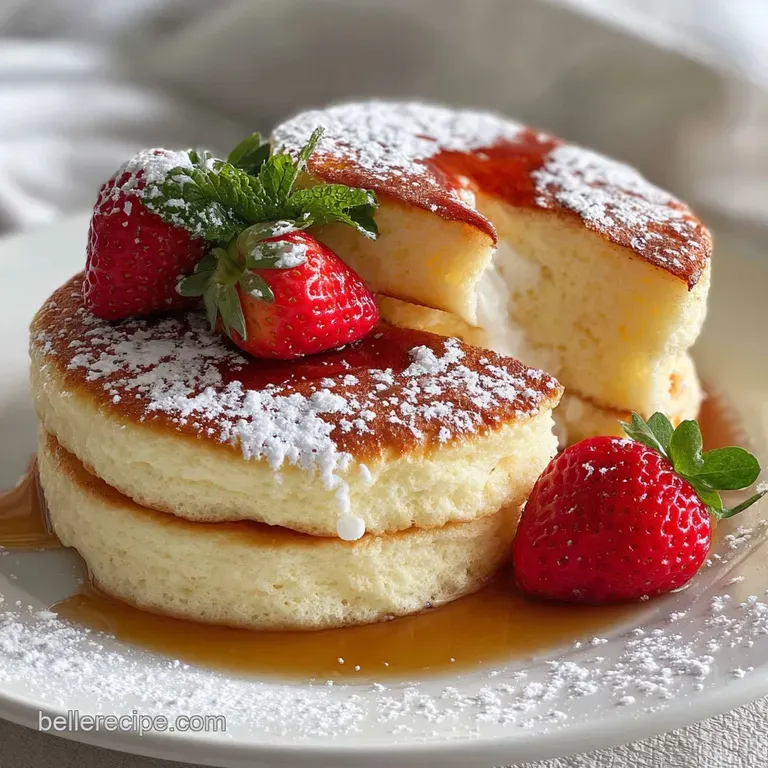
- Time: Active 15 minutes, Passive 15 minutes, Total 30 minutes
- Flavor/Texture Hook: Velvety, melt in-the mouth crumb with a pillowy, custard like center
- Perfect for: Slow Sunday mornings or a mindful brunch to impress someone special
- The Physics of the Breakfast Wobble
- Critical Benchmarks for Cooking Success
- The Simple Components for Cloud Creation
- Necessary Tools for Tall Pancakes
- The Step-by-Step Path to Fluffiness
- Solving Common Meringue and Heat Issues
- Creative Flavor Twists and Healthy Swaps
- Keeping Your Leftover Clouds Fresh
- Beautiful Ways to Plate Your Creation
- Frequently Asked Questions
- Troubleshooting Common Issues
- Recipe FAQs
- 📝 Recipe Card
I still remember the first time I tried making these. It was a drizzly Tuesday, and I wanted something that felt more like a celebration than a chore. My first attempt was, frankly, a disaster three flat, rubbery discs that looked more like sad coasters than the towering, golden clouds I’d seen in Tokyo street food videos.
I realized then that I was rushing the process, treating it like a standard flapjack rather than the mindful, delicate dance it actually is.
Once I slowed down and started paying attention to the way the meringue curled over the whisk, everything changed. There is a specific moment, a quiet sizzle in the pan, where you know the steam is doing its magic. Since then, these have become my go to "I love you" breakfast.
They aren't about fancy ingredients; they are about taking 30 minutes to be present in your kitchen, transforming humble eggs and flour into something that feels almost impossible.
The Physics of the Breakfast Wobble
Steam Expansion: Water droplets added to the pan evaporate under the lid, creating a high moisture environment that allows the batter to rise rapidly without drying out the exterior.
Protein Scaffolding: Superfine sugar stabilizes the egg white proteins, creating a velvety structure that holds air bubbles even as the heat tries to expand them.
Thermal Insulation: The thick, aerated batter acts as an insulator, slowing down the heat transfer so the center stays custard soft while the outside browns gently.
| Method | Cook Time | Texture | Best For |
|---|---|---|---|
| Stovetop (Lid) | 15 minutes | Maximum jiggle and height | Traditional results |
| Oven (Water Bath) | 20 minutes | More uniform, cake like | Large batches |
| Electric Griddle | 12 minutes | Crispier edges | Consistent temperature control |
When you choose the stovetop method, you get that specific contrast between the golden brown "skin" and the airy interior. It reminds me a bit of the texture in my Cloud Nine Shokupan recipe, where the softness is the entire point. If you’re a fan of that style of baking, you’ll find the patience required here very rewarding.
Critical Benchmarks for Cooking Success
| Component | Science Role | Pro Secret |
|---|---|---|
| Egg Whites | Structural Matrix | Chill them in the freezer for 5 mins to create a tighter, more stable foam. |
| Cake Flour | Protein Control | Sift it twice to ensure it incorporates without deflating the delicate egg yolk base. |
| Superfine Sugar | Texture Stabilizer | If you only have granulated, pulse it in a blender for 10 seconds to help it dissolve faster. |
Understanding how these parts work together is the difference between a pancake and a soufflé. I used to think the flour was the star, but in this recipe, the flour is just the quiet support system for the air we’ve trapped in those egg whites.
The Simple Components for Cloud Creation
- 2 Large Egg Yolks: Why this? Provides the rich, custard like flavor and binds the flour into a smooth paste.
- 1 tbsp (15g) Whole Milk: Why this? Hydrates the flour and adds a touch of fat for a velvety mouthfeel.
- ½ tsp (2g) Pure Vanilla Extract: Why this? Essential for masking the "eggy" scent and adding a comforting aroma.
- ¼ cup (32g) Cake Flour: Why this? Low protein content ensures the pancakes stay soft, not chewy or tough.
- ½ tsp (2g) Baking Powder: Why this? Provides a tiny extra lift to support the heavy meringue structure.
- 3 Large Egg Whites: Why this? The foundation of the lift; one extra white adds significant volume.
- 2 ½ tbsp (35g) Superfine Granulated Sugar: Why this? Dissolves instantly to stabilize the meringue without leaving a gritty texture.
- ½ tsp Lemon juice: Why this? The acid denatures the proteins just enough to prevent the bubbles from popping.
- 2 tsp Water: Why this? Added to the pan to create the steam necessary for that dramatic rise.
| Original Ingredient | Substitute | Why It Works |
|---|---|---|
| Cake Flour | AP Flour + Cornstarch | Remove 1 tsp AP flour, add 1 tsp cornstarch. Note: Slightly less tender. |
| Superfine Sugar | Blitzed Granulated Sugar | Pulverizing standard sugar mimics the fine crystal size for better stability. |
| Whole Milk | Oat Milk (Full Fat) | Similar viscosity. Note: Adds a very subtle nutty undertone. |
Adding that splash of lemon juice is a trick I learned after many deflated attempts. It’s similar to how I approach the balance in my Fluffy Buckwheat Pancakes recipe, where a little science goes a long way in managing the texture of the batter.
Necessary Tools for Tall Pancakes
You don't need a professional kitchen, but a non stick pan is non negotiable here. I prefer a heavy bottomed skillet because it distributes the low heat evenly, preventing "hot spots" that might burn the bottom before the middle is set.
You'll also need a lid that fits tightly; if yours has a vent hole, you can cover it with a bit of damp paper towel to keep all that precious steam inside.
A hand mixer or a stand mixer is your best friend here. While you could whisk the meringue by hand, it’s a workout that often leads to inconsistent peaks. I usually reach for my trusty hand mixer so I can feel the resistance of the whites as they thicken.
It gives me more control over the "stiff peak" stage, which is the most critical part of the whole operation.
The step-by-step Path to Fluffiness
- Prepare the yolk base. Whisk the 2 Large Egg Yolks, 1 tbsp Whole Milk, and ½ tsp Vanilla in a small bowl until pale and slightly frothy.
- Incorporate the dry ingredients. Sift the ¼ cup Cake Flour and ½ tsp Baking Powder into the yolk mixture. Note: Whisk gently just until no lumps remain; overmixing here creates unwanted gluten.
- Start the meringue. In a separate, clean glass bowl, beat the 3 chilled Egg Whites and ½ tsp Lemon juice until the mixture looks like soapy bubbles.
- Add the sugar gradually. Continue beating while adding the 2 ½ tbsp Superfine Sugar one tablespoon at a time. Note: This staged approach ensures the sugar dissolves fully for a glossy finish.
- Achieve stiff peaks. Beat the whites until they form sharp, upright points that don't slump when the whisk is lifted.
- Fold carefully. Add one third of the meringue to the yolk base and stir to lighten it, then gently fold in the rest until no white streaks remain. Note: Use a "cut and fold" motion to preserve the air bubbles.
- Heat the pan. Set a non stick skillet to the lowest possible heat and lightly grease with a tiny drop of oil.
- Stack the batter. Scoop three large mounds of batter into the pan, then add a second scoop on top of each until they stand about 2 inches tall.
- Steam and cover. Add 2 tsp Water to the empty spaces in the pan and cover immediately with the lid.
- Cook and flip. Bake for 6-7 minutes, then very gently flip and cook for another 5-6 minutes until the sides feel dry and the center wobbles like jelly.
Chef's Tip: Freeze your metal mixing bowl and beaters for 10 minutes before starting the meringue. The cold surface helps the egg white proteins bond more tightly, creating a foam that is much harder to collapse.
Solving Common Meringue and Heat Issues
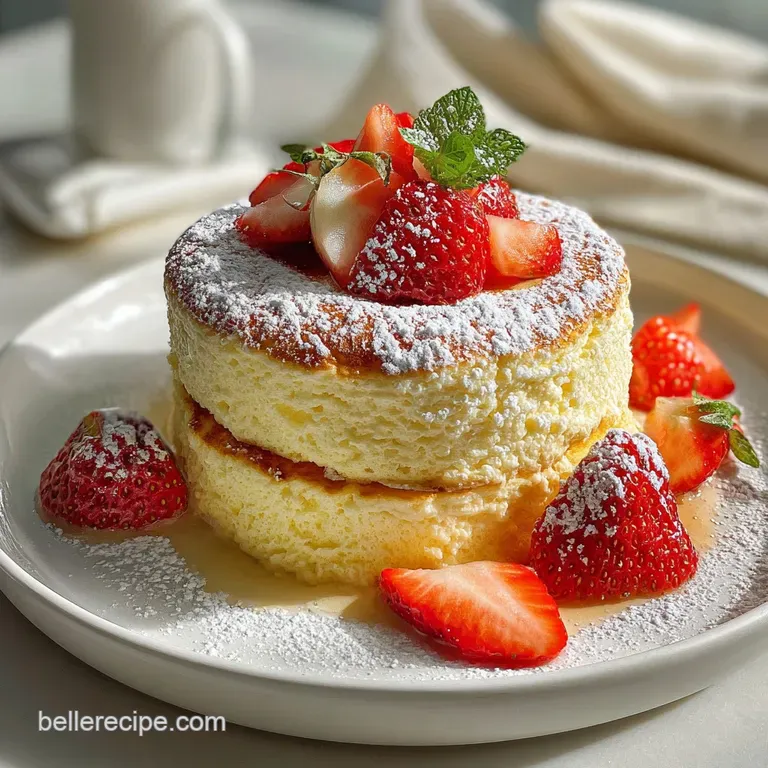
Why Your Pancakes Deflate Immediately
This is almost always a meringue issue. If the peaks were soft or "weeping" (liquid at the bottom), they won't have the strength to hold up the weight of the flour. Another culprit is a temperature shock; if you take the lid off too early or the room is very cold, the steam inside the bubbles contracts rapidly, causing the "sink."
Why the Center is Still Liquid
If the outside is beautiful but the inside is raw, your heat is too high. These require a "low and slow" approach. Think of it more like baking on the stovetop than frying. You need the heat to penetrate all the way to the center before the bottom burns.
| Problem | Root Cause | Solution |
|---|---|---|
| Rubbery Texture | Overmixing the flour | Fold the meringue into the yolks using only 10-12 strokes. |
| Excessive Egg Smell | Old eggs or lack of acid | Use the freshest eggs possible and don't skip the vanilla or lemon juice. |
| Bottoms Burning | Heat too high | Use a heat diffuser or the absolute lowest setting on your smallest burner. |
Common Mistakes Checklist
- ✓ Ensure the bowl for egg whites is completely grease free (even a drop of yolk will ruin it).
- ✓ Use a scale for the flour; even an extra teaspoon can make these heavy.
- ✓ Don't skip the water in the pan; the steam is what actually "cooks" the height.
- ✓ Resist the urge to peek; lifting the lid lets all the necessary heat escape.
- ✓ Flip with a wide, thin spatula to avoid squashing the delicate structure.
Creative Flavor Twists and Healthy Swaps
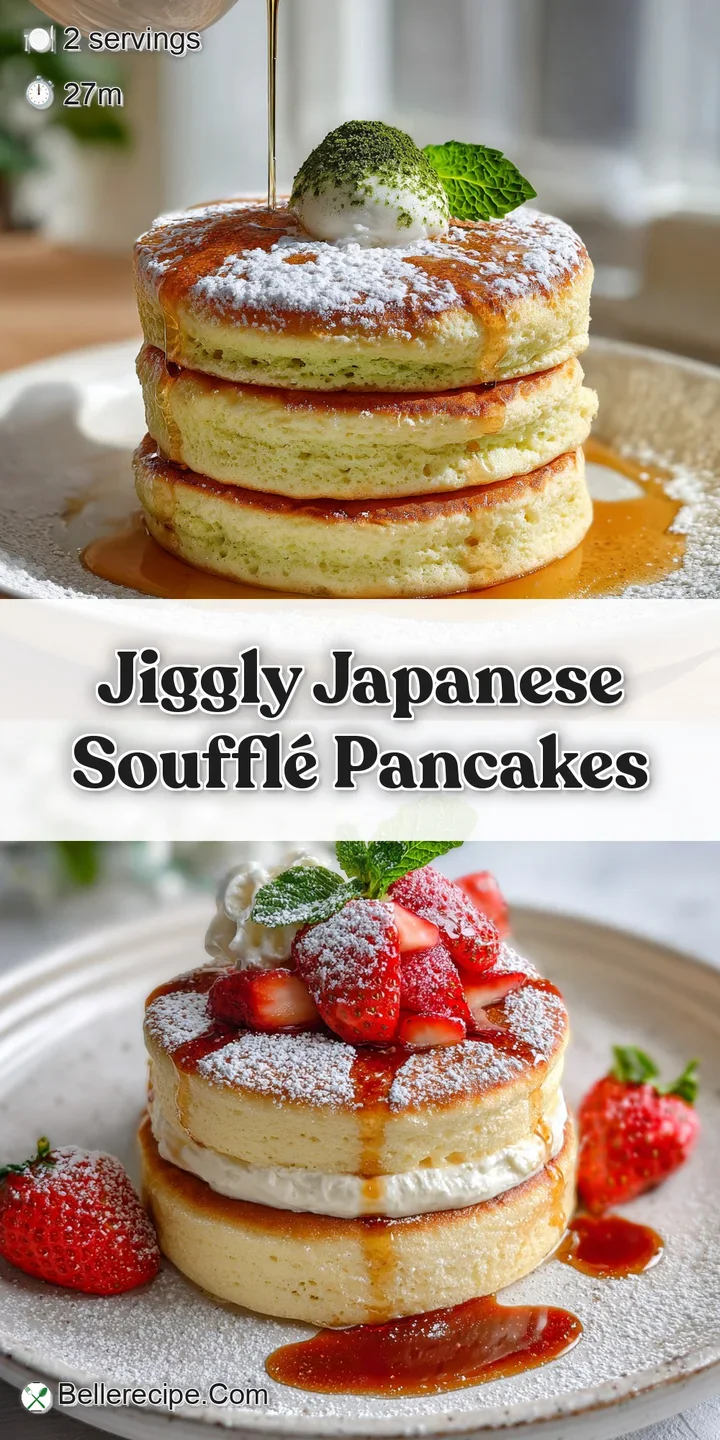
If you’re looking to change things up, you can easily adapt this base. For a matcha version, sift 1 tsp of high-quality matcha powder with the cake flour. It adds a lovely earthy note that balances the sweetness.
Just be careful not to add too much, as the powder can be heavy and might slightly reduce the height of your rise.
For those watching their refined sugar intake, you can use a monk fruit sweetener that measures 1:1 with sugar. I've found it stabilizes the meringue surprisingly well, though the pancakes might brown a bit faster. If you want a different take on breakfast entirely, you might enjoy comparing this process to my Potato Pancakes Recipe, which focuses on a completely different kind of crunch and structure.
Keeping Your Leftover Clouds Fresh
Storage: These are best eaten within minutes of leaving the pan, as the air bubbles will naturally begin to settle. However, if you have extras, store them in an airtight container in the fridge for up to 1 day.
Freezing: I don't recommend freezing these. The delicate protein structure of the meringue doesn't survive the ice crystal formation well, and they will thaw into a spongy, flat mess.
Reheating: To revive a cold pancake, don't use the microwave it will make them tough. Instead, place them back in a non stick pan over very low heat with a teaspoon of water and a lid for 2-3 minutes. This re steams the center and brings back a bit of that "jiggle."
Zero Waste: If you have leftover batter that you can't cook immediately, don't throw it out! You can whisk it into a standard pancake batter to give it a little extra lift, or even use it to make a small batch of "Dutch Baby" style oven pancakes.
Beautiful Ways to Plate Your Creation
Presentation is half the fun with something this pretty. I love a simple dusting of powdered sugar it looks like fallen snow on a golden hill. A small pat of high-quality salted butter melting slowly down the side adds a savory depth that cuts through the sweetness.
It’s a classic move, much like the finishing touch on a stack from The Secret to recipe.
If you want to go all out, fresh berries provide a tart contrast to the custard flavor. A drizzle of maple syrup is traditional, but a dollop of lightly sweetened whipped cream or even a spoonful of lemon curd takes this into dessert territory. Whatever you choose, serve them immediately.
Watching that first wobble as you set the plate down is a part of the experience that shouldn't be missed!
Frequently Asked Questions
Troubleshooting Common Issues
| Issue | Solution |
|---|---|
| Make the batter ahead of time | No, the batter relies on the air whipped into the egg whites. Once you fold the meringue into the yolk base, the bubbles begin to pop. For the best rise and jiggle, you must cook the pancakes immediat |
| Why do my pancakes look more like omelets | If your pancakes have a very yellow color and a dense, egg like texture, you likely deflated the meringue during the folding process. Be very gentle and use a spatula to fold the two mixtures together |
| Do I really need cake flour | Cake flour has less protein (gluten) than all purpose flour, which results in a more tender, delicate crumb. If you use all purpose flour, the pancakes will be slightly tougher and may not rise as hig |
My pancakes are cooked on the bottom but raw in the middle. What happened?
The temperature of your pan was likely too high. These pancakes need to cook very slowly on the lowest heat setting to allow the heat to reach the center without burning the bottom. Using a lid to create steam is also essential for cooking the middle.
Can I make these without a hand mixer?
It is possible to whisk the egg whites by hand, but it is extremely difficult to reach the "stiff peak" stage required for the pancakes to hold their shape. A hand mixer or stand mixer is highly recommended for consistent results.
Recipe FAQs
How do the Japanese get their pancakes so fluffy?
By whipping egg whites into a stiff, stabilized meringue. This meringue traps the maximum amount of air, which expands dramatically when steamed on the griddle. Mastering this aeration technique is the key difference between standard pancakes and these cloud like versions.
How to make Japanese wobbly pancakes?
Cook them low and slow on a lightly oiled, nonstick surface. Gently stack the thick batter mounds high, add a few drops of water to the pan, and immediately cover with a tight fitting lid.
The trapped steam cooks the center into a soft custard while the exterior browns gently, creating the signature jiggle.
What is the difference between Japanese pancakes and soufflé pancakes?
They are essentially the same thing. The term "Japanese pancake" is the common descriptor, while "soufflé pancake" more accurately refers to the technique used incorporating a substantial, airy egg foam similar to a soufflé batter. If you enjoyed the structural science of this method, you might appreciate how we control batter consistency in my Perfectly Puffed Soufflé Recipe.
What is the name of the fluffy Japanese PanCake?
They are most often called Hottokēki (ホットケーキ). In casual usage, they are frequently referred to as Soufflé Pancakes or Jiggle Pancakes to highlight their extreme texture. The Japanese focus on creating an ethereal, melt-in-your mouth crumb.
Can I make the batter ahead of time?
No, the batter must be cooked immediately after folding. The structural integrity relies entirely on the air trapped in the egg whites, and those air bubbles begin to deflate the moment they are combined with the yolk base. Cooking them promptly is crucial to achieving that signature height and wobble.
Why do my pancakes stick or turn out rubbery?
Rubbery texture usually means you overmixed the flour into the egg whites. You must fold gently to preserve the air, treating the mixture like spun glass. If they stick, your pan wasn't properly nonstick or it wasn't oiled enough; ensure your pan is set to the absolute lowest heat setting for gentle cooking.
Is it true I must use superfine sugar for the meringue?
No, this is a common misconception, but superfine is highly recommended. Standard granulated sugar crystals are too large and take longer to dissolve, potentially deflating the delicate egg foam during the whipping process.
If you must use standard sugar, pulse it briefly in a blender first to create a texture closer to confectioners' sugar.
Jiggly Souffle Pancakes Recipe
Ingredients:
Instructions:
Nutrition Facts:
| Calories | 214 kcal |
|---|---|
| Protein | 9.9 g |
| Fat | 5.4 g |
| Carbs | 31.2 g |
| Fiber | 0.4 g |
| Sugar | 18.1 g |
| Sodium | 185 mg |
