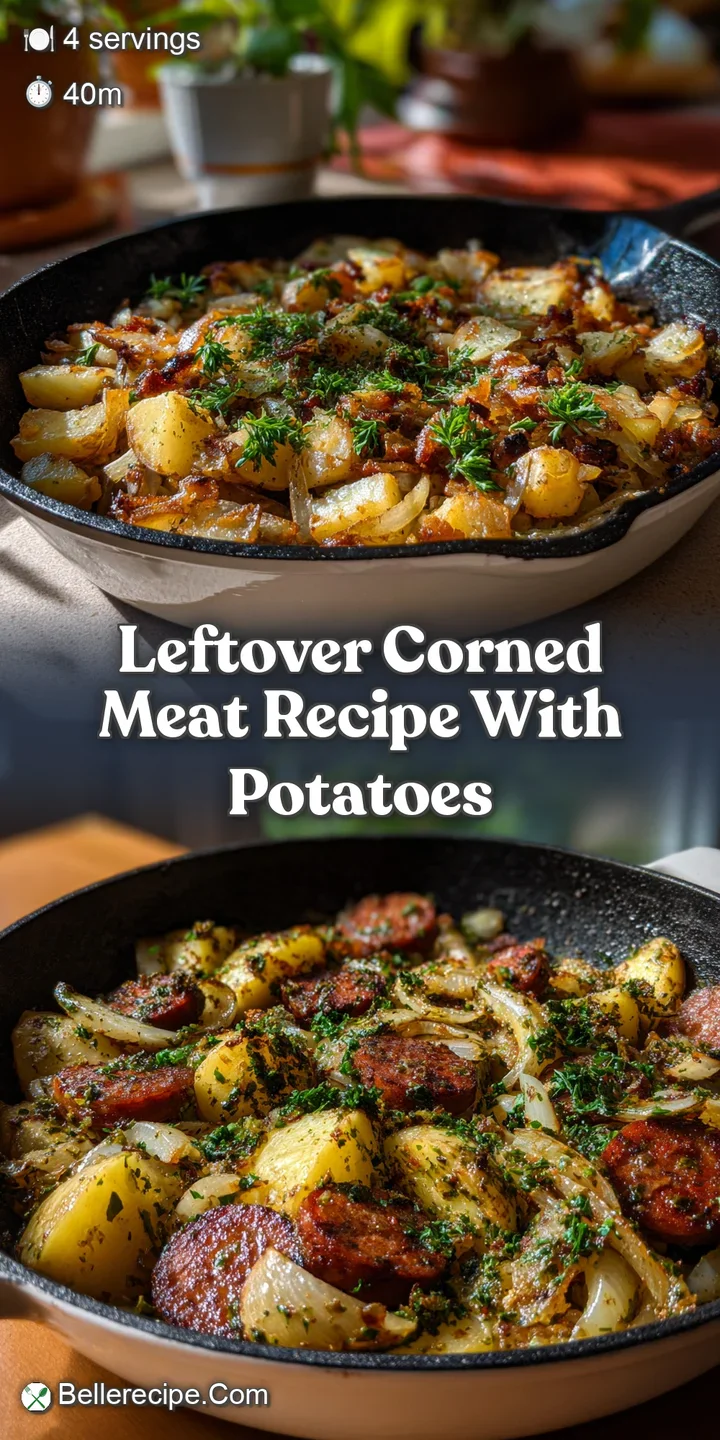
Leftover Corned Meat Recipe with Potatoes: Crispy Potatoes
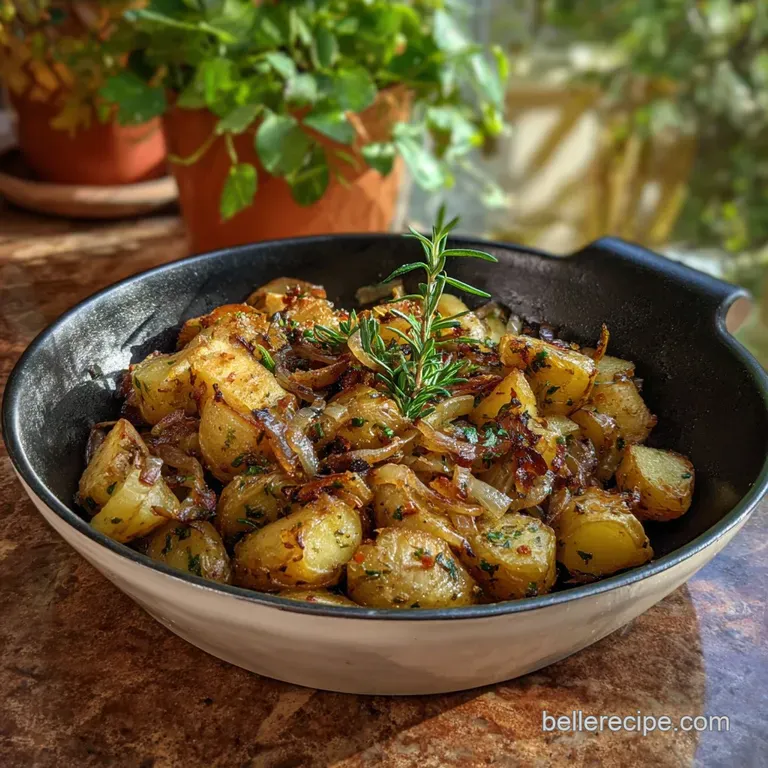
- Time: Active 15 minutes, Passive 25 minutes, Total 40 minutes
- Flavor/Texture Hook: Shatter crispy potato edges meeting tender, velvety beef
- Perfect for: Weekend brunch, post holiday cleanup, or a quick fix weeknight dinner
- Reviving Yesterday’s Feast: The Ultimate Leftover Corned Meat Recipe with Potatoes
- The Technical Roadmap for Your Skillet Creation
- Component Analysis: The Foundation of Flavor
- Gathering the Essential Elements for Savory Success
- The Best Tools for Achieving a Superior Sear
- Step by Step Guide to a Perfect Skillet Hash
- How to Avoid Sogginess and Master the Golden Crust
- Balancing Your Method: Fast vs. Classic
- Flavor Variations to Keep Your Leftovers Feeling New
- Debunking Traditional Assumptions About Skillet Cooking
- Preserving Quality Through Smart Storage and Zero Waste
- Complementary Sides to Round Out Your Hearty Meal
- Very High in Sodium
- Recipe FAQs
- 📝 Recipe Card
Reviving Yesterday’s Feast: The Ultimate Leftover Corned Meat Recipe with Potatoes
Picture this: the kitchen is quiet, the morning sun is just hitting the counter, and you hear that first rhythmic thud thud thud of the knife against the cutting board. There is something deeply grounding about working with leftovers.
It’s a second chance for the food we’ve already shared, an opportunity to create a new memory from the remnants of an old one. This leftover corned meat recipe transforms the classic meat into a hearty dish featuring potatoes and onions, taking what was soft and yielding from a slow cooker and giving it a over high heat, crispy second life.
I used to think that "hash" was just a messy scramble of whatever was in the fridge, but a few soggy disasters taught me better. If you’ve ever ended up with a gray, mushy pile instead of those golden brown nuggets of joy you see in diners, you know the struggle.
The secret isn't just in the heat, it's in the patience. We aren't just cooking here; we are reflecting on the ingredients, giving the potatoes the time they need to develop a crust while the onions soften into a sweet, translucent base.
Trust me on this: the contrast between the salt cured meat and the earthy potatoes is what makes this so soul satisfying. We are aiming for a specific harmony where every bite offers a different texture the snap of a bell pepper, the melt in-your mouth beef, and the crunch of a well seared potato.
It’s comforting, it’s simple, and it’s honestly the best way to honor the effort you put into the original roast.
The Technical Roadmap for Your Skillet Creation
Before we get the oil shimmering, let’s look at the specs. Making a great hash is about managing moisture and heat. If the meat is too wet, it steams; if the potatoes are too fresh, they fall apart. We want to be mindful of our timing to ensure everything finishes at the exact same moment.
The Science of Why it WorksStarch Retrogradation: Using cold, leftover potatoes or par cooking and cooling them allows starches to realign, creating a sturdier exterior that crisps rather than dissolves.
Maillard Reaction: The combination of amino acids in the cured meat and the natural sugars in the onions creates complex, savory flavor compounds when exposed to direct heat.
| Potato Cube Size | Internal Temp | Cook Time | Visual Cue |
|---|---|---|---|
| 1/2 inch | 210°F | 10-12 mins | Deep golden edges, easily pierced |
| 3/4 inch | 210°F | 15-18 mins | Slightly browned, firm center |
| 1 inch | 210°F | 20+ mins | Dark brown crust, soft interior |
Choosing your potato size is the first big decision. I prefer the 1/2 inch cubes because they offer the highest surface area to volume ratio, which means more of that "shatter" effect we’re after. It’s similar to the way we prep the base for our Perfectly Roasted Beef Tenderloin recipe, where the sear is everything.
Component Analysis: The Foundation of Flavor
Every ingredient here has a job to do. We aren't just throwing things in a pan; we are layering flavors to create a map of taste salty, sweet, and acidic.
| Ingredient | Science Role | Pro Secret |
|---|---|---|
| Yukon Gold Potatoes | Starch Structure | Don't peel them; the skin adds a rustic earthy note and extra fiber. |
| Leftover Corned Meat | Fat & Protein | Trim large fat caps but keep small bits; they render out to flavor the oil. |
| Apple Cider Vinegar | Acid Balance | It cuts through the heavy fat of the beef, brightening the entire dish. |
| Smoked Paprika | Aromatic Depth | It mimics the wood fired taste of a traditional outdoor griddle. |
When you’re looking at your 3 cups of leftover corned meat, diced into 1/2 inch cubes, try to be consistent. Consistency in dicing means consistency in browning. If you have big chunks and tiny slivers, the slivers will burn before the chunks even get warm.
It’s a mindful practice, almost meditative, to get those cubes just right.
Gathering the Essential Elements for Savory Success
You’ll need to pull these items from your pantry and fridge. I’ve found that using the right oil makes a massive difference you need something with a high smoke point so you can really crank the heat without the kitchen filling with smoke.
- 3 cups leftover corned meat: Diced into 1/2 inch cubes. Why this? Cured meat holds its shape better than fresh beef under high heat.
- 1.5 lbs Yukon Gold or Russet potatoes: Peeled and cubed. Why this? Yukons provide a creamy interior; Russets give the fluffiest crunch.
- 1 large yellow onion: Finely diced. Why this? Yellow onions have a high sugar content for better caramelization.
- 2 cloves garlic: Minced.
- 1 green bell pepper: Diced.
- 2 tablespoons avocado oil: Or another high smoke point oil.
- 1 tablespoon Worcestershire sauce: For that deep, fermented umami kick.
- 1 teaspoon apple cider vinegar: To provide a necessary "lift" to the richness.
- 1/2 teaspoon smoked paprika: For a subtle, campfire like undertone.
- 1/2 teaspoon freshly cracked black pepper: Skip the salt until the very end; the meat is already quite salty!
If you find yourself short on one of these, don't panic. Cooking is about transformation and flexibility. You can easily swap things out depending on what’s lurking in your crisper drawer.
| Original Ingredient | Substitute | Why It Works |
|---|---|---|
| Yukon Gold Potatoes | Sweet Potatoes | Adds a sweet, earthy contrast. Note: Will cook faster and be softer. |
| Green Bell Pepper | Poblanos | Adds a mild, smoky heat without being overwhelming. |
| Avocado Oil | Ghee (Clarified Butter) | High smoke point with a rich, nutty dairy flavor. |
Using the right fat is crucial. I once tried making this with regular butter, and it burned before the potatoes were even half done. Ghee or avocado oil are your best friends here. It reminds me of the logic in our Leftover Brisket Recipe, where choosing the right sauce and fat keeps the meat from drying out during its second trip to the stove.
The Best Tools for Achieving a Superior Sear
You don't need a professional kitchen, but a few specific tools will make your life much easier.
- Cast Iron Skillet: This is the gold standard. It holds heat like a champion, which is essential for that crust. If you don't have one, a heavy stainless steel pan works, but avoid thin non stick pans they can't handle the heat needed for a true sear.
- Wide Metal Spatula: You want something thin enough to slip under the potatoes without breaking them. A "fish spatula" is actually great for this.
- Large Mixing Bowl: For tossing the potatoes with the spices before they hit the pan.
- Sharp Chef's Knife: For those clean, 1/2 inch cubes.
Chef's Tip: If your cast iron is well seasoned, it acts like a natural non stick surface. Always preheat the pan for 3 to 5 minutes before adding your oil. You want that oil to shimmer and flow like water.
step-by-step Guide to a Perfect Skillet Hash
Let’s get into the flow of the cook. This is where we transform those humble cubes into something special.
- Par cook the potatoes. Boil the 1.5 lbs of cubed potatoes in salted water for 5-7 minutes. Note: They should be tender but not falling apart.
- Drain and dry. Let the potatoes steam dry in a colander for 2 minutes until the surfaces look matte and chalky.
- Heat the skillet. Add 2 tablespoons of avocado oil to your heavy pan over medium high heat.
- Sauté the aromatics. Toss in the diced onion and green bell pepper. Cook until the onion edges start to turn golden, about 5 minutes.
- Add the garlic. Stir in the minced garlic for only 30 seconds until it smells fragrant but hasn't turned brown.
- The first sear. Push the veggies to the side and add the potatoes. Let them sit undisturbed for 4-5 minutes until a crust forms on the bottom.
- Incorporate the meat. Add the 3 cups of diced corned meat and the 1/2 teaspoon of smoked paprika.
- Season and finish. Drizzle the Worcestershire sauce and apple cider vinegar over the mixture.
- The final crisp. Press the mixture down with your spatula and cook for another 5-8 minutes, flipping occasionally, until the meat is heated through and the potatoes are deeply browned.
- Taste and adjust. Add the 1/2 teaspoon of black pepper and a pinch of salt if needed.
To Maximize the Maillard Reaction
Don't crowd the pan! If you pile everything in, the steam from the onions will soften the potatoes. If your skillet is small, cook in two batches. It’s worth the extra few minutes to ensure every single piece of meat gets that gorgeous, caramelized exterior.
For Extra Crispy Edges
If you want that restaurant style "shatter" crunch, add a tiny bit more oil right before the final 5 minutes of cooking. This "shallow fries" the outside of the cubes that have already been par cooked.
How to Avoid Sogginess and Master the Golden Crust
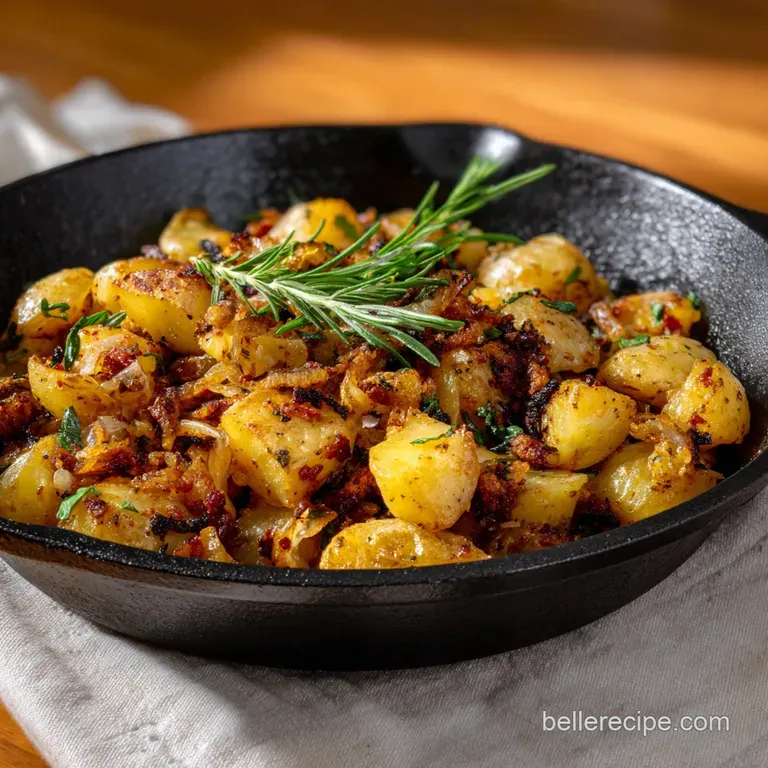
Even the best of us hit a snag sometimes. Maybe the potatoes stayed soft, or the meat stuck to the pan. It happens! The key is knowing why so you can fix it mid stream.
Why Your Hash Is Mushy
This usually happens because of trapped steam. If you don't dry your potatoes thoroughly after boiling, that water turns to steam the moment it hits the oil. Also, if you stir too often, you break the delicate starch structure of the potatoes.
| Problem | Root Cause | Solution |
|---|---|---|
| Sticking to Pan | Pan wasn't hot enough | Let it sit longer before flipping; the food will "release" when the crust forms. |
| Greasy Texture | Oil temp was too low | Increase heat and drain excess fat with a paper towel if necessary. |
| Burnt Garlic | Added too early | Always add garlic at the very end of the aromatic sauté phase. |
Most mistakes are just lessons in disguise. I remember the first time I made this, I didn't par boil the potatoes. I spent 40 minutes waiting for the centers to soften while the outsides turned into charcoal. Never again!
Common Mistakes Checklist
- ✓ Pat potatoes dry: Use a clean kitchen towel to remove every drop of surface moisture.
- ✓ Preheat the pan: A cold pan is the primary cause of sticking.
- ✓ Don't over stir: Give the food 4 minutes of "quiet time" to develop a crust.
- ✓ Check your dice: Ensure potatoes and meat are similar sizes for even cooking.
- ✓ Use cold meat: Leftover meat that is chilled is easier to dice cleanly.
Balancing Your Method: Fast vs. Classic
Depending on your morning energy, you might want to take the shortcut or the scenic route. Both result in a comforting meal, but the textures will vary slightly.
| Method | Time | Texture | Best For |
|---|---|---|---|
| The Classic | 40 minutes | Fluffy inside, glass like crunch outside | A slow Sunday brunch |
| The Fast Track | 25 minutes | Softer, more cohesive "scramble" | Busy weeknight dinner |
If you go for the Fast Track, you can skip the par boiling and use canned potatoes or even leftover roasted potatoes from the night before. If you’re in a rush, you might also like the speed of a How to Savor recipe which focuses on quick skillet techniques.
Flavor Variations to Keep Your Leftovers Feeling New
Once you master the base recipe, you can start playing with the "vibe" of the dish. It’s a canvas for whatever flavors you're craving.
- Decision Shortcut
- If you want X, do Y
- If you want a Spicy Kick
- Add 1 teaspoon of red pepper flakes and a diced jalapeño with the bell peppers.
- If you want it "Cheesy"
- Sprinkle 1/2 cup of sharp white cheddar over the top in the last 2 minutes and cover with a lid to melt.
- If you want a Classic Diner style
- Use a round biscuit cutter to press the hash into patties and sear them like small cakes.
For Restaurant Quality Brunch
The absolute best way to serve this is with a couple of over easy eggs on top. When the yolk breaks and mingles with the Worcestershire and the crispy potatoes, it creates a rich, velvety sauce that is truly incomparable.
Debunking Traditional Assumptions About Skillet Cooking
There are a lot of "old wives' tales" in the kitchen that can actually hold you back from getting the best results with your meat recipe with potatoes and onions.
Myth: You must peel the potatoes for a good hash. Truth: The skins of Yukon Golds are incredibly thin and provide a beautiful texture and earthy flavor. Leaving them on actually helps the cubes hold their shape during the sauté.
Myth: Adding salt early helps the potatoes cook. Truth: Adding salt to the potatoes too early can draw out moisture, leading to a soggier result. It's much better to salt at the very end after the crust has formed, or rely on the salt already present in the corned meat.
Preserving Quality Through Smart Storage and Zero Waste
Leftovers of leftovers? Yes, it’s possible. If you find yourself with an extra serving, you can keep the cycle of mindful eating going.
- Fridge
- Store in an airtight container for up to 3 days. The potatoes will soften slightly, but the flavor will actually deepen.
- Freezer
- I don't recommend freezing the finished hash, as the potatoes become grainy and mealy when thawed.
- Reheating
- Avoid the microwave! It will make the meat rubbery and the potatoes soft. Reheat in a dry skillet over medium heat for 5 minutes to bring back that crunch.
Zero Waste Tip If you have onion bottoms or pepper scraps, don't toss them! Toss them into a freezer bag. When the bag is full, boil them with some water and the leftover corned beef spice packet (if you kept it) to make a quick, savory vegetable stock for your next soup.
Complementary Sides to Round Out Your Hearty Meal
While this corned meat recipe with potatoes and onions is a powerhouse on its own, adding a few bright sides can help balance the richness.
Since the dish is quite heavy and salty, look for something with high acidity or fresh crunch. A simple arugula salad with a lemon vinaigrette works wonders. If you're going the breakfast route, a side of buttered rye toast is the traditional partner. If you’re looking for a larger spread, you might consider how the flavors of a Grandmas Ghoulosh Recipe use similar beef and onion notes to create comfort.
At the end of the day, this dish is about more than just clearing out the fridge. It’s about the quiet joy of transformation. Taking something "old" and making it vibrant, hot, and crispy is a small act of kitchen magic. I hope this helps you find a new favorite way to enjoy those leftovers!
Very High in Sodium
1140 mg mg of sodium per serving (50% of daily value)
The American Heart Association recommends limiting sodium intake to no more than 2,300mg per day for most adults. Reducing sodium can help lower blood pressure and improve heart health.
Tips to Reduce Sodium in Your Corned Beef Hash
-
Corned Beef Choice-30%
Corned beef is the primary source of sodium. Consider making your own from scratch using fresh beef brisket, significantly reducing sodium. Pre-made options can vary drastically in sodium content. Compare labels and opt for the lowest sodium choice. This can reduce sodium by up to 30%.
-
Omit Added Salt-25%
Since the corned beef is already very salty, avoid adding any extra salt during cooking or at the table. Taste the dish before adding any salt, and consider that it likely doesn't need any extra. This can reduce sodium by up to 25%.
-
Worcestershire Alternatives-20%
Worcestershire sauce contributes to the overall sodium level. Reduce or eliminate its use. If you want to keep the flavor profile, try a low-sodium soy sauce or coconut aminos instead, but use sparingly! This substitution can reduce sodium by up to 20%.
-
Increase Veggies-10%
Adding more potatoes, onion, and bell pepper to the recipe can help balance the saltiness and dilute the sodium concentration in each serving. This can reduce sodium by up to 10%.
-
Boost with Herbs
Enhance the flavor of your hash with fresh herbs such as parsley, thyme, or chives. Herbs add complexity and reduce the need for salt. Start with a tablespoon, and add more to taste.
Recipe FAQs
What can I make with leftover corned beef and potatoes?
Hash is a fantastic option. You can dice and pan-fry the corned beef and potatoes together with onions and seasonings for a hearty breakfast or brunch dish. This method is also great for transforming leftovers into something new, similar to how we might use leftover beef in a Leftover Brisket Recipe.
How long does leftover corned beef last in the fridge?
Up to 3-4 days. Ensure it's stored in an airtight container. The flavor actually tends to deepen slightly over this period, making it even better for dishes like hash.
How to make corned beef and potato fritters?
Mash cooked potatoes with finely diced corned beef. Mix in an egg and a little flour to bind, then form into patties and pan-fry until golden brown and crispy on both sides.
What can I make with leftover cooked beef?
Many delicious options exist! You can make hash, shepherd's pie, tacos, sandwiches, or even add it to stews or pasta sauces. If you enjoyed mastering the searing technique for potatoes, you might find similar satisfaction in our Crispy How to Make Smashed Potatoes: The Golden Recipe.
Can I reheat corned beef and potatoes in the microwave?
No, avoid the microwave. Microwaving can make the corned beef rubbery and the potatoes mushy. Instead, reheat in a skillet over medium heat with a little oil to regain crispiness.
What's the best way to crisp up leftover potatoes with corned beef?
Use a hot cast iron skillet. Dice both the potatoes and corned beef into similar sized pieces and cook in a well oiled, preheated skillet over medium high heat without overcrowding the pan. Let them sear undisturbed for several minutes before flipping.
Should I peel the potatoes before making corned beef hash?
No, you don't have to. Leaving the skins on Yukon Gold potatoes, for example, adds great texture and earthy flavor to the hash, and helps them hold their shape better.
Leftover Corned Meat Hash
Ingredients:
Instructions:
Nutrition Facts:
| Calories | 482 calories |
|---|---|
| Protein | 23.1g |
| Fat | 27.2g |
| Carbs | 35.4g |
| Fiber | 4.8g |
| Sugar | 3.8g |
| Sodium | 1140mg |
