Velvety Banana Bread Recipe
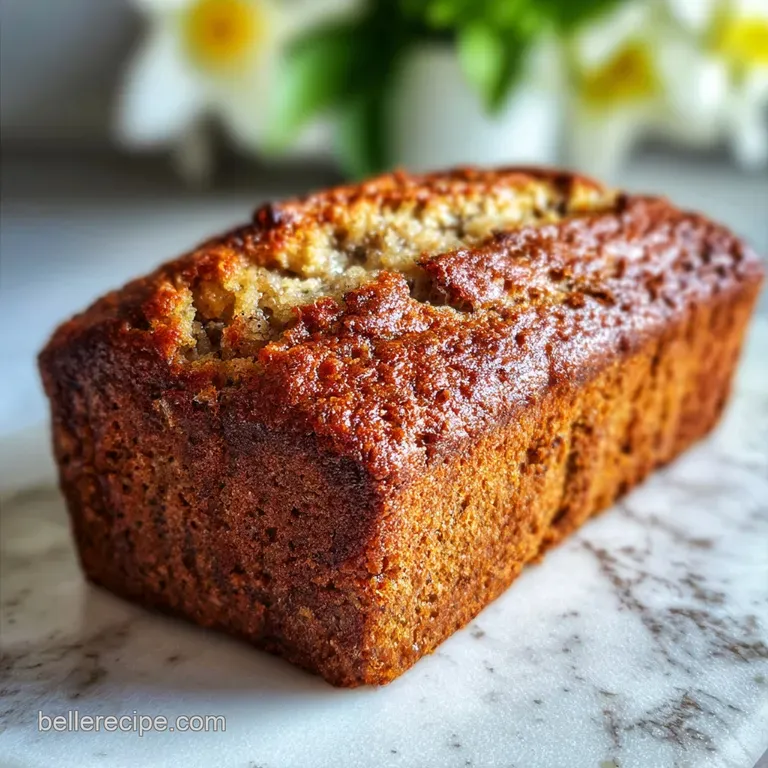
- Time: Active 15 minutes, Passive 1 hours, Total 1 hours 15 minutes
- Flavor/Texture Hook: Velvety crumb with a mahogany, shatter crisp crust
- Perfect for: Slow Sunday mornings or thoughtful sharing with neighbors
The aroma of darkening bananas and warm Ceylon cinnamon hitting a hot oven is the ultimate olfactory hug. I remember the first time I realized that those blackened, slightly weeping bananas on the counter weren't trash they were liquid gold.
I’d spent years throwing them away, thinking I’d missed the window, until a neighbor showed me how the starches convert to intense, syrupy sugar as the skin turns spotted.
Now, whenever I see a bunch of bananas starting to look a bit "past it," I don't feel guilt; I feel excitement. We’re going to transform those humble, bruised fruits into something so comforting and reliable that you'll find yourself buying extra bananas just so you can let them rot a little.
It’s mindful baking at its best taking something forgotten and making it the star of the kitchen.
Trust me, we aren't looking for "yellow with a few spots" here. We want bananas that look like they’ve seen better days. That’s where the magic happens. We’re going to combine that natural sweetness with a few smart swaps, like avocado oil for a supple texture and sour cream for a slight tang that cuts through the sugar.
It's a simple process, but the results are anything but ordinary.
Timing and Texture Reference Guide
The Physics of the Velvety Crumb: The combination of sour cream and baking soda creates a chemical reaction that produces carbon dioxide bubbles, lifting the dense banana mash.
Meanwhile, the avocado oil remains liquid at room temperature, ensuring the bread never feels "tight" or dry even after 48 hours.
- Amylase Breakdown: As bananas over ripen, enzymes convert complex starches into simple sugars, providing the "gooey" moisture that flour alone can't replicate.
- Starch Gelatinization: During the 1 hours bake, the flour starches absorb the moisture from the eggs and bananas, setting the structure without making it tough.
- Maillard Reaction: The coconut sugar reacts with the proteins in the egg to create that deep, dark mahogany crust that smells like toasted caramel.
- Fat Suspension: Using oil instead of creamed butter means the fat coats the flour particles more evenly, inhibiting gluten development for a more tender bite.
| Method Type | Total Time | Final Texture | Best For |
|---|---|---|---|
| Fast Method (Muffins) | 40 minutes | Springy and light | Quick weekday breakfasts |
| Classic Loaf (This Recipe) | 1 hours 15 mins | Dense and velvety | Slow brunch or gifting |
| Cold Start Method | 1 hours 30 mins | Extra thick crust | Those who love the "end piece" |
Whether you are in a rush or have the whole morning to linger, the way you apply heat changes everything. If you find yourself enjoying the process of making loaves, you might also want to try this Heavenly Homemade White recipe for your weekly sandwich needs. The patience required for bread to rise is a beautiful way to practice mindfulness in the kitchen.
Selecting the Best Raw Components
| Ingredient | Science Role | Pro Secret |
|---|---|---|
| 350g Extra ripe Bananas | Primary humectant and sweetener | Freeze and thaw them first to release even more syrup. |
| 190g All purpose Flour | Structural scaffold | Sift it with the soda to prevent "metallic" pockets. |
| 60g Sour Cream | Acidic tenderizer | Use room temperature cream to keep the batter emulsified. |
| 100g Coconut Sugar | Hygroscopic sweetener | It adds a hint of molasses flavor that white sugar lacks. |
- 350g extra ripe bananas (approx. 3 to 4 bananas): Use fruit that is soft and heavily spotted. Why this? Higher sugar content and easier to mash into a smooth pudding.
- 80ml avocado oil: A neutral, high smoke point oil. Why this? Keeps the crumb supple longer than butter based recipes.
- 60g full fat sour cream: Adds moisture and acidity. Why this? It reacts with the baking soda for a better rise.
- 1 large egg, room temperature: The primary binder. Why this? Room temp eggs incorporate without curdling the fats.
- 1 tsp pure vanilla extract: A flavor enhancer.
- 100g coconut sugar: A lower glycemic, flavorful sugar.
- 190g all purpose flour: The base of our bread.
- 1 tsp baking soda: Our leavening agent.
- 0.5 tsp sea salt: To balance the sweetness.
- 1 tsp ground Ceylon cinnamon: For warm, floral notes.
- 60g chopped toasted walnuts: For a necessary textural contrast.
Tools for a Flawless Bake
You don't need a professional pastry kitchen for this, but a few specific items make the journey easier. A standard 9x5-inch (23x13 cm) loaf pan is the classic choice here. I highly recommend using a digital scale to measure your ingredients in grams; it's the only way to ensure the ratio of 350g of banana is exact every single time.
A sturdy whisk and a silicone spatula are your best friends for the "folding" stage. If you have a stand mixer (like a KitchenAid), you can use the paddle attachment on low, but honestly, doing this by hand prevents over mixing.
Also, don't forget the parchment paper lining the pan with a "sling" makes removing the loaf a breeze once it’s done.
Chef's Tip: Toast your walnuts in a dry skillet for 3-5 minutes until they smell like heaven before adding them to the batter. This small step keeps them from tasting "dusty" inside the bread.
step-by-step Method Explained
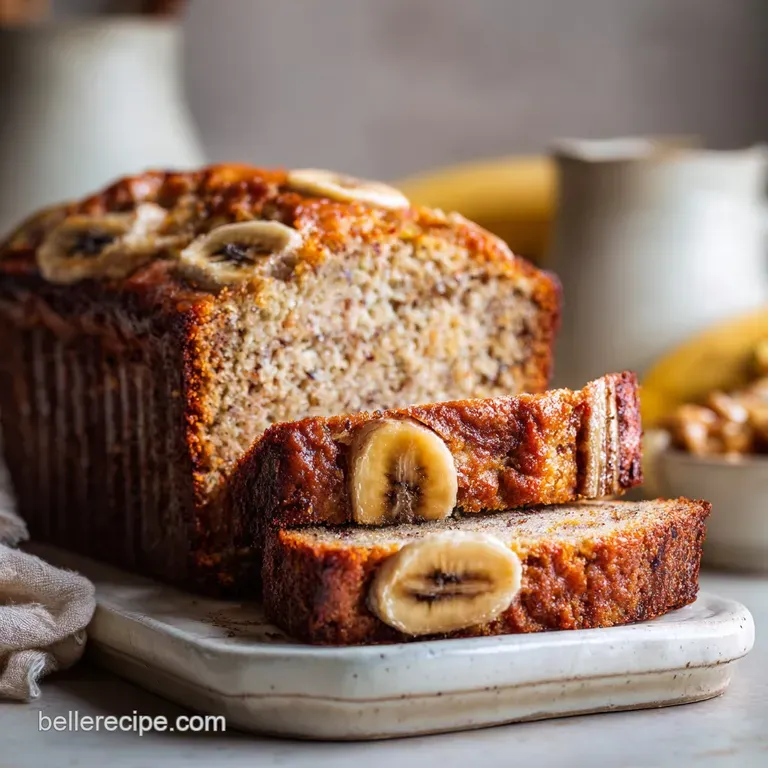
- Prep the oven. Preheat your oven to 175°C (350°F) and line your loaf pan with parchment paper.
- Mash the fruit. In a large bowl, mash the 350g bananas until they reach a smooth, liquid like consistency. Note: A few small lumps are fine, but aim for a pudding texture.
- Whisk the wet. Add the 80ml avocado oil, 60g sour cream, 1 egg, and 1 tsp vanilla extract to the bananas. Mix until the yellow of the egg disappears completely.
- Incorporate sugar. Whisk in the 100g coconut sugar. The mixture should look glossy and dark brown.
- Sift the dry. In a separate medium bowl, whisk together the 190g flour, 1 tsp baking soda, 0.5 tsp sea salt, and 1 tsp cinnamon.
- Fold gently. Gradually add the dry ingredients to the wet. Fold using a spatula just until no white streaks remain. Note: Over mixing here will make the bread rubbery.
- Add texture. Gently fold in the 60g toasted walnuts.
- Bake. Pour the batter into the prepared pan and bake for 1 hours. The top should be mahogany brown and a skewer should come out clean.
- Cooling. Let the loaf rest in the pan for 10 minutes before lifting it out. Listen for the "crackle" as the crust settles.
Preventing Common Baking Failures
Why Your Bread Sinks in the Middle
This is usually caused by opening the oven door too early. The rush of cool air collapses the delicate air bubbles before the starches have set. It can also happen if your baking soda is expired always check the date!
Dealing with a Gummy Bottom
If the bottom of your loaf feels wet or dense, you likely had too much banana moisture or didn't bake it long enough. Every oven is different, so if the top is browning too fast but the center is raw, tent the loaf with foil and keep baking. It's similar to the moisture balance needed in this How to Bake recipe, where the water content of the vegetables dictates the final crumb.
| Problem | Root Cause | Solution |
|---|---|---|
| Dry/Crumbly Texture | Too much flour or over baking | Measure flour by weight; check doneness 5 mins early |
| Sunken Center | Under baked or too much leavening | Use an oven thermometer; level your teaspoons |
| No Rise | Expired baking soda | Test soda in vinegar; it should bubble instantly |
Common Mistakes Checklist
- ✓ Ensure bananas are soft and spotted (not just yellow) to provide enough moisture.
- ✓ Measure the oil and sour cream precisely to maintain the fat to acid ratio.
- ✓ Avoid over mixing once the flour hits the wet ingredients to prevent gluten toughening.
- ✓ Use a "foil tent" if the top browns before the 1 hours mark is reached.
- ✓ Let the bread cool completely before slicing to let the internal structure set.
Modifications for Special Dietary Needs
When you're scaling this recipe down for a smaller household, you can easily halve the ingredients and bake them in a smaller 6 inch pan, reducing the bake time by about 15 minutes.
If you are doubling the batch to share with friends, keep the spices at 1.5x rather than a full 2x to prevent the cinnamon from becoming overpowering.
For a vegan variation, replace the egg with a "flax egg" (1 tbsp ground flax mixed with 3 tbsp water) and use a vegan coconut based sour cream. The texture will be slightly denser but still incredibly flavorful. If you want a chocolatey twist, add 80g of dark chocolate chips it's a crowd pleaser every time.
| Modification | Ingredient Swap | Why It Works |
|---|---|---|
| No Butter | 80ml Avocado Oil | Keeps the bread moist even when refrigerated |
| Egg Free | 1 Flax Egg (1tbsp flax + 3tbsp water) | Provides binding properties with a nutty undertone |
| Refined sugar-free | 100g Coconut Sugar | Adds a natural caramel like sweetness |
Storing and Utilizing Every Crumb
Store this loaf in an airtight container at room temperature for up to 3 days. After that, move it to the fridge for another 4 days. If you find it's getting a bit dry toward the end of the week, toast a thick slice and slather it with salted butter the heat revives the fats and makes it feel fresh again.
For zero waste, take those little heels or crumbs that no one wants to eat and pulse them in a blender. You can use them as a "sweet" version of the crumbs in this How to Make recipe to top yogurt or ice cream. You can also freeze individual slices wrapped in parchment paper for up to 3 months; just pop a frozen slice directly into the toaster for an instant breakfast.
Finishing Touches and Flavor Pairings
Achieving the Mahogany Crust
The secret to that dark, professional looking crust is the coconut sugar. Because it caramelizes at a lower temperature than white sugar, it gives the bread a rich color without burning the interior.
If you want an extra "shatter" on top, sprinkle a tablespoon of coarse sugar over the batter before it goes into the oven.
Myths About Leavening
Many people think that adding extra baking soda will make the bread fluffier. In reality, too much soda will leave a soapy, metallic aftertaste and can actually cause the bread to rise too fast and then collapse. Stick to the 1 tsp measurement for the best structural integrity.
This bread is best served slightly warm, perhaps with a smear of honey butter or even a dollop of Greek yogurt on the side to contrast the sweetness. If you're feeling adventurous, a thin layer of almond butter takes the toasted walnut flavor to a whole new level.
Sharing a loaf of this is like sharing a piece of your home simple, honest, and truly comforting.
Troubleshooting Your Loaf
- Problem: The bread is too dark on the outside but raw in the middle.
- Cause: Oven temperature is too high.
- Fix: Lower the temp by 10 degrees and tent the top with aluminum foil.
- Problem: The walnuts all sank to the bottom.
- Cause: Batter was too thin or walnuts were too heavy.
- Fix: Toss the walnuts in a teaspoon of flour before folding them in.
- Problem: The bread is very "heavy" and didn't rise.
- Cause: You likely over mixed the batter or the bananas were too cold.
- Fix: Mix by hand and ensure all ingredients are at room temperature.
Baking should be a joy, not a chore. If your loaf doesn't look like a magazine photo the first time, don't worry it will still taste like a dream. The more you bake it, the more you'll learn the specific "language" of your own oven. Enjoy the process and the lingering scent of cinnamon in your kitchen!
Recipe FAQs
What is the secret to making good banana bread?
Using extremely overripe bananas is crucial. The darker the peel, the more starches have converted to intense, syrupy sugar, which provides incomparable moisture and sweetness to the final loaf.
What is the number one mistake made when making banana bread?
Overmixing the batter after adding the flour. This develops gluten too much, resulting in a tough, rubbery bread instead of a tender crumb. Fold gently until just combined to maintain tenderness.
What are the core ingredients of banana bread?
Overripe bananas, flour, sugar, eggs, and a fat source like oil or butter. We also rely on a chemical leavener, usually baking soda, activated by an acid like sour cream for lift.
Is brown sugar or white sugar better for banana bread?
Coconut sugar or brown sugar is generally better. They retain molasses, which is hygroscopic, meaning it attracts and holds onto moisture, keeping the bread softer for longer.
How to ensure the banana bread doesn't sink in the middle?
Bake until the skewer test is clean and avoid opening the oven door prematurely. Opening the door lets cool air rush in, causing the soft, unset structure to collapse instantly.
Can I substitute oil for butter in this recipe?
Yes, substituting oil for butter results in a moister, more tender loaf. Oil remains liquid at room temperature, preventing the bread from feeling tight or dry, a principle similar to why oil is preferred in this Sourdough Baguette Recipe for ultimate suppleness.
Is it true that I must use room temperature eggs for the best results?
Yes, using room temperature eggs is strongly recommended. Cold eggs lower the batter temperature, which can cause the fats (like the oil and sour cream) to seize up and prevent a smooth, stable emulsion from forming.
Moist Banana Bread Recipe
Ingredients:
Instructions:
Nutrition Facts:
| Calories | 219 kcal |
|---|---|
| Protein | 3.6 g |
| Fat | 11.1 g |
| Carbs | 27.8 g |
| Fiber | 1.6 g |
| Sugar | 13.9 g |
| Sodium | 156 mg |
