Monkey Bread Recipe
- Time: Active 45 mins, Passive 1 hours 30 mins, Total 2 hours 15 mins
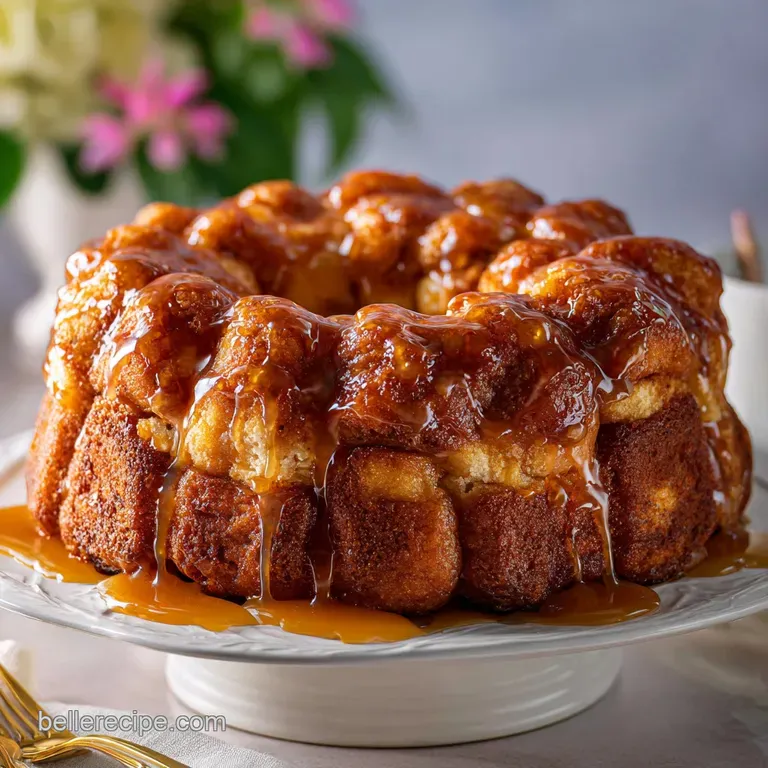
- Flavor/Texture Hook: Oozing caramel meets airy, velvety crumb
- Perfect for: Holiday brunch or slow Sunday mornings
- Creating Lasting Memories With This Monkey Bread Recipe
- The Physics of Caramelized Tension
- Measuring Success Before You Start
- Selecting Your Elements Mindfully
- Essentials For Your Best Bake
- Transforming Dough Into Golden Orbs
- Solving Common Baking Mishaps
- Creative Flavor Profile Shifts
- Mindful Storage And Zero Waste
- Final Touches For Sharing
- Monkey Bread Recipe FAQs
- 📝 Recipe Card
Creating Lasting Memories With This Monkey Bread Recipe
The air in my kitchen was thick with the scent of singed sugar and the sharp, metallic tang of a smoke alarm. It was Christmas 2018, and I had just attempted my first ever monkey bread recipe for a house full of hungry relatives.
I thought I could eyeball the glaze, but the butter bubbled over the rim of the pan, hitting the oven floor with a sizzle that sounded like a warning. When I finally pulled the pan out, the bottom was a charcoal brick, while the center remained a gummy, raw mess.
That disaster taught me that baking isn't just about heat; it's about the mindful dance between sugar and timing. I spent the next three years refining the process, learning exactly how to stack those dough balls so they bake evenly without turning into a sodden heap.
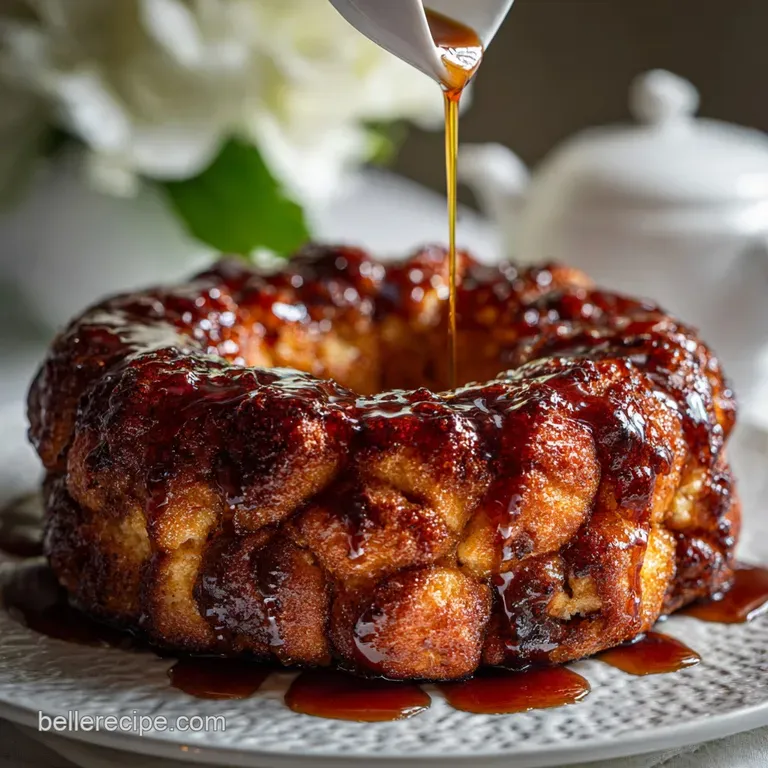
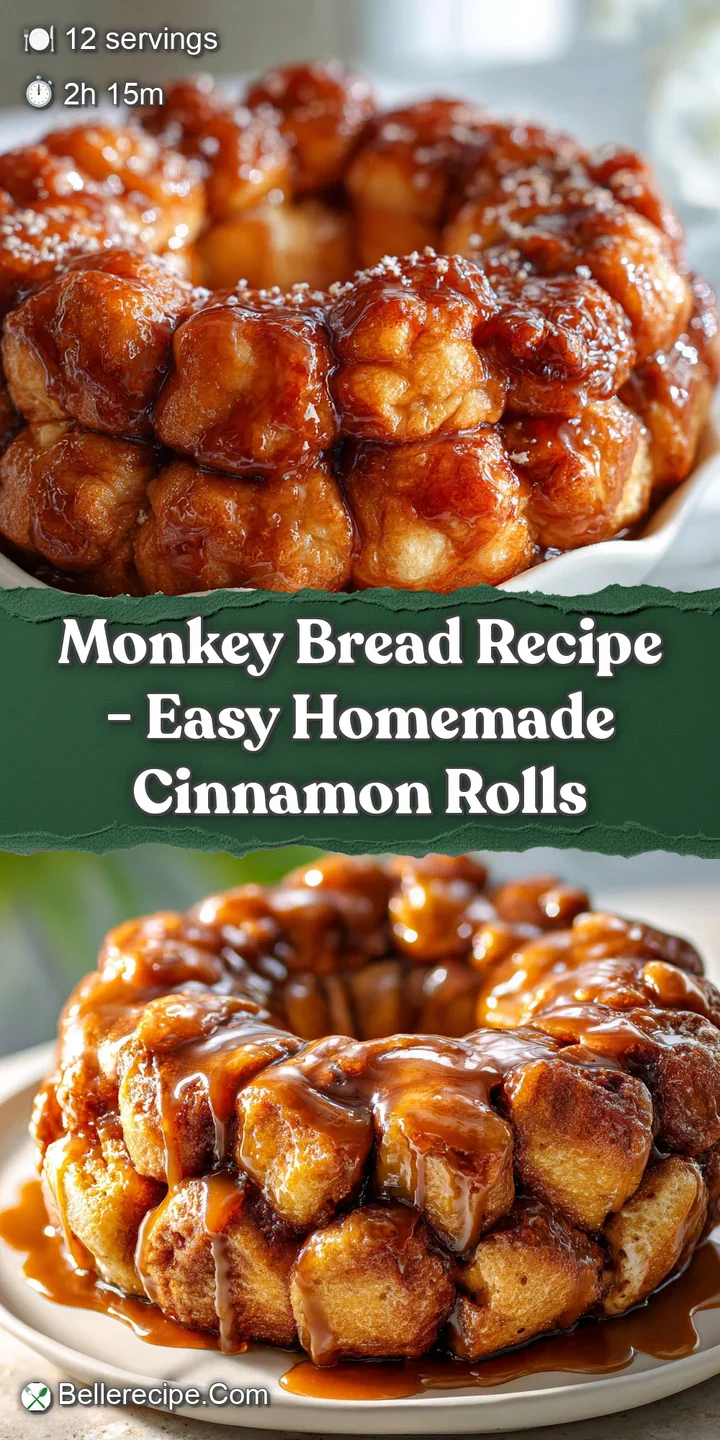
There's something truly special about pulling a warm Bundt pan out of the oven and seeing that golden, crackling glaze glistening in the light. It’s a dish meant for sharing, meant for sticky fingers and laughter over a crowded table.
Now, when I smell cinnamon and melting butter, I don't think of smoke alarms. I think of the quiet joy of kneading dough while the sun comes up. We're going to skip the store-bought biscuits today because the texture of a homemade yeasted dough is incomparable.
It’s soft, slightly tangy, and has a pull apart quality that canned dough simply can't mimic. Trust me, the extra hour of rising is where the magic happens.
The Physics of Caramelized Tension
Science plays a vital role in ensuring your bread doesn't turn into a structural failure. Understanding these mechanisms helps you troubleshoot before the pan even hits the oven.
- Thermal Convection: The central tube of a Bundt pan allows heat to reach the middle of the dough stack, preventing a raw, doughy center while the outside sugar coats shatter.
- Osmotic Pressure: Coating dough balls in sugar draws out a tiny amount of moisture, which then mingles with the melting butter to create a self basting syrup during the bake.
- Starch Gelatinization: As the dough hits 180°F, the starches in the flour swell and set, providing the structural strength needed to support the heavy weight of the caramel glaze.
Measuring Success Before You Start
Knowing when your bread is actually finished is the hardest part of this recipe. Use this table to guide your visual and tactile cues so you don't end up with a raw middle.
| Thickness | Internal Temp | Rest Time | Visual Cue |
|---|---|---|---|
| 3 inch stack | 190°F | 10 mins | Glaze bubbles slowly and looks thick |
| 4 inch stack | 195°F | 15 mins | Top orbs are deep mahogany and firm |
| 5 inch stack | 200°F | 15 mins | Edges pull away slightly from the pan |
Selecting Your Elements Mindfully
The quality of your ingredients will dictate the final crumb. We aren't just making a snack; we're creating a centerpiece. For the dough foundation, I often use techniques similar to my Heavenly Homemade White recipe to ensure the structure is light enough to carry the sugar.
| Ingredient | Science Role | Pro Secret |
|---|---|---|
| Whole Milk (240ml) | Softens the crumb via fat content | Scald the milk first to denature proteins for a higher rise. |
| Active Dry Yeast (7g) | Provides the leavening gas | Bloom it in 110°F milk; anything hotter kills the culture. |
| Dark Brown Sugar (170g) | Adds moisture and deep molasses notes | Pack it tight to ensure the ratio of molasses to sugar is high. |
| Unsalted Butter (290g total) | Controls the "shatter" of the crust | Use high fat European style butter for a more velvety mouthfeel. |
For the dough, you'll need 480g of all purpose flour. If you only have bread flour, the result will be chewier almost like a bagel so stick to all purpose for that signature softness. The 50g of sugar in the dough isn't just for sweetness; it feeds the yeast, helping it thrive during the long rise.
When it comes to the coating, the 200g of granulated sugar mixed with 15g of ground cinnamon creates a textured barrier. This prevents the dough balls from fusing into one solid loaf, allowing them to pull apart easily.
If you find yourself out of white sugar, you can use light brown sugar, but the exterior won't have that specific "shatter" crunch we're looking for.
Essentials For Your Best Bake
You don't need a professional kitchen, but a few specific tools make this monkey bread recipe much easier to manage.
- 10 inch Bundt Pan: A heavy duty, non stick version is your best friend here. If you use a thin, dark pan, the sugar might burn before the middle is cooked.
- Small Saucepan: For melting the 115g of butter and whisking in the 170g of dark brown sugar for the final glaze.
- Digital Thermometer: This is the only way to be 100% sure the center is cooked to 190°F without cutting into it.
- Large Mixing Bowl: You'll need space for the 480g of flour to expand as it doubles in size.
Chef's Tip: Before you even start the dough, rub a cold stick of butter all over the inside of your Bundt pan, getting into every single crevice. Then, sprinkle a little granulated sugar inside and shake it around. This creates a "non stick" sugar shield that helps the bread slide out perfectly.
Transforming Dough Into Golden Orbs
This process is tactile and rhythmic. Don't rush the shaping of the balls; uniform sizes ensure they all finish cooking at the exact same moment.
- Warm the milk. Heat 240ml of whole milk to 110°F and whisk in 7g of active dry yeast and 50g of granulated sugar. Note: This "blooms" the yeast to ensure it's alive.
- Mix the fats. Add 60g of melted unsalted butter and 1 large egg to the yeast mixture.
- Incorporate solids. Gradually add 480g of all purpose flour and 5g of sea salt. Mix until a shaggy dough forms.
- Knead the dough. Work the dough on a floured surface for 8 minutes until it feels smooth and elastic.
- First rise. Place in a greased bowl and cover. Let it sit for 1 hours until doubled in size.
- Portion the dough. Punch down the dough and pinch off pieces to roll into 1 inch balls. Note: You should get about 40-45 balls.
- Coat in sugar. Dip each ball into 115g of melted butter, then roll in a mixture of 200g sugar and 15g cinnamon until completely encrusted.
- Layer the pan. Place the balls into your prepared Bundt pan, staggering them like bricks.
- Apply the glaze. Melt 115g of butter with 170g of dark brown sugar in a saucepan and pour it over the dough balls.
- Final bake. Bake at 350°F for 45 minutes until the top is deep golden and the glaze is thick.
The texture of these individual pieces should remind you of the softness found in a Pandesal Filipino Bread recipe, where the crumb is tight but incredibly airy. Once the timer goes off, let the pan sit for exactly 10 minutes. If you flip it too soon, the glaze will run off. If you wait too long, the sugar will harden and glue the bread to the pan forever.
Solving Common Baking Mishaps
Even seasoned bakers run into trouble with sugar heavy breads. The key is catching the issue before the bread leaves the oven.
Why Your Bread Is Raw Inside
This usually happens because the oven temperature was too high, causing the outside to look done while the interior stayed cold. If the top is getting too dark but the thermometer hasn't reached 190°F, tent the pan loosely with aluminum foil.
This deflects direct heat, allowing the center to continue steaming without burning the surface.
Why Your Bread Stuck To The Pan
This is the ultimate heartbreak. Usually, it's because the sugar cooled down too much and turned into literal cement. If your bread won't budge, put the pan back in the 350°F oven for 3 minutes. This will re melt the caramel just enough to let it slide out.
| Problem | Root Cause | Solution |
|---|---|---|
| Dry, tough crumb | Too much flour or over kneading | Measure flour by weight (480g) and stop kneading when smooth. |
| Greasy bottom | Glaze didn't emulsify | Whisk the butter and brown sugar vigorously before pouring. |
| Yeast didn't rise | Milk was too hot or cold | Use a thermometer to hit exactly 110°F for the milk. |
Common Mistakes Checklist: ✓ Never use "cold" eggs; they can shock the yeast and slow the rise. ✓ Avoid over crowding the balls; they need space to expand and breathe. ✓ Don't skip the sea salt; it balances the 250g of total sugar in the recipe.
✓ Always use a light colored pan to prevent the outer crust from carbonizing. ✓ Let the dough rise in a draft free spot, like the inside of a closed microwave.
Creative Flavor Profile Shifts
While the classic cinnamon sugar version is a staple, you can easily adapt this dough. Scaling the recipe up for a large party is simple, but remember that for baking, doubling the recipe usually requires a lower temperature (reduce by 25°F) and an extra 15-20 minutes of cook time to ensure the center isn't doughy.
The Savory Brunch Twist
If you want to move away from the sugar, skip the cinnamon coating. Instead, roll the 480g of dough balls in melted butter infused with garlic, then roll them in a mix of Parmesan cheese and chopped rosemary. This turns the dish into a savory pull apart bread that pairs beautifully with marinara sauce.
It's a great alternative if you’re looking for something less sweet.
Budget Alternatives for Toppings
If dark brown sugar is too pricey or unavailable, you can achieve a similar depth of flavor with pantry staples.
| Premium | Budget | Flavor Impact | Savings |
|---|---|---|---|
| Pure Maple Syrup | Light Corn Syrup + Maple Extract | Less complex but still very sweet | Save $5-7 |
| Vanilla Bean Paste | Imitation Vanilla Extract | Lacks black specks but smells similar | Save $10 |
| Pecan Halves | Toasted Sunflower Seeds | Nutty crunch but smaller texture | Save $4 |
If you're looking for another fun variation of stuffed dough, you might enjoy my Garbage Bread recipe, which uses a similar concept of rolling and filling dough for a crowd pleasing result.
Mindful Storage And Zero Waste
Monkey bread is undoubtedly best eaten within an hour of leaving the oven while the sugar is still "velvety" and the bread is at its softest. However, if you have leftovers, don't toss them.
Storage Guidelines:Fridge: Store in an airtight container for up to 3 days. To reheat, wrap a piece in a damp paper towel and microwave for 15 seconds. This mimics the steam of the oven and softens the sugar.
Freezer: You can freeze the baked bread for up to 2 months. Thaw it overnight in the fridge before reheating in a 300°F oven for 10 minutes.
Zero Waste Tip: If the bread gets truly stale and hard, don't throw it out. Chop the leftover chunks into 1 inch cubes and use them as the base for a decadent French toast bake.
The sugar and cinnamon are already there, so you just need a simple custard of eggs and milk to transform the "scraps" into a brand new breakfast.
Final Touches For Sharing
Before you flip the bread onto a serving platter, make sure you have your audience ready. There is a specific "sizzle" that happens when the hot caramel hits the plate, and that’s a sensory experience everyone should witness.
I've learned over the years that some people think you can't make this without a Bundt pan. That's a myth. You can use two 9x5 loaf pans; just reduce the baking time to about 30 minutes since the heat doesn't have as much mass to penetrate.
Another myth is that you must use bread flour for "chew." All purpose flour actually provides a superior, more tender pull that won't leave your jaw tired.
When you finally pull that first warm orb of dough away from the loaf, and the steam rises up with that heavy cinnamon aroma, you’ll realize why we did it all from scratch. It’s about more than just food; it’s about the patience of the rise and the reward of the shatter.
Whether it’s for a holiday or just a random Tuesday, this bread has a way of making the morning feel a little more mindful and a lot more comforting. Share it while it's warm, and don't worry about the sticky fingers that's half the fun.
Monkey Bread Recipe FAQs
What are the ingredients for monkey bread?
You'll need flour, yeast, milk, butter, sugar, cinnamon, and eggs. These form the basis for the dough balls and the sweet, sticky glaze that coats them. For the classic version, common additions include brown sugar and cinnamon for the coating and glaze.
What can I use instead of a Bundt pan for monkey bread?
Two 9x5 inch loaf pans work well. While a Bundt pan's central tube helps with even cooking, loaf pans can be used by reducing the baking time to about 30 minutes as the heat has less mass to penetrate.
Can I use Grands biscuits for monkey bread?
No, using homemade dough yields superior texture. While canned biscuits can work in a pinch, they result in a denser, less airy bread compared to the tender pull apart quality achieved with a yeasted dough, similar to the soft texture in our Pandesal Filipino Bread recipe.
Why is monkey bread made in a Bundt pan?
The central tube promotes even heat circulation. This allows the dough balls packed inside to cook through uniformly, ensuring a fully baked center and a well caramelized exterior without burning.
Why is my monkey bread raw in the middle?
This is typically due to insufficient baking time or uneven heat. Ensure your oven temperature is accurate and the internal temperature of the bread reaches at least 190°F. If the top is browning too quickly, tenting with foil can help the center cook through.
How do I prevent monkey bread from sticking to the pan?
Thoroughly grease and sugar the Bundt pan beforehand. Rubbing the pan with butter and then dusting it with granulated sugar creates a non-stick barrier that helps the caramel glaze release cleanly after baking.
Can I make monkey bread ahead of time?
Yes, you can prepare the dough balls and coat them. However, assemble and bake the monkey bread shortly before serving for the best texture, as the glaze can become hard if left to sit too long after baking.
Monkey Bread Recipe
Ingredients:
Instructions:
Nutrition Facts:
| Calories | 477 kcal |
|---|---|
| Protein | 5.4 g |
| Fat | 21.1 g |
| Carbs | 66.4 g |
| Fiber | 1.8 g |
| Sugar | 36.2 g |
| Sodium | 215 mg |
