Pasta Recipe Pasta: Silky Butter Sauce
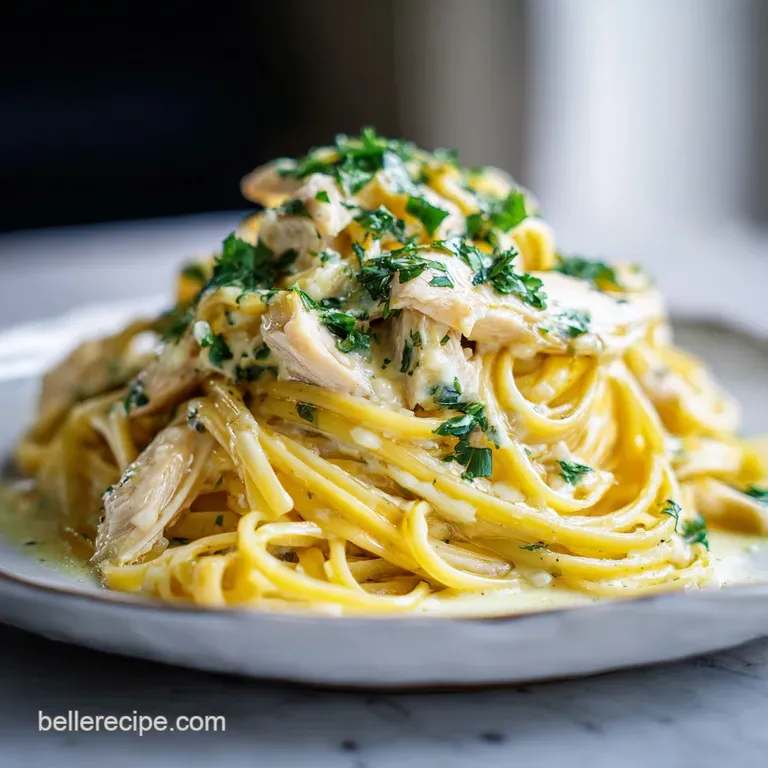
- Time: Active 10 minutes, Passive 15 minutes, Total 25 minutes
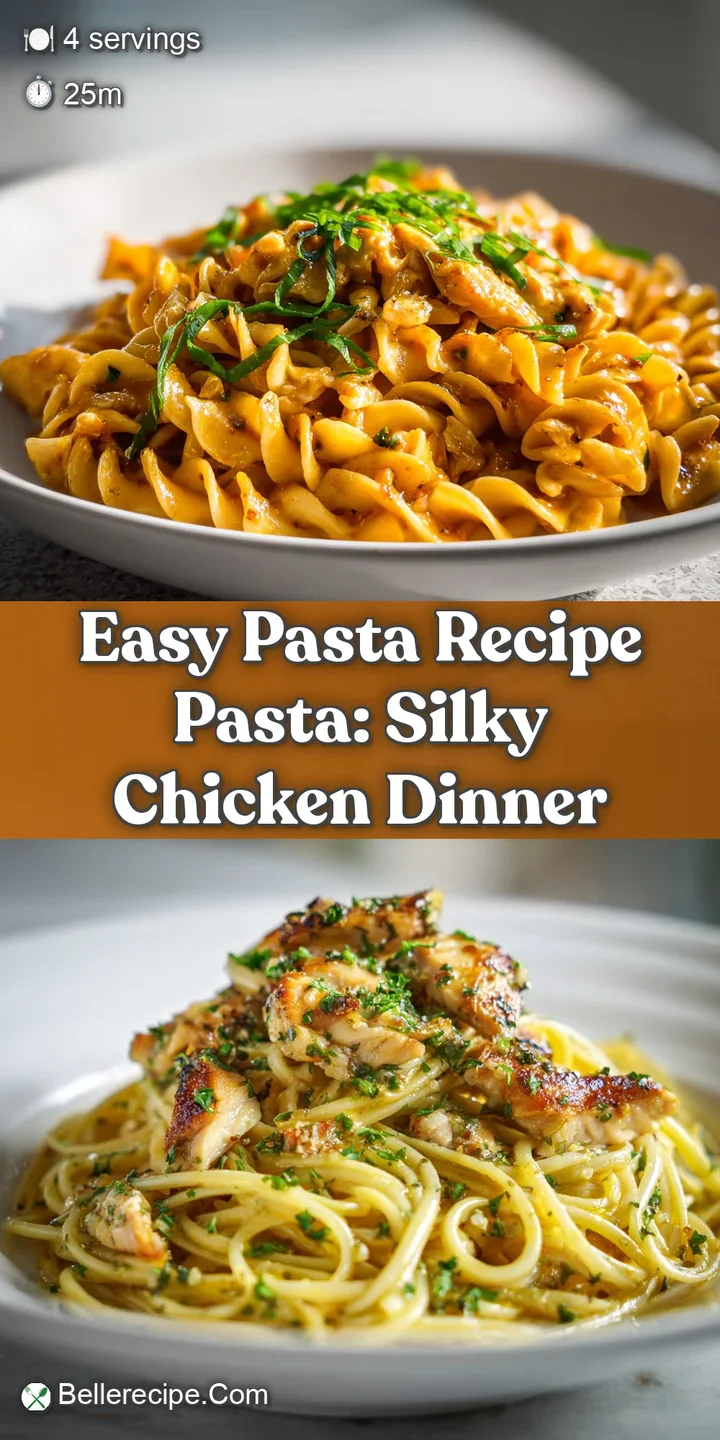
- Flavor/Texture Hook: Silky butter sauce with golden, garlicky chicken
- Perfect for: Busy weeknights, budget conscious meal prep, or beginner cooks
- Creating the Most Comforting Budget Friendly Pasta Recipe Pasta
- Understanding the Science Behind This Silky Sauce
- Essential Preparation Specs for Your Simple Dinner
- Selecting the Best Simple Pantry Elements Needed
- Essential Kitchen Tools for Effortless Weeknight Cooking
- Bringing Together Your Mindful and Comforting Meal
- Troubleshooting Common Hurdles for a Flawless Finish
- Adjusting the Recipe for Larger or Smaller Gatherings
- Debunking Old Kitchen Tales
- Storing and Keeping Your Leftovers Freshly Preserved
- Selecting Mindful Pairings for Your Complete Meal
- High in Sodium (⚠️)
- Recipe FAQs
- 📝 Recipe Card
Creating the Most Comforting Budget Friendly Pasta Recipe Pasta
Close your eyes and imagine the sound of a hot pan meeting thinly sliced chicken that rhythmic sizzle that tells you dinner is well on its way. I remember the first time I tried making this for a friend who was having a rough week.
I didn't have much in the fridge, just some pasta, a few cloves of garlic, and some chicken breast, but the aroma of that garlic softening in olive oil filled the whole kitchen with instant comfort.
There is something so mindful and grounding about the process of slicing garlic into paper thin translucent rounds. You don't need fancy tools or expensive imports to make a meal that feels special.
This pasta recipe pasta is all about taking those humble ingredients we all have and treating them with just a little bit of extra love to get a result that feels truly nourishing.
We've all been there where the sauce just slides off the noodles or the garlic turns bitter and burnt. Trust me, I've made those mistakes more times than I can count. But today, we're going to walk through the simple steps to ensure every strand of linguine is coated in a velvety, shimmering sauce that clings perfectly.
It's a simple, honest dish that proves you don't need a massive budget to eat like royalty.
Understanding the Science Behind This Silky Sauce
- Emulsification: When you whisk starchy pasta water into the fat (butter and oil), the starch acts as a bridge that binds the oil and water together into a creamy sauce.
- Maillard Reaction: Searing the chicken medallions at a high heat creates a golden brown crust that develops deep savory notes without drying out the meat.
- Carryover Cooking: Removing the chicken just as it hits its peak ensures it stays juicy while the residual heat finishes the job as it rests.
- Starch Gelatinization: The 2 tbsp sea salt in the boiling water doesn't just season the noodles; it helps the pasta surface release the right amount of starch for the sauce to cling to.
| Method | Time | Texture | Best For |
|---|---|---|---|
| Traditional Sauté | 15 minutes | Silky and light | Quick weeknight dinners |
| Shortcut (One Pot) | 12 minutes | Thicker, starchier | Minimal cleanup |
| Slow Garlic Infusion | 20 minutes | Deep, mellow flavor | When you have extra time |
If you find yourself craving a bit of variety, this base is incredibly flexible. You can easily swap the chicken for shrimp or even chickpeas for a budget friendly protein boost. For those who enjoy a bit of heat, adjusting the red pepper flakes can transform the dish from a mellow comfort meal into something with a bright, spicy kick.
Essential Preparation Specs for Your Simple Dinner
| Component | Science Role | Pro Secret |
|---|---|---|
| Pasta Water | Primary Emulsifier | Save twice as much as you think you'll need. |
| Cold Butter | Fat Stabilization | Adding it cold at the very end creates a "monte au beurre" gloss. |
| Fresh Garlic | Aromatic Base | Slice, don't press, to prevent the garlic from burning too quickly. |
Using the right fat is crucial for the searing process. While olive oil is great for flavor, starting your chicken in 1 tbsp avocado oil allows for a higher smoke point, ensuring your chicken gets that beautiful color without the oil breaking down. If you're looking for another quick meal that uses similar pantry logic, our Aglio e Olio Recipe is another fantastic way to practice your sauce emulsifying skills.
Selecting the Best Simple Pantry Elements Needed
- 1.5 lbs chicken breast: Sliced into thin medallions for fast, even cooking. Why this? Chicken breast is lean, high protein, and cooks in under 5 minutes.
- Substitute: 1.5 lbs chicken thighs for a juicier, more forgiving meat.
- 1 lb dried linguine: The flat surface area is ideal for catching the garlic oil. Why this? It provides a more satisfying bite than thinner spaghetti.
- Substitute: Fettuccine or any long, flat noodle.
- 8 cloves fresh garlic: Thinly sliced to infuse the oil gently. Why this? Slicing provides a mellow sweetness rather than a sharp bite.
- Substitute: 2 tsp garlic powder (though the flavor will be less vibrant).
- 0.25 cup extra virgin olive oil: The backbone of our sauce's flavor. Why this? It adds a fruity, peppery finish that butter alone lacks.
- Substitute: Grapeseed oil if you prefer a more neutral taste.
- 4 tbsp unsalted butter: Must be chilled and cubed. Why this? Cold butter melts slowly to help the emulsion stay stable.
- Substitute: Vegan butter or an extra 2 tbsp of olive oil.
- 0.5 cup freshly grated Parmigiano Reggiano: For a salty, nutty finish. Why this? Real Parmesan melts smoothly into the sauce without clumping.
- Substitute: Pecorino Romano for a tangier, saltier profile.
- 0.5 cup fresh Italian parsley: Adds brightness and a pop of green. Why this? It cuts through the richness of the butter and oil.
- Substitute: Fresh basil or a teaspoon of dried oregano.
- 0.5 tsp red pepper flakes: For a subtle warmth. Why this? It balances the savory garlic and rich cheese.
- Substitute: A pinch of cayenne or black pepper.
Essential Kitchen Tools for Effortless Weeknight Cooking
You don't need a professional kitchen to pull this off, but a few key items make the process much smoother. I always recommend using a large stainless steel or cast iron skillet for the chicken.
This helps you get that beautiful shatter on the edges of the meat that non stick pans sometimes struggle with. You'll also want a large pot to give the linguine plenty of room to dance in the water, which prevents sticking.
A good chef's knife is your best friend here, especially for getting those garlic cloves as thin as possible. If you find your garlic sticking to the knife, a tiny drop of oil on the blade can help.
Don't forget a sturdy pair of tongs to toss everything together this is the secret to getting every noodle perfectly coated in that velvety sauce.
Bringing Together Your Mindful and Comforting Meal
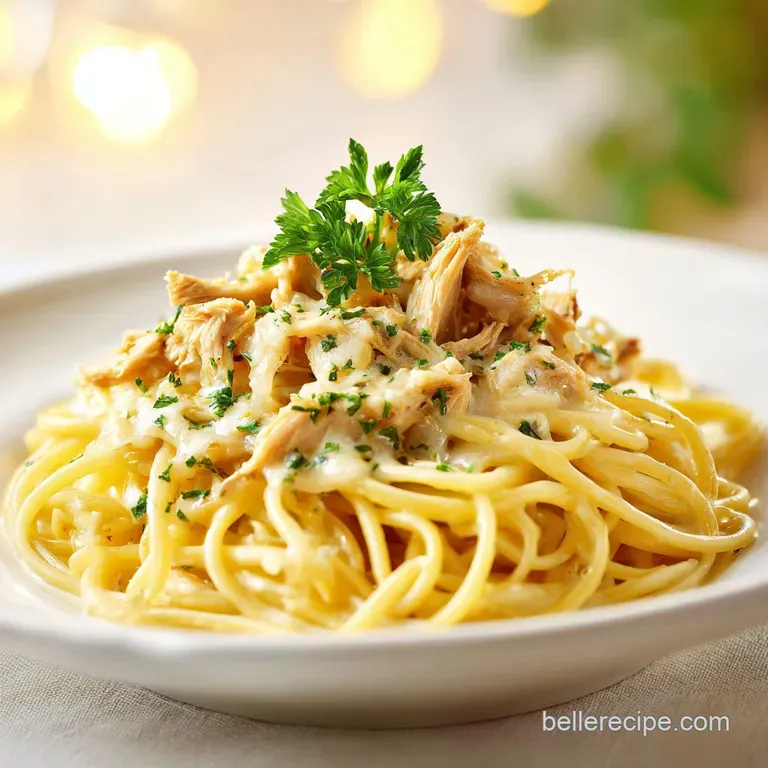
- Prep the chicken. Pat the 1.5 lbs chicken medallions dry with a paper towel. Note: Dry meat sears; wet meat steams.
- Season well. Sprinkle the chicken with 1 tsp kosher salt and 0.5 tsp cracked black pepper.
- Sear the protein. Heat 1 tbsp avocado oil in a large skillet over medium high heat. Cook chicken for 2-3 minutes per side until golden and opaque, then move to a plate to rest.
- Boil the pasta. In a large pot, bring water and 2 tbsp sea salt to a boil. Add 1 lb linguine and cook for 8-9 minutes until just shy of al dente.
- Save the gold. Before draining, scoop out at least 2 cups of the cloudy pasta water.
- Infuse the oil. In the same skillet used for chicken, add 0.25 cup olive oil and the 8 cloves of sliced garlic over medium low heat. Cook for 3-4 minutes until the garlic is fragrant and pale gold.
- Spice it up. Stir in 0.5 tsp red pepper flakes for 30 seconds.
- Create the emulsion. Pour 0.5 cup of the reserved pasta water into the skillet. Increase heat to medium and whisk until the liquid bubbles and slightly thickens.
- Combine. Add the drained linguine and the cooked chicken (plus any juices) back into the skillet.
- The finish. Remove from heat. Toss in the 4 tbsp chilled butter cubes, 0.5 cup parsley, and 0.5 cup Parmigiano Reggiano, adding more pasta water as needed until the sauce is glossy and coats every noodle.
Chef's Tip: Freeze your butter for 10 minutes before cubing it. The colder the butter, the more effectively it will emulsify into the pasta water without "breaking" into a greasy puddle.
Troubleshooting Common Hurdles for a Flawless Finish
The Sauce is Greasy
If you see oil pooling at the bottom of the pan instead of a creamy coating, your emulsion has broken. This usually happens if the pan is too hot when the butter is added or if there isn't enough starchy water to bind the fats.
The Garlic Tastes Bitter
Garlic can go from perfect to burnt in a matter of seconds. If your garlic has turned a dark, crunchy brown, it will taste acrid. It is better to start over than to ruin the whole dish with bitter garlic notes.
| Problem | Root Cause | Solution |
|---|---|---|
| Dry Pasta | Not enough pasta water | Add reserved water 0.25 cup at a time while tossing. |
| Clumpy Cheese | Added to direct heat | Remove pan from heat before stirring in the cheese. |
| Rubbery Chicken | Overcooked | Sear quickly at high heat and remove as soon as white throughout. |
If you're looking to expand your pasta skills even further, you might enjoy the creamy textures in our Chicken Parmesan Penne recipe, which uses a similar protein first approach.
Common Mistakes Checklist:
- ✓ Pat chicken completely dry before searing to ensure a golden crust.
- ✓ Do not rinse the pasta after draining; you need those starches!
- ✓ Use a timer for the garlic never leave it unattended.
- ✓ Ensure the butter is cold from the fridge when it hits the pan.
- ✓ Let the chicken rest for 3 minutes before adding it back to the pasta.
Adjusting the Recipe for Larger or Smaller Gatherings
When you are cooking for one or two, this recipe is very easy to cut in half. Use a smaller skillet so the olive oil and garlic don't spread too thin and burn. Since you'll have less pasta water, be even more mindful about saving every drop.
If the recipe calls for half an egg (though not this one!), just beat it in a cup and pour out half.
For a larger crowd, say 8 people, you'll want to work in batches. Sear the chicken in two separate goes so the pan doesn't get overcrowded if there’s too much meat, it will release moisture and boil rather than sear.
For the spices, I recommend only increasing them to 1.5x the original amount and tasting as you go, as heat can build up quickly in larger volumes.
Debunking Old Kitchen Tales
One common myth is that adding oil to the pasta water prevents the noodles from sticking. In reality, it just makes the pasta greasy and prevents this recipe pasta sauce from clinging to the strands.
The only thing that truly prevents sticking is using a large enough pot and stirring occasionally during the first 2 minutes of boiling.
Another myth is that you must rinse pasta to stop the cooking process. Rinsing washes away the precious surface starch that we need to create our velvety emulsion. Instead, just pull the pasta out a minute early and let it finish cooking directly in the sauce.
Storing and Keeping Your Leftovers Freshly Preserved
This dish is best enjoyed fresh, but leftovers can be kept in an airtight container in the fridge for up to 3 days. Because the butter sauce will solidify when cold, it might look a bit unappealing at first, but don't worry!
To reheat, add a splash of water or a tiny knob of butter to a pan and toss the pasta over low heat until it becomes shimmering and silky again.
For zero waste, don't throw away those parsley stems! You can finely mince them and add them to the garlic and oil at the beginning of the cook for an extra punch of flavor. If you have leftover chicken carcasses from another meal, save them in the freezer to make a stock that can replace the pasta water in future recipes for even more depth.
Selecting Mindful Pairings for Your Complete Meal
- If you want a light crunch, pair this with a simple arugula salad tossed in lemon and olive oil.
- If you want a heartier meal, serve this with a side of roasted broccoli or sautéed spinach.
- If you want a classic experience, you can't go wrong with a piece of crusty sourdough bread to swipe up any leftover garlic butter at the bottom of the bowl.
This dish is so versatile that it fits almost any occasion. Whether it's a quiet Tuesday night or a small gathering of friends, it brings a sense of warmth and accomplishment to the table. Cooking shouldn't be stressful it should be a mindful transition from the chaos of the day into a moment of shared comfort.
Happy cooking!
High in Sodium (⚠️)
920 mg mg of sodium per serving (40% % of daily value)
American Heart Association recommendation about 2,300mg limit
Tips to Reduce Sodium
-
Reduce Cheese-15%
Parmigiano Reggiano is a significant sodium source. Reduce the amount used from 0.5 cup to 0.25 cup, or substitute with a low-sodium cheese alternative to significantly lower the sodium content. Taste and add more if needed!
-
Cut Back on Salt-25%
The recipe uses both kosher salt and sea salt. Reduce the kosher salt to 0.5 tsp and eliminate the 2 tbsp of sea salt for the pasta water. Taste the pasta after cooking and add salt if needed.
-
Rinse Pasta-5%
After cooking the linguine, rinse it briefly with water to remove excess starch and some surface sodium. This can help reduce the overall sodium content. Be careful not to over rinse, as it can affect the sauce adhesion.
-
Enhance with Herbs
Instead of relying on salt for flavor, experiment with other herbs and spices. Increase the amount of fresh Italian parsley or add other herbs like basil or oregano for a more flavorful dish. Herbs and spices do not contain sodium.
Recipe FAQs
What are the top 10 pasta dishes?
No definitive list exists, but classics include Cacio e Pepe, Carbonara, and Bolognese. Home cooks often gravitate toward simple, high flavor dishes that highlight technique, like the garlic infusion used in this base recipe. For a different, lighter approach, consider our Avoid Soggy Pasta Salad recipe for gatherings.
What is the traditional ratio of egg to flour for fresh pasta dough?
The standard starting ratio is 1 large egg per 100g of '00' flour. This provides the ideal hydration and binding for smooth, elastic dough. Using this ratio ensures you master the texture before moving onto more complex additions like semolina.
What are the 4 main ingredients often found in a basic Italian pasta sauce?
Tomatoes, garlic, olive oil, and basil are the core four for many classic red sauces. However, for butter or oil-based sauces like this recipe, the core becomes fat (oil/butter), aromatic (garlic), starch (pasta water), and seasoning (salt/cheese). If you prefer a rich meat sauce, try our Parmesan Meatloaf Recipe for an alternative comfort food classic.
What to make for dinner when all you have is dried pasta and pantry staples?
Focus on emulsification using starchy pasta water, oil, and garlic. This technique relies on simple, high impact flavors you likely have on hand to create a creamy coating without cream or cheese. Mastering this skill is key, much like controlling heat to prevent scorching when you are searing protein.
Is it true that adding oil to boiling pasta water stops noodles from sticking?
No, this is a common misconception. Oil floats on top of the water and only coats the surface of the noodles, which actively prevents the sauce from adhering later. Stirring the pasta during the first few minutes is the only effective way to prevent sticking.
How do I achieve the velvety, restaurant quality cling on my pasta sauce?
Remove the pan from heat and vigorously whisk in cold butter off the flame. This technique, known as monte au beurre, uses cold fat to stabilize the starch and liquid emulsion, creating a glossy, non-greasy coating.
If you want to practice this silky texture control with different flavor profiles, look at our [How to Cook Creamy Garlic Pasta in 30 Minutes: An Easy Weeknight Favorite].
How do I ensure my sliced garlic browns evenly without burning?
Start the sliced garlic in cold or room temperature olive oil over low heat. Slowly bringing the temperature up allows the natural sugars in the garlic to caramelize gently, yielding a sweet, golden result.
If you are making a large batch of vegetables to go alongside, use a similar low-and-slow infusion method as seen in our [Greek Salad Recipe] dressing for a flavor infusion base.
Pasta Recipe Pasta Quick Silky
Ingredients:
Instructions:
Nutrition Facts:
| Calories | 984 kcal |
|---|---|
| Protein | 70.8 g |
| Fat | 39.2 g |
| Carbs | 86.8 g |
| Fiber | 4.2 g |
| Sugar | 3.1 g |
| Sodium | 920 mg |
