Crawfish Recipes: Proper Louisiana Étouffée, a Rich Bayou Comfort Dish
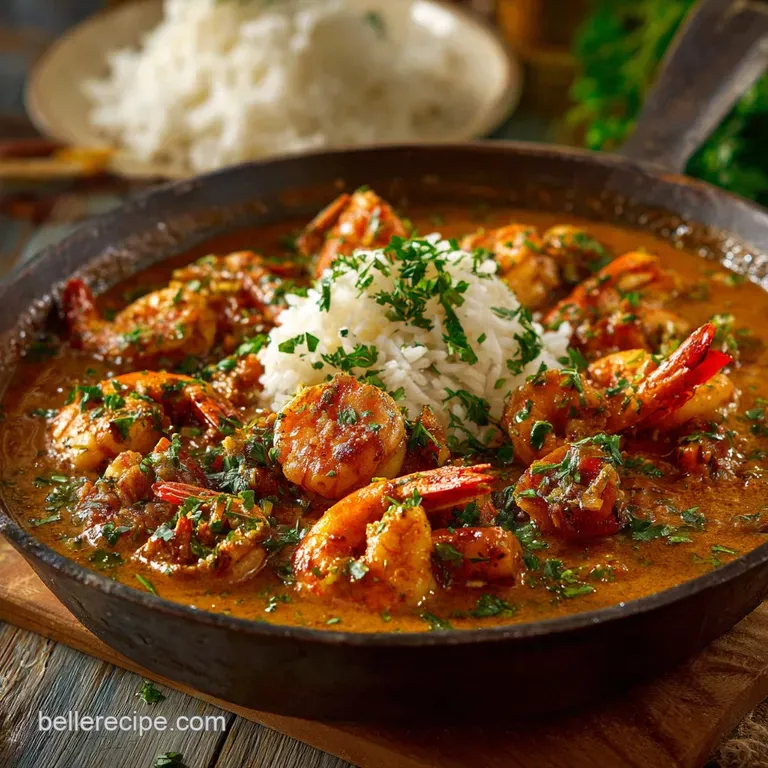
- Proper Louisiana Crawfish Étouffée: Mastering the Bayou Classic
- The Science of Flavor: Why This Étouffée Excels
- Essential Ingredients for Proper Crawfish Étouffée
- Key Ingredient Substitutions for Crawfish Recipes
- Step-by-Step: Crafting Your Authentic Crawfish Étouffée
- Troubleshooting Your Étouffée: Chef's Tips and Common Mistakes
- Storing and Freezing Prepared Crawfish Étouffée
- Authentic Pairings: What to Serve With This Classic Cajun Dish
- Recipe FAQs
- 📝 Recipe Card
Proper Louisiana Crawfish Étouffée: Mastering the Bayou Classic
That deep, earthy, slightly nutty aroma of a dark roux is one of my favorite smells in the world. It’s comforting, complex, and instantly transports you down to the bayou where good food and good company are the only things that matter.
Étouffée is this incredibly rich, velvety sauce that just smothers the sweet, delicate crawfish, creating pure magic when spooned over fluffy white rice.
If you think this is too fancy for a weeknight, think again. While the roux takes patience, the rest of the stew comes together in a snap, especially when you use frozen, peeled crawfish tails, which are accessible almost anywhere these days.
This classic crawfish recipe is robust enough for a dinner party but easy enough that I make it whenever I need some serious comfort food. Honestly, it’s one of those essential crawfish recipes easy enough for any home cook.
I know, I know the roux scares people, but trust me, we are going to conquer it today. This isn’t just about following steps; it’s about understanding the heart of crawfish recipes cajun style.
Get your heavy pot ready; we’re about to create something amazing that tastes exactly like Louisiana.
The Science of Flavor: Why This Étouffée Excels
Defining Étouffée: More Than Just a Stew
Étymologically speaking, "étouffée" means "smothered" in French. Unlike Gumbo, which is a soup or hearty stew often thickened with okra or filé powder, Étouffée is defined by its thick, velvety, and intensely savory sauce base.
It’s designed to gently smother the star ingredient in our case, those luscious crawfish tails and hold its shape perfectly on top of rice.
A Historical Look at Authentic Cajun Crawfish Recipes
Traditional crawfish recipes louisiana style rely on local ingredients and simple, impactful techniques. This dish has deep roots in the swampy parishes, where cooks learned to utilize the abundant seafood.
The genius of the Cajun approach is using a deep roux for coloring and body, followed by the specific layering of the Holy Trinity to build an unmistakable flavor foundation.
The Culinary Importance of the Deep Brown Roux
The roux is everything. While a blonde roux (like for a béchamel) adds body, a proper copper colored, medium-to-dark roux contributes a profound, nutty, and slightly bitter depth of flavor that is essential to this specific crawfish recipe new orleans style.
A dark roux is the secret weapon. It provides the color and the foundational savory notes that a lighter sauce just can't match.
Achieving the Perfect Mouthfeel: The Fat-to-Flour Ratio
My recipe uses an equal fat-to-flour ratio (1/2 cup each), which is key for stability and thickness. If you skimp on the fat, you risk burning the flour faster or ending up with a lumpy, paste like mess.
The correct ratio ensures the flour cooks evenly, and when the liquid is added, the result is a beautifully smooth, unctuous sauce that coats the back of a spoon.
Layering the Aromatics: The Holy Trinity Technique
Onion, celery, and green bell pepper the Holy Trinity. These aromatics must be added immediately after the roux is finished to stop the cooking process and build the next layer of complexity.
Sweating these down until they are translucent and soft concentrates their natural sugars and flavors, preventing the final étouffée from tasting raw or watery.
Maximizing Seafood Essence with Crawfish Fat
If you are lucky enough to source whole, boiled crawfish, you must scrape out the reserved yellow orange fat from the heads. This fat, sometimes sold separately, provides an incredible concentration of true crawfish flavor and deep color. If you have it, add it in Phase 3 before the stock.
It’s the ultimate ingredient for making the best crawfish recipes .
Essential Ingredients for Proper Crawfish Étouffée
| Ingredient | Role | Why It Matters |
|---|---|---|
| Peeled Crawfish Tails | Star Protein | Must be thawed; cooking them too long turns them rubbery. |
| Butter/Flour | The Roux Base | Provides nutty flavor and crucial thickening power. |
| Holy Trinity | Aromatics | Essential savory foundation. Don’t skip the bell pepper! |
| Cajun Seasoning | Flavor Profile | Should contain paprika, garlic powder, onion powder, and cayenne. |
| Seafood Stock | Liquid Base | Adds depth. Chicken stock works if seafood stock is scarce. |
Key Ingredient Substitutions for Crawfish Recipes
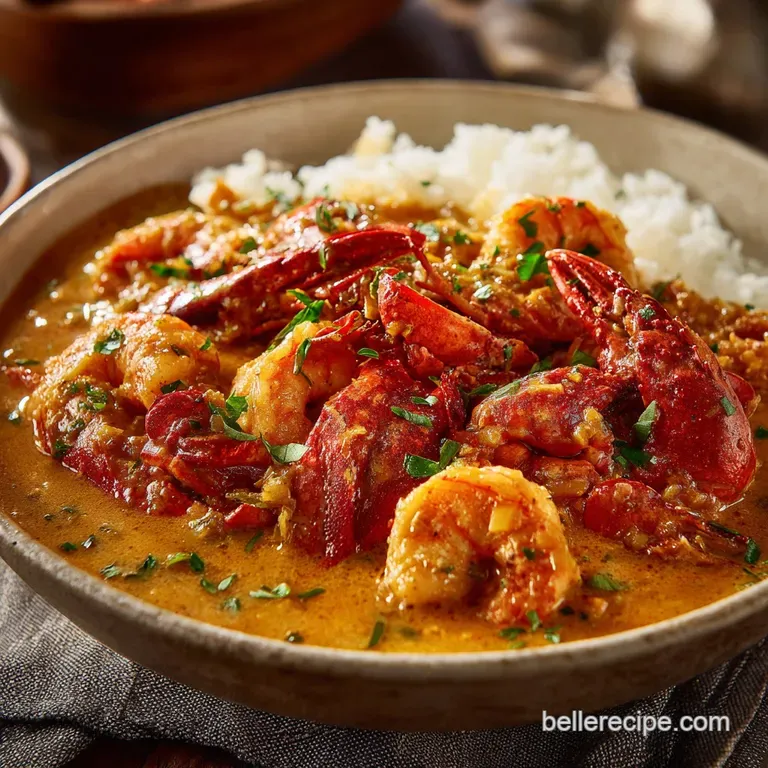
I know not everyone lives near a Gulf Coast supplier. Here are my favorite swaps that still respect the integrity of the dish.
Sourcing the Best Crawfish Tails: Fresh vs. Frozen Considerations
Unless you are buying fresh, live crawfish (which is a whole different party), frozen tails are your friend. They are usually pre-cooked. The best substitutes? Large, peeled shrimp (prawns). Just remember shrimp cook way faster!
If you use shrimp, you have just made a beautiful shrimp étouffée.
The Importance of high-quality Paprika and Cayenne
Never use old, dusty spices; they lose all potency. Paprika, especially a good quality Spanish or Hungarian style, provides rich color and earthiness. Cayenne pepper is non-negotiable for that Cajun kick. If you hate spice, you can skip the cayenne but seriously, why would you?
Clarified Butter vs. Oil for the Traditional Roux
I call for unsalted butter because it tastes amazing, but the milk solids in butter can burn easily when making a dark roux. If you are nervous, use clarified butter (ghee works great) or a neutral cooking oil like canola or vegetable oil.
Alternative Cooking Fats for a Lighter Roux
If you want a very clean tasting sauce, use lard or peanut oil. These fats have a higher smoke point than butter, allowing you to get a darker roux safely without scorching it. I once tried shortening and it tasted… weird. Stick to oil if ditching the butter.
Adjusting Heat: Swapping Out the Peppers
If you need more than just cayenne heat, toss in a diced jalapeño or a couple of dashes of Tabasco when you add the stock. For a smoky heat, use chipotle powder instead of cayenne.
Building Flavor Depth Without Seafood Stock
If you cannot find seafood stock, low-sodium chicken stock is perfectly acceptable. To deepen the seafood essence without the stock, add 1/2 teaspoon of dried shrimp powder or a small splash of fish sauce during the simmering phase. That little trick builds umami like crazy.
step-by-step: Crafting Your Authentic Crawfish Étouffée
This process is about layering flavor, so pay attention to the timing in each step.
Phase 1: Developing the Mahogany Roux Base
- Melt and Mix: In your heavy bottomed Dutch oven, melt the 1/2 cup of butter over medium low heat. Whisk in the 1/2 cup of flour until completely smooth.
- Roux Time: Reduce the heat to low and stir constantly using a wooden spoon. This stage takes patience 10 to 15 minutes easily. The mixture must transform from pale yellow to peanut butter, then finally to a deep, rich milk chocolate or old copper penny color.
- Watch Closely: If you see black specks or smell something acrid, you burned it. Dump it, clean the pot, and start over. Don’t give up on the roux!
Phase 2: Sweat, Season, and Sauté (Integrating the Trinity)
- Stop the Cook: Once the roux reaches your desired color, immediately add the diced onion, celery, and bell pepper. The moisture from the veggies will stop the roux from cooking further.
- Sweat Down: Sauté this mixture, stirring often, for 8 to 10 minutes. The vegetables need to soften completely and become translucent; you should smell that lovely, sweet aroma.
- Garlic and Paste: Stir in the minced garlic and tomato paste. Cook for just 1 minute until fragrant. Cooking the tomato paste briefly intensifies its flavor without adding too much acidity.
Phase 3: The Simmer and Slow Infusion of Crawfish
- Smooth the Base: Slowly whisk in the warm stock, starting with a small amount to make a thick paste first, then adding the rest gradually. This prevents lumps.
- Seasoning: Add the Worcestershire sauce, Cajun seasoning, thyme, bay leaf, and cayenne. Bring the mixture up to a gentle simmer, then reduce heat to low.
- Infuse: Cover and simmer for 15 to 20 minutes. This allows the seasoning to infuse the broth and the sauce to thicken perfectly.
Phase 4: Final Adjustments and Finishing with Herbs
- Taste Test: Remove the bay leaf. Taste the sauce! Does it need more salt? More heat? Now is the time to adjust the seasoning blend. The flavor should be intense, ready for the bland rice.
- Add Crawfish: Stir in the thawed and drained crawfish tails. Crucial Tip: Since the crawfish are likely pre-cooked (especially if frozen), you only need to warm them through. Simmer gently for only 3– 5 minutes. If you boil them, they will seize up and turn tough.
- Garnish: Remove from heat. Stir in most of the chopped parsley and green onions. Serve hot over steamed white rice, garnished with the remaining herbs. That is how you master crawfish recipes with rice .
Chef's Note: If the étouffée sits for a while, it will thicken significantly. If serving late, reserve about 1/2 cup of stock and stir it in right before the crawfish, adjusting consistency as needed.
Troubleshooting Your Étouffée: Chef's Tips and Common Mistakes
Making étouffée is a rewarding process, but there are a few places where people usually trip up.
Preventing a Grainy or Broken Roux
Roux failure usually happens when you rush the initial mixing or add cold liquid to hot fat. Make sure the flour and fat are fully emulsified before heating, stirring constantly. Always, always, always add warm or hot stock to the hot roux.
Cold liquid causes the starch molecules to seize up, resulting in a lumpy mess.
Fixing an Étouffée That Tastes Too Floury
If your sauce tastes like raw flour, it means you didn't cook the roux long enough initially. If you’ve already added the liquid, don’t panic. Simmer the stew, uncovered, for an extra 10– 15 minutes.
The extended cooking time will mellow out the raw flour taste and deepen the flavor.
Maximizing Spice Without Overpowering the Crawfish
The goal is heat, not pain. I recommend adding the cayenne in two stages: half with the seasoning blend during the simmer, and the second half right before the crawfish is added, only if necessary. This allows you to build the heat profile gradually, honoring the delicate sweetness of the crawfish.
Quick Fixes if Your Étouffée Is Too Thin
If the sauce is too thin after the simmer, you have two options. Option 1: Simmer, uncovered, for an additional 10 minutes to reduce it naturally. Option 2 (The quick fix): Take a small tablespoon of flour and melt it in an equal amount of softened butter to make a soft, light roux (called beurre manié ).
Whisk this small paste into the simmering étouffée, and it will thicken immediately.
Storing and Freezing Prepared Crawfish Étouffée
Can you make this ahead of time? Absolutely! And you should. The flavors deepen beautifully overnight.
Optimal Refrigeration Timeframes
Once cooled, transfer the étouffée to an airtight container. It keeps perfectly in the fridge for up to 3 to 4 days. When reheating, do it gently on the stovetop over low heat. If it's too thick, add a splash of stock or water to loosen the texture.
How to Freeze Étouffée Without Flavor Loss
Yes, Étouffée freezes incredibly well, making this a fantastic freezer meal. Portion the sauce into freezer safe containers, leaving about 1/2 inch of headspace, as liquids expand. It will stay fantastic for up to 3 months.
When you are ready to eat it, thaw it overnight in the fridge and reheat slowly on the stove. I usually find I need to stir in a tablespoon of butter or a splash of stock after thawing, just to restore that beautiful mouthfeel.
Authentic Pairings: What to Serve With This Classic Cajun Dish
Étoufée needs simple, sturdy partners to balance its richness.
The mandatory pairing is steamed, long grain white rice. You need that neutral base to soak up every drop of that incredible sauce. For a slightly healthier option, brown rice also works beautifully.
I always pair it with something crunchy and tangy. A simple side salad with a bright vinaigrette cuts through the fat wonderfully. If I’m going full comfort food, I serve it with a basket of perfectly baked cornbread, which works perfectly for dipping. If you're into those hearty comfort dishes, you might also like my Creamy Chicken Casserole Easy Rotisserie Chicken Recipes , which has a similar satisfying texture, but with totally different flavors.

Recipe FAQs
How do I prevent my roux from burning or clumping?
Preventing a burnt roux requires constant, steady stirring over medium heat, making sure to scrape the bottom of the pot frequently where the flour tends to settle and scorch. If you notice any clumps forming, immediately remove the pot from the heat and whisk vigorously until smooth before returning it to the burner.
Remember, a burnt roux cannot be salvaged; you must dispose of it and start fresh.
Can I use frozen crawfish tails, and do I need to thaw them?
Yes, frozen crawfish tails are perfectly acceptable and are often easier to source outside of Louisiana; ensure they are labeled as "Louisiana crawfish" for the best quality. It is best practice to thaw them gently overnight in the refrigerator and drain off any excess liquid before adding them to the étouffée base.
Adding them frozen will release too much water and dilute the flavor of the dish.
My étouffée tastes flat; how can I deepen the flavor profile?
Lack of deep flavor often stems from an insufficient roux color or not sautéing the "Holy Trinity" (onion, celery, bell pepper) long enough. Ensure your roux reaches a rich, deep peanut butter or copper penny color, and allow the vegetables to sweat and lightly caramelize for at least 10 minutes before adding the stock.
You may also need to increase the salt and cayenne pepper toward the end.
How long can I safely store leftover étouffée, and what's the best way to reheat it?
Leftover étouffée can be safely stored in an airtight container in the refrigerator for 3 to 4 days. When reheating, do so slowly over low heat on the stovetop to prevent the crawfish from toughening, and you may need to add a splash of stock or water to restore the original, creamy consistency.
Avoid using the microwave, as it often results in an uneven texture.
Why is my étouffée too thin or watery?
A thin étouffée usually means the roux was not cooked long enough to develop sufficient thickening power, or too much liquid was added relative to the roux volume. To correct this, create a slurry by mixing one tablespoon of cornstarch or flour with an equal amount of cold water or stock.
Slowly whisk this slurry into the simmering étouffée until the desired thickness is reached, letting it simmer for two minutes to cook out the starch taste.
Can I substitute shrimp or crab for crawfish in this étouffée recipe?
Absolutely; the term étouffée translates to "smothered," and the rich, seasoned base works wonderfully with nearly any shellfish. If you substitute shrimp or crab, be mindful of cooking times, as shrimp should only be added in the final 5 minutes of simmering.
For crab meat, gently fold it in right at the end to heat through, preserving its delicate texture.
Should I drain the 'fat' that comes with the frozen crawfish?
No, the orange material often packaged with high-quality peeled crawfish tails is actually flavorful hepatopancreatic tissue, often referred to as "crawfish fat" or "tomalley." This fat is intensely flavored and is crucial for achieving that authentic, rich, earthy taste characteristic of true Louisiana étouffée.
Always include it in the dish for maximum flavor impact.
Proper Louisiana Crawfish Etouffee
Ingredients:
Instructions:
Nutrition Facts:
| Calories | 171 kcal |
|---|---|
| Protein | 9.7 g |
| Fat | 1.7 g |
| Carbs | 29.2 g |
