Butternut Squash Soup Recipe: Simple Roasted
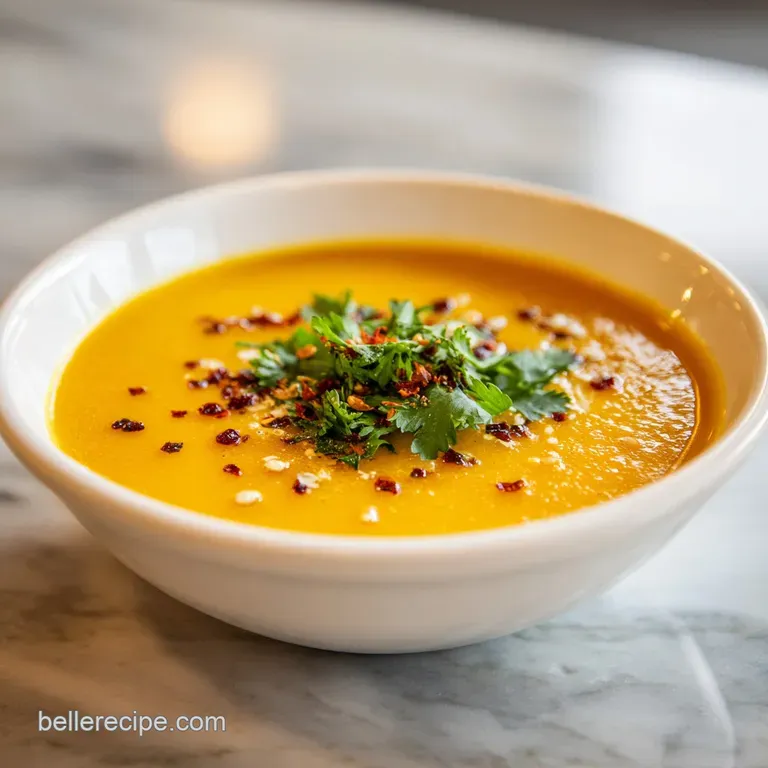
- Time: Active 15 minutes, Passive 45 minutes, Total 1 hours 0 mins
- Flavor/Texture Hook: Silky, nutty, and vibrant with a hint of citrus
- Perfect for: Cozy Sunday meal prep or a mindful weeknight dinner
- Mastering Your Butternut Squash Soup Recipe
- Science Behind the Golden Glow
- Essential Stats for Success
- Key Ingredients and Simple Swaps
- Necessary Tools for Smooth Results
- From Roasting to Final Simmer
- Solving Common Texture Issues
- Exciting Additions and Tasty Twists
- Freshness and Zero Waste Tips
- Perfect Pairings for Serving
- Recipe FAQs
- 📝 Recipe Card
Mastering Your Butternut Squash Soup Recipe
Imagine walking into a kitchen where the air is thick with the scent of toasted nuts and sweet caramel. That is the magic of roasting a squash. I remember the first time I tried to make a squash soup by just boiling the cubes in broth. It was fine, I guess, but it lacked heart. It felt thin and a bit sad.
Then, I learned the secret of the oven, and everything changed. When you let that squash sit in the high heat, the edges start to turn a deep, dark brown, and the sugars inside transform into something almost like candy. It's a simple change, but it makes the whole dish feel like a warm hug from someone who loves you.
We often think we need to add a ton of cream or butter to make something feel indulgent, but this butternut squash soup recipe proves otherwise. By focusing on the natural textures and the way ingredients interact, we create something rich and satisfying that still feels light.
It is about being mindful of the process listening to the sizzle of the onions and watching the soup turn from a chunky mess into a velvety dream. I have made my fair share of mistakes, like forgetting to balance the sweetness with acid, but those errors taught me how to find the perfect harmony in a single bowl.
In this guide, we are going to walk through the flow of the kitchen together. We will talk about why certain steps matter and how you can make this recipe your own. Whether you are looking for a simple roasted butternut squash soup for a quiet night in or a vibrant vegan butternut squash soup recipe to share with friends, you are in the right place.
Let’s get our aprons on and start building those flavors.
Science Behind the Golden Glow
Understanding how heat affects your vegetables is the first step toward a better soup. It isn't just about getting things soft; it's about chemistry.
- Maillard Reaction: Roasting the squash at 400°F (200°C) triggers a chemical reaction between amino acids and reducing sugars, creating hundreds of new flavor compounds that boiling simply cannot achieve.
- Starch Gelatinization: As the squash heats, the starch granules absorb moisture and swell, which eventually creates that thick, silky mouthfeel when we blend it.
- Lipid Emulsification: When we blend the full fat coconut milk into the hot squash puree, we are creating a stable emulsion where tiny fat droplets are suspended in the liquid, resulting in a velvety texture.
- Acidity Balance: Adding lime juice at the end doesn't just add flavor; it lowers the pH, which "brightens" the perception of other flavors and cuts through the density of the starch.
| Method | Prep Time | Flavor Depth | Texture |
|---|---|---|---|
| Fresh Roasted | 15 minutes | Deep, nutty, sweet | Silky and rich |
| Frozen Pre Cut | 5 minutes | Mild, slightly watery | Grainy or fibrous |
| Canned Puree | 2 minutes | Flat and metallic | Too uniform/thin |
When you choose fresh squash and take the time to roast it, you are investing in a layer of flavor that no shortcut can replicate. The difference in the final result is huge. While pre cut squash is a time saver, it often dries out in the fridge, losing that essential moisture that makes the soup so creamy. If you're looking for another comforting classic that uses these same principles of depth, you might enjoy my Cheddar Broccoli Soup recipe.
Essential Stats for Success
Before we start chopping, let's look at the breakdown of what this recipe entails. It is helpful to know exactly what to expect so you can plan your afternoon accordingly.
| Ingredient | Science Role | Pro Secret |
|---|---|---|
| Butternut Squash | Primary thickener and sugar source | Roast with the skin on to steam the flesh |
| Fresh Ginger | Adds pungent heat and aromatics | Grate it frozen for a finer, hairless texture |
| Coconut Milk | Provides creamy mouthfeel and fat | Always use full fat canned for the best emulsion |
| Vegetable Broth | Liquid base for consistency | Use low sodium to control the final seasoning |
Cooking is often about managing expectations. This soup serves about six people, which makes it great for sharing or for saving half for later in the week. The total time is mostly hands off, giving you a chance to tidy up or just enjoy the aroma filling your home.
Key Ingredients and Simple Swaps
Creating a hearty butternut squash soup recipe starts with selecting the best produce. Look for a squash that feels heavy for its size and has a matte, unblemished skin. A shiny skin often means it was picked too early and won't be as sweet.
- 1 large butternut squash (approx. 3 lbs): The star of the show. Why this? It has the highest sugar to starch ratio of most winter squashes.
- 2 tbsp extra virgin olive oil: For roasting and sautéing. Why this? It carries the flavor of the aromatics beautifully.
- 1 medium yellow onion: Our aromatic base. Why this? Yellow onions have a high sulfur content that turns sweet when cooked.
- 3 cloves garlic: For depth. Why this? Smashing them first releases the allicin for more flavor.
- 1 tbsp fresh ginger: Adds a zingy counterpoint. Why this? It cuts through the natural heaviness of the squash.
- 1 tsp dried sage: The classic autumnal herb. Why this? Sage and squash are a timeless pairing that mimics "brown butter" notes.
- 4 cups vegetable broth: The liquid vehicle. Why this? Low sodium broth lets you adjust the salt to your liking.
- 1/2 cup full fat canned coconut milk: For the vegan butternut squash soup recipe version. Why this? It adds a tropical richness that pairs perfectly with ginger.
- 1 tbsp maple syrup: To enhance the roast. Why this? It bridges the gap between the savory onion and sweet squash.
- 1 tbsp lime juice: The final brighten up. Why this? It wakes up all the other flavors.
| Original Ingredient | Substitute | Why It Works |
|---|---|---|
| Coconut Milk | Heavy Cream | Provides similar fat content. Note: Not vegan, but very traditional. |
| Maple Syrup | Honey or Brown Sugar | Both provide the necessary sugar to balance the ginger's heat. |
| Vegetable Broth | Chicken Broth | Adds a more savory, meaty backbone to the soup. |
| Dried Sage | Fresh Thyme | Offers a lighter, more floral herbal note than sage. |
Sometimes we don't have everything on hand, and that is okay. The beauty of a simple roasted butternut squash soup is its flexibility. If you're missing ginger, a pinch of nutmeg or cinnamon can provide a different kind of warmth.
Necessary Tools for Smooth Results
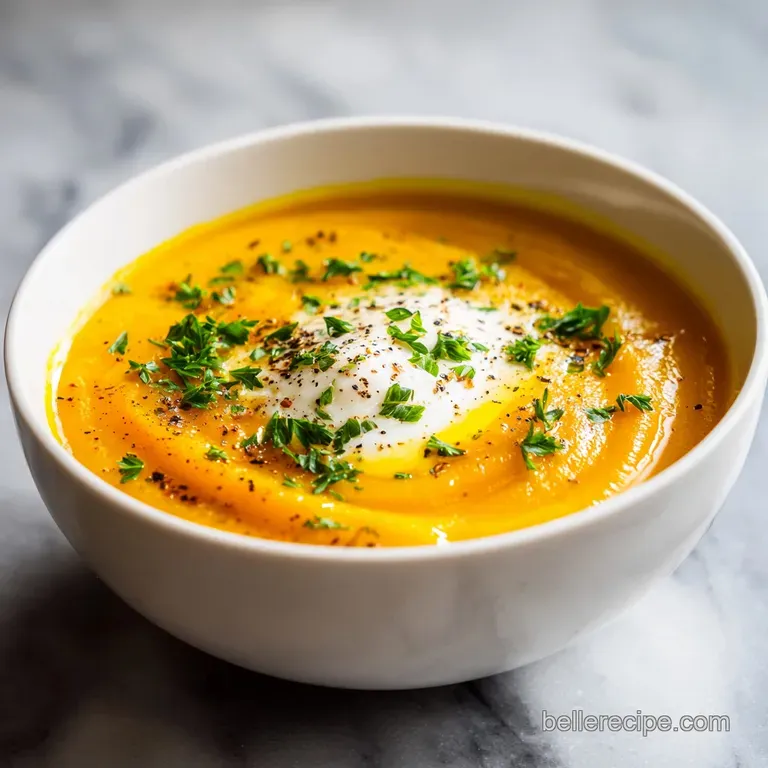
You don't need a professional kitchen to make a masterpiece. However, a few specific tools will make the process much more enjoyable and ensure that "velvety" finish we are after.
- A Sharp Chef's Knife: Squash can be intimidating. A heavy, sharp knife is safer and more efficient for halving the vegetable.
- Large Baking Sheet: You want enough space so the squash roasts rather than steams.
- High Speed Blender: This is the secret to a professional texture. If you use an immersion blender, it will be good, but a stand blender (like a Vitamix or Ninja) makes it truly silky.
- Dutch Oven: A heavy bottomed pot (like a Le Creuset) holds heat evenly, preventing your onions from scorching while you sauté.
Chef's Tip: If you find cutting raw squash too difficult, poke a few holes in it with a fork and microwave it for 2 minutes. This softens the skin just enough to let your knife glide through without the struggle.
From Roasting to Final Simmer
Now we get to the heart of the matter. This process is divided into three distinct phases: the roast, the aromatic build, and the final blend. Follow these steps, and you'll have a soup that rivals any bistro.
- Preheat and Prep: Heat your oven to 400°F (200°C). Slice your 3 lb butternut squash in half lengthwise and scoop out the seeds.
- Season for Roasting: Drizzle 1 tbsp olive oil over the flesh. Sprinkle with 1/2 tsp sea salt and 1/4 tsp black pepper.
- The Roast: Place the squash face down on a baking sheet. Bake for 45 minutes until the skin is shriveled and the flesh is tender. Note: Face down traps steam, keeping the flesh moist while the edges caramelize against the pan.
- Sauté Aromatics: While the squash cools slightly, heat 1 tbsp olive oil in your pot over medium heat. Add the diced yellow onion.
- Softening the Base: Cook the onion for about 8 minutes until translucent and golden at the edges. Add the smashed garlic, 1 tbsp grated ginger, and 1 tsp dried sage.
- Scoop the Squash: Once the squash is cool enough to touch, use a large spoon to scoop the flesh away from the skin. Discard the skins.
- Combine Ingredients: Add the squash flesh, 4 cups vegetable broth, 1 tbsp maple syrup, and the remaining salt/pepper to the pot.
- Simmer for Integration: Bring the mixture to a gentle boil, then reduce to low. Simmer for 10 minutes until the flavors are married and the squash begins to break apart.
- The Puree: Carefully transfer the soup to a blender. Blend on high for 2 minutes until the texture is completely shatter smooth and velvety.
- The Finish: Return the soup to the pot. Stir in 1/2 cup coconut milk and 1 tbsp lime juice. Taste and add a pinch more salt if the flavors don't "pop" yet.
Solving Common Texture Issues
Even the best cooks run into trouble sometimes. Butternut squash is a natural product, meaning every one you buy will have slightly different water and starch levels. This can affect your final consistency.
Why Your Soup is Grainy
If your soup feels a bit fibrous or "sandy" on the tongue, it usually means the squash wasn't roasted long enough or the blender didn't run long enough. The cell walls of the squash need to be completely pulverized to release their starches.
Why Your Soup is Bland
Squash is naturally sweet, but without enough salt and acid, that sweetness can feel one dimensional. It's like a song with only one note. You need the lime juice and salt to act as the "bass" and "treble" to round out the experience.
| Problem | Root Cause | Solution |
|---|---|---|
| Too watery | Too much broth or small squash | Simmer uncovered for 15 mins to reduce. |
| Overly sweet | Squash was very ripe | Add an extra teaspoon of lime juice or a splash of vinegar. |
| Too thick | High starch content | Whisk in 1/4 cup extra broth or water until desired flow. |
Common Mistakes Checklist
- ✓ Don't skip the roast: Boiling squash in the broth yields a much flatter, "vegetal" flavor.
- ✓ Pat the squash dry: If you washed the outside, dry it before oiling so it roasts rather than steams.
- ✓ Vent the blender: When blending hot liquids, remove the center cap and cover with a towel to let steam escape (prevents "soup explosions").
- ✓ Don't rush the onions: Sweet, well cooked onions provide the savory backbone that makes the soup taste "complete."
Exciting Additions and Tasty Twists
Once you have the base down, you can start playing with the profile. I love a recipe that acts as a canvas for my mood or the season.
Adding a Smoky Chipotle Kick
If you like a bit of heat, add 1 tsp of chipotle peppers in adobo sauce to the blender. The smokiness pairs beautifully with the natural sweetness of the maple syrup, creating a Southwestern vibe that is incredibly addictive.
Using an Instant Pot
For a butternut squash soup instant pot recipe version, you can sauté the onions and spices directly in the pot. Add the peeled, cubed squash and broth, then cook on high pressure for 10 minutes. It won't have the same roasted depth, but it is a lifesaver on busy nights.
The Apple and Squash Variation
For a classic butternut squash and apple soup recipe, replace one cup of the squash with a peeled, diced Granny Smith apple. The tartness of the apple provides a built in acidity that makes the soup incredibly refreshing.
Freshness and Zero Waste Tips
This soup is a dream for meal preppers because the flavors actually improve after a night in the fridge. As the soup cools, the aromatics like ginger and sage continue to infuse into the liquid.
- Fridge: Store in an airtight container for up to 5 days. It may thicken as it sits; just add a splash of water when reheating.
- Freezer: This is a freezer superstar! It stays fresh for up to 3 months. Since there is no dairy (if using coconut milk), it won't separate or get grainy when thawed.
- Zero Waste: Don't throw away those squash seeds! Rinse them, pat them dry, and roast them with a little salt and chili powder at 325°F (160°C) for 15 minutes. They make a crunchy, mindful garnish for the top of your bowl.
Reheating is simple. I prefer the stovetop over medium low heat so I can whisk it occasionally to keep that silky emulsion intact. If you're in a rush, the microwave works fine, but give it a good stir halfway through.
Perfect Pairings for Serving
A bowl of soup is lovely, but what you serve it with can turn it into a full experience. Because this soup is so smooth, I always look for something with a bit of crunch or chew to provide contrast.
If you're keeping things simple, a side of crusty bread is mandatory. I highly recommend trying this with my Dinner Rolls Recipe — they are fluffy enough to soak up every last drop of the golden liquid. For a lighter lunch, a bitter green salad with a sharp vinaigrette helps cut through the richness of the coconut milk.
If you want a gourmet finish:
- Toasted Pumpkin Seeds: For a nutty crunch.
- A Swirl of Coconut Cream: For a beautiful visual and extra silkiness.
- Fried Sage Leaves: Sizzle them in a little butter or oil for 30 seconds for a sophisticated herbal punch.
Sharing a meal like this is one of life's simplest joys. It doesn't take expensive ingredients or "modern" techniques; it just takes a bit of time and a lot of heart. This easy butternut squash soup recipe has become a staple in my home, and I hope it finds a permanent spot in yours too.
Enjoy every warm, comforting spoonful.

Recipe FAQs
What ingredients are in butternut squash soup?
Butternut squash, onion, garlic, fresh ginger, sage, vegetable broth, coconut milk, maple syrup, and lime juice. These components build the base flavor and texture profile, relying on roasting the squash for natural sweetness.
What spices go into butternut squash soup?
Dried sage is the classic main spice, often accompanied by fresh ginger and black pepper. You can also use a small pinch of nutmeg or cinnamon for added warmth, especially if you skip the ginger.
How to make butternut squash soup better?
Roast the squash until deeply caramelized instead of boiling it in the broth. Roasting triggers the Maillard reaction, creating complex, nutty flavors that boiling cannot achieve, providing a vastly superior depth.
What are some common mistakes when making squash soup?
Skipping the acid or under blending the mixture are the top errors. The soup needs lime juice or vinegar to balance the inherent sweetness, and it must be blended until completely smooth for the best texture.
Can I substitute the coconut milk if I want a dairy version?
Yes, heavy cream is the ideal replacement for dairy-free coconut milk. It provides the necessary high fat content to create a stable, velvety emulsion when blended with the hot squash puree.
How to achieve a truly silky, non-grainy texture?
Use a high powered stand blender and blend on high for at least two full minutes. If you mastered emulsification techniques in baking, this blending stage relies on similar principles to suspend the starch evenly throughout the liquid.
What can I serve with this soup to add crunch?
Toasted pumpkin seeds, croutons, or crispy fried sage leaves are excellent textural complements. A light drizzle of high-quality olive oil just before serving also adds a pleasing mouthfeel contrast.
Roasted Butternut Squash Soup

Ingredients:
Instructions:
Nutrition Facts:
| Calories | 210 kcal |
|---|---|
| Protein | 2.9 g |
| Fat | 8.9 g |
| Carbs | 30.8 g |
| Fiber | 4.8 g |
| Sugar | 7.9 g |
| Sodium | 628 mg |
