Galentines and Valentines Day Dinner Menu with Roasted Chicken
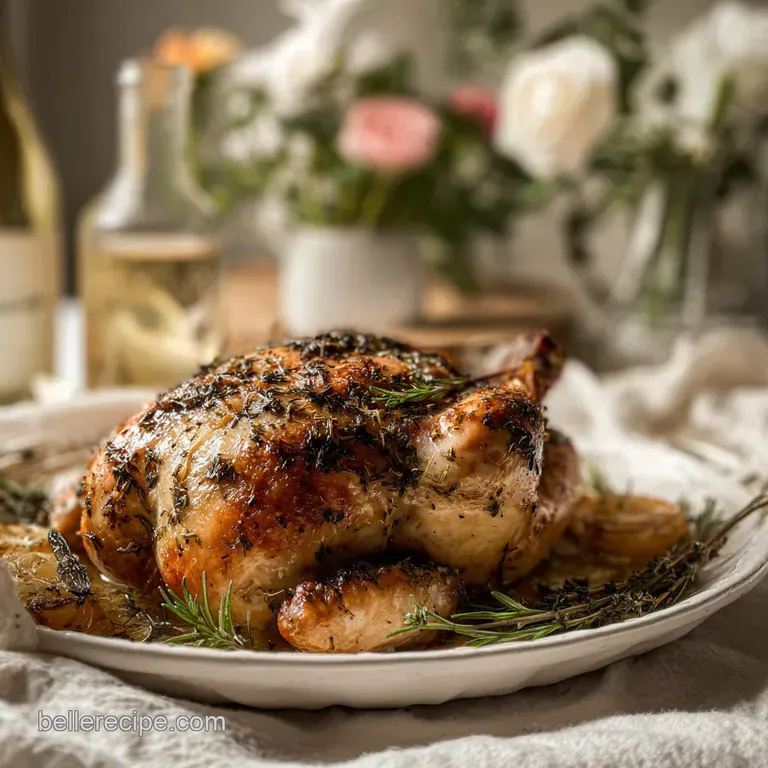
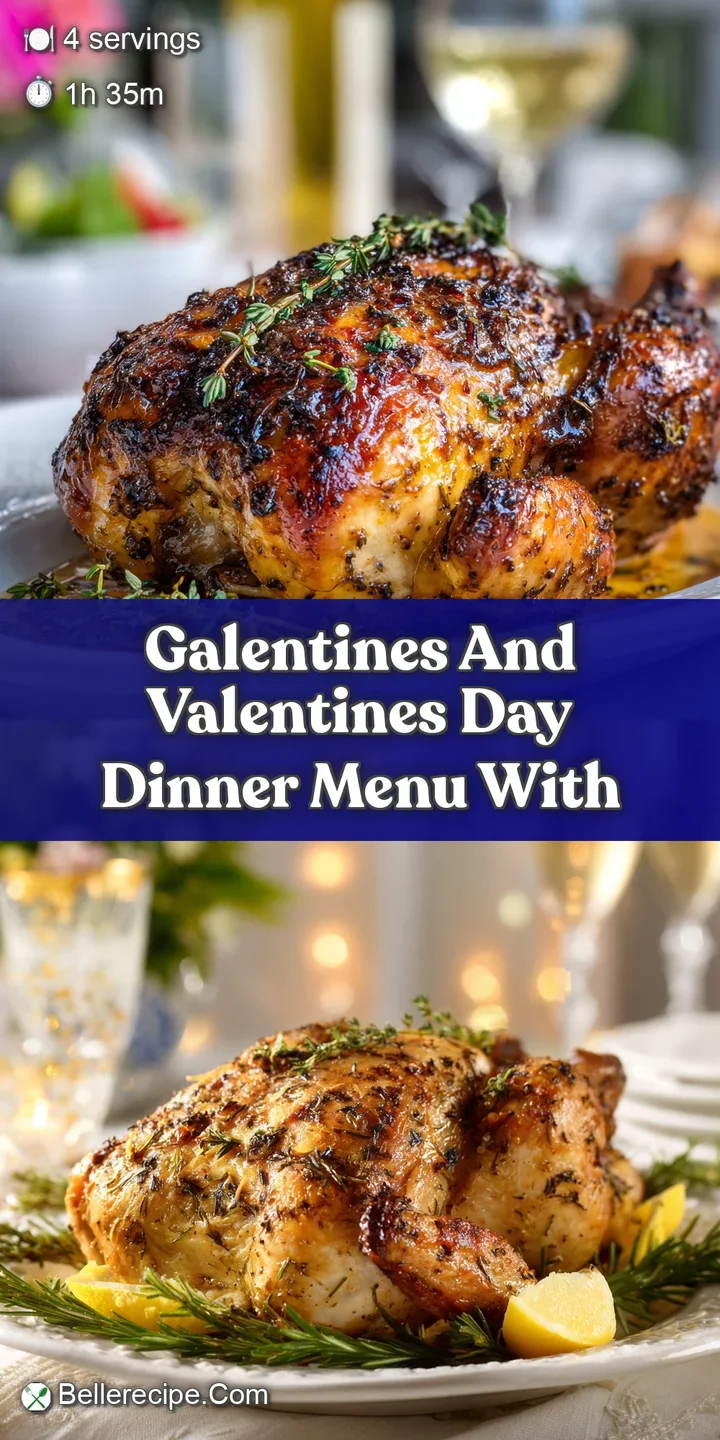
- Time: Active 20 minutes, Passive 1 hours 15 mins, Total 1 hours 35 mins
- Flavor/Texture Hook: Shattering crispy skin paired with a bright, buttery Champagne reduction.
- Perfect for: A cozy Galentines gathering or a romantic Valentines Day dinner at home chicken.
- Galentines and Valentines Day Dinner Menu with Roasted Chicken
- Key Techniques for Best Results
- Recipe Specs and Timing
- Ingredients for Your Menu
- Necessary Tools for Roasting
- Step-by-Step Cooking Guide
- Solving Your Cooking Problems
- Variations and Flavor Ideas
- Storage and Reheating Guide
- Creative Serving Suggestions
- Myths About Roasting Chicken
- Very High in Sodium
- Recipe FAQs
- 📝 Recipe Card
Galentines and Valentines Day Dinner Menu with Roasted Chicken
There is a specific sound that defines a successful evening in my kitchen the high pitched, glass like crack of a knife hitting perfectly rendered chicken skin. I remember one specific February 14th when the rain was lashing against the windows and every restaurant in town was booked solid.
I decided to stay in, skip the fuss, and roast a bird. The aroma of rosemary and sizzling fat filled the house, creating a warmth that no fancy bistro could ever replicate. It was mindful, slow, and honestly, the best meal we’d had in years.
This Galentines and Valentines Day Dinner Menu features a standout roasted chicken recipe perfect for sharing. Whether you are pouring wine for your best friends or setting a table for two, there is something deeply comforting about a whole bird surrounded by glistening root vegetables.
We’re moving away from the stress of complicated multi course meals and focusing on one spectacular pan that does all the work for you.
Trust me, you don't need a culinary degree to pull this off. We’ve all been there peeking into the oven every ten minutes, worried the breast is drying out while the legs stay stubbornly pink. I’ve made those mistakes so you don’t have to.
We are going to use a few simple tricks, like tucking herb butter under the skin and using a splash of Champagne, to transform a humble chicken into a centerpiece that feels like a warm hug. Let's get the oven preheated and start a new tradition.
Key Techniques for Best Results
Roasting a whole chicken is an exercise in managing different textures at once. We want the dark meat tender and the white meat dripping with juice, all while achieving a skin that shatters like parchment paper.
- Fat Under Skin Infusion: Placing the compound butter directly against the breast meat acts as a self basting mechanism that prevents the lean protein from drying out.
- Thermal Buffering: The bed of fingerling potatoes and carrots absorbs the rendering chicken fat, which protects the bottom of the bird from scorched pan contact.
- Aromatic Cavity Steaming: Halved lemons and garlic inside the chicken create a scented steam that flavors the meat from the inside out while maintaining internal moisture.
- Acidic Deglazing: Using dry Champagne to scrape up the browned bits (fond) adds a sophisticated brightness that cuts through the rich, buttery drippings.
Achieving a Shattering Skin
The biggest enemy of a crispy bird is moisture. I’ve learned that if you take the chicken out of its packaging and let it sit uncovered in the fridge for even an hour before cooking, the skin tightens and dries.
When that dry skin hits the hot air of the oven, the fat renders out instantly rather than steaming the skin from beneath. It’s the difference between a soggy Sunday roast and a professional grade crackle.
Mastering the Succulent White Meat
We often overcook the breast because we're waiting for the thighs to catch up. By starting the bird at a high temperature and then letting it finish with the residual heat of the vegetables and the pan sauce, we hit that "sweet spot" of doneness.
I always use a meat thermometer to pull the bird at 160°F, knowing that "carryover cooking" will bring it to the safe 165°F while it rests on the counter.
Developing Deep Pan Sauce Umami
Don't you dare wash that roasting pan before making the sauce! Those little brown bits stuck to the bottom are concentrated flavor gold. When we add the chicken stock and Champagne, we are performing a chemical extraction of the Maillard reaction products. It transforms a simple liquid into a velvety, complex reduction that ties the whole menu together. If you love these types of sauces, you might also enjoy the flavors in this Boursin Chicken Recipe for your next weeknight meal.
| Method | Cook Time | Texture Outcome | Best For |
|---|---|---|---|
| over High heat Oven | 1 hours 15 mins | Shattering skin, tender meat | Traditional holiday feel |
| Stovetop/Oven Hybrid | 1 hours 5 mins | Extra crispy underside | Faster results, smaller bird |
| Slow Roasting | 2 hours 30 mins | Fall off-the bone tender | Low effort meal prep |
If you are looking for a quicker variation on these techniques, I often look toward a Juicy Airline Chicken Recipe which uses a similar pan sear to oven method but in half the time for those busier weeknights.
Recipe Specs and Timing
This recipe is designed to be efficient without feeling rushed. It allows you to spend more time with your guests and less time hovering over the stove.
| Metric | Measurement | Note |
|---|---|---|
| Chicken Weight | 3.75 lbs | Ideal size for even cooking |
| Internal Temperature | 165°F | Measure at thickest part of thigh |
| Resting Time | 15 minutes | Essential for juice redistribution |
Ingredients for Your Menu
Each element in this Valentines Day dinner at home chicken has a specific role. We aren't just adding things for the sake of it; we are building layers of flavor.
- 1 whole roasting chicken (3.75 lbs): This is our canvas. Look for a bird with intact skin and no bruising.
- 2 tsp Kosher salt & 1 tsp black pepper: Essential for seasoning and drawing out moisture from the skin.
- 1 small lemon & 1 head of garlic: These provide the aromatic steam for the cavity.
- 4 sprigs fresh thyme: Adds an earthy, floral note that pairs perfectly with poultry.
- 4 tbsp unsalted butter: The base for our "love butter" that keeps the breast meat moist.
- 1 tbsp fresh rosemary & parsley: These herbs provide the vibrant, fresh finish.
- 1 lb fingerling potatoes: They hold their shape and absorb the chicken drippings beautifully.
- 0.5 lb baby heirloom carrots: Naturally sweet and stunning for presentation.
- 2 shallots: Milder than onions, they melt into the pan sauce.
- 0.5 cup dry Champagne: The secret to a bright, elegant Valentines Day romantic dinner recipe.
- 0.5 cup low sodium chicken stock: Provides the body for our pan reduction.
| Ingredient | Science Role | Pro Secret |
|---|---|---|
| Kosher Salt | Denatures proteins | Apply 24 hours early for "dry brine" |
| Softened Butter | Heat conductor | Mix with cold herbs to prevent burning |
| Champagne | Acidic deglazer | Use "Brut" to avoid a sugary sauce |
Substitution Table
| Original Ingredient | Substitute | Why It Works |
|---|---|---|
| Champagne | Dry White Wine (Sauvignon Blanc) | Provides similar acidity without the bubbles. |
| Fingerling Potatoes | Cubed Sweet Potatoes | Adds a sweeter contrast to the savory herbs. |
| Fresh Rosemary | Dried Herbes de Provence | Similar aromatic profile; use 1/3 the amount. |
Necessary Tools for Roasting
You don't need a kitchen full of gadgets, but a few specific items will make your life much easier and the results much more consistent.
- Large Cast Iron Skillet or Roasting Pan: A 12 inch cast iron (like a Lodge) is my favorite because it holds heat so well, creating a "sear" on the vegetables from underneath.
- Instant Read Meat Thermometer: This is non negotiable. It is the only way to guarantee a juicy bird every single time.
- Kitchen Twine: Used for "trussing" the chicken, which ensures the legs don't overcook while the breast finishes.
- Small Mixing Bowl: For mashing together your garlic herb butter.
- Wooden Spoon: Best for scraping the bottom of the pan during the deglazing process.
Chef's Note: If you don't have kitchen twine, don't panic! You can make a small slit in the skin near the cavity and tuck the legs into it to hold them in place.
step-by-step Cooking Guide
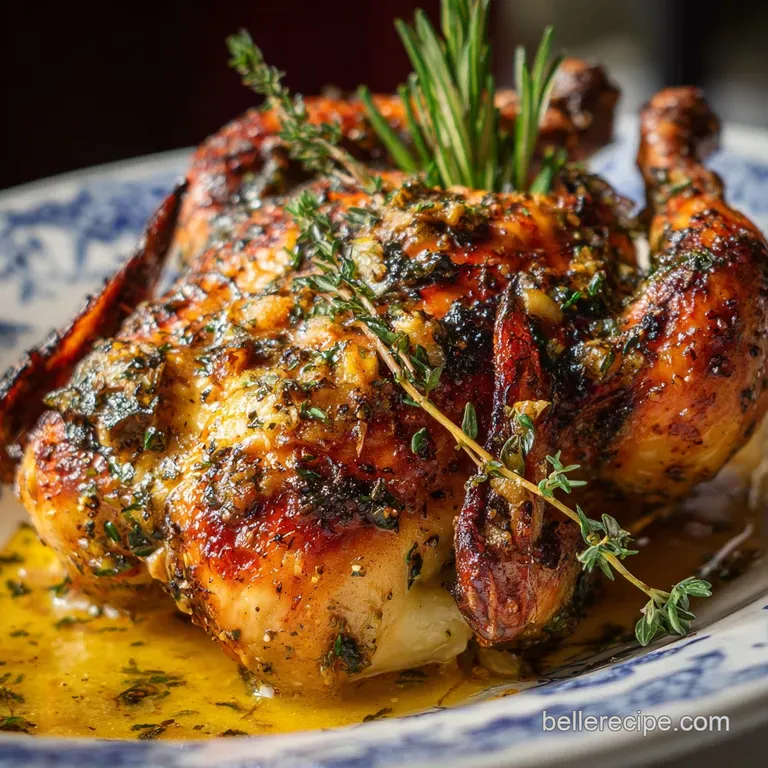
Let's walk through this carefully. Roasting a chicken is a mindful process take your time with the prep, and the oven will do the rest.
- Prep the chicken. Remove the bird from the fridge 30 minutes before cooking. Pat it completely dry with paper towels. Note: Dry skin is the only way to get a real crunch.
- Make the herb butter. Combine 4 tbsp softened butter with minced rosemary, parsley, grated garlic, and lemon zest. Mix until it looks like a vibrant green paste.
- Apply the flavor. Use your fingers to gently separate the skin from the breast meat. Shove half of the herb butter under the skin on both sides. Rub the remaining butter over the outside of the skin.
- Stuff the cavity. Place the halved lemon, halved garlic head, and thyme sprigs inside the chicken. This creates an aromatic sauna for the meat.
- Set the stage. Scatter the halved fingerlings, carrots, and quartered shallots in the bottom of your skillet. Season them with a pinch of salt and pepper.
- Nestle the bird. Place the chicken directly on top of the vegetables. Cook at 425°F for 1 hours 15 mins until the skin is mahogany and the juice runs clear.
- Verify doneness. Insert your thermometer into the thickest part of the thigh. It should read 160-165°F. The skin should feel like a thin sheet of glass when tapped.
- Rest the meat. Move the chicken to a cutting board. Let it sit for 15 minutes. Note: Skipping this will cause all the juices to run out on the board instead of staying in the meat.
- Deglaze the pan. Place the skillet with the veggies over medium heat on the stove. Pour in 0.5 cup Champagne and 0.5 cup chicken stock.
- Finish the sauce. Scrape the bottom of the pan to release the flavor. Simmer for 5 minutes, then whisk in 1 tbsp cold butter. Wait until the sauce becomes velvety and coats the spoon.
Solving Your Cooking Problems
Even the best cooks run into hiccups. Here is how to handle the most common issues when making Easy Valentine's Day chicken recipes.
Why Your Chicken Skin is Rubbery
This usually happens because the oven temperature was too low or there was too much moisture in the pan. If you crowd the pan with too many watery vegetables, they steam the bird instead of roasting it. Always pat the bird dry and ensure your oven is fully preheated to 425°F.
Preventing Soggy Vegetables
If your potatoes are mushy, it’s likely they were swimming in too much liquid. Make sure you aren't adding the stock or Champagne until after the chicken is finished roasting. The vegetables should roast in the chicken fat (schmaltz) alone during the first hour to get those crispy, caramelized edges.
| Problem | Root Cause | Solution |
|---|---|---|
| Dry Breast Meat | Overcooking or lack of fat | Use the under skin butter method and pull at 160°F. |
| Pink Thigh Joints | Uneven heat distribution | Truss the legs loosely to allow heat to reach the inner thigh. |
| Bitter Sauce | Burnt garlic or seeds | Strain the pan sauce through a fine mesh sieve before serving. |
Common Mistakes Checklist
- ✓ Forgetting to pat the chicken dry (leads to rubbery skin)
- ✓ Using "cooking wine" instead of real Champagne or dry wine (too salty)
- ✓ Crowding the vegetables in a pan that's too small (they will steam, not roast)
- ✓ Slicing the chicken immediately after taking it out of the oven
- ✓ Placing the chicken in a cold oven rather than waiting for full preheat
Variations and Flavor Ideas
Once you master the basic roasted chicken recipe for two, you can start playing with the flavor profile to match the vibe of your Galentines and Valentines celebration.
The Spicy Galentine
If your friend group loves a bit of heat, swap the rosemary and parsley for a tablespoon of Harissa paste and a teaspoon of smoked paprika. The skin will turn a deep, vibrant red, and the pan sauce will have a smoky, spicy kick that pairs perfectly with a chilled rosé.
The Truffled Romance
For an elegant roasted chicken recipe for two, mix a teaspoon of truffle oil or minced black truffles into the butter. The earthy, decadent aroma that fills the kitchen as it roasts is absolutely intoxicating. It turns a simple chicken into a high end restaurant experience.
Decision Shortcut: Choosing Your Vibe
- If you want Classic Comfort, use the rosemary garlic butter and fingerling potatoes.
- If you want Bright and Fresh, add extra lemon zest and swap carrots for asparagus in the last 15 minutes.
- If you want Rich and Decadent, use the truffle butter variation and serve with a side of creamy polenta.
Storage and Reheating Guide
Roasting a whole bird often leaves you with some wonderful leftovers. Don't let them go to waste!
Storage:Fridge: Store leftover chicken and vegetables in an airtight container for up to 3 days. Freezer: You can freeze the cooked meat (off the bone) for up to 2 months. I don't recommend freezing the roasted potatoes as the texture becomes grainy.
Reheating: The best way to reheat this without drying out the meat is in a 350°F oven. Place the chicken in a baking dish with a splash of chicken stock, cover it with foil, and heat until warmed through (about 15 minutes).
For the skin, a quick 2 minute blast under the broiler will help bring back some of that crunch.
Zero Waste Tip: Never, ever throw away the carcass! Put the bones in a large pot with some onion scraps, carrot tops, and water. Simmer for 4 hours to make a "Liquid Gold" chicken stock that you can use for your next soup or risotto.
Creative Serving Suggestions
Presentation is everything for a Galentines and Valentines Day Dinner Menu with Roasted Chicken. I love bringing the whole cast iron skillet to the table. It looks rustic, beautiful, and keeps everything hot while you pour the drinks.
Romantic Roasted Chicken Sides: While the potatoes and carrots in the pan are a meal in themselves, a crisp green salad with a simple lemon vinaigrette provides a needed "bright" contrast to the rich meat.
If you want something even more substantial, a side of crusty sourdough bread is essential for mopping up every last drop of that Champagne pan sauce.
Plating Tip: When carving the bird, separate the drumsticks, thighs, and wings first. Slice the breast meat against the grain in thick pieces. Fan the meat out over the roasted vegetables and pour the glossy sauce directly over the sliced breast meat just before serving.
It looks professional and keeps the meat moist until the very first bite.
Myths About Roasting Chicken
Myth 1: You must baste the chicken every 20 minutes. Truth: Opening the oven door drops the temperature significantly, which prevents the skin from getting crispy. The herb butter we tucked under the skin does all the "basting" for you from the inside out. Leave that door shut!
Myth 2: Searing the meat first "seals in the juices." Truth: This is a classic kitchen tale. Moisture loss is a result of temperature, not a lack of a "seal." The reason we want a good sear or a high roast is for the Maillard reaction (flavor and color), not to lock in liquid.
Myth 3: You have to wash the chicken before cooking. Truth: Please don't! Washing raw chicken just splashes bacteria all over your sink and counters. The high heat of a 425°F oven will take care of everything. Just pat it dry with a paper towel and you're good to go.
Very High in Sodium
1350 mg mg of sodium per serving (59% of daily value)
The American Heart Association recommends limiting sodium intake to no more than 2,300mg per day.
Tips to Reduce Sodium in Your Roasted Chicken
-
Lower Sodium Stock-30%
Ensure you're using truly low-sodium chicken stock. Some brands labeled 'reduced sodium' still contain a significant amount. Choose a stock with less than 140mg sodium per serving.
-
Reduce Salt by Half-25%
Cut the Kosher salt used for seasoning the chicken skin in half, from 2 tsp to 1 tsp. You can always add a small amount more at the table, if needed. Salt reduction is the simplest way to dramatically improve the sodium content of this recipe
-
Lemon Juice Boost-15%
Enhance the lemon flavor by adding 1 tbsp of fresh lemon juice to the champagne and chicken stock mixture. This will increase the perceived saltiness and provide another flavor dimension.
-
Garlic Powder Alternative-5%
Substitute 1/2 teaspoon of garlic powder to your butter mixture for 1 of the 2 cloves grated garlic, as it's more concentrated and will give more of that garlic flavor.
-
Herb Power!
Experiment with other fresh and dried herbs to boost flavor without adding sodium. Consider marjoram, oregano, or sage.
Recipe FAQs
What is a good menu for Valentine's Day?
Yes, roasted chicken is excellent. Focus on simple, high-quality ingredients and elegant presentation, like a Champagne pan sauce, to elevate a weeknight staple.
What complements roast chicken?
Bright, acidic vegetables and starches work best. Fingerling potatoes roasted in the chicken fat and a crisp salad provide the necessary textural and flavor contrast to the rich bird.
What meals to do with roast chicken?
Serve it simply with pan-roasted root vegetables as a centerpiece. For an even richer experience, use the leftover carcass to make stock for a future risotto or soup.
How to make a menu special for Valentine's Day?
Incorporate luxurious yet easy finishing touches, like Champagne reduction. Mastering the technique of deglazing with quality wine elevates the simple pan drippings instantly; if you enjoyed mastering this technique, see how the same principle works in our Duck Breast Recipe.
How do I ensure my chicken breast stays juicy while the thighs cook?
Use compound butter tucked directly under the skin. This fat melts directly onto the lean breast meat, self basting it while preventing the exterior skin from burning before the dark meat finishes.
Is it true that I must baste the chicken every 20 minutes for crispy skin?
No, this is a common misconception. Opening the oven door repeatedly drops the temperature, which actually steams the skin, preventing it from crisping up properly.
How to build deep flavor in the pan sauce after roasting?
Scrape all the browned bits (fond) from the pan bottom using an acidic liquid. Use dry Champagne or wine to deglaze, followed by stock, then reduce until it coats the back of a spoon.
Romantic Roasted Chicken For Two
Ingredients:
Instructions:
Nutrition Facts:
| Calories | 799 calories |
|---|---|
| Protein | 65g |
| Fat | 49g |
| Carbs | 28g |
| Fiber | 4g |
| Sugar | 5g |
| Sodium | 1350mg |
