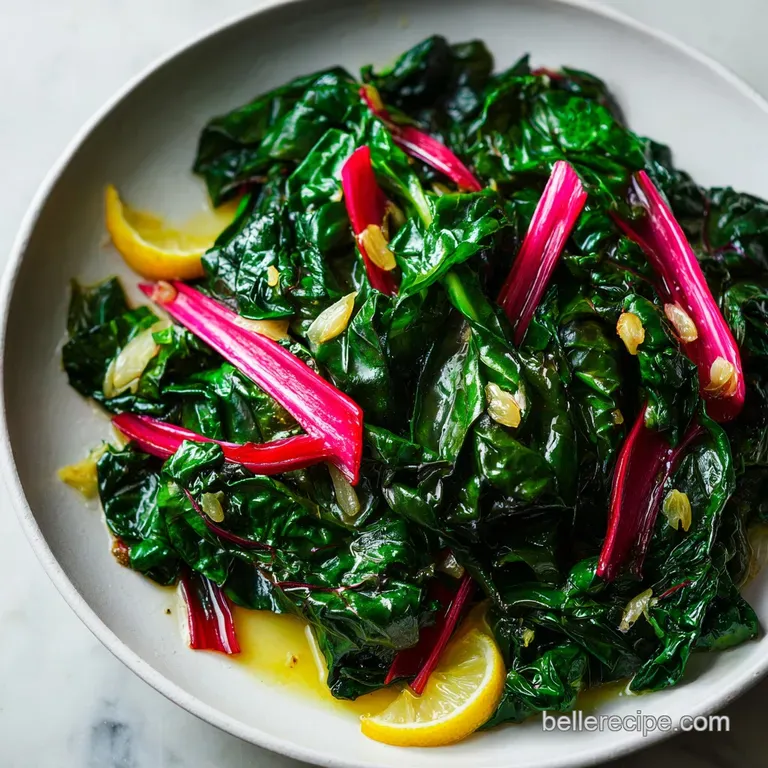
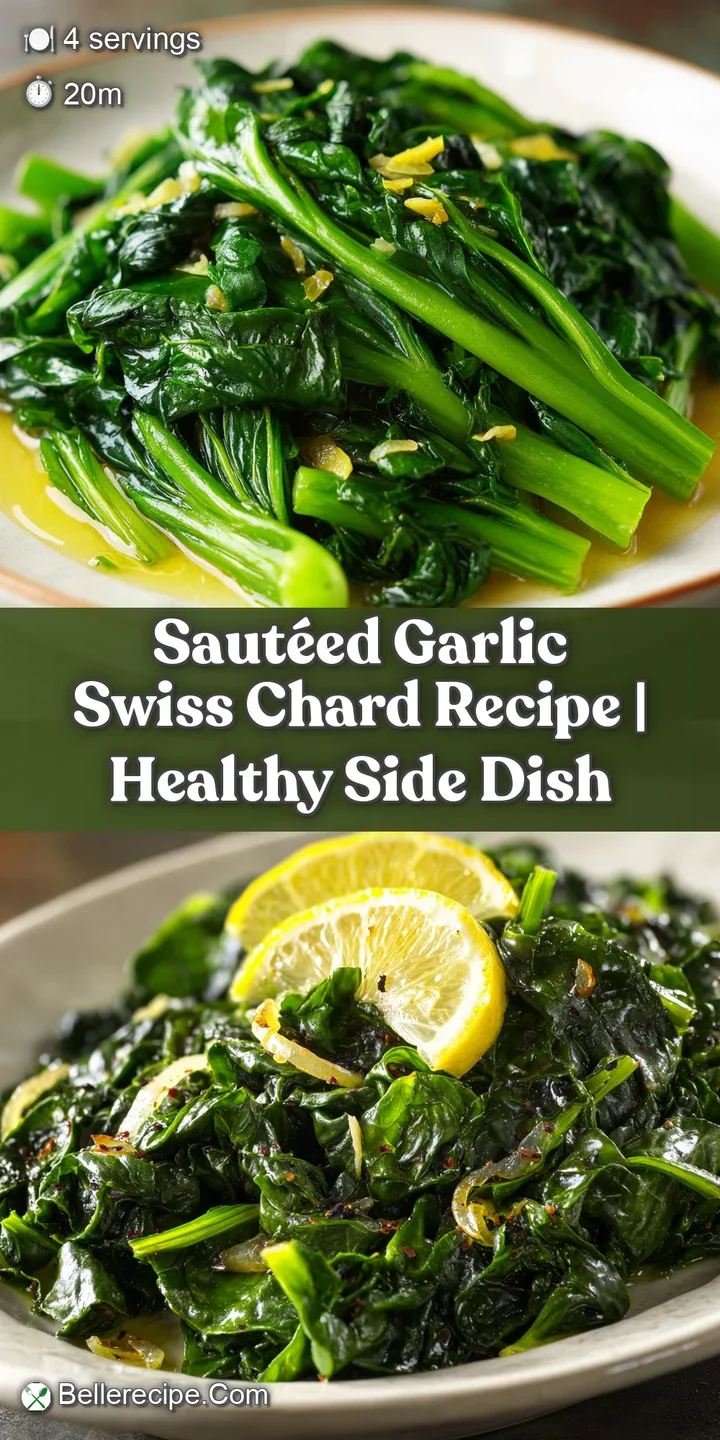
Swiss Chard Recipe with Sautéed Garlic and Lemon
- Time: Active 10 mins, Passive 0 mins, Total 20 mins
- Flavor/Texture Hook: Velvety leaves with a zesty lemon finish
- Perfect for: Quick weeknight sides or healthy meal prep
- Create a Perfect Swiss Chard Recipe with Sautéed Garlic
- Finding Harmony Between Bitter Leaves and Sweet Garlic
- Quick Facts for Planning Your Healthy Side Dish
- Selecting Quality Elements for a Better Flavor Profile
- Essential Gear for Every Home Vegetable Cook
- Clear Steps for Sautéing Your Greens with Ease
- Fixing Sogginess and Bitterness in Your Leafy Greens
- Budget Friendly Twists on This Classic Green Side
- Keeping Your Greens Fresh and Using Scrap Stems
- Simple Ways to Garnish and Serve Your Chard
- Recipe FAQs
- 📝 Recipe Card
Create a Perfect Swiss Chard Recipe with Sautéed Garlic
The first time I brought a bunch of Swiss chard home, I stared at those vibrant, ruby red and sunny yellow stems like they were a puzzle I wasn't quite ready to solve. The kitchen was quiet, and the afternoon sun was hitting the cutting board just right.
I remember the satisfying "snip" of the knife through the thick ribs and that earthy, beet like aroma that filled the room. It felt like holding a piece of the garden in my hands, a simple gift from the soil that just needed a little warmth and care to shine.
I used to think all greens had to be boiled into oblivion, a mistake I made more times than I care to admit. But then I heard that first sizzle of garlic hitting the olive oil and watched the leaves transform from stiff fans into something velvety and rich.
This Swiss chard recipe with sautéed garlic and lemon is a simple, flavorful way to enjoy this nutritious green. It’s a mindful process of watching colors deepen and flavors marry, turning a humble bunch of leaves into a comforting side dish that feels like a hug from the inside.
We’ve all had those moments where we want something nourishing but don't want to spend hours over a hot stove. This dish is the answer to that craving. It’s about taking a few basic ingredients from the pantry oil, salt, a lemon and letting the chard be the star of the show.
Whether you're a seasoned cook or just starting to find your way around a skillet, you'll find that there's something deeply satisfying about the way the garlic turns golden and the lemon zest awakens the whole pan.
Finding Harmony Between Bitter Leaves and Sweet Garlic
Cooking greens is as much about feeling as it is about following a clock. We want to respect the vegetable by not overworking it, letting the heat do the heavy lifting while we stay present with the aromas. The magic happens when the sharp bite of the raw greens meets the mellow, buttery notes of slow cooked garlic.
It’s a transformation that happens in minutes, yet it feels like a total rebirth of the ingredient.
Cellular Softening: Heat breaks down the tough cellulose in the chard leaves, turning them from fibrous to silky in seconds.
Acidic Balancing: The lemon juice acts as a chemical foil to the chard's natural bitterness, brightened further by the citrus oils in the zest.
Aromatic Infusion: Slicing the garlic thin allows it to release allicin slowly into the oil, coating every leaf in a savory fragrance.
Stalk vs. Leaf Timing: Treating the stems like celery and the leaves like spinach ensures the entire plant reaches the same level of tenderness.
| Premium Ingredient | Budget Alternative | Flavor Impact | Savings |
|---|---|---|---|
| Extra Virgin Olive Oil | Grapeseed or Canola Oil | Less peppery, more neutral base. Note: Still produces a great wilt. | Save $3-5 per bottle |
| Fresh Lemon Zest | Bottled Lemon Juice | Missing the bright floral aroma of the skin. | Save $1 per meal |
| Rainbow Swiss Chard | Plain White Chard | Same flavor, just lacks the vibrant colors. | Save $0.50 per bunch |
Choosing the right method for your greens can depend on how much time you have or what kind of texture you're after for your dinner. While most of us reach for the skillet for that classic sauté, some folks find that a quick roast in the oven can provide a different kind of earthy depth that's just as comforting.
| Method | Time | Texture | Best For |
|---|---|---|---|
| Stovetop Sauté | 10 minutes | Velvety leaves, tender crisp stems | Quick weeknight dinners |
| oven-roasted | 15 minutes | Slightly crispy edges, deeply softened ribs | Hands off meal prepping |
Quick Facts for Planning Your Healthy Side Dish
When you're standing in the produce aisle, look for chard that looks like it just woke up vibrant, perky, and without any yellowing at the edges. I always tell my friends to give the stems a little squeeze; they should be firm and snap easily, not feel bendy or rubbery.
If you find a bunch with those giant, umbrella sized leaves, don't be intimidated! They shrink down significantly once they hit the pan, much like spinach does.
For a family of four, one pound of chard is usually just right as a side, though if you're like me and love your greens, you might find yourself wishing you’d bought two bunches. This dish pairs beautifully with a simple protein, or you could even toss it with some pasta for a complete meal. If you're looking for more inspiration on how to handle sturdy greens, you might find my guide on a How to Cook recipe quite helpful for your next kitchen adventure.
| Ingredient | Science Role | Pro Secret |
|---|---|---|
| Swiss Chard | Bulk & Texture | Dry the leaves thoroughly so they sauté instead of steaming. |
| Fresh Garlic | Flavor Base | Sliced thin, it browns more evenly than minced bits. |
| Lemon Juice | Brightness | Add it at the very end to keep the color from dulling. |
Selecting Quality Elements for a Better Flavor Profile
The beauty of a budget smart kitchen is knowing when to splurge and when to save. For this recipe, the garlic and the lemon are your heavy hitters. I always prefer fresh garlic cloves over the pre minced jars because the oils are more potent and the flavor is much cleaner.
If you have a lemon sitting in the fruit bowl that’s looking a little sad, it’s still perfect for this! Even a slightly soft lemon has plenty of juice to give.
- 1 lb Swiss chard: The heart of the dish. Why this? Provides a mineral rich, earthy base that stands up to heat better than spinach.
- 2 tbsp extra virgin olive oil: Our cooking medium. Why this? Adds a fruity richness that complements the bitter greens perfectly.
- 4 large cloves fresh garlic: The aromatic soul. Why this? Slicing them thin creates "garlic chips" that are sweet rather than pungent.
- 0.5 tsp red pepper flakes: A hint of warmth. Why this? Cuts through the richness of the oil and adds a tiny kick.
- 0.5 tsp kosher salt: The flavor enhancer. Why this? Draws out moisture from the stems to help them soften.
- 0.25 tsp black pepper: For a subtle bite. Why this? Rounds out the savory notes of the garlic.
- 1 tbsp fresh lemon juice: The finishing touch. Why this? Its acidity "wakes up" the dish and balances the salt.
- 1 tsp lemon zest: The secret aroma. Why this? Contains essential oils that provide a long lasting citrus scent.
If you're out of lemons, a splash of apple cider vinegar or even a mild white wine vinegar works in a pinch. It won't have that floral citrus note, but it will provide the necessary acidity to balance the earthiness.
I've also used red onion when I was out of garlic; it's a bit sweeter and less punchy, but still very comforting.
Essential Gear for Every Home Vegetable Cook
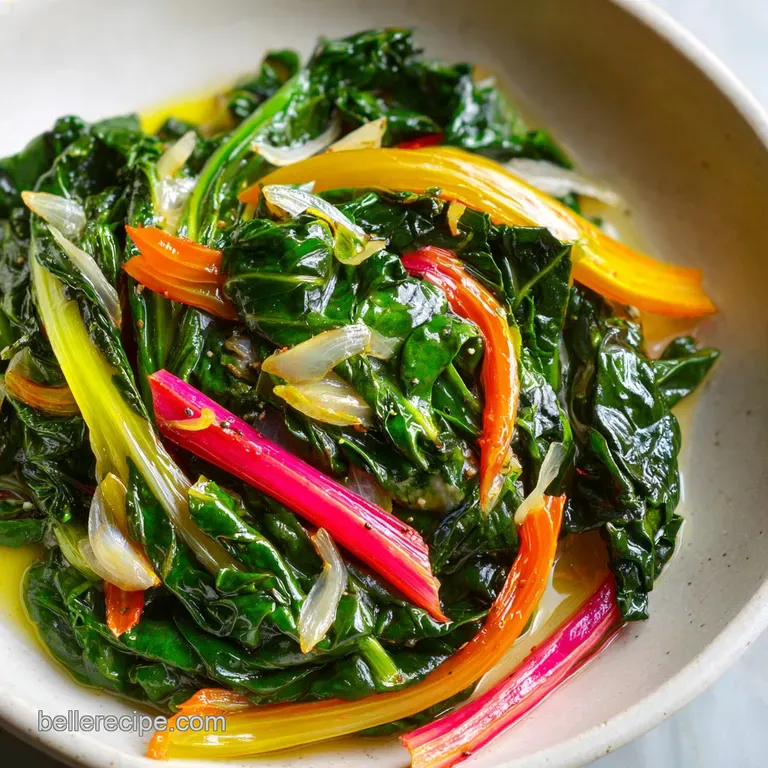
You don't need a fancy kitchen to make a great Chard Recipe with Sautéed Garlic and Lemon. I usually reach for my trusty 12 inch stainless steel skillet. You want something with enough surface area so the leaves aren't piled four inches deep, which leads to uneven cooking.
A cast iron pan is also a wonderful choice because it holds heat so well, giving those garlic slices a beautiful, even tan.
A sharp chef's knife is your best friend here. Since we're separating the stems from the leaves, you want clean cuts that don't bruise the vegetable. I also love using a microplane for the lemon zest it gets just the yellow part of the skin without the bitter white pith underneath.
If you don't have one, the small holes on a box grater work just fine. Just be gentle so you don't scrape your knuckles!
Chef's Tip: If your chard leaves are looking a bit wilted before you even start, submerge them in a bowl of ice water for 10 minutes. They'll drink up the moisture and snap back to life, making them much easier to chop and sauté.
Clear Steps for Sautéing Your Greens with Ease
- Separate the parts. Cut the stems away from the leaves of the 1 lb Swiss chard. Note: This allows us to cook the tough stems longer than the delicate leaves.
- Dice the stems. Chop the stems into 1/2 inch pieces and set aside. Note: Uniform pieces ensure they all soften at the same time.
- Tear the leaves. Roughly chop or tear the green leaves into 2 inch ribbons.
- Heat the oil. Add 2 tbsp extra virgin olive oil to a large skillet over medium heat. until it shimmers but doesn't smoke.
- Sauté the stems. Add the chopped stems to the pan with 0.5 tsp kosher salt. until they are tender crisp, about 4 minutes.
- Add the aromatics. Stir in 4 sliced garlic cloves and 0.5 tsp red pepper flakes. until the garlic is fragrant and pale gold.
- Wilt the leaves. Toss in the chard leaves and 0.25 tsp black pepper. Note: It might look like a lot, but it will shrink rapidly.
- Cook quickly. Sauté for 2-3 minutes until the leaves are wilted and glossy.
- Finish with zest. Remove from heat and stir in 1 tbsp lemon juice and 1 tsp lemon zest.
- Serve immediately. Transfer to a warm bowl while the colors are still vibrant.
Fixing Sogginess and Bitterness in Your Leafy Greens
One of the biggest hurdles with any Recipe with Sautéed Garlic and Lemon is the moisture. Greens are mostly water, and if you wash them right before throwing them in the pan, that extra water turns into steam. This leads to grey, mushy leaves instead of bright, sautéed ones.
I always try to wash my chard an hour ahead of time and let it air dry on a clean kitchen towel. If you're in a rush, a salad spinner is a total life saver.
Why Your Chard Is Tough
Sometimes the stems just won't soften, even after several minutes in the pan. This usually happens with older, larger bunches of chard. The solution is simple: add a tablespoon of water or vegetable broth to the pan and cover it with a lid for 60 seconds.
The steam will penetrate the fibers and finish the job without overcooking the rest of the dish.
| Problem | Root Cause | Solution |
|---|---|---|
| Bitter Aftertaste | High oxalic acid content | Increase the lemon juice or add a tiny pinch of sugar. |
| Soggy Texture | Too much residual water | Dry leaves thoroughly; sauté over medium high heat. |
| Burnt Garlic | Heat was too high | Add garlic only after stems have softened slightly. |
Common Mistakes Checklist
- ✓ Don't skip the stems; they have a wonderful crunch and carry the garlic flavor well.
- ✓ Ensure the pan is hot before adding the greens to prevent them from "stewing."
- ✓ Use a large enough skillet so the leaves have room to hit the hot surface.
- ✓ Add the lemon juice only at the very end to preserve the bright green color.
- ✓ Avoid overcooking; the leaves should be soft but still hold their shape.
Budget Friendly Twists on This Classic Green Side
I’m a firm believer that recipes are just suggestions, not laws. If you’re looking to make this a bit more substantial without spending more money, you can easily adapt it with what's in your pantry. For instance, if you have half a can of chickpeas left over from another meal, toss them in with the garlic!
They get a little crispy and add a nice dose of protein.
- The Umami Twist: Add a teaspoon of soy sauce or a sprinkle of nutritional yeast at the end for a deeper, savory flavor.
- The Mediterranean Crunch: Toast some stale breadcrumbs in a little oil and sprinkle them on top before serving.
- Plant Based Protein Boost: Stir in a handful of cooked white beans or lentils during the last minute of cooking.
If you find yourself with extra lemons and want to keep the Mediterranean theme going, this sautéed chard makes a fantastic side for a Greek Salad Recipe. The cold, crisp cucumber and feta contrast beautifully with the warm, garlicky greens. It's a mindful way to round out a plate without needing a heavy main course.
Keeping Your Greens Fresh and Using Scrap Stems
If you have leftovers, don't let them go to waste! Sautéed Swiss chard keeps surprisingly well in the fridge for up to 3 days. I love reheating it in a small pan and cracking an egg right on top for a quick, comforting breakfast.
The greens absorb the runny yolk, and it feels like a fancy bistro meal for about fifty cents.
For long term storage, you can actually freeze sautéed chard. Just let it cool completely, squeeze out any excess liquid, and pack it into a freezer safe bag. It will stay good for about 2 months.
It won't have that "fresh from the pan" snap when you thaw it, but it's perfect for stirring into soups, stews, or even a morning smoothie if you're feeling adventurous.
To reduce waste, never toss those stem ends. If you have more stems than you want in your sauté, you can pickle them! A simple mixture of vinegar, sugar, and salt will turn those crunchy bits into a bright, tangy snack that lasts for weeks in the fridge.
It's a simple way to honor the whole plant and save a few pennies at the same time.
Simple Ways to Garnish and Serve Your Chard
When it comes to serving, I like to keep things simple and inclusive. A big wooden bowl makes the colors of the rainbow chard pop, and a final sprinkle of flaky sea salt adds a lovely texture. If you're serving this for a special dinner, you might want to add a few shavings of Parmesan cheese.
The salty, nutty cheese melts into the warm leaves and makes the whole dish feel much more decadent.
- If you want more crunch, add a handful of toasted pine nuts or slivered almonds.
- If you want more heat, double the red pepper flakes or add a drizzle of chili oil.
- If you want a creamier feel, stir in a tablespoon of Greek yogurt right before plating.
This Swiss chard recipe with sautéed garlic and lemon is more than just a side dish; it's a reminder that cooking doesn't have to be complicated to be nourishing. It's about the sizzle of the pan, the smell of the garlic, and the simple joy of sharing a meal made with intention.
Trust me, once you try this method, you'll never look at a bunch of greens the same way again. Right then, let's get into the kitchen and start wilting!
Recipe FAQs
Should I cook the chard stems and leaves together?
No, cook the stems first. The stems are significantly thicker and need several minutes of cooking to become tender crisp before the delicate leaves are added.
How to tell if the Swiss chard is done cooking?
The leaves should be wilted and glossy. Stop cooking immediately after the leaves have collapsed and the stems offer little resistance when pressed against the pan.
Why does my sautéed chard taste bitter?
Likely due to insufficient acid balance. The natural earthiness of chard is balanced by bright acidity; ensure you finish with fresh lemon juice to cut through any lingering bitterness.
How to prevent the garlic from burning while sautéing?
Add the garlic after the stems have softened. The garlic should only cook for about 1 minute in shimmering oil until it turns pale gold, not dark brown, to maintain a sweet flavor profile.
Can I substitute fresh chard with frozen chard?
No, stick to fresh for this sauté. Frozen greens release too much moisture during cooking, which results in steaming and a mushy texture instead of a proper sauté.
How long do the chard stems need to cook before adding the leaves?
Sauté the stems for about 4 minutes. This is crucial for achieving an even tenderness throughout the final dish, similar to how you need precision when searing proteins for a dish like My Favorite Steak recipe.
What is the best way to prepare the chard before cooking?
Wash, dry thoroughly, separate stems, and chop. Drying the leaves is the most critical step; excess water will steam the greens instead of allowing them to properly sauté in the oil.
Sauteed Garlic Swiss Chard
Ingredients:
Instructions:
Nutrition Facts:
| Calories | 96 kcal |
|---|---|
| Protein | 2.6 g |
| Fat | 7.2 g |
| Carbs | 6.8 g |
| Fiber | 2.1 g |
| Sugar | 1.4 g |
| Sodium | 485 mg |
