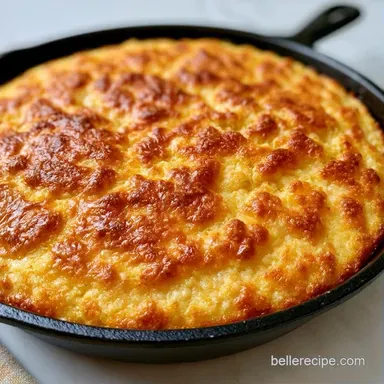
Southern Skillet Cornbread Recipe
- Time: 10 min active + 20 min bake
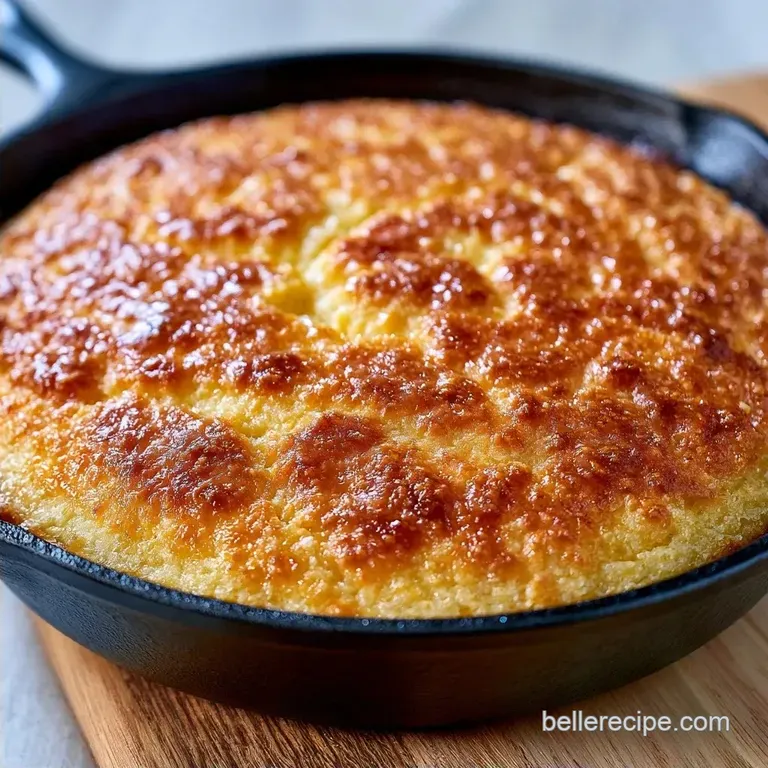
- Flavor/Texture Hook: Shattering mahogany crust with a buttery, tender crumb
- Perfect for: Cozy Sunday dinners or a side for chili
The aroma of browned butter and toasted corn evokes a deep sense of nostalgia and warmth. For years, however, my own attempts fell short. I consistently produced pale, rubbery rounds that resembled bland muffins rather than true cornbread, lacking that essential crunch and feeling soggy underneath.
I eventually discovered that the issue lay with the temperature, not the ingredients. Pouring batter into a cold pan is why so many recipes fail to crisp. This Skillet Cornbread Recipe solves this by treating the cast iron as a frying pan before it ever enters the oven.
This method creates a striking contrast. You get a dark, fried snap along the perimeter while the middle remains soft and golden. It is a rustic, comforting balance that makes this version feel truly authentic.
Why This Bread Actually Works
Hot Cast Iron: Adding batter to a buttered, preheated skillet sears the base instantly. This forms a crisp crust that stops sticking and keeps the interior moist.
Buttermilk Acidity: Lactic acid found in buttermilk triggers a reaction with the baking powder. This aeration produces a light, fluffy rise, preventing the bread from becoming too dense.
The Low Stir Method: Stirring only until the flour is incorporated stops gluten from over-developing. This keeps the crumb soft and tender instead of chewy.
The Must Have Pantry Items
For the best results, use a cornmeal that feels slightly gritty rather than a fine powder. This adds to the rustic texture.
The Dry Base The cornmeal and flour provide the structure. The cornmeal gives that classic flavor, while the flour keeps it from crumbling completely.
The Wet Bind Full fat buttermilk is the key here. If you don't have any, you can use whole milk with a splash of lemon juice, but the flavor isn't as rich. Melted butter adds a nutty depth that oil just can't match.
The Lift Baking powder handles the rising. A pinch of salt is non negotiable because it pulls out the sweetness of the corn.
Quick Recipe Specs
| Detail | Value |
|---|---|
| Prep Time | 10 minutes |
| Cook Time | 20 minutes |
| Total Time | 35 minutes |
| Yield | 8 servings |
This recipe balances a sweet and savory profile. The sugar is kept low so the corn flavor stays front and center, while the butter provides a rich, savory finish.
The Right Cooking Gear
You really need a 9 inch cast iron skillet for this. Other pans don't hold heat as evenly, and you'll miss out on that fried edge. A large mixing bowl and a sturdy spatula also come in handy.
Since we're working with a very hot pan, I suggest using oven mitts that cover your wrists. I once burned my forearm trying to swirl butter in a 425°F pan, and trust me, it's not a feeling you want.
Easy Baking Instructions
Phase 1: The Thermal Prep
- Put a 9 inch cast iron skillet in the oven and set the temperature to 425°F (220°C). Note: Pre-heating the pan is essential for the perfect crust.
- Carefully take the hot skillet out of the oven.
- Add 1 tablespoon (14g) of butter and swirl to coat the bottom and sides. Wait for the butter to sizzle and turn slightly brown.
Phase 2: Integrating the Batter
- In a large mixing bowl, whisk together 1 cup (150g) yellow cornmeal, 1 cup (125g) all purpose flour, 1 tablespoon (12g) baking powder, 1 teaspoon (6g) salt, and 2 tablespoons (25g) granulated sugar.
- Make a well in the middle of the dry ingredients.
- Stir in 1 cup (240ml) full fat buttermilk, 2 large eggs, and 4 tablespoons (56g) melted butter.
- Fold the mixture with a spatula until the flour streaks just disappear. Note: Stop mixing even if a few small lumps remain.
Phase 3: The Sizzle and Bake
- Pour the batter into the center of the hot skillet and smooth the top.
- Return the pan to the oven.
- Bake for 18–22 minutes until the top is deep golden brown and a skewer inserted into the middle comes out clean.
- Let the bread cool in the skillet for 5 minutes before slicing.
Solving Common Baking Issues
If your bread feels too crumbly, you might have overmixed the batter or used a low-fat buttermilk. Overmixing develops too much gluten, which ironically can make the bread feel tougher or cause it to split.
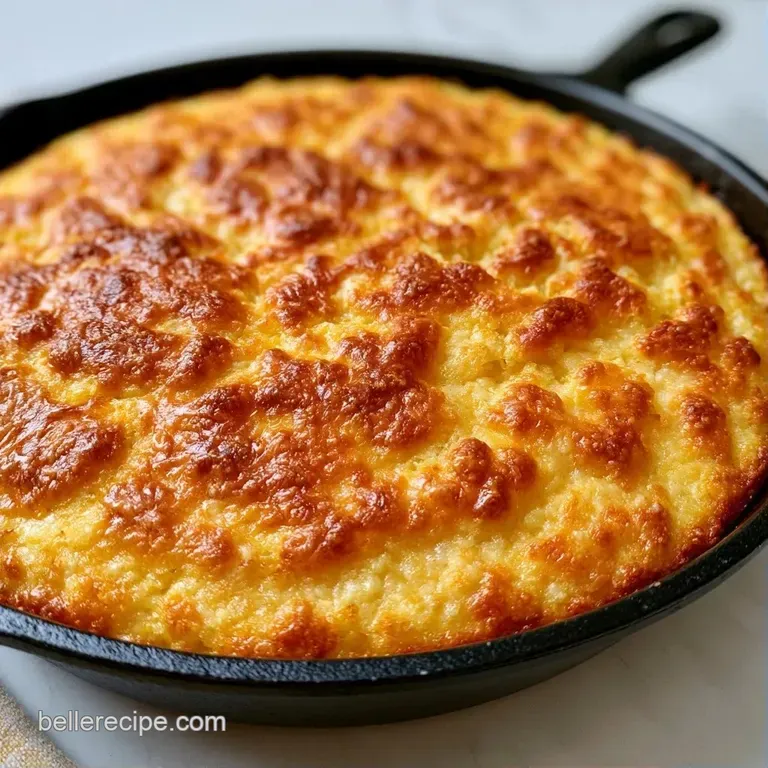
Another common issue is the "pale bottom." This happens when the skillet isn't hot enough before the batter goes in. You want to hear that loud sizzle the moment the batter hits the iron.
Crumbly Texture
When the bread falls apart, it's usually due to a lack of moisture or cutting it too early. Let it rest to let the steam settle.
Lack of Crust
A soft bottom means the pan was cold or there wasn't enough butter to fry the edges.
Bitter Aftertaste
This happens if you use too much baking powder or if the baking powder is expired. Always check your dates.
| Problem | Fix |
|---|---|
| Crumbly bread | Let rest 5 mins before slicing |
| Pale bottom | Preheat skillet at 425°F |
| Bitter taste | Use fresh baking powder |
Keeping it Fresh
Store any leftover slices in a container with a piece of paper towel at the bottom. This absorbs excess moisture and keeps the crust from getting soft. It stays good in the fridge for 3 days.
For the freezer, wrap individual slices in foil. They last about 2 months. To reheat, pop them in a toaster or a dry skillet over medium heat for 2 minutes. This brings back that original snap.
If you have a few stale pieces, don't toss them. Cube them up and sauté them in butter for the best corn based croutons you've ever had.
Ways to Serve it
This Skillet Cornbread Recipe is a powerhouse side. I love serving it with a big bowl of chili or some slow cooked collard greens. For a more hearty meal, it pairs brilliantly with a cast iron steak because the buttery bread soaks up the pan juices.
For a simple snack, just serve it warm with a slab of salted butter and a drizzle of raw honey. The sweetness of the honey cuts through the richness of the butter.
Fun Flavor Twists
Feel free to customize this recipe to your liking. For a salty, savory twist, stir in a handful of shredded sharp cheddar and some diced jalapeños.
For a more traditional approach, check out my Southern cracklin cornbread for an even crunchier result.
- For a bit more heat
- Add 1/2 tsp cayenne to the flour.
- For a sweeter taste
- Increase the sugar to 4 tablespoons.
- For a thicker consistency
- Swap 1/4 cup of buttermilk for heavy cream.
Fresh vs Shortcut Comparison
| Ingredient/Tool | Fresh/Traditional | Shortcut/Alternative | Result |
|---|---|---|---|
| Buttermilk | Real Cultured | Milk + Lemon Juice | Fresh is tangier; shortcut is milder |
| Pan | Cast Iron | Glass Baking Dish | Cast iron crisps edges; glass steams them |
| Butter | Unsalted | Vegetable Oil | Butter adds flavor; oil provides moisture |
Dairy-free Options
Substitute buttermilk with almond milk mixed with apple cider vinegar. Use melted coconut oil instead of butter. The texture remains largely the same, although you will lose the buttery scent.
Gluten-free Tweak
Use a 1:1 gluten-free blend instead of all-purpose flour. Since you don't have to worry about gluten development, you can stir the batter more thoroughly to ensure it is perfectly smooth.
Baking Truths
Many people believe that adding more sugar helps the bread rise more. That's actually a myth. Sugar can actually weigh down the batter and make it denser if you use too much. The lift comes from the reaction between the buttermilk and the baking powder.
Another misconception is that you must use a wooden spoon for mixing. While it's traditional, a silicone spatula is actually better. It allows you to fold the batter more efficiently, which helps prevent overmixing.
Scaling Your Batch
To make a smaller portion, you can halve the ingredients. Use a 6 inch skillet instead of the 9 inch version. Decrease the baking time by about 20%, ensuring you still look for that golden brown color. To halve the egg, beat one in a bowl and use half of the mixture.
If you're doubling the batch, I recommend using two separate 9 inch skillets rather than one oversized pan. A pan that's too deep often leads to burnt edges and a raw center. If you prefer a larger, deeper pan, reduce the oven temperature to 400°F (200°C) and extend the baking time by 5 to 10 minutes.
This helps the heat penetrate the middle without scorching the top.
Now you're ready to whip up a fantastic Skillet Cornbread. Just remember: a hot pan, minimal stirring, and a little patience while it rests. Trust me, that first bite of the crispy edge is worth every second. Let's get baking!
Recipe FAQs
How to cook cornbread in a skillet?
Preheat a 9-inch skillet at 425°F. Coat the hot pan with butter, pour in the batter, and bake for 18–22 minutes until golden brown.
Is it true that cast iron is the only way to get a good crust?
That's a myth. While it creates a superior sear, any oven-safe pan works, though you will lose that signature mahogany edge.
What does adding flour to cornbread do?
Flour creates a softer, cake-like crumb. Pure cornmeal can be gritty or crumbly, so the flour provides structural stability and a more tender bite.
How do you get those fried edges?
Pour the batter into a sizzling hot pan. The high heat instantly sears the outer perimeter, creating a crisp, fried texture before the center sets.
Why use buttermilk in the batter?
The acidity reacts with baking powder for a better lift. This prevents the bread from becoming a dense block and adds a subtle tang that balances the sugar.
What other dishes work well in a cast iron skillet?
Almost any seared or baked dish. If you enjoyed the crust development here, you can use the same pan to prepare homemade baked beans for a classic Southern meal.
Skillet Cornbread Recipe in 30 Minutes