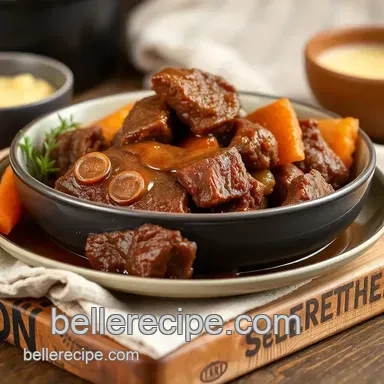
Tender Slow Cooked Beef Pot Roast Delight
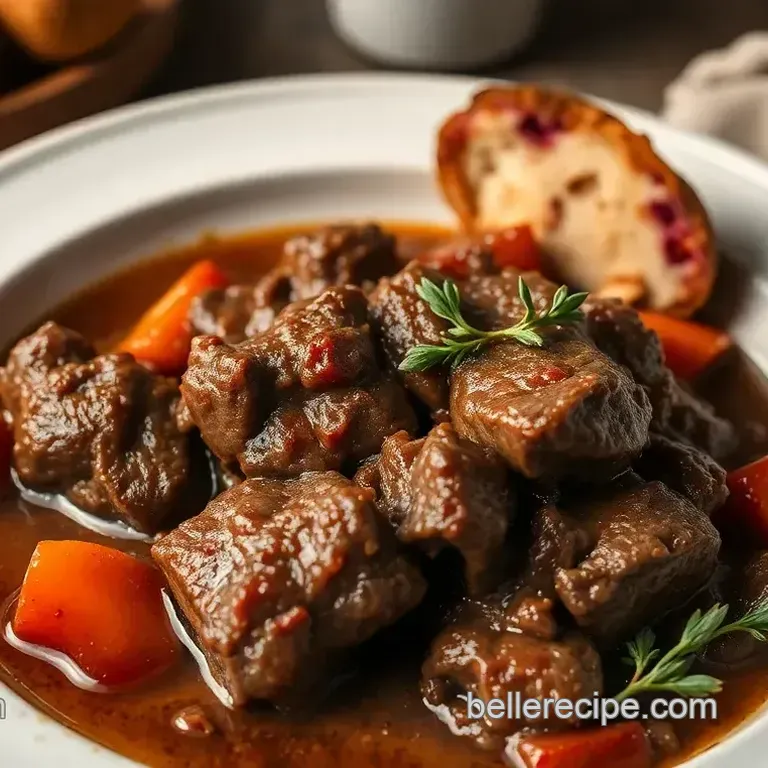
- Time: 15 min active + 8 hours cooking
- Flavor/Texture Hook: A deep mahogany crust paired with tender, buttery root vegetables
- Perfect for: Relaxed Sunday dinners or prepping meals for the week
That loud, aggressive sizzle of a beef roast hitting a hot skillet is my favorite part of Sunday. I once tried this using a lean sirloin, but the result was as tough as a rubber tire.
I learned the hard way that for a Slow Cooked Beef Pot Roast Delight, you need the fat and connective tissue of a chuck roast to get that signature melt-in-your mouth feel.
The appeal of this dish lies in the contrast. The deep, savory intensity of the beef balances the natural sweetness of the carrots and the earthy notes of rosemary. It has the comforting weight of a winter feast but feels light enough thanks to the fresh vegetables.
I've spent a lot of time refining how to keep the vegetables from turning to mush while the meat tenderizes. By creating a vegetable bed, the roast is kept lifted, ensuring the flavors meld together without the dish collapsing into a porridge.
Roast Quick Specs
Right then, here are the basics. This recipe serves about 8 people, making it a great option for families or if you want plenty of leftovers for the week.
- Prep time: 15 minutes
- Cook time: 8 hours
- Total time: 8 hours 15 minutes
- Yield: 8 servings
Why the Roast Works
The low heat converts tough collagen into silky gelatin, which gives the meat its tender texture. Searing the beef first adds complex flavors that simmering alone can't produce.
- The Collagen Shift
- Slow heat breaks down connective tissue into gelatin.
- The Browning Effect
- Searing creates a savory crust that deepens the broth.
- Vegetable Bedding
- Lifting the meat prevents the root vegetables from overcooking.
If you're using a leaner cut of meat, my eye of round roast tips might be more your speed, as leaner cuts need a different approach to stay moist.
Since this is a slow cooker meal, you might wonder if other methods work. Here is how it stacks up against other common ways to cook a roast.
| Method | Time | Texture | Best For |
|---|---|---|---|
| Slow Cooker | 8 hours | Fall apart tender | Hands off cooking |
| Oven (Dutch Oven) | 3-4 hours | Concentrated flavor | Weekend cooking |
| Pressure Cooker | 90 minutes | Very tender | Last minute meals |
What Each Ingredient Brings
For a Slow Cooked Beef Pot Roast Delight, the quality of the beef is the star. I always look for a chuck roast with a good amount of white marbling running through the red meat.
| Ingredient | What It Does | Best Swap |
|---|---|---|
| Beef Chuck Roast | Provides fat and collagen | Bottom Round (Tougher) |
| Bone Broth | Adds depth and minerals | Low sodium beef stock |
| Worcestershire | Adds umami and tang | Soy sauce + lemon juice |
| Yukon Gold Potatoes | Holds shape well | Red potatoes |
The Main Components
- 3 lbs beef chuck roast, trimmed of excess external fat Why this? High fat content prevents drying out
- 2 tbsp olive oil
- 1 tsp coarse sea salt
- 1 tsp cracked black pepper
- 2 cups low sodium beef bone broth Why this? More body than standard stock
- 2 tbsp Worcestershire sauce
- 4 cloves garlic, smashed
- 3 sprigs fresh thyme
- 2 sprigs fresh rosemary
- 1 lb carrots, cut into 2 inch chunks
- 1.5 lbs Yukon Gold potatoes, halved Why this? Creamier texture than Russets
- 1 large yellow onion, quartered
- 3 stalks celery, cut into 2 inch pieces
The Gear You'll Need
You can get by without an expensive kitchen, but the right tools make things easier. A heavy stainless steel skillet is my go-to for the sear, as it holds heat far better than non-stick options.
- 6 quart (or larger) slow cooker
- 12 inch cast iron or stainless steel skillet
- Tongs for flipping the meat
- Paper towels for drying the beef
- Meat thermometer (digital probe)
Making the Roast Delight
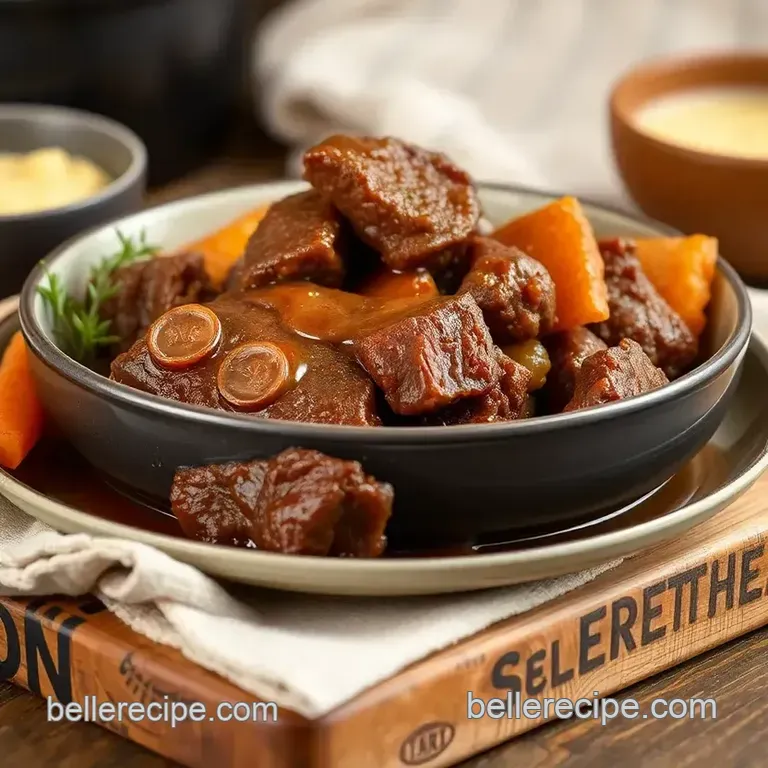
Patience is the secret to a Slow Cooked Beef Pot Roast Delight. Avoid rushing the searing or the simmering process to ensure you capture the deepest flavors.
1. Creating the Mahogany Crust
Use paper towels to remove all moisture from the beef. Season generously with salt and pepper. Warm olive oil in a pan over medium high heat until shimmering. Brown the roast for 5–7 minutes per side until a deep, mahogany colored crust forms.
Note: Moisture free meat browns more quickly and consistently.
2. Building the Vegetable Bed
Layer the quartered onions, celery, carrots, and potatoes at the base of the slow cooker. Distribute them evenly to create a makeshift rack, which prevents the meat from boiling directly in the liquid.
3. The Slow Infusion
Set the seared beef atop the vegetables. Pour the low sodium bone broth and Worcestershire sauce around the edges of the roast. Add the smashed garlic, thyme, and rosemary sprigs to the liquid and secure the tight fitting lid.
4. The Patient Simmer
Set the slow cooker to Low for 8 hours (or High for 4 hours). The beef is ready when the internal temperature reaches 200°F (93°C) and the meat pulls apart effortlessly with a fork.
Chef's Note: If you have an hour to spare, let the roast rest for 15 minutes before shredding. This prevents the juices from leaking onto the cutting board.
Fixing Your Pot Roast
Even experienced cooks can encounter a few hiccups. Most often, the issue relates to the heat or the duration of the cook.
Meat feels rubbery
If the beef seems tough or rubbery, it is actually underdone. The chuck roast needs to reach 200°F for the collagen to break down completely. Give it another hour in the heat.
Gravy is too thin
The sauce can occasionally be a bit watery. To fix this, whisk a slurry of 1 tbsp cornstarch and 1 tbsp cold water into the hot liquid and simmer for 10 minutes.
Vegetables are mushy
This occurs when vegetables are diced too small. Use 2 inch chunks for your celery and carrots so they hold their shape during the 8 hour cooking process.
| Problem | Fix |
|---|---|
| Rubbery Beef | Cook for 1 more hour on low |
| Watery Sauce | Use a cornstarch slurry |
| Mushy Carrots | Cut vegetables into larger chunks |
Twists on the Roast
You can easily tweak a Slow Cooked Beef Pot Roast Delight to fit your diet or flavor preference. I love experimenting with the liquid to change the mood of the meal.
1. Low Carb / Keto Swap
Replace the potatoes with radishes or cauliflower florets. Radishes lose their sharp bite and become surprisingly potato like when slow cooked.
2. Red Wine Depth
For a richer, more acidic finish, replace one cup of beef broth with a dry red wine like Cabernet Sauvignon. This is similar to a red wine glaze recipe and adds a sophisticated tang.
3. Root Vegetable Feast
Swap the carrots for parsnips and turnips. This creates a more earthy, wintery flavor profile that pairs well with the rosemary.
Decision Shortcut:
- Extra tang? → Add 1 tbsp balsamic vinegar to the broth
- Thicker sauce? → Mash one of the cooked potatoes into the gravy
- Brighter flavor? → Stir in 1 tbsp fresh chopped parsley at the end
Keeping and Reheating Leftovers
This Slow Cooked Beef Pot Roast is even more delicious when eaten the following day, as the savory notes have more time to penetrate the meat.
Keep the beef and vegetables in glass containers in the refrigerator for 3 to 4 days. For extended storage, the dish can be frozen for up to 3 months; simply ensure the liquid has cooled completely before freezing.
When reheating, try to skip the microwave. Instead, warm the leftovers in a pot over low heat with a bit of extra broth to ensure the beef stays tender.
To reduce waste, save your remaining braising liquid. Once strained, it makes an excellent base for a beef stew or can be used to cook rice or quinoa for added depth of flavor.
Serving Your Beef Roast
When serving your Slow Cooked Beef Pot Roast Delight, I suggest plating the vegetables first and nesting the shredded beef on top.
The Classic Pairing
Serve this with a side of buttery mashed potatoes or a crusty baguette to soak up every drop of the sauce. A simple side of steamed green beans adds a nice pop of color.
The Fresh Contrast
The richness of the beef needs something bright to balance it. I always serve this with a crisp arugula salad with a lemon vinaigrette. The acidity cuts through the fat and refreshes your palate between bites.
Common Roast Myths
There are a few things people always say about pot roast that just aren't true.
Myth: Searing "seals in" the juices. Truth: Searing doesn't stop moisture loss. It creates a browned crust that adds deep, savory flavor to the whole pot.
Myth: You must use a slow cooker for this. Truth: A Dutch oven in the oven works great too. The slow cooker is just more convenient because you can leave the house while it works.
Myth: Leaner meat is better for roasting. Truth: Lean meat like sirloin will dry out and become tough. The fat in a chuck roast is what makes the dish tender.
Recipe FAQs
Do I need to sear the beef first?
Searing creates a deep crust and adds complex flavors that simmering alone cannot produce. This step ensures your roast doesn't look grey and tastes much richer.
Can I use a different cut of beef?
Stick to beef chuck roast for the best results. Leaner cuts lack the collagen needed to stay moist, though you can apply different high heat techniques when preparing a roasted beef tenderloin.
How do I know when it’s done?
Check that the internal temperature has reached 200°F (93°C). The meat should also shred effortlessly with a fork.
Would cooking on high instead of low work?
Set the slow cooker to high for four hours instead of eight. This saves time, although the longer low setting usually produces more tender meat.
Is it true that vegetables should be placed on top of the beef?
False. Placing vegetables on top risks overcooking them into mush. Build a vegetable bed at the bottom so the roast stays lifted and the roots cook evenly.
What happens if I skip the Worcestershire sauce?
The roast will still be delicious, but it will lose some savory depth. This ingredient provides the umami punch that balances the natural sweetness of the carrots.
Which potatoes work best for this recipe?
Use Yukon Gold potatoes because they hold their shape well. They offer a buttery texture that doesn't disintegrate during the long cooking process.
Slow Cooked Beef Pot Roast Delight