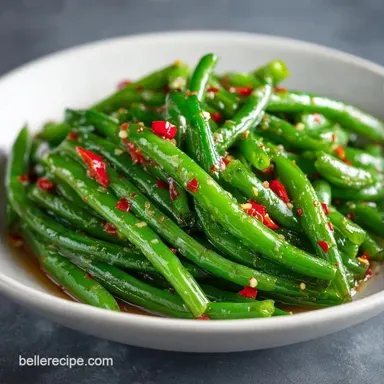
Spicy Pickled Green Beans: with Habanero Heat
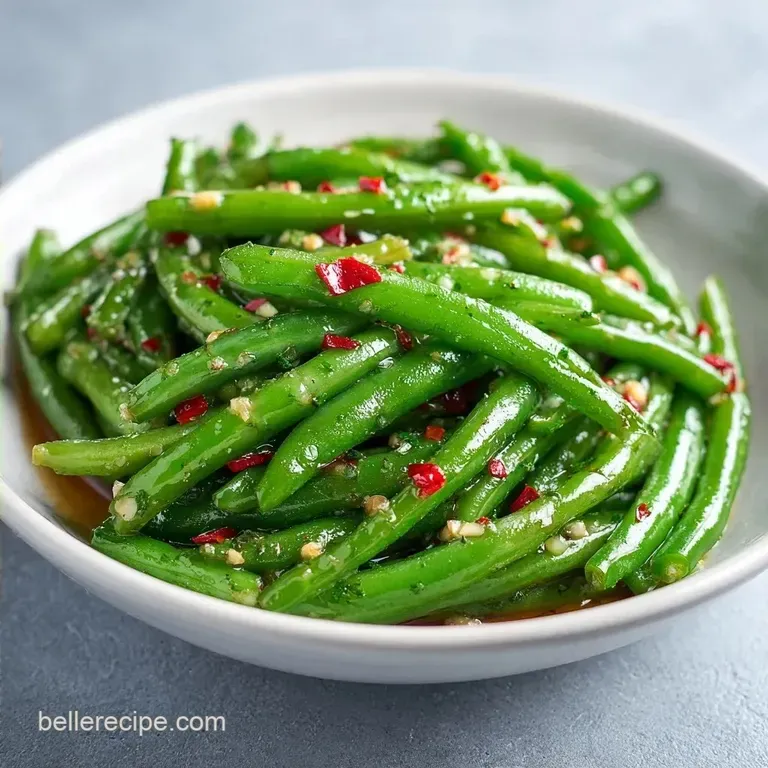
- Time: 15 min active + 24 hours chilling
- Flavor/Texture Hook: Sharp, vinegary snap with a slow burn habanero finish
- Perfect for: Bloody Mary garnishes, charcuterie boards, or a zesty midnight snack
The sharp, vinegary steam hits your face the second the brine starts to simmer. It's a bright, aggressive aroma that mixes with the floral heat of sliced habaneros, filling the kitchen with a scent that promises something punchy.
I remember the first time I brought these to a family potluck, thinking they might be too intense for my cousins. I was wrong. The jar was empty within twenty minutes, leaving only a few floating peppercorns and a lot of people asking for the recipe.
There is something so satisfying about that first bite. You get the immediate tang of distilled white vinegar, followed by the crisp snap of the bean, and then that creeping heat that settles at the back of your throat.
It's a contrast of temperatures and textures, especially when you pull them straight from the fridge.
This version of Spicy Pickled Green Beans focuses on that balance. We aren't just making them sour, we're building layers of heat and salt that turn a simple vegetable into a bold condiment.
Whether you're using them to brighten up a heavy meat platter or just eating them by the handful, they bring a sunny, electric energy to the table.
Easy Spicy Pickled Green Beans Recipe
The secret to this recipe is the interaction between the heat of the brine and the cell structure of the bean. If you pour cold liquid over the beans, they stay raw and a bit bland. If you boil them, they turn into mush. The hot pour method is the sweet spot.
- Acid Penetration
- Hot vinegar moves faster into the bean's fibers, carrying the salt and spice deeper into the core.
- Texture Lock
- The quick heat shock preserves the snap, preventing that limp, rubbery texture found in cheap store-bought pickles.
- Spice Extraction
- Habaneros release their oils more effectively in hot liquid, ensuring the brine is consistently spicy throughout the jar.
- Sugar Balance
- A tiny bit of sugar doesn't make it "sweet", but it rounds off the harsh edges of the vinegar, making the heat feel more integrated.
| Method | Prep Time | Texture | Best For |
|---|---|---|---|
| Quick Fridge | 15 mins | Shattering Crisp | Immediate snacking |
| Water Bath | 2 hours | Slightly Softer | Long term pantry storage |
| Cold Soak | 30 mins | Raw/Firm | Very mild flavor |
The choice of ingredients here isn't random. Every piece serves a purpose in the flavor map, balancing the heavy acidity with earthy notes and sharp heat.
| Ingredient | Science Role | Pro Secret |
|---|---|---|
| Distilled Vinegar | pH Lowering | Use 5% acidity for safety and consistent tang |
| Kosher Salt | Osmosis | Coarser grains dissolve slower and prevent over salting |
| Habaneros | Capsaicin Source | Slice thin to maximize oil release into the brine |
| Mustard Seeds | Emulsion/Depth | Adds a tiny bit of bitterness to cut through the sugar |
The Basic Shopping List
When picking your beans, look for the ones that feel like they might snap if you bent them too far. Avoid the limp ones. I prefer the standard string beans over the thin haricots verts for this recipe because they hold up better to the hot brine.
- 2 lbs fresh green beans, trimmed and cut into 2-3 inch pieces Why this? Uniform pieces ensure even pickling
- 4 cloves garlic, smashed Why this? Smashed garlic releases more allicin than minced
- 2 tsp red pepper flakes Why this? Adds an immediate "surface" heat
- 2 habanero peppers, sliced Why this? Provides the deep, floral heat
- 2 cups distilled white vinegar Why this? Neutral flavor lets the spice shine
- 1 cup filtered water Why this? Prevents chlorine taste from affecting brine
- 2 tbsp kosher salt Why this? Pure salt without additives prevents cloudy brine
- 1 tbsp granulated sugar Why this? Balances the sharp acidity
- 1 tsp black peppercorns Why this? Adds a woody, earthy undertone
- 1 tsp mustard seeds Why this? Traditional pickling flavor and texture
If you find habaneros too intense, you can swap them for jalapeños. According to the USDA FoodData, different pepper varieties vary wildly in capsaicin levels, so adjust based on your tolerance.
| Original Ingredient | Substitute | Why It Works |
|---|---|---|
| Distilled White Vinegar | Apple Cider Vinegar | Fruitier taste. Note: Changes color to a duller olive |
| Habaneros | Jalapeños | Milder heat. Note: Less floral, more "grassy" flavor |
| Kosher Salt | Sea Salt | Similar mineral profile. Note: Avoid iodized salt to prevent cloudiness |
| White Sugar | Honey | Natural sweetener. Note: Makes the brine slightly thicker |
You don't need a professional kitchen for this, but a few specific tools make it easier. I use a medium stainless steel saucepan because aluminum can sometimes react with the high acidity of the vinegar, giving the brine a metallic tang.
For the jars, I always go with Ball or Kerr pint sized mason jars. They seal tightly, which is vital when you're storing these in the fridge for a week or two. A slotted spoon is also a lifesaver when you're serving them, so you don't dump a cup of spicy liquid all over your plate.
The step-by-step Process
Right then, let's get into the actual making. The goal here is efficiency. You want the brine to hit those beans while it's still steaming.
- Pack the smashed garlic, red pepper flakes, and sliced habanero peppers evenly across the bottom of four pint sized mason jars. Note: Putting the spice at the bottom ensures the beans are infused from the base up.
- Stand the green bean pieces upright in the jars, packing them tightly. Turn jars on their side while packing to fill any gaps. Note: Tighter packing prevents the beans from floating to the top.
- In a medium stainless steel saucepan, combine white vinegar, water, salt, sugar, peppercorns, and mustard seeds.
- Bring the brine to a simmer over medium high heat, stirring until salt and sugar are completely dissolved. Wait until you see small bubbles breaking the surface.
- Carefully pour the hot brine over the beans in the jars, leaving 1/2 inch of headspace at the top. Note: Headspace allows the liquid to expand and contract during cooling.
- Tap the jars gently on the counter to release air bubbles, seal lids tightly, and let cool to room temperature.
- Transfer jars to the refrigerator and chill for at least 24 hours before serving. The beans should change from bright green to a muted olive color.
Trust me on the 24 hour wait. If you eat them too soon, you'll only taste the vinegar. After a full day, the habanero heat actually penetrates the center of the bean, creating that consistent, zesty bite.
Avoiding Common Mistakes
One of the most common things I see people struggle with is the texture. If your beans come out soft, it's usually because the brine was too hot for too long or the beans were over packed and trapped too much heat. But don't worry, it's an easy fix for the next batch.
Why Your Beans Are Soft
This usually happens if you boil the beans themselves or if you use an old, tired batch of produce. Freshness is everything here. If you're using beans that have been in the crisper for a week, they've already lost their internal water pressure, and the hot brine will just collapse them.
How to Avoid Cloudy Brine
Cloudiness is usually caused by impurities in the salt or water. If you use table salt with iodine or anti caking agents, those minerals react with the vinegar. Using filtered water and pure kosher salt keeps the liquid crystal clear, which looks much better on a serving platter.
Lack of Heat Penetration
If the brine is spicy but the beans are bland, you likely didn't pack the peppers evenly or you didn't let them chill long enough. The "cure" takes time. For a more intense kick, you can try a Taco Bell Jalapeno Sauce inspired approach by adding a splash of fermented pepper mash to the brine.
| Problem | Root Cause | Solution |
|---|---|---|
| Beans are rubbery | Brine was too cold | Ensure brine is simmering before pouring |
| Brine is too sour | Too much vinegar | Balance with a pinch more sugar or water |
| Floaties at top | Not enough packing | Use a weight or pack beans more tightly |
Mistakes Checklist:
- ✓ Always use distilled white vinegar for a clean, sharp flavor.
- ✓ Don't skip the 24 hour chill time; the flavor develops overnight.
- ✓ Ensure the garlic is smashed, not minced, to avoid "burnt" garlic bits.
- ✓ Use a stainless steel pot to avoid metallic reactions with acid.
- ✓ Check that the beans are truly fresh and "snappy" before starting.
Adjusting Your Batch Size
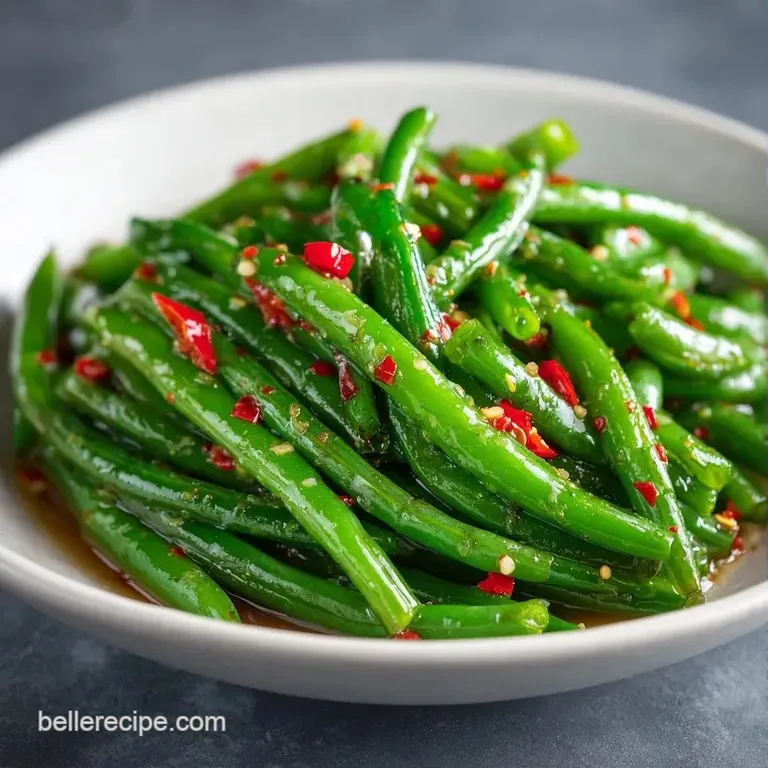
If you're just making a small jar for yourself, scaling down is simple. For a half batch, just divide everything by two. However, keep in mind that the brine will simmer and reduce faster in a smaller pot, so keep a close eye on it to make sure it doesn't evaporate too much.
When scaling up for a big party, don't just multiply the spices by four. Capsaicin can behave aggressively in larger volumes. I recommend scaling the vinegar, water, and salt linearly, but only increase the red pepper flakes and habaneros to about 1.5x or 2x the original ratio first.
You can always add more flakes to the jars, but you can't take them out.
If you're doubling the recipe, work in batches when pouring the brine. If the pot is too heavy, you might spill hot vinegar on yourself, which is a nightmare. Use a steady hand and pour slowly to avoid creating giant air pockets.
| If you want... | Do this... | Expected Result |
|---|---|---|
| Milder heat | Use 1 habanero | Gentle warmth, more vegetable flavor |
| Extra Tang | Add 1/4 cup vinegar | Sharp, punchy brine, better for Bloody Marys |
| Sweeter Finish | Use 2 tbsp sugar | "Bread and Butter" style, cuts the heat |
Pickling Myths
You might hear people say that you need to "blanch" the beans first to make them safe. This isn't true for refrigerator pickles. Blanching actually removes some of the natural snap we're looking for. The acidity of the vinegar handles the preservation for short term fridge storage.
Another common myth is that you can't use different types of beans. While I love standard green beans, you can actually use snap peas or wax beans. The only difference is that wax beans take a bit longer to absorb the heat, so they might need 48 hours in the fridge instead of 24.
Finally, some claim that the sugar is only for taste. In reality, sugar helps the brine cling to the surface of the bean, creating a velvety coating that carries the spice more effectively. It's a structural choice as much as a flavor one.
Storage and Waste Guidelines
These Spicy Pickled Green Beans stay crisp in the fridge for about 3 to 4 weeks. Just make sure the beans stay submerged in the liquid; if they're exposed to air, they can soften or develop a funky taste. Keep the lids tight and the jars cold.
Don't you dare throw away the leftover brine! That spicy, vinegary liquid is gold. You can use it as a marinade for grilled chicken or whisk it into a vinaigrette for a cold potato salad. It's also a secret weapon for cocktails.
A splash of this brine in a martini or a Caesar adds a depth of flavor that you can't get from store-bought mixers.
If you have a few beans left over but no more brine, chop them up finely and toss them into a tuna salad or a chicken salad. They provide a sharp, acidic crunch that cuts through the richness of the mayo.
Best Pairing Ideas
These beans are the ultimate sidekick. Because they are so bright and spicy, they pair beautifully with rich, fatty foods. I love serving them alongside some Smoky & Tangy BBQ Meatballs to balance the sweetness of the barbecue sauce with a sharp, vinegary snap.
For a brunch spread, these are a non negotiable garnish for a Bloody Mary. The habanero heat in the beans mirrors the spice of the drink, and the crunch provides a satisfying contrast to the thick tomato juice.
You can also slide a few into a grilled cheese sandwich for a "gourmet" twist that tastes like a spicy version of a pickle melt.
On a charcuterie board, place them in a small ceramic bowl next to some sharp cheddar, creamy brie, and salty salami. The acidity cleanses the palate between bites of cheese, making each taste feel as fresh as the first. It's a mindful way to enjoy a spread, ensuring no single flavor dominates the experience.
High in Sodium
1083 mg 1,083 mg of sodium per serving (47% 47% of daily value)
The American Heart Association recommends a daily sodium limit of no more than 2,300 mg for most adults to maintain heart health.
Tips to Reduce Sodium
-
Reduce Kosher Salt-25%
Cut the kosher salt by half or replace a portion with a low-sodium pickling salt to significantly lower the sodium load.
-
Use Salt Substitutes-20%
Replace part of the salt with a potassium based salt substitute to maintain the pickling effect with less sodium.
-
Enhance with Acidity-10%
Add a tablespoon of fresh lemon juice or increase the vinegar slightly to provide a sharp tang that mimics the taste of salt.
-
Boost Aromatics
Increase the amount of smashed garlic or add fresh dill to add complex flavors that distract from the lower salt levels.
Recipe FAQs
How do you make spicy pickled green beans?
Pack jars with smashed garlic, red pepper flakes, and sliced habaneros. Simmer a mixture of white vinegar, water, salt, sugar, peppercorns, and mustard seeds, then pour the hot brine over the beans and chill for 24 hours.
Can I use store-bought pickle juice instead of making the brine?
No, homemade brine is essential for the correct flavor and preservation. store-bought juices often lack the specific salt-to-sugar balance required for green beans. If you enjoyed balancing bold flavors in our seasoned fried fish, you will appreciate the precision of this homemade brine.
What spices are used to make the beans spicy?
Habanero peppers and red pepper flakes provide the heat. These are packed at the bottom of the jars to ensure the beans are infused with a sharp, spicy kick from the bottom up.
Do I need to boil the beans before pickling?
No, use fresh, raw beans. The heat from the boiling brine is enough to preserve them while ensuring they maintain a crisp, snappy texture.
How long do spicy pickled green beans last?
They stay fresh for 3 to 4 weeks in the refrigerator. Keep the lids sealed tightly and ensure the beans remain completely submerged in the brine to prevent spoilage.
Why did my pickled beans become soft?
This occurs when the beans are exposed to air. To prevent softening, pack the beans tightly into the jars and ensure the brine covers them completely.
Can I use the leftover brine for other recipes?
Yes, use it as a marinade or in a vinaigrette. This spicy, vinegary liquid is an excellent way to add depth to grilled chicken or a cold potato salad.
Spicy Pickled Green Beans with Habaneros