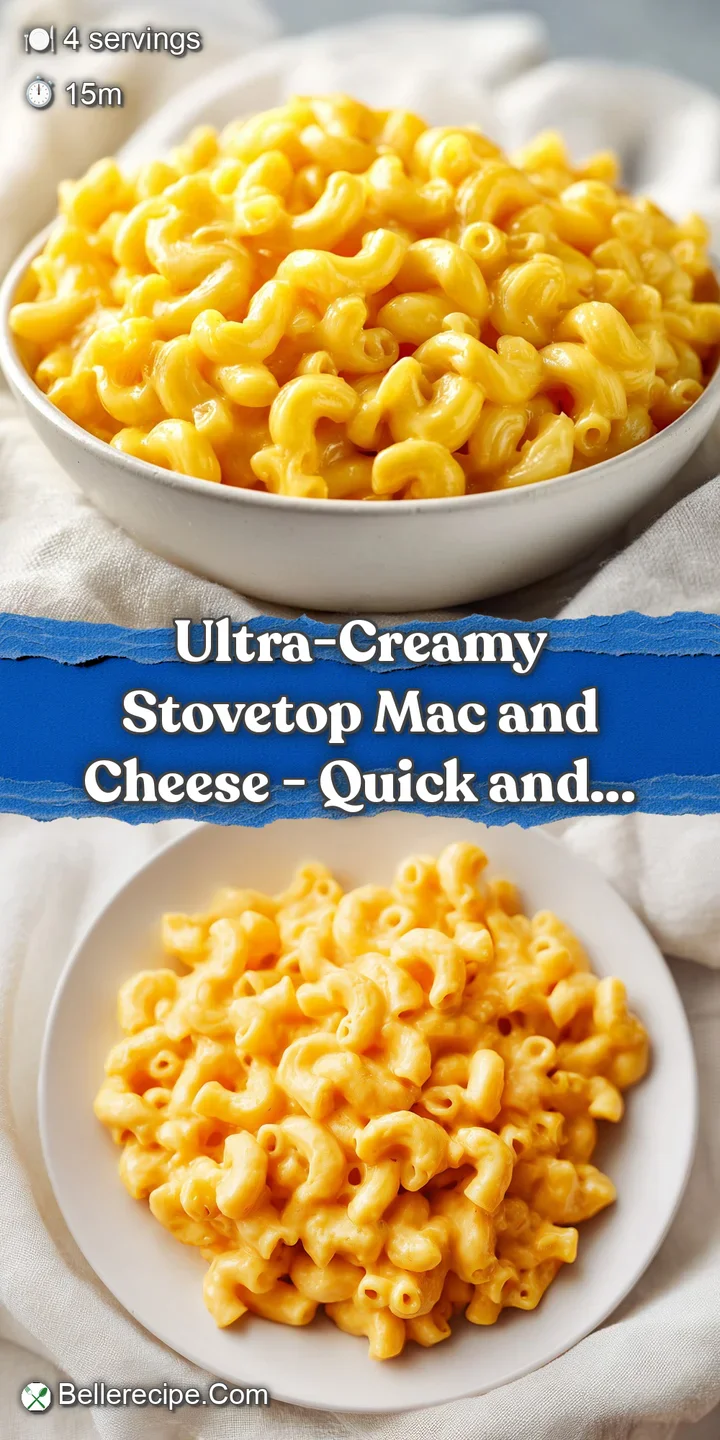
Ultra-Creamy Stovetop Mac and Cheese
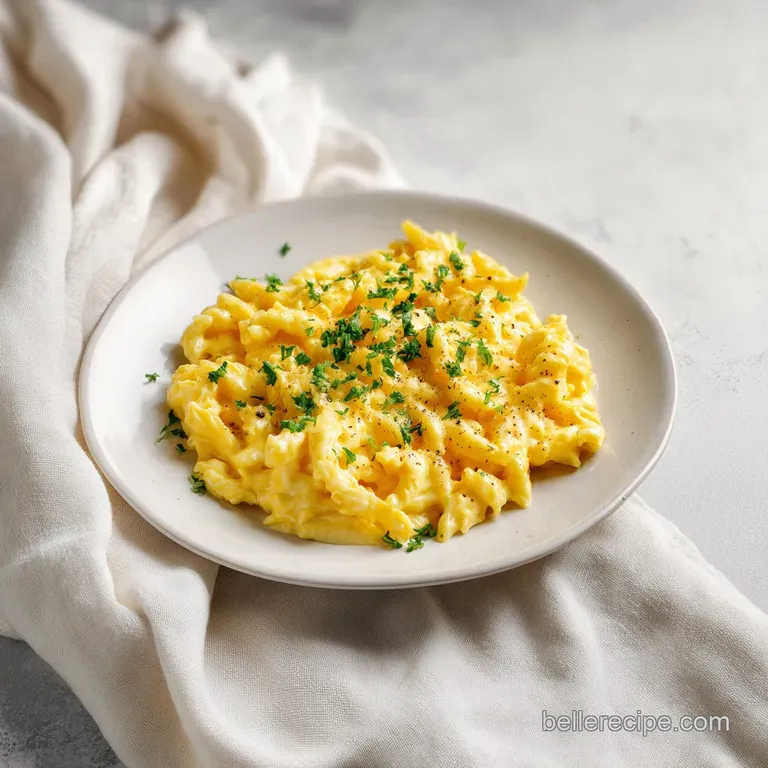
- Time: Active 5 minutes, Passive 10 minutes, Total 15 minutes
- Flavor/Texture Hook: Silky, glossy cheese sauce with a hint of smoky heat
- Perfect for: Quick weeknight comfort or a rainy day lunch
- Master the Best Stovetop Mac and Cheese
- Why This Creamy Stovetop Sauce Works
- Analyzing the Essential Ingredient Roles
- Simple Ingredients and Smart Substitutes
- Essential Kitchen Tools for Success
- Step by Step Cooking Instructions
- Fixing Common Mac Sauce Problems
- Easy Dairy and Gluten Adaptations
- Smart Storing and Reheating Tips
- Delicious Pairings for Your Meal
- Cooking Myths Debunked
- Very High in Sodium
- Recipe FAQs
- 📝 Recipe Card
Master the Best Stovetop Mac and Cheese
The gentle hiss of butter hitting a warm pan always feels like a hug for the kitchen. I remember standing on a worn wooden stool as a child, watching my grandmother whisk milk into a golden roux until it turned into a shimmering, velvety pool.
There is no sound quite as satisfying as the "shloop" of elbow pasta meeting a cheese sauce that has reached that exact state of glossy perfection.
We often overcomplicate comfort, don't we? We think we need five types of expensive cheese or a complicated baking schedule, but the truth is simpler. This stovetop mac and cheese is about the mindful moments the way the dry mustard sharpens the aroma and how the Gruyère adds a subtle, nutty depth that makes you want to close your eyes and just breathe in the steam.
It's a recipe that respects your time and your budget while delivering a result that feels truly special.
When you make this, you aren't just boiling noodles; you are crafting a memory. I've spent years figuring out exactly how to keep that sauce from breaking and how to get the seasoning just right without losing the soul of the dish.
This version is fast, it's honest, and it's exactly what you need when the world feels a little too loud and you just want a bowl of something warm and kind.
Why This Creamy Stovetop Sauce Works
- The Roux Bridge: Mixing equal parts butter and flour creates a stable base that prevents the milk and cheese from separating into an oily mess.
- Starch Retention: Cooking the pasta slightly under (al dente) allows it to soak up the cheese sauce like a sponge during the final toss.
- Residual Heat Magic: Adding cheese after the heat is off ensures the proteins don't tighten up and become grainy or "rubbery."
- Mustard Catalysis: Dry mustard doesn't make it taste like a hot dog; it acts as a subtle emulsifier that helps the fat and water stay bonded.
| Method | Cook Time | Final Texture | Best For |
|---|---|---|---|
| Stovetop | 15 minutes | Silky and glossy | Quick weeknight dinners |
| Baked | 45 minutes | Crispy top, firmer | Potlucks and holidays |
| Instant Pot | 10 minutes | Very soft and starch heavy | Minimal cleanup needs |
Choosing the stovetop method isn't just about speed; it's about control. When we bake macaroni, we often lose that immediate, velvety mouthfeel to the absorption of the oven's dry heat.
By finishing everything in the saucepan, we preserve the moisture and ensure every single curve of the cavatappi is filled with liquid gold. It's the difference between a dish that is "good" and a dish that makes everyone at the table reach for seconds before they've even finished their first.
Analyzing the Essential Ingredient Roles
| Ingredient | Science Role | Pro Secret |
|---|---|---|
| Extra Sharp Cheddar | Flavor & Fat | Use a block and grate it yourself to avoid anti clumping starches. |
| All Purpose Flour | Thickening Agent | Cook it until it smells like toasted bread to remove the raw flour taste. |
| Gruyère Cheese | Elasticity & Melt | This cheese has a lower melting point, which creates that classic "cheese pull." |
When I think about picking the right components, I often look back at what makes the best cheese for grilled cheese so successful. It's all about the moisture content and the age of the cheddar. A younger cheddar melts beautifully but lacks punch, while an extra sharp variety gives us that tangy, sophisticated finish we crave in a high-quality stovetop mac and cheese.
Simple Ingredients and Smart Substitutes
- 8 oz elbow macaroni or cavatappi: These shapes have the best "nooks and crannies" for sauce. Why this? The ridges on cavatappi help the sauce cling better than smooth noodles.
- Substitute: Shells or penne work well if you're in a pinch.
- 2 tbsp unsalted butter: Provides the fat for our thickening base. Why this? Unsalted lets you control the final seasoning perfectly.
- Substitute: Salted butter (just reduce the added sea salt by half).
- 2 tbsp all purpose flour: The structural glue for the sauce. Why this? It creates a smooth, permanent emulsion.
- Substitute: Cornstarch (use 1 tbsp mixed with cold milk first).
- 1.5 cups 2% milk: The liquid base that carries the flavor. Why this? It's rich enough for creaminess without being too heavy.
- Substitute: Whole milk or even a mix of milk and chicken broth for extra savory depth.
- 1.5 cups extra sharp white cheddar: The primary flavor driver. Why this? Sharpness cuts through the richness of the butter.
- Substitute: Orange sharp cheddar if you prefer that classic golden look.
- 1/2 cup Gruyère cheese: Adds a nutty, sophisticated undertone. Why this? It melts much smoother than many other hard cheeses.
- Substitute: Swiss cheese or Fontina for a similar melt.
- Seasonings: 1 tsp sea salt, 1/4 tsp garlic powder, 1/4 tsp dry mustard, 1/8 tsp cayenne pepper. Why this? These bridge the gap between "bland" and "extraordinary."
Essential Kitchen Tools for Success
You don't need a professional kitchen to make a masterpiece, but a few specific items make the process much smoother. First, a heavy bottomed saucepan is your best friend. Thin pots have "hot spots" that can scorch your milk or cause the cheese to seize up before it's fully incorporated.
I prefer a 3 quart stainless steel or enameled cast iron pot for this amount of pasta.
A sturdy balloon whisk is also non negotiable. When you're adding the milk to your roux, you need to be able to get into the corners of the pan to prevent lumps. If you only have a fork, you'll likely end up with little floury bits that never quite dissolve.
Finally, please don't use the pre shredded cheese from the bag. Those bags are coated in cellulose to keep the shreds separate, but that same coating prevents the cheese from melting into a cohesive, silky sauce. A simple box grater will change your life here.
step-by-step Cooking Instructions
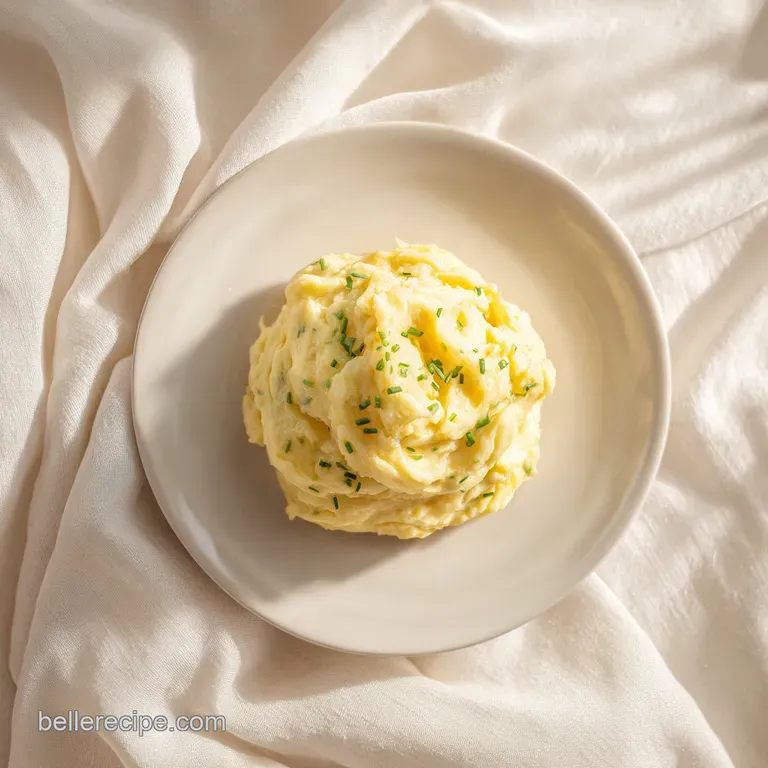
- Bring a large pot of salted water to a rolling boil. Add the 8 oz macaroni and cook for exactly 1 minute less than the package instructions until al dente and firm to the bite. Note: The pasta continues cooking slightly in the hot sauce later.
- In a medium heavy bottomed saucepan over medium heat, melt the 2 tbsp butter. Whisk in the 2 tbsp flour and cook for 1-2 minutes until bubbling and smelling slightly nutty.
- Slowly pour in the 1.5 cups milk while whisking constantly. Note: Adding it slowly prevents the flour from clumping into heavy lumps.
- Whisk in the 1/4 tsp garlic powder, 1/4 tsp dry mustard, and 1/8 tsp cayenne pepper.
- Continue cooking the sauce, whisking frequently, for 3-5 minutes until it is thick enough to coat the back of a spoon.
- Remove the saucepan from the heat immediately. Note: Too much heat at this stage will break the cheese sauce.
- Gradually fold in the 1.5 cups grated cheddar and 0.5 cup Gruyère, stirring gently until the sauce is glossy and the cheese has completely vanished.
- Drain your cooked pasta and add it directly to the saucepan.
- Toss the mixture thoroughly until every noodle is submerged in a thick, creamy coating.
- Serve immediately while the sauce is at its peak silkiness.
Fixing Common Mac Sauce Problems
Why Your Sauce Turned Grainy
This is the most common heartbreak in the kitchen. Usually, it happens because the sauce got too hot. When cheese is exposed to high temperatures, the proteins tighten up and squeeze out the fat, leaving you with little gritty clumps.
It can also happen if you use pre shredded cheese, as the starch coating doesn't always play nice with the liquid.
How to Fix Thick Sauce
If your macaroni sits for a few minutes, the pasta will continue to drink up the liquid, leaving the dish looking a bit dry. Don't panic. You can easily revive it by adding a splash of warm milk or even a tablespoon of the pasta cooking water.
Stir it in gently over the lowest heat possible, and you'll see that shine return in seconds.
| Problem | Root Cause | Solution |
|---|---|---|
| Oily separation | Sauce boiled after cheese was added. | Remove from heat and whisk in a teaspoon of cold milk. |
| Bland flavor | Not enough salt or acid. | Add a tiny pinch of salt or a drop of lemon juice. |
| Lumpy base | Milk was added too quickly to the roux. | Use an immersion blender or whisk vigorously over low heat. |
Common Mistakes Checklist
- ✓ Don't rinse your pasta; the surface starch helps the sauce stick.
- ✓ Grate your own cheese from a block for the smoothest melt possible.
- ✓ Always remove the pan from the burner before adding the cheese.
- ✓ Ensure the milk is at least room temperature to prevent the roux from seizing.
- ✓ Use a heavy pot to distribute heat evenly and prevent scorching.
Easy Dairy and Gluten Adaptations
If you need to scale this recipe down for a solo lunch, it's quite simple. Use 1/4 cup of dry pasta and reduce all other ingredients to roughly 1/4 of their original volume. Since we use a whole egg in some baked versions but not here, scaling is much more linear.
For a larger crowd, you can double the recipe easily, but I recommend keeping the cayenne and dry mustard at 1.5 times the original amount first, then tasting. Spices can sometimes amplify in unexpected ways when you double the volume of liquid.
For those looking for a different profile, you might find that a nacho cheese sauce style of melting using a bit of sodium citrate or processed cheese can create an even more indestructible emulsion if you're planning on keeping the dish in a slow cooker for a party. However, for a mindful home meal, the traditional roux method we've used here offers a more complex and "real" flavor profile that processed options just can't match.
| Feature | Original | Budget Alternative | Impact |
|---|---|---|---|
| Cheese | Gruyère | Extra Sharp Cheddar | Slightly less nutty, still delicious |
| Milk | 2% Milk | Evaporated Milk | Much richer, almost fudge like texture |
| Fat | Unsalted Butter | Margarine | Saves $1-2; flatter flavor profile |
Smart Storing and Reheating Tips
Stovetop mac and cheese is best enjoyed the moment it's made, but life happens. If you have leftovers, store them in an airtight container in the fridge for up to 3 days. When you go to reheat it, don't just throw it in the microwave on high. That will almost certainly break the sauce and leave you with oily noodles.
Instead, put it in a small pot with a splash of milk and heat it over low, stirring constantly until it regains its creamy composure.
If you want to freeze it, I suggest doing so before you add the cheese. You can freeze the cooked pasta and the white sauce (the roux and milk mixture) separately. When you're ready to eat, thaw them, heat the sauce, and then stir in the fresh cheese.
This prevents the "grainy" texture that often happens to frozen cheese sauces. For a zero waste tip, if you have tiny amounts of various cheeses left in the fridge a bit of Monterey Jack, a slice of Provolone grate them all together!
Some of the best stovetop mac and cheese batches I've ever made were "fridge clear out" specials.
Delicious Pairings for Your Meal
While this dish is a powerhouse on its own, it loves a bit of contrast. I usually serve it with something bright and acidic to cut through the heavy creaminess. A simple green salad with a sharp vinaigrette is a classic choice, but roasted broccoli with a squeeze of lemon is also a winner.
The char on the broccoli provides a lovely texture that plays off the soft, velvety noodles.
If you're looking for something more substantial, a few strips of crispy bacon crumbled on top add a smoky "shatter" that is absolutely heavenly. I've even seen people stir in some peas or sautéed spinach at the very end to get their greens in without losing that comfort food vibe.
Whatever you choose, keep it simple. The macaroni is the star of the show, and everything else is just there to support its golden, cheesy glory.
Cooking Myths Debunked
One of the biggest myths in pasta cooking is that you should add oil to the boiling water to keep the noodles from sticking. In reality, this just coats the pasta in a slick film that prevents our beautiful cheese sauce from actually sticking to it.
All you need is a large pot and a quick stir during the first minute of boiling to keep things separate.
Another misconception is that the "sharpness" of cheese disappears when melted. While heat can mellow some flavors, the acidity of an extra sharp cheddar actually helps keep the sauce feeling light on the palate rather than cloying. That "zing" you feel is essential for balancing the heavy fats in the butter and milk.
Finally,, don't believe that you need heavy cream for a creamy sauce. The starch in the flour combined with the proteins in the 2% milk is more than enough to create a luxurious texture without the extra calories or heavy feeling of cream.
It’s all about the technique of the roux, not just the fat content of the dairy.
Very High in Sodium
950 mg 950 mg of sodium per serving (41% 41% of daily value)
The American Heart Association recommends limiting sodium intake to less than 2,300 mg per day for adults.
Tips to Reduce Sodium
-
Choose Lower Sodium Cheeses-15%
Replace extra sharp white cheddar and Gruyère with varieties like part skim mozzarella or Swiss cheese, which are naturally lower in sodium. Aim for freshly grated cheese as pre-shredded versions often contain anti caking agents with added sodium.
-
Reduce Added Salt-25%
Eliminate the 1 tsp of sea salt from the recipe. The cheeses and other ingredients will still provide plenty of flavor.
-
Boost Flavor with Herbs and Spices
Enhance the taste of your macaroni and cheese by adding fresh or dried herbs like chives, parsley, or dill. Consider a pinch of paprika or a dash of black pepper to add complexity.
-
Use Unsalted Butter
Ensure you are using unsalted butter for the roux. This prevents unnecessary added sodium.
Recipe FAQs
Why is my cheese sauce grainy?
No, this is a common misconception that heat makes sauce smoother. If you add cheese while the pan is still on the burner, the proteins denature and separate, causing a grainy texture; always remove from heat before folding in the cheese.
How to prevent lumps in the milk mixture?
Whisk the milk in very slowly, adding just a splash at a time. If you enjoyed mastering this smooth emulsion technique, you can apply the same principle to our pistachio butter recipe for a perfect consistency.
Is it necessary to grate the cheese from a block?
Yes, absolutely. Pre-shredded bags contain anti caking agents like potato starch that prevent the cheese from melting into a smooth, glossy sauce.
Can I use a different type of milk?
Stick to the 2% milk listed for the best results. Using a lower fat content can result in a thinner sauce, while higher fat percentages may change the viscosity of your roux.
How to stop the pasta from becoming mushy?
Cook the noodles for exactly one minute less than the package instructions. Stopping early keeps the pasta firm, ensuring it maintains a perfect texture after it absorbs the heat from the sauce.
Should I rinse the pasta after boiling?
No, never rinse your pasta. The surface starch is essential because it acts as a glue, helping the cheese sauce coat every noodle thoroughly.
What should I do if the sauce is too thick?
Add a small splash of milk and whisk until smooth. Keep the pan off the heat while doing this to ensure the cheese doesn't break or lose its glossy finish.
Stovetop Mac And Cheese
Ingredients:
Instructions:
Nutrition Facts:
| Calories | 542 kcal |
|---|---|
| Protein | 24.7g |
| Fat | 26.4g |
| Carbs | 50.2g |
| Fiber | 2.1g |
| Sugar | 5.4g |
| Sodium | 950mg |
