Carrot Souffle: the Ultimate Light, Sweet, and Perfectly Spiced Side
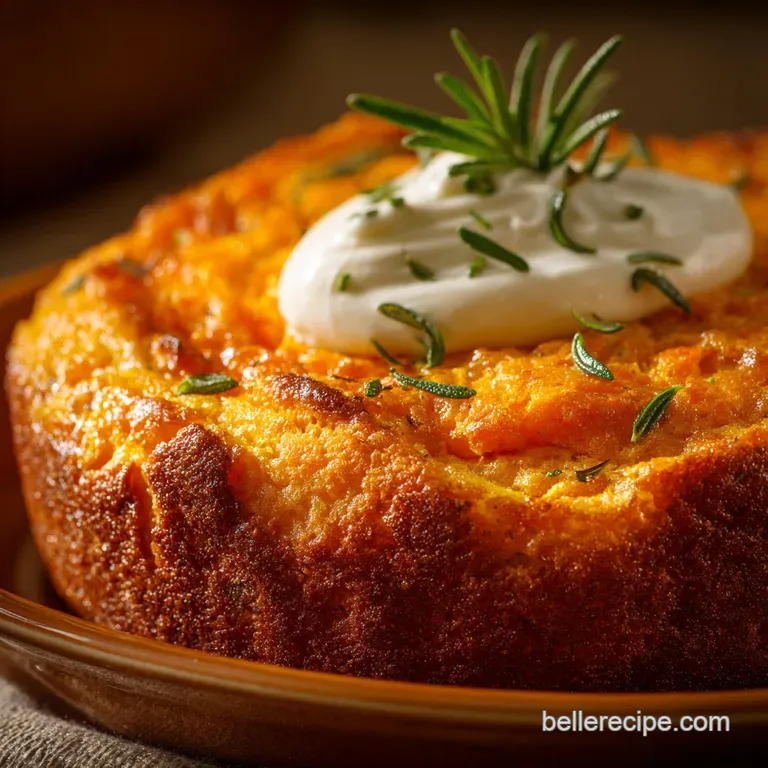
- Introducing the Ultimate Fluffy Carrot Soufflé
- The Science Behind the Airy Texture
- Everything You Need for Your Carrot Soufflé
- Substitutions and Adjustments for Dietary Needs
- Step-by-Step Guide to Perfect Carrot Soufflé
- Troubleshooting and Chef's Secrets for a High Rise
- Storing, Freezing, and Reheating Carrot Soufflé
- What to Pair with This Sweet Side Dish
- Recipe FAQs
- 📝 Recipe Card
Introducing the Ultimate Fluffy Carrot Soufflé
When this Carrot Soufflé bakes, the aroma alone will stop traffic in your kitchen. We’re talking warm butter mixing with cinnamon, nutmeg, and that deep, earthy sweetness of roasted carrots.
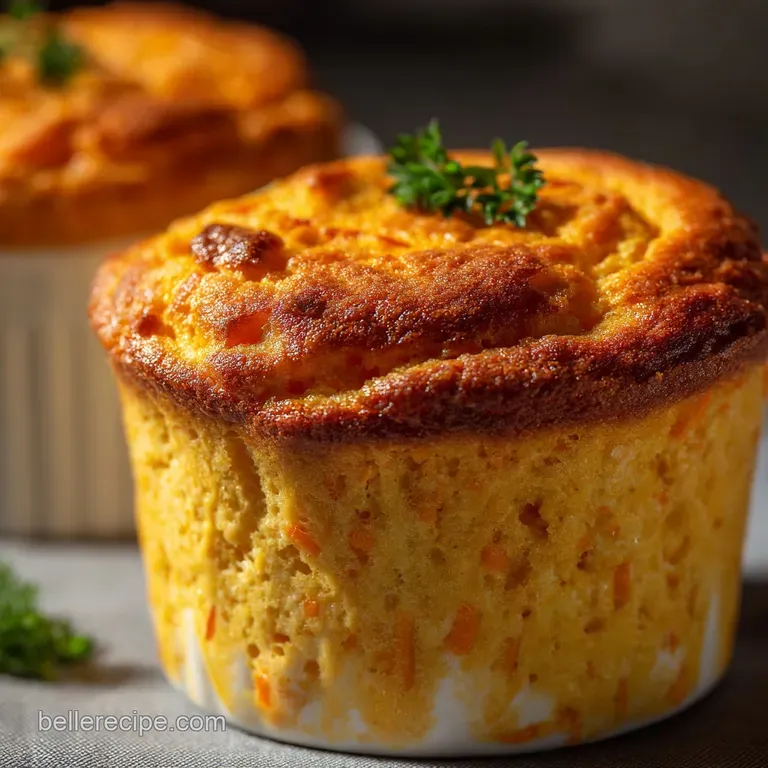
It rises in the oven like a beautiful, golden cloud, offering a pillowy texture that absolutely melts the second it hits your tongue.
This is the side dish that punches way above its weight class. People think soufflés are fussy, impossible restaurant dishes, but the carrot soufflé is surprisingly durable.
It’s a classic Southern preparation think Piccadilly Cafeteria vibes that uses basic pantry staples to create something seriously elegant, perfect for holidays or a fancy Sunday dinner.
Trust me, mastering the gentle art of the fold is 100% worth it for this sweet, spiced, lighter than-air delight. Forget boring steamed carrots forever; let's crack on and get this spectacular carrot souffle recipe into your rotation right now.
The Science Behind the Airy Texture
The Difference Between Casserole and Soufflé
A carrot casserole is typically dense, relying on binders like eggs and flour to hold the structure firm. This carrot souffle recipe easy preparation, however, uses the power of air.
We transform humble egg whites into a stiff, stable meringue and then fold that meringue into a smooth, buttery carrot base. This careful technique is what gives the final product its signature lift and airy texture. It’s light years away from a heavy casserole.
Why the Carrot Soufflé is the Perfect Holiday Side
The beauty of this dish is its versatility. It's sweet enough to feel like a dessert, but savory enough (thanks to the nutmeg and salt) to complement a heavy, rich main course. It handles the rich flavors of ham or turkey beautifully, providing a lovely spiced contrast. It's an absolute requirement on my holiday table every single year, right alongside my Heavenly Carrot Cake Bars with Cream Cheese Frosting - A Family Favorite .
Effort vs. Reward: What Makes This a Medium Difficulty Dish?
The ingredients themselves are simple; the difficulty comes entirely from the technique of incorporating the air. Whipping egg whites is easy, but folding them without squishing out all the trapped air takes finesse and a gentle hand. Do not use a mixer for the final fold!
This is why I rank it as medium difficulty it demands your patience and attention.
Achieving Maximum Air: The Role of Egg Whites
The egg whites are the engine of this dish. When we beat them with a stabilizer like cream of tartar, we are incorporating millions of tiny air bubbles. These bubbles expand dramatically in the heat of the oven, causing the soufflé to rise up the sides of the dish.
Remember, cold eggs separate easier, but room temperature whites whip higher and faster.
Balancing the Sweetness: Carrots, Butter, and Sugar Ratios
The key to a successful carrot souffle is balance. We rely on the natural sweetness of the carrots, especially if you use fresh, high-quality ones. We use sugar (traditional carrot souffle with brown sugar is popular, but I prefer granulated for stability) and butter to create a rich, fudgy base that supports the air.
That richness stops the soufflé from tasting watery or collapsing completely, giving the air something to cling to.
Essential Spices for a Warm, Balanced Flavor
You need classic baking spices here: cinnamon and nutmeg. I highly recommend grating your nutmeg fresh; the difference in aroma and flavor is absolutely massive. These warm spices elevate the humble carrot, transforming it into something truly sophisticated, miles away from a simple vegetable side.
Everything You Need for Your Carrot Soufflé
You need fresh, firm carrots, of course. For the binder, we use a small amount of all-purpose flour. Then comes the richness: unsalted butter, eggs, and sugar. This is basically the same base you’d use for a quick bread, just tweaked for an airy texture.
Chef's Note: If you want that deep, molasses flavor that some classic carrot souffle Piccadilly recipe versions are known for, substitute 1/4 cup of the granulated sugar for packed light brown sugar. It adds depth but can also add a bit more moisture.
Substitutions and Adjustments for Dietary Needs
Selecting the Best Carrots for Sweetness and Texture
Use fresh, firm carrots. If you absolutely must use canned carrots (maybe you’re in a pinch!), make sure they are drained, rinsed, and pressed dry with paper towels before puréeing. They tend to be much softer and wetter, which weakens the soufflé base.
Detailed Dry vs. Wet Ingredient Breakdown (Flour, Sugar, Butter)
| Ingredient | Standard Ingredient | Substitution | Notes |
|---|---|---|---|
| Fat | Unsalted Butter | Refined Coconut Oil or Vegan Butter | Use the same amount; ensure it is softened. |
| Binder | All-Purpose Flour | Cornstarch or White Rice Flour | Use an equal amount for gluten-free stability. |
| Sweetener | Granulated Sugar | Light Brown Sugar or Monk Fruit/Erythritol Blend | Brown sugar adds moisture; low-carb sweeteners may alter volume slightly. |
Spice Cabinet Essentials: Cinnamon and Nutmeg Notes
If you hate nutmeg (gasp!), you can substitute it with a pinch of ginger or allspice. The cinnamon, however, is non-negotiable for that authentic, comforting flavor. It brings the whole carrot souffle southern living vibe together.
Making it gluten-free: Flour Alternatives
If you use rice flour or cornstarch instead of wheat flour, make sure you measure exactly. The binder is critical here because it absorbs the moisture from the carrot purée and prevents the egg whites from falling apart when they hit the wet mixture.
Low-Sugar Options for the Classic Sweetness
Reducing the sugar will definitely change the flavor profile, making it a bit more savory. If you need to cut sugar, use a 1:1 baking sugar substitute, but be wary of artificial aftertaste. Alternatively, reduce the sugar by half and rely on the natural sweetness of the carrots.
Dairy Swaps for a Lighter Texture
For a dairy-free version, simply swap the unsalted butter for refined coconut oil or a quality vegan butter stick. Since this recipe doesn't use milk, the butter is the only dairy component we need to worry about.
step-by-step Guide to Perfect Carrot Soufflé
Prepping the Carrots: Boiling, Mashing, and Cooling
Boil your carrots until they are seriously soft fork tender is not enough. You want them to practically fall apart. This makes blending much easier and guarantees a super smooth purée, which is crucial for texture. Drain them aggressively.
I usually press them through a sieve for good measure. Let the purée cool slightly before mixing it with the butter and egg yolks, otherwise, you might end up scrambling the yolks.
The Wet Base: Creating the Buttery, Spiced Batter
First, cream the softened butter and sugar together until they look pale and fluffy. This step incorporates air into the fat, which adds another layer of rising power. Beat the yolks in one at a time, followed by the vanilla and spices. Finally, gently fold in that thick, beautiful carrot purée.
Whipping and Folding: Incorporating the Egg Whites Gently
This is the make-or-break moment. Whip those room temperature egg whites until they are glossy and form stiff peaks. They should hold their shape when you lift the whisk. To start the fold, take about a third of the meringue and stir it into the carrot base vigorously this is the sacrificial portion that loosens the thick base. Then, add the remaining whites. Use a large rubber spatula and focus on cutting down the middle and folding the mix up and over, turning the bowl as you go. Stop folding the instant you can no longer see white streaks. Over folding is the number one killer of volume. If you want more details on achieving that perfect lift, check out my guide on Perfectly Puffed Soufflé Recipe: Cheesy Comfort! .
Baking and Monitoring the Perfect Rise
Preheat the oven to 375°F (190°C) and prepare your dish by buttering and sugaring the sides thoroughly. This gives the delicate batter structure to climb. Place the soufflé gently in the oven. Do not slam the door.
Do not open the door for at least 25 minutes. Opening the oven releases trapped heat and steam, guaranteeing a collapse.
Troubleshooting and Chef's Secrets for a High Rise
Why Did My Soufflé Fall? Common Mistakes Explained
There are usually three culprits when a soufflé deflates instantly:
- Opening the Oven Door Too Early: Cold air hitting the structure before it stabilizes causes rapid deflation.
- Grease in the Egg Whites: Even a tiny bit of yolk or oil prevents the whites from achieving stiff peaks. Clean your bowl like it’s your job.
- Over folding: You mixed too long! You knocked all the precious air out. It’s better to have a few tiny white streaks than to have a flat soufflé.
Key Temperature Checks During Baking
While you shouldn't open the door until the 25 minute mark, once it looks dramatically puffed and golden, give the top a very gentle wobble test. It should be mostly firm but have a slight give right in the very center. If it jiggles like liquid, it needs another 5 minutes.
How to Prepare Soufflé Batter Ahead of Time
This is where soufflés get tricky. The whole point is the trapped air, which starts slowly leaking out the moment you stop folding. You can prepare the carrot base (Steps 1 6) up to a day ahead and keep it covered in the fridge.
However, you must whip and fold the egg whites and bake immediately before serving.
Storing, Freezing, and Reheating Carrot Soufflé
Safely Storing Leftover Baked Soufflé
Soufflés are famously bad leftovers, as they deflate dramatically upon cooling. If you have leftovers, cover them tightly and store them in the fridge for up to 3 days. It won't have the beautiful texture, but it will still taste amazing, more like a rich carrot pudding.
Best Practices for Reheating Without Deflating
It’s impossible to return a cooled soufflé to its original cloud like state. To reheat leftovers, cover the dish loosely with foil and warm it in a moderate oven (300°F/150°C) for about 15– 20 minutes until heated through.
Alternatively, microwave individual portions for about 45 seconds if you don't care about the texture at all.
Garnish Ideas to Elevate Presentation
Keep it simple! A light dusting of powdered sugar (like snow on a mountain peak) is classic. If you want to be extra, serve immediately with a dollop of fresh whipped cream lightly spiced with cinnamon. A few toasted pecans scattered around the base of the dish look gorgeous and add a nice textural crunch.
What to Pair with This Sweet Side Dish
Because this dish is both sweet and spiced, it plays beautifully against savory mains. Think about how well carrot cake pairs with coffee it’s that kind of contrast.
- Holiday Favorites: Glazed Ham, Roast Turkey, or Pork Loin.
- Simple Weeknight Roast: A simple pan-seared steak or How to Make Amazing Marinated Carrots with Smoky Flavor: A Family Favorite served alongside a roast chicken.
- Contrasting Salad: A sharp, tart salad dressed with citrus vinaigrette provides a needed acidic break.

Recipe FAQs
Why did my Carrot Soufflé collapse or fail to rise fully?
A collapsed soufflé is typically caused by insufficient baking time, rough handling, or temperature fluctuations. Ensure you fold the beaten egg whites into the carrot base very gently to preserve the air needed for lift, and avoid opening the oven door during the first 30 minutes of cooking.
If the soufflé is removed from the oven before the internal structure is fully set, the temperature change will cause a rapid collapse.
Can I prepare the soufflé batter ahead of time?
It is strongly advised not to prepare the complete batter ahead of time, especially after the egg whites have been folded in. The air incorporated into the whites, which gives the soufflé its airy texture, will deflate within minutes of sitting, leading to a dense final product.
You can prepare the carrot base mixture (before adding the egg whites) up to a day ahead and store it in the refrigerator.
How can I make this Carrot Soufflé dairy-free or gluten-free?
To make the soufflé dairy-free, substitute the butter with a high-quality plant based butter alternative and use full fat oat milk or unsweetened canned coconut milk in place of traditional dairy milk.
For a gluten-free version, ensure the small amount of flour or starch required in the base mixture is replaced with an equal amount of certified gluten-free all-purpose flour blend or cornstarch. These substitutions will not significantly impact the texture or flavor.
My soufflé turned out too watery or wet in the center. What went wrong?
Excess moisture is the primary culprit when the soufflé remains wet, usually stemming from the carrots not being adequately drained after boiling or steaming. After pureeing the cooked carrots, you can mitigate excess moisture by briefly cooking the base mixture on the stovetop for a few minutes before incorporating the eggs.
Also, ensure you measure the liquid ingredients accurately, as too much milk or cream can destabilize the structure.
Can I use baby carrots or pre-shredded carrots for this recipe?
While you can use baby carrots, you must ensure they are fully cooked until fork tender before pureeing to achieve a smooth base. Pre-shredded raw carrots are not suitable for this recipe, as the resulting texture will be gritty and not smooth or cloud like.
The whole, cooked, and pureed carrots are essential for the soufflé’s signature fluffy mouthfeel.
What is the best way to store and reheat leftover Carrot Soufflé?
Leftover soufflé should be cooled completely, covered tightly, and refrigerated for up to 3 days. To reheat, cover the dish loosely with foil and bake at 325°F (160°C) until warmed through, about 15 20 minutes, which helps retain moisture.
You can also freeze the baked soufflé for up to two months; thaw overnight in the refrigerator before reheating.
How do I know exactly when the soufflé is done baking?
The soufflé is done when the top is deeply golden brown, and the edges are firm and slightly pulled away from the dish. The center should be set but will retain a slight, gentle wobble when the pan is moved lightly.
The internal temperature, checked with an instant read thermometer, should register approximately 180°F (82°C) for perfect doneness.
Ultimate Fluffy Carrot Souffle Recipe
Ingredients:
Instructions:
Nutrition Facts:
| Calories | 375 kcal |
|---|---|
| Protein | 15.8 g |
| Fat | 14.0 g |
| Carbs | 46.6 g |
