Velvety Buffalo Sauce Recipe
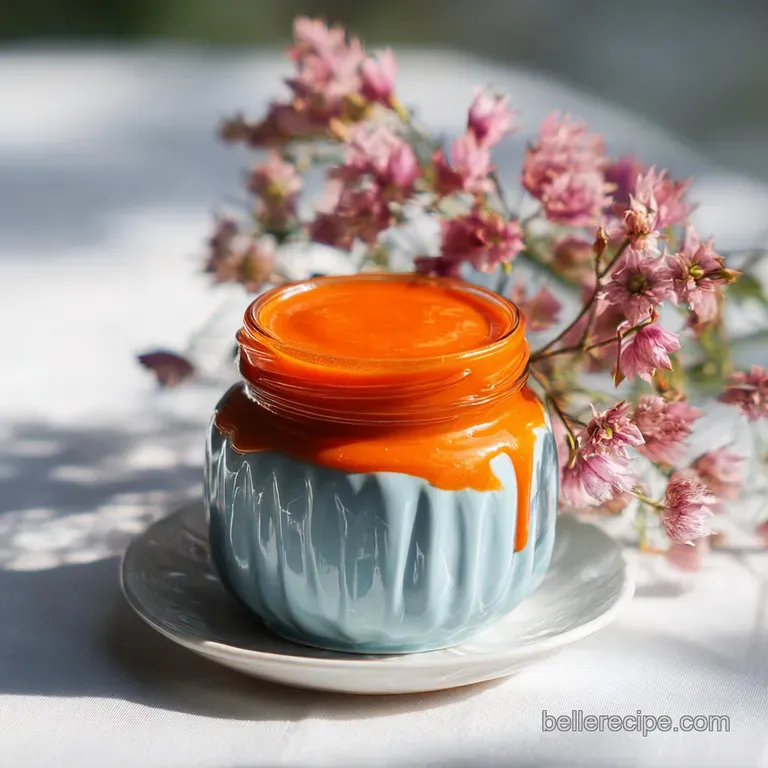
- Time: Active 5 mins, Passive 10 mins, Total 15 minutes
- Flavor/Texture Hook: Velvety, tangy, and subtly sweet with a lingering warmth
- Perfect for: Game day gatherings, cozy weeknight wings, or a bold dipping experience
- Achieving a Silky Texture with This Buffalo Sauce Recipe
- The Liquid Alchemy of Balanced Heat
- Component Analysis of the Flavor Layers
- The Alchemy of Spices and Pantry Staples
- Necessary Kitchen Tools for Seamless Preparation
- Building Layers of Heat and Creamy Smoothness
- Navigating Common Texture and Spice Challenges
- Simple Adjustments for Every Gathering Size
- Exploring Nuance Through Creative Variations
- Myths Regarding Homemade Buffalo Sauce
- Preservation Tips and Reducing Kitchen Waste
- Harmonious Pairings for Your Finished Creation
- Recipe FAQs
- 📝 Recipe Card
Achieving a Silky Texture with This Buffalo Sauce Recipe
The first time I really understood the soul of a buffalo sauce recipe, I was standing in a cramped kitchen on a snowy Tuesday, trying to replicate the wings from a local dive bar that had long since closed.
I remember the sharp, stinging aroma of the vinegar hitting the warm pan it was so intense it made my eyes water, but in a way that felt like a wake up call to my senses. There is something deeply meditative about watching cold cubes of butter slowly surrender to a pool of crimson spice, swirling together until they lose their individual identities and become something entirely new.
It’s not just about the heat; it is about the memory of sticky fingers and laughter shared over a messy platter. I used to think you just shook a bottle and called it a day, but once you feel that heavy, velvety weight of a homemade emulsion, there is no going back.
This recipe isn't just a condiment; it’s a way to transform a quiet evening into a celebration. We aren't just making a sauce; we are building a bridge between that sharp cayenne bite and a mellow, honey kissed finish that keeps you coming back for just one more dip.
The Liquid Alchemy of Balanced Heat
The Physics of the Emulsion: Chilled butter contains water molecules trapped in fat, which, when whisked slowly into hot vinegar, creates a stable, creamy suspension rather than an oily mess.
This specific temperature contrast is what allows the sauce to achieve its signature "cling" without separating on the plate.
- Aged Acid Stabilization: The fermentation in aged cayenne sauce provides a complex acidity that cuts through the heavy lipids of the butter, preventing the palate from feeling coated or greasy.
- Sugar Heat Synergy: A whisper of honey doesn't make the sauce "sweet," but rather acts as a flavor bridge, rounding off the jagged edges of the vinegar for a smoother finish.
- Starch Suspension: Using a tiny amount of cornstarch ensures the sauce maintains its body even as it cools, preventing that watery pool often seen with store-bought versions.
- Umami Anchoring: Worcestershire sauce provides a fermented depth that acts as a bass note, grounding the high pitched citrusy notes of the white vinegar.
| Heat Level | Cayenne Adjustment | Honey Adjustment | Visual Cue |
|---|---|---|---|
| Mild | 0 tsp | 2 tsp | Pale orange, translucent |
| Medium | 1/4 tsp | 1 tsp | Bright orange, opaque |
| Extra Hot | 1 tsp | 0 tsp | Deep crimson, vibrant |
This buffalo sauce recipe relies on the interaction of temperature and fat. If you've ever enjoyed the complex flavors of my Boursin Chicken Recipe, you know how a creamy element can completely shift the way we experience spices and aromatics. In this case, the butter isn't just a fat; it's the vehicle for flavor.
Component Analysis of the Flavor Layers
| Ingredient | Science Role | Pro Secret |
|---|---|---|
| Unsalted Butter | Emulsifier & Fat | Use chilled cubes to prevent the sauce from "breaking" or turning oily. |
| Aged Cayenne Sauce | Acidic Base | The aging process mellows the raw pepper heat into a complex, tangy foundation. |
| Cornstarch | Viscosity Agent | Creates a "long" texture that prevents the sauce from sliding off crispy skin. |
| Worcestershire | Umami Booster | Adds anchovy based depth that makes the heat feel more savory and less "thin." |
Creating a sauce from scratch allows you to control the narrative of your meal. Much like the careful layering in a Chicken Bryan Recipe, the order in which we introduce these ingredients determines the final sheen and mouthfeel of the dish.
The Alchemy of Spices and Pantry Staples
To begin this journey, gather your components. Each piece of this puzzle serves a specific purpose in building the final, harmonious profile.
- 1 cup aged cayenne hot sauce (such as Frank's RedHot). Why this? It provides the classic, non negotiable vinegar forward base required for authenticity.
- Substitute: Any fermented red chili sauce (results in a thicker, darker sauce).
- 1/2 cup unsalted butter (cubed and chilled). Why this? Unsalted allows you to control the seasoning; the chill is vital for the emulsion.
- Substitute: Vegan butter sticks (ensure they have a high fat content, not tub margarine).
- 1 tbsp Worcestershire sauce. Why this? Adds a savory, salty fermented back note.
- Substitute: Soy sauce or liquid aminos (adds salt but lacks the tamarind tang).
- 1 tsp white vinegar. Why this? Brightens the sauce and resets the palate after the heavy butter.
- Substitute: Apple cider vinegar (adds a fruitier, slightly sweeter undertone).
- 1/2 tsp garlic powder. Why this? Dissolves instantly for a smooth texture without the risk of burnt fresh garlic bits.
- Substitute: Grated fresh garlic (sauté briefly in a teaspoon of butter first).
- 1/4 tsp cayenne pepper. Why this? Adds a "back of-the throat" heat that the liquid sauce lacks.
- Substitute: Smoked paprika (for a mild, woody flavor instead of pure heat).
- 1 tsp honey. Why this? Counteracts the sharp acidity and gives the sauce a glossy shine.
- Substitute: Brown sugar (adds a molasses like depth) or agave syrup.
- 1 tsp cornstarch mixed with 1 tsp cold water. Why this? This slurry is the insurance policy for a thick, dip ready consistency.
- Substitute: Arrowroot powder (results in an even glossier finish).
Necessary Kitchen Tools for Seamless Preparation
You don't need a professional kitchen to achieve these results, but a few specific tools will make the process much more mindful and successful.
- Small Heavy Bottomed Saucepan: A thick base prevents the vinegar from scorching and helps maintain a steady, gentle heat during the butter incorporation.
- Silicon Coated Whisk: This allows you to vigorously emulsify the butter without scratching your pan, ensuring every droplet of fat is suspended in the hot sauce.
- Heat Resistant Spatula: Perfect for scraping the edges to ensure no spices or honey get left behind and scorched on the sides of the pot.
- Glass Measuring Jug: Essential for measuring the hot sauce precisely, as the volume is the foundation of the entire ratio.
Building Layers of Heat and Creamy Smoothness
- Combine the base liquids. Pour the 1 cup of aged cayenne hot sauce, 1 tbsp Worcestershire sauce, and 1 tsp white vinegar into your saucepan. Note: Starting cold allows the flavors to meld as they rise in temperature together.
- Infuse the dry aromatics. Whisk in the 1/2 tsp garlic powder, 1/4 tsp cayenne pepper, and 1 tsp honey until no clumps of spice remain visible.
- Apply gentle heat. Place the pan over medium low heat and bring the mixture to a very gentle simmer. Look for small bubbles breaking the surface around the edges.
- Prepare the thickening slurry. In a tiny bowl, stir the 1 tsp cornstarch and 1 tsp cold water until it looks like milk.
- Thicken the foundation. Slowly drizzle the slurry into the simmering sauce while whisking constantly. Cook for 1 minute until the liquid becomes translucent and slightly heavy.
- Begin the emulsion process. Reduce the heat to the lowest possible setting. This is the most critical stage for texture.
- Introduce the chilled fat. Add the 1/2 cup of cubed butter two or three pieces at a time. Whisk vigorously until each piece is completely melted before adding the next.
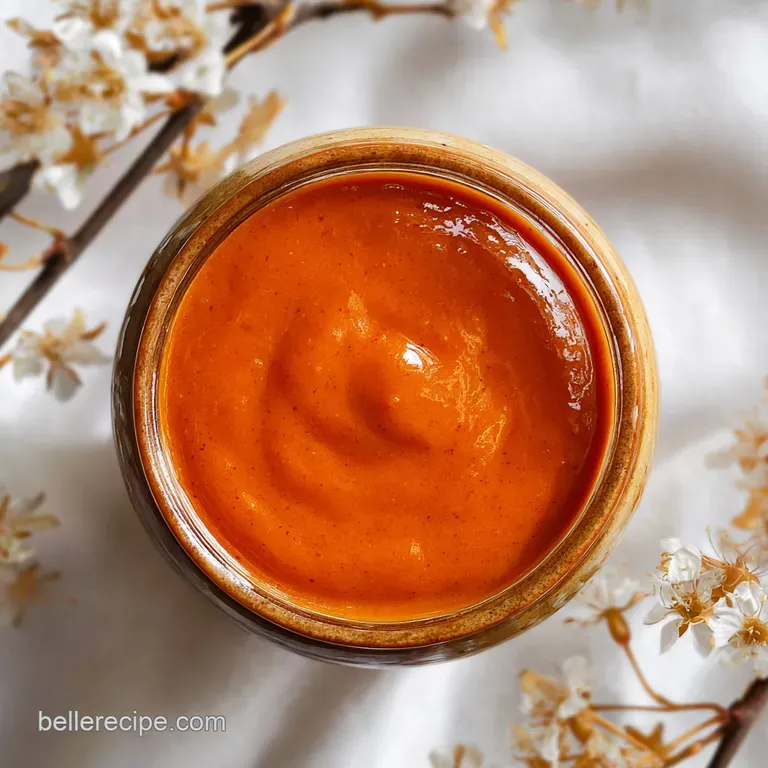
- Finalize the sheen. Once all the butter is incorporated, remove the pan from the heat immediately. The sauce should look velvety and hold a ribbon like trail when drizzled from the whisk.
- Allow a brief rest. Let the sauce sit for 5 minutes. Notice how it thickens slightly and the orange hue deepens as the temperature stabilizes.
Chef's Tip: If the sauce looks like it’s starting to separate (oily droplets on top), immediately whisk in a teaspoon of very cold water. This "shocks" the emulsion back into a stable state.
Navigating Common Texture and Spice Challenges
Why Your Buffalo Sauce Is Separating
This usually happens when the heat is too high. If the butter reaches its boiling point, the milk solids separate from the fat, leaving you with a greasy, broken mess. The key is to keep the sauce just warm enough to melt the butter, not cook it.
Why Your Buffalo Sauce Tastes Bitter
Overheating the vinegar or using low quality garlic powder can lead to a metallic or bitter aftertaste. The honey in this recipe is specifically designed to combat this, but if it's still too sharp, a tiny pinch of salt can help reset the flavor profile.
| Problem | Root Cause | Solution |
|---|---|---|
| Thin/Watery | Slurry skipped or undercooked | Simmer for 2 more minutes with an extra 1/2 tsp of cornstarch slurry. |
| Gritty Texture | Garlic powder clumped | Sieve the sauce through a fine mesh strainer into a clean bowl. |
| Too Salty | Salted butter used | Add an extra teaspoon of honey and a splash of vinegar to balance. |
- ✓ Always use cold butter to ensure the fat integrates slowly into the warm liquid.
- ✓ Never let the sauce reach a rolling boil once the butter has been added.
- ✓ Pat your wings or cauliflower completely dry before tossing to prevent diluting the sauce.
- ✓ Whisk in a figure eight motion to ensure the center and edges are equally emulsified.
- ✓ Let the sauce rest for a few minutes before serving; the viscosity improves as it cools slightly.
Simple Adjustments for Every Gathering Size
When you need to feed a crowd, scaling this buffalo sauce recipe is straightforward, but it requires a bit of mindfulness regarding the spices.
- To Halve the Recipe: Use 1/2 cup hot sauce and 1/4 cup butter. Reduce the simmering time by 2 minutes as the smaller volume will heat up much faster. For the cornstarch, use 1/2 tsp mixed with 1/2 tsp water.
- To Double the Recipe: Use 2 cups hot sauce and 1 cup butter. Keep the spices (garlic powder and cayenne) to 1.5x the original amount first, then taste. Sometimes spices can become overwhelming when doubled exactly. Use a larger saucepan to ensure there is enough surface area for the butter to melt evenly.
- To Quadruple the Recipe: When making a massive batch for a party, work in two separate pans if your largest saucepan is thin bottomed. This prevents the sauce at the bottom from scorching while you are still whisking butter into the top.
| Servings | Hot Sauce | Butter | Pan Size |
|---|---|---|---|
| 6 people | 1/2 cup | 1/4 cup | Small pot |
| 12 people | 1 cup | 1/2 cup | 1 quart pot |
| 24 people | 2 cups | 1 cup | 2 quart pot |
Exploring Nuance Through Creative Variations
Once you have the base down, you can start to play with the flavor layers to suit your specific mood.
Smoky Chipotle Variation
Replace the cayenne pepper with 1/2 tsp of ground chipotle powder and add 1 tsp of adobo sauce from a can of chipotles. This transforms the bright tang into a deep, smoldering heat that pairs beautifully with grilled meats.
Creamy Buffalo Dipping Sauce
Whisk 1/4 cup of this finished sauce into 1/2 cup of Greek yogurt or sour cream. This creates a cooling, thick dip that maintains the signature buffalo flavor but with a much lower heat intensity perfect for those who prefer a milder experience.
Garlic Herb Infusion
Melt a tablespoon of the butter separately with two cloves of smashed fresh garlic and a sprig of rosemary. Strain this infused butter into the main sauce during the final emulsion step. The result is a sophisticated, aromatic twist on the classic.
Myths Regarding Homemade Buffalo Sauce
"You must use melted butter to start." This is a common misconception that actually makes the sauce more likely to break. Using chilled, cubed butter allows for a "slow release" emulsion, where the fat is incorporated gradually, leading to a much more stable and velvety finish.
"Vinegar will curdle the butter." While acid can curdle milk, the fat content in butter is so high and the protein content so low that this isn't a concern for this specific sauce. In fact, the vinegar is essential for creating the chemical structure that allows the sauce to cling to food.
Preservation Tips and Reducing Kitchen Waste
Storage Guidelines
Store any leftover sauce in an airtight glass jar in the refrigerator for up to 2 weeks. Because of the high butter content, the sauce will solidify into a spreadable paste when cold. This is actually a wonderful thing try spreading it on a turkey sandwich for a spicy kick.
Reheating the Emulsion
Never microwave this sauce to reheat it; the intense, uneven heat will cause the butter to separate instantly. Instead, place the jar in a bowl of warm water or heat it very gently in a small pan over low heat, whisking constantly until it returns to its liquid state.
Zero Waste Ideas
Don't wash that saucepan just yet! If you have a small amount of sauce clinging to the sides, toss in some leftover popcorn or a handful of roasted nuts. The residual heat from the pan will coat them in a thin, spicy glaze, creating a quick and delicious snack.
You can also use the last tablespoon of sauce to stir into a batch of mac and cheese for an instant flavor transformation.
Harmonious Pairings for Your Finished Creation
The beauty of this buffalo sauce recipe is its versatility. While wings are the obvious choice, the "cling" factor makes it an excellent glaze for roasted cauliflower or crispy chickpeas.
The sharp acidity of the sauce needs a cooling partner; think of a traditional blue cheese dressing or a crisp celery slaw to provide a textural and temperature contrast.
If you are looking for a full meal inspiration, this sauce is the logical next step after trying something like my Nacho Cheese Sauce recipe. Both rely on a stable emulsion to provide that soul satisfying mouthfeel. Whether you are drizzling it over a crispy chicken breast or using it as a bold dip for potato wedges, the goal is always the same: to create a moment of pure, comforting flavor that feels like home.
Recipe FAQs
What are the essential ingredients in a classic buffalo sauce?
Cayenne pepper hot sauce, butter, and vinegar are essential. The classic flavor profile relies on the sharpness of an aged cayenne sauce (like Frank's), the velvety texture provided by cold, cubed butter, and the necessary acid from white vinegar.
How do I make a good hot sauce base for authentic buffalo flavor?
Use a fermented cayenne based sauce. A good hot sauce for buffalo flavor should have a vinegary tang to cut the butter; use a sauce like Frank's, or find a store-bought alternative that emphasizes fermentation over pure chili heat.
How do I turn store-bought Frank's into a perfect buffalo sauce?
Gently simmer the Frank's with butter off the heat. Heat the sauce until it just simmers, remove it from the stove, and then whisk in cold, cubed butter two pieces at a time until fully emulsified and glossy.
Why is buffalo sauce traditionally made with butter instead of just oil?
Butter creates a stable emulsion that provides richness and texture. The fat content in butter suspends the capsaicin and acid, resulting in a velvety sauce that clings beautifully to wings, unlike oil which tends to separate or slide off.
What is the key step to prevent my homemade buffalo sauce from becoming oily?
Ensure your butter is chilled and whisk it in slowly over very low heat. If the temperature is too high, the fat will break away from the water molecules in the butter, causing separation; if you master this emulsion technique, you can apply it to other sauces like our Au Poivre Sauce Steaks Best Friend Ready in 20.
Can I add sugar to buffalo sauce, or does that ruin the traditional taste?
No, adding a small amount of honey balances the heat perfectly. Sugar or honey doesn't make the sauce sweet; it rounds out the sharp edges of the vinegar and cayenne, creating a smoother flavor experience without sacrificing the tang.
How do I thicken buffalo sauce if it turns out too runny?
Create a small cornstarch slurry and whisk it in while simmering. Mix one teaspoon of cornstarch with one teaspoon of cold water until smooth, then slowly drizzle it into the hot sauce while whisking until the desired thickness is achieved.
Velvety Buffalo Sauce Recipe
Ingredients:
Instructions:
Nutrition Facts:
| Calories | 76 kcal |
|---|---|
| Protein | 0.1 g |
| Fat | 7.8 g |
| Carbs | 1.2 g |
| Fiber | 0.1 g |
| Sugar | 0.7 g |
| Sodium | 627 mg |
