Fluffy Cinnamon Rolls Recipe
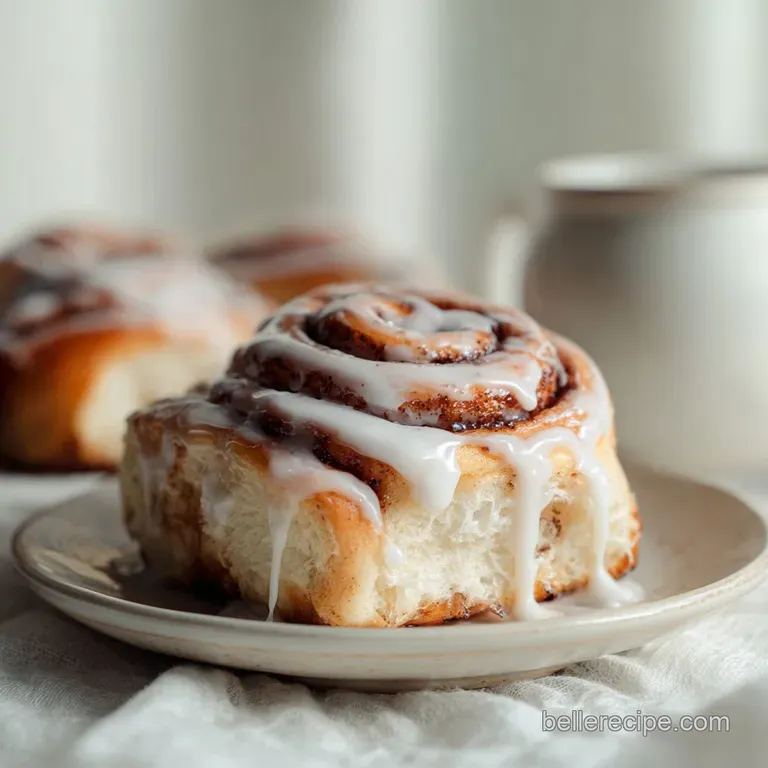
- Time: Active 45 minutes, Passive 2 hours 10 mins, Total 2 hours 55 mins
- Flavor/Texture Hook: Pillowy soft dough with a velvety cream cheese glaze
- Perfect for: Weekend brunch or a cozy holiday morning
- My Secret To This Cinnamon Rolls Recipe
- Quick Timing and Yield Breakdown
- Pantry Essentials for Spiraled Dough
- Bakery Tools for Best Results
- How to Build Flavor Layers
- Fixing Common Baking Pitfalls
- Adaptations for Every Diet
- Preserving Every Single Soft Bite
- Finishing Touches and Pairings
- Cinnamon Rolls Recipe FAQs
- 📝 Recipe Card
My Secret To This Cinnamon Rolls Recipe
The first time I tried making a homemade cinnamon rolls recipe, I ended up with something closer to a sweetened hockey puck than a bakery style treat. I remember standing in my tiny kitchen, flour dusting my eyebrows, wondering why the center was doughy while the edges were dry.
It was a mess, but the aroma of sizzling cinnamon and butter filling the house kept me coming back to the mixing bowl. I realized that the secret isn't just in the sugar, but in the patience of the proof and the temperature of your ingredients.
Now, years later, I’ve refined the technique so you don't have to make those same mistakes. We’re aiming for a crumb that is so tender it almost melts, paired with a filling that doesn't just run out the bottom of the pan.
This version is about building flavor in stages, from the yeasty tang of the dough to the zingy hit of vanilla bean paste in the frosting. It’s a labor of love, but the moment you pull that tray out and see the bubbling sugar, you'll know exactly why we do it.
Quick Timing and Yield Breakdown
The timing for this cinnamon rolls recipe is designed around a lazy morning, but it requires a bit of foresight. You need to give the yeast time to breathe and the gluten time to relax. If you rush the rise, you lose that signature airy texture that makes these so addictive.
The Physics of the Proof: Warm milk and sugar provide immediate energy for the yeast, while the high fat content from butter and eggs slows down gluten development for a tender, cake like crumb. This balance ensures the rolls are sturdy enough to hold the filling but soft enough to pull apart.
| Method | Time | Texture | Best For |
|---|---|---|---|
| Standard Bake | 2 hours 55 mins | Ultra fluffy and light | Same day serving |
| Overnight Rise | 10 hours 0 mins | More complex, yeasty flavor | Stress free mornings |
| Air Fryer | 15 minutes | Crispy exterior, gooey core | Small batches (2-3 rolls) |
If you find yourself needing a savory option for a large crowd after mastering this dough, the technique is quite similar to my Pandesal Filipino Bread recipe, which also relies on a beautifully enriched dough for that signature soft bite.
Pantry Essentials for Spiraled Dough
Choosing the right components is the difference between a standard roll and something truly special. I always reach for bread flour here because the higher protein content allows the rolls to rise tall without collapsing under the weight of the butter and sugar filling.
| Ingredient | Science Role | Pro Secret |
|---|---|---|
| Bread Flour (570g) | Structural integrity | Weigh it for accuracy |
| Whole Milk (240ml) | Hydration and fat | Warm to exactly 110°F |
| Active Dry Yeast (7g) | Leavening agent | Ensure it foams before mixing |
| Vanilla Bean Paste | Flavor depth | Better than extract for frosting |
For the dough, you'll need 100g of granulated sugar to feed the yeast and 75g of unsalted butter, softened. Don't forget the single large egg at room temperature; it acts as an emulsifier.
The filling requires 115g of very soft unsalted butter, 200g of packed brown sugar, and 2.5 tbsp of ground cinnamon for that intense spice. Finally, the velvet frosting is built from 115g of cream cheese, 55g of butter, 180g of powdered sugar, 1 tsp of vanilla bean paste, and 1.5 tbsp of heavy cream.
| Original Ingredient | Substitute | Why It Works |
|---|---|---|
| Bread Flour | All Purpose Flour | Results in a softer, slightly less chewy roll. |
| Whole Milk | Unsweetened Soy Milk | Similar protein content; keep fat high for richness. |
| Cream Cheese | Mascarpone | Note: Much richer and less tangy than traditional frosting. |
Bakery Tools for Best Results
You don't need a professional kitchen, but a few specific tools make the process much smoother. A stand mixer, like a KitchenAid, is your best friend here because kneading enriched dough by hand can be a sticky, 20 minute workout that most of us would rather avoid.
- Digital Scale: I can't stress this enough. Measuring flour by the cup is unreliable and often leads to dry rolls.
- 9x13 Inch Baking Pan: Glass or ceramic works best for even heat distribution.
- Unflavored Dental Floss: Use this to slice the rolls. It cuts through the dough without squishing the beautiful spirals.
- Instant Read Thermometer: To check the milk temperature and the internal doneness of the bake.
Chef's Tip: Freeze your butter for 10 minutes before mixing the filling. It creates a thicker paste that stays inside the roll instead of melting out onto the pan.
How to Build Flavor Layers
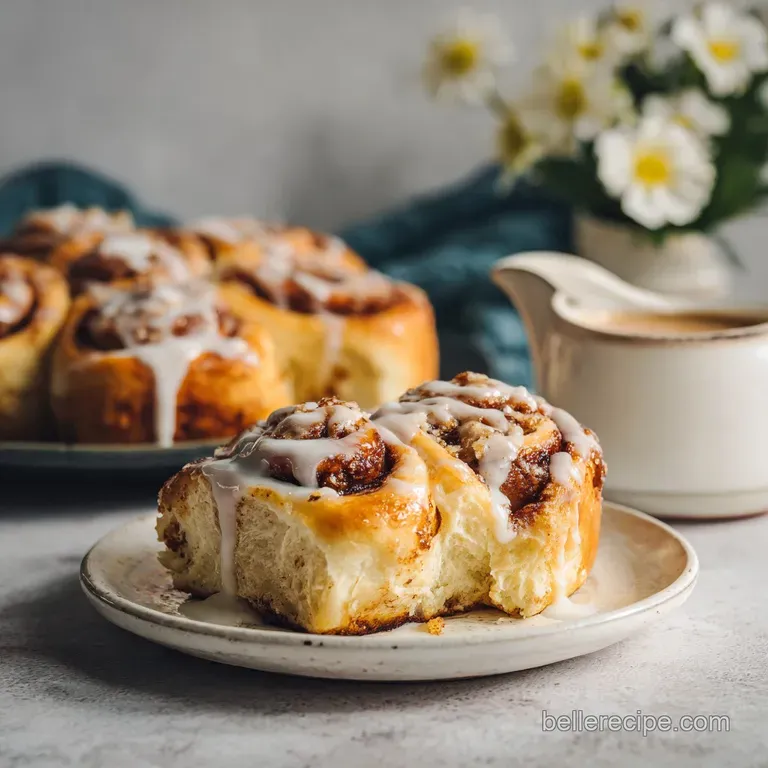
This is where we turn raw ingredients into a fluffy cinnamon rolls recipe. Follow these steps closely, especially the cues for what to look for at each stage.
1. Activating the Bloom
Combine the 240ml of warmed whole milk with the 7g of active dry yeast and a pinch of the sugar. Let it sit for 10 minutes until a thick, foamy head forms on the surface. If it doesn't foam, your yeast is dead stop and start over with fresh yeast.
2. Mixing the Dough
Add the remaining granulated sugar, 75g of softened butter, the egg, and about half of the 570g of bread flour. Mix on low until a shaggy mass forms and no dry flour remains.
3. The Windowpane Test
Add the rest of the flour and the 1 tsp of sea salt. Knead for 7 minutes until the dough is smooth and elastic. You should be able to stretch a small piece of dough thin enough to see light through it without it tearing.
4. The Gentle Rise
Place the dough in a greased bowl, cover with a damp cloth, and let it rise in a warm spot for 1 hour 30 mins until doubled in size. I like to use the inside of an oven that is turned off but has the light on.
5. Preparing the Filling
While the dough rises, cream together the 115g of very soft butter with the 200g of brown sugar and 2.5 tbsp of cinnamon. It should be a spreadable, sandy paste that smells incredibly fragrant.
6. The Rolling Technique
Punch down the dough and roll it out on a floured surface into a 12x18 inch rectangle. Spread the cinnamon paste edge to edge, then roll it tightly starting from the long side until you have a uniform log.
7. Slicing with Floss
Mark the log into 12 even pieces. Use your dental floss to cross over the top and pull through quickly. This ensures the edges don't get smashed, keeping the layers distinct.
8. The Second Proof
Arrange the rolls in your greased 9x13 pan. Cover and let them rise for another 45 minutes until they are puffy and touching. This second rise is non negotiable for a soft texture.
9. The Golden Bake
Bake at 350°F for 25 minutes until the tops are lightly bronzed and the sugar is bubbling. While they bake, whisk your frosting ingredients together until they reach a velvety, pourable consistency.
10. Finishing Touches
Spread half of the frosting over the rolls while they are still hot. This allows it to melt into the spirals. Wait 10 minutes, then add the remaining frosting for that thick, creamy finish.
Fixing Common Baking Pitfalls
Even the best bakers run into trouble. If your rolls didn't turn out quite right, it's usually a small adjustment in temperature or timing that makes the difference.
Sticky Dough Troubles
If your dough is clinging to the sides of the bowl like glue, you might be tempted to dump in more flour. Stop! Enriched doughs are naturally stickier because of the fat and sugar. Use a light touch and floured hands rather than loading the dough with extra flour, which leads to a dense, dry roll.
Dry and Hard Rolls
Usually, this happens because the oven was too hot or they stayed in too long. We are looking for an internal temperature of about 190°F. If you go over that, the moisture evaporates, leaving you with a bread like texture instead of a pillowy one.
Leaking Sugar Filling
It’s heartbreaking to see all that cinnamon goodness at the bottom of the pan. This happens if the butter in your filling was completely melted or if the rolls weren't rolled tightly enough. The "freeze the butter" tip I mentioned earlier is the best way to prevent this.
| Problem | Root Cause | Solution |
|---|---|---|
| Rolls didn't rise | Yeast was killed by hot milk | Ensure milk is 110°F, not higher. |
| Filling leaked out | Butter was too oily/liquid | Use softened, not melted, butter for filling. |
| Center is raw | Pan was overcrowded | Ensure even spacing and use a thermometer. |
Common Mistakes Checklist ✓ Check yeast expiration dates before starting (old yeast won't rise). ✓ Never skip the second proof (this is where the fluffiness happens). ✓ Use room temperature eggs to prevent the butter from curdling.
✓ Avoid over flouring the work surface during rolling. ✓ Let the rolls cool slightly before the final frosting layer.
Adaptations for Every Diet
Sometimes you need a quick cinnamon rolls recipe that doesn't require a whole morning of waiting. Or perhaps you've run out of a key ingredient. Here is how to pivot.
Cinnamon Rolls Recipe Without Yeast
If you’re in a hurry, you can use a biscuit style dough. Replace the yeast with 2 tbsp of baking powder and omit the rising times. The texture will be more "shatter crisp" and crumbly, similar to a scone, but it satisfies the craving in under 45 minutes.
Cinnamon Rolls Recipe Bread Machine Version
This is my favorite "lazy" method. Simply dump all the dough ingredients into your machine on the "Dough" setting. It handles the kneading and the first rise for you. Once the cycle finishes, jump straight to the rolling and filling steps.
It's a fantastic way to get a homemade cinnamon rolls recipe on the table with half the effort.
| Servings | Flour Adjustment | Pan Size | Cook Time |
|---|---|---|---|
| 6 People | 285g flour | 8x8 square | 22 minutes |
| 12 People | 570g flour | 9x13 rectangle | 25 minutes |
| 24 People | 1140g flour | Two 9x13 pans | 28 minutes |
If you're looking for a different kind of sweet treat to serve alongside these, you might enjoy the delicate crunch of a Homemade Poppy Seed recipe, which uses a similarly enriched dough but with a totally different flavor profile.
Preserving Every Single Soft Bite
Cinnamon rolls are best eaten warm, but they actually store quite well if you follow a few rules. The high fat content helps keep them moist, but air is the enemy.
Storage: Keep leftover rolls in an airtight container at room temperature for up to 2 days. If you want them to last longer, the fridge will keep them safe for 5 days, though they will firm up. To reheat, a 20 second zap in the microwave usually restores that "just baked" softness.
Freezing: You can freeze the unbaked rolls after the second proof. Wrap the pan tightly in plastic and foil. When ready to bake, let them thaw in the fridge overnight and then sit at room temperature for 30 minutes before hitting the oven.
Baked rolls can also be frozen for up to 3 months just freeze them without the final layer of frosting for the best results.
Zero Waste: If you have rolls that have gone completely stale, don't throw them away. Tear them into chunks and use them as the base for a spectacular bread pudding. The cinnamon and sugar are already there, so you just need a simple egg custard to transform them.
Finishing Touches and Pairings
To really make this the best cinnamon rolls recipe your friends have ever tasted, consider what you're serving alongside it. I love a sharp contrast. A dark, bitter espresso or a strong black tea cuts through the heavy sweetness of the cream cheese frosting perfectly.
- Myth
- You must scald the milk to kill enzymes.
- Truth
- Modern pasteurized milk doesn't require scalding. Warming it to 110°F is purely for the yeast's comfort.
- Myth
- Adding salt directly to yeast kills it instantly.
- Truth
- While high concentrations of salt can inhibit yeast, stirring them into the same dough mass is perfectly safe and necessary for flavor.
If you find yourself with extra dough or looking for a fun variation, you can actually use this same base to make Cheesy Homemade Pizza Rolls recipe by swapping the cinnamon filling for marinara and mozzarella. It’s a great way to use up scraps!
Precision Checkpoints
- Liquid Temp: 110°F (use a probe to be sure).
- Internal Doneness: 190°F to 195°F for the perfect crumb.
- Dough Thickness: Aim for exactly 1/4 inch when rolled out.
Decision Shortcut
- If you want extra gooey rolls, pour 1/2 cup of warm heavy cream over the rolls right before they go into the oven.
- If you want crispier edges, bake them in a dark metal pan instead of glass.
- If you want a tangier frosting, double the amount of cream cheese and reduce the powdered sugar.

Cinnamon Rolls Recipe FAQs
What is the secret to the best cinnamon rolls?
Patience and proper proofing. The secret lies in allowing the yeast time to develop its flavor and texture, ensuring a pillowy soft dough. This includes a properly warmed milk temperature and adequate rising times for both the first and second proofs.
What is the Cinnabon secret ingredient?
It's likely a combination of techniques, not a single ingredient. While often speculated, Cinnabon's signature taste and texture come from their specific dough recipe, the high-quality of their cinnamon and sugar filling, and their iconic cream cheese frosting, likely perfected through precise
temperature control and high-quality fats.
What does pouring heavy cream over cinnamon rolls do?
It makes them extra gooey and rich. Pouring heavy cream over the rolls before baking creates a luscious, almost custardy texture by infusing moisture and fat directly into the dough and filling as they bake. If you enjoyed the decadent texture of this, you might also appreciate the rich caramel in our Silky Homemade Caramel NoFail Foolproof Recipe.
What are the ingredients for cinnamon rolls?
Typically, you'll need flour, milk, yeast, sugar, butter, eggs, cinnamon, and cream cheese. For the dough, these form a rich, enriched base. The filling is usually a mixture of softened butter, brown sugar, and cinnamon, topped with a frosting made from cream cheese, butter, powdered sugar, and a splash of milk or cream.
Can I make cinnamon rolls without yeast?
Yes, but the texture will be different. Using baking powder or baking soda instead of yeast will result in a more scone like or biscuit like texture, which is quicker but lacks the classic pillowy chewiness of traditional yeasted cinnamon rolls.
How do I get my cinnamon rolls to be super soft?
Use bread flour and don't overbake them. Bread flour has a higher protein content which helps create a stronger gluten structure for a softer, chewier crumb. Also, ensure your rolls reach an internal temperature of around 190-195°F; overbaking will dry them out.
How do I make the cinnamon roll filling less likely to leak out?
Use very soft, but not completely melted, butter for the filling. The butter should be spreadable like a thick paste, not liquid. Freezing the butter for about 10 minutes before mixing it with the sugar and cinnamon can help create a paste that holds its shape better during baking. This technique of controlling the fat's consistency is also crucial for a stable sauce, similar to our Strawberry Sauce Recipe: Quick, Easy & Luscious!.
Cinnamon Rolls Recipe
Ingredients:
Instructions:
Nutrition Facts:
| Calories | 532 kcal |
|---|---|
| Protein | 7.7 g |
| Fat | 22.4 g |
| Carbs | 77.9 g |
| Fiber | 2.1 g |
| Sugar | 45.2 g |
| Sodium | 248 mg |
