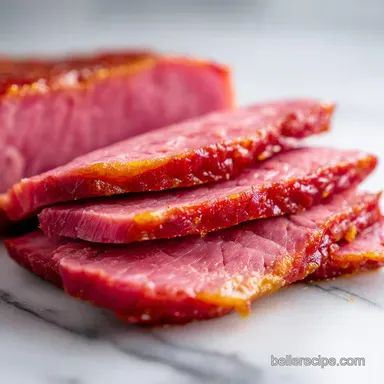
Corned Beef Brine: Failure-Proof Recipe
- Time:45 minutes active + 5-7 days chilling = Total 6 days 4 hours 15 mins
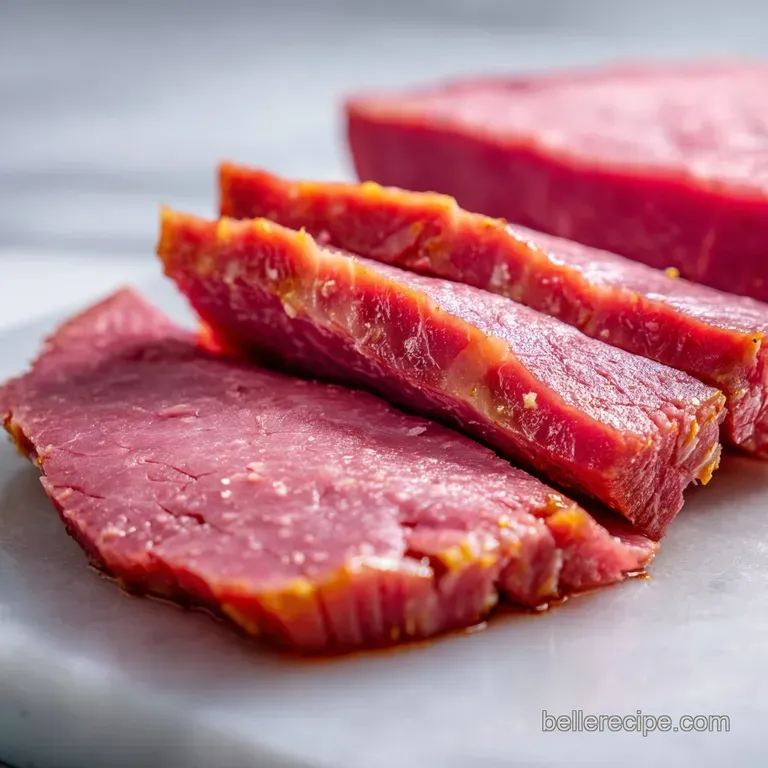
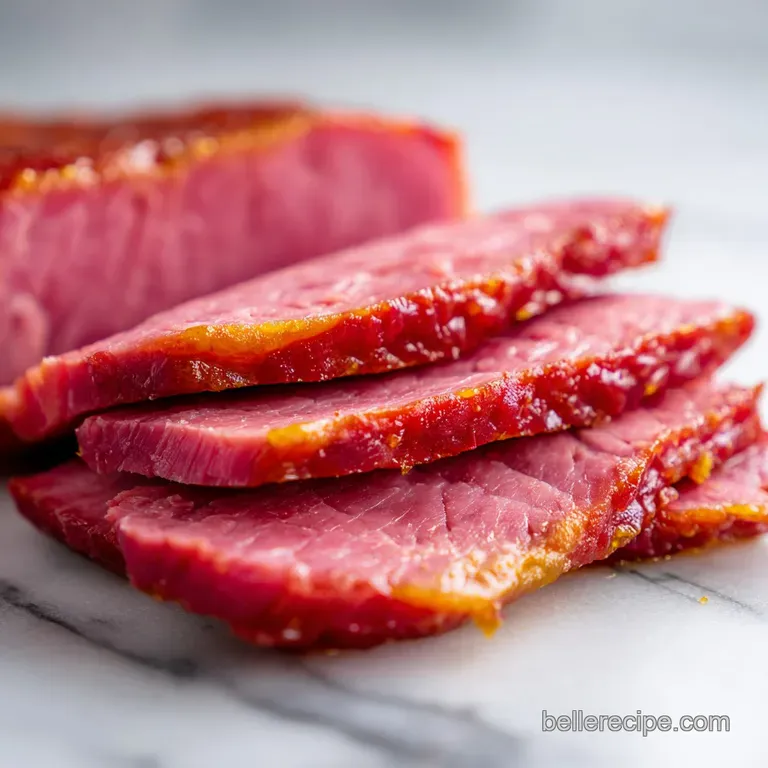
- Flavor/Texture Hook: Velvety, tender beef with a signature pink hue and aromatic spice crust
- Perfect for: St. Patrick's Day, family gatherings, or anyone wanting a high end deli experience at home
- A Simple Homemade Corned Beef Brine Recipe
- Secrets to the Brining Process
- Quick Guide to Brine Timing
- Picking the Best Brining Elements
- Essential Tools for Curing Beef
- Step-by-Step Brining Guide
- Avoiding Common Brining Mistakes
- Adapting Your Brining Method
- Keeping Your Beef Fresh
- Best Sides for Cured Beef
- Critical in Sodium
- Recipe FAQs
- 📝 Recipe Card
A Simple Homemade Corned Beef Brine Recipe
The smell of toasted coriander and crushed garlic hitting hot water is something I'll never forget. The first time I tried to make this, I thought I could just skip the curing salt and use regular table salt. I figured, "Hey, it's all salt, right?" Wrong.
I ended up with a grey, bland piece of meat that tasted like a salt lick on the outside and nothing on the inside. It was a total disaster that almost made me give up on home curing entirely.
But then I realized that the "magic" isn't in the salt alone, it's in the timing and the chemistry. Once I started using pink salt and actually waiting the full week, everything changed. The meat transformed from a tough slab of brisket into something velvety and aromatic.
It's a slow process, but the payoff is a dish that puts store-bought versions to shame.
If you've been intimidated by the idea of curing meat at home, trust me on this. It's actually quite simple as long as you follow the steps. We're going to move away from the myth that you need a commercial smokehouse to get that classic deli flavor.
All you need is a non reactive pot, a bit of patience, and this corned beef brine recipe to get a result that's truly comforting and mindful of traditional methods.
Secrets to the Brining Process
When you're staring at a gallon of salty water, it feels like magic, but it's actually just a few clever tricks. I've spent a lot of time figuring out why some brines make the meat tough while others make it melt in your mouth.
Salt Osmosis: The high salt concentration draws moisture out of the beef, then pushes the salt and spices back in. This ensures the seasoning isn't just on the surface but deep in the muscle fibers.
Nitrite Magic: The pink curing salt prevents the meat from turning a dull grey and stops bad bacteria from growing during the long soak. It's the only way to get that classic pink color without using artificial dyes.
Sugar Buffering: The brown sugar doesn't make the beef sweet, but it rounds off the sharp edges of the salt. It creates a more balanced, velvety flavor profile that doesn't overwhelm the palate.
Rapid Cooling: Adding cold water to the hot brine stops the heat from "cooking" the outer layer of the meat. If you pour hot brine over raw beef, you'll get a rubbery exterior that won't absorb flavors properly.
Quick Guide to Brine Timing
Since the thickness of a brisket can vary, knowing when to pull it from the heat is everything. Use this as your cheat sheet for the final braise.
| Thickness | Internal Temp | Rest Time | Visual Cue |
|---|---|---|---|
| 2-3 inches | 190-200°F | 20 mins | Fork slides in like butter |
| 3-4 inches | 195-205°F | 30 mins | Meat pulls away from bone/edge |
| 4+ inches | 200-205°F | 40 mins | Liquid in pot becomes syrupy |
Right then, before we dive into the gear, let's talk about the components. Getting the ratio right is the difference between a gourmet meal and something you'll want to rinse off for an hour.
Picking the Best Brining Elements
The ingredients here aren't just for flavor, they each have a specific job. I've found that using whole spices instead of ground ones keeps the brine clear and prevents the beef from tasting "muddy."
| Ingredient | Science Role | Pro Secret |
|---|---|---|
| Pink Curing Salt | Preservation & Color | Use ONLY Prague Powder #1 for this |
| Brown Sugar | Flavor Balancing | Dark brown sugar adds a deeper molasses note |
| Coriander Seeds | Citrusy Aroma | Toast them in a dry pan for 2 mins first |
| Kosher Salt | Cellular Penetration | Diamond Crystal is best for easier measuring |
Selecting the Brisket
When you're shopping, look for a "flat cut" brisket. It's leaner and easier to slice into those classic thin ribbons. I always look for a piece with a decent fat cap, as that protects the meat during the 3 hours and 30 minutes of braising.
Managing the Salt
Don't be tempted to add more salt to the pot. The corned beef brine recipe is carefully balanced. If you find the final result too salty, it's usually because the rinse step was skipped. A thorough cold water rinse is non negotiable.
Essential Tools for Curing Beef
You don't need a professional kitchen, but you do need the right materials. The most important thing is that your container is "non reactive."
Avoid aluminum or unlined copper pots. The salt and curing agents can react with these metals, giving your beef a metallic, tinny taste that ruins the whole batch. I prefer using a large food grade plastic bucket or a heavy stainless steel pot.
A brine weight is also a lifesaver. If the meat floats, the top part won't cure, and you'll end up with a weird, uneven texture. I usually just use a heavy ceramic plate and a canned good to keep the brisket submerged.
Step-by-step Brining Guide
Let's crack on with the actual process. Remember, this is a marathon, not a sprint.
- Combine 2 quarts of water in a pot with the kosher salt, pink curing salt, and brown sugar; simmer over medium heat until dissolved. Note: Don't let it boil over, just a gentle simmer.
- Add the peppercorns, coriander, mustard seeds, allspice, garlic, and bay leaves to the pot.
- Remove from heat and stir in the remaining 2 quarts of cold water to quickly cool the brine. Note: This prevents the meat from partially cooking when you submerge it.
- Place the beef brisket in a non reactive container and pour the cooled brine over it until completely submerged.
- Weight the meat down with a plate or brine weight, seal the container, and refrigerate for 5 to 7 days, flipping the meat every 48 hours. Note: Flipping ensures an even cure on all sides.
- Remove the brisket from the brine and rinse thoroughly under cold water to remove excess surface salt.
- Place the beef in a heavy pot or slow cooker and surround it with the quartered onion, chopped carrots, and celery.
- Add 2 cups of water or beef stock and braise on low heat for 3 hours and 30 minutes, until fork tender and the meat yields easily to a probe.
Chef's Tip: If you want a deeper color, sear the brisket in a cast iron skillet for 3 mins per side before adding it to the braising pot. It adds a layer of savory depth that the brine alone can't provide.
Avoiding Common Brining Mistakes
Even for experienced cooks, things can go sideways with a corn beef brine recipe. Most issues come down to temperature or salt management.
Why Your Beef is Too Salty
This usually happens if the meat was left in the brine for more than 8 days or if the rinse step was rushed. The salt penetrates deeper over time. If it's too salty, you can simmer the meat in fresh water for 30 mins before the final braise to leach out some sodium.
Why the Meat is Grey
This is the classic "missing pink salt" problem. Without the nitrites in the curing salt, the myoglobin in the beef oxidizes and turns grey. It's still safe to eat, but it lacks that traditional look. This is why following the corned beef brine recipe exactly is so important.
| Problem | Root Cause | Solution |
|---|---|---|
| Rubbery Texture | Brine was too hot | Use a 50/50 hot and cold water mix |
| Dull Flavor | Spices were ground | Use whole seeds and peppercorns |
| Uneven Color | Meat floated | Use a heavy plate to keep beef submerged |
Brining Mistakes Checklist
- ✓ Use a stainless steel or plastic container (never aluminum)
- ✓ Ensure brine is completely cooled before adding meat
- ✓ Flip the brisket every 48 hours for even penetration
- ✓ Rinse the beef under cold water for at least 2 full minutes
- ✓ Use a meat thermometer to hit exactly 200°F internal
Adapting Your Brining Method
Depending on your diet or what you have in the pantry, you might need to tweak this. But be careful, as some changes alter the safety and texture of the cure.
| Original Ingredient | Substitute | Why It Works |
|---|---|---|
| Brown Sugar (1/4 cup) | Honey or Maple Syrup (1/4 cup) | Similar sugars. Note: Maple adds a slight woody sweetness |
| Beef Stock (2 cups) | Water (2 cups) | Budget-friendly. Note: Less richness in the final sauce |
| Garlic Cloves (4) | Garlic Powder (1 tbsp) | Convenient. Note: Less aromatic than fresh cloves |
| Brisket (4.5 lb) | Chuck Roast (4.5 lb) | More marbled. Note: Slightly different grain, but very tender |
Skipping the Curing Salt
If you absolutely cannot find pink salt, you can use a standard salt brine, but you'll lose the pink color. According to safety standards often cited in guides like Bon Appétit, curing salts provide a specific safety barrier against botulism in long-term cures. If you skip it, keep your fridge temperature strictly below 40°F and don't brine for more than 5 days.
Reducing Sodium Levels
You can reduce the kosher salt by about 20%, but don't go further. Salt isn't just for flavor, it's the vehicle that carries the spices into the meat. If you cut too much, the beef will be bland and may not preserve correctly.
Keeping Your Beef Fresh
Once you've spent 6 days brining and 3.5 hours cooking, you want to make the most of it. This beef is incredibly versatile.
Fridge Storage: Store cooked beef in an airtight container for up to 4 days. I recommend keeping a bit of the braising liquid in the container to prevent the meat from drying out.
Freezing: You can freeze cooked corned beef for up to 3 months. Slice it first, then freeze the slices between layers of parchment paper to prevent them from sticking together.
Zero Waste: Don't throw away the braising liquid! Strain it and reduce it in a pan by half to make a concentrated glaze. The leftover carrots and celery can be blended into a thick vegetable puree to serve as a bed for the meat.
Best Sides for Cured Beef
Corned beef is a bold flavor, so you need sides that can either stand up to it or cut through the richness.
The absolute gold standard is cabbage. I like to braise the cabbage in the same pot as the beef during the last 45 minutes of cooking. It soaks up all those spices and becomes buttery and translucent.
For those looking for a way to use the leftovers, turning your feast into a Classic Corned Beef Reuben Sandwich is the best move. The acidity of the sauerkraut and the tang of Swiss cheese perfectly balance the salt of the beef.
If you have a lot of meat left, treating the remains as a Leftover Brisket Recipe by adding a smoky barbecue sauce is a great way to pivot the flavor profile for a second dinner.
Serving Suggestions
- The Traditional: Boiled potatoes, glazed carrots, and steamed cabbage.
- The Modern: A crisp apple and fennel slaw with a cider vinaigrette.
- The Brunch: Sliced corned beef hash with poached eggs and toasted sourdough.
Right then, you're all set. This corned beef brine recipe takes time, but the effort is reflected in every velvety bite. Just remember to keep your gear non reactive and your patience high. Happy curing!
Critical in Sodium
6500 mg 6,500 mg of sodium per serving (283% 283% of daily value)
The American Heart Association recommends a daily limit of 2,300mg of sodium to reduce the risk of heart disease and stroke.
Tips to Reduce Sodium
-
Reduce Brine Salt-30%
Significantly reduce the amount of kosher salt used in the brine; even a 25% reduction will greatly lower the total sodium content.
-
Switch Stock-30%
Replace the beef stock with low-sodium beef broth or plain water to avoid adding concentrated salt to the braise.
-
Limit Brining Time-20%
Reduce the total time the brisket spends in the salt solution to limit the absorption of sodium into the meat fibers.
-
Enhance Aromatics
Double the garlic and peppercorns to provide a stronger flavor profile that compensates for the reduction in salt.
Recipe FAQs
How to make brine for corned meat?
Simmer 2 quarts of water with kosher salt, pink curing salt, and brown sugar. Stir in peppercorns, coriander, mustard seeds, allspice, garlic, and bay leaves, then cool the mixture with another 2 quarts of cold water.
Do I need to brine my corned beef?
Yes, brining is essential. The curing salt and salt mixture creates the signature pink color and salty flavor profile characteristic of corned beef.
Is corned beef good for hypertension?
No, it is generally avoided. The high concentration of kosher salt and curing salts used in the brine can significantly increase sodium intake.
How long to leave corned beef in brine?
Refrigerate for 5 to 7 days. Flip the beef brisket every 48 hours to ensure the brine penetrates the meat evenly.
Can I use a different cut of meat instead of brisket?
Yes, other well-marbled beef cuts work. If you enjoy the slow-cooking tenderness achieved in this brine, you'll appreciate the same principle in a tender pot roast.
Why must I cool the brine before adding the beef?
To prevent partial cooking. Adding raw meat to hot liquid can cook the outside of the beef, which compromises the texture and the safety of the curing process.
Should I rinse the meat after brining?
Yes, rinse thoroughly under cold water. This removes excess surface salt to ensure the final dish is not overly salty.
Corned Beef Brine Recipe for 10 Servings