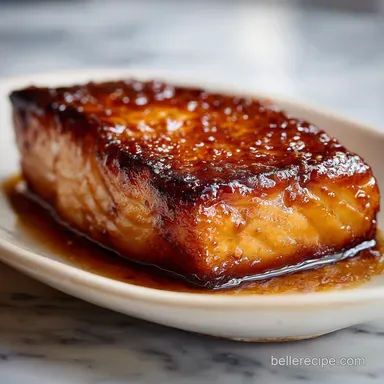
Healthy Miso-Glazed Butterfish: Savory and Sweet
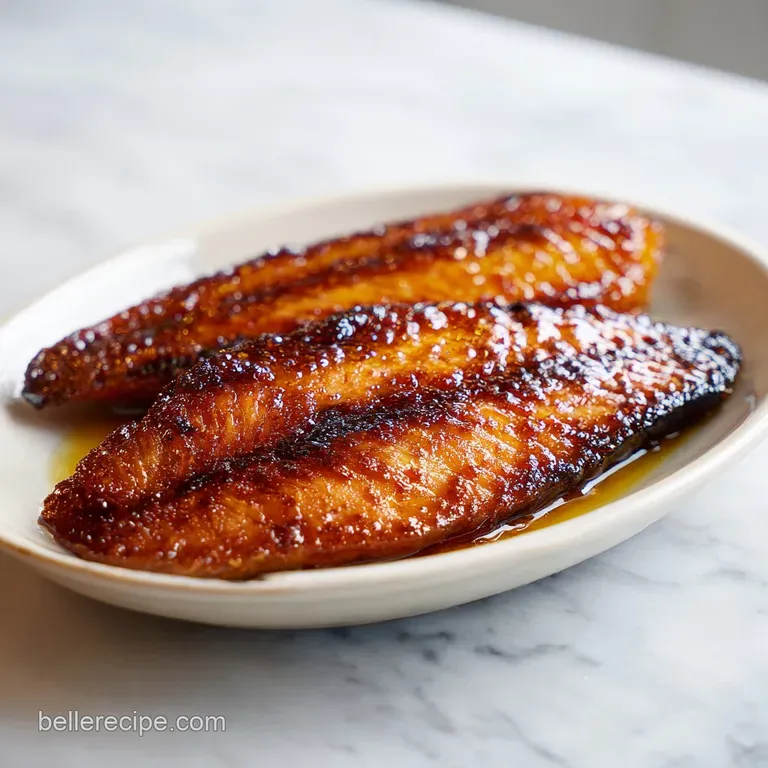
- Time:10 minutes prep + 10 minutes cook = Total 20 minutes
- Flavor/Texture Hook: Velvety interior with a mahogany, caramelized crust
- Perfect for: A fancy feeling weeknight dinner that takes almost no time
Get This Juicy Miso Butterfish Recipe
Sizzle. That sound is the only way to know your pan is ready. If you drop your fish in and hear a quiet hiss instead of a sharp crackle, you've already lost the battle for that golden crust.
I learned this the hard way a few years back when I tried to be "gentle" with a piece of expensive fish, and I ended up with something that looked grey and tasted steamed.
The real struggle with most fish is the texture. Either it's rubbery from overcooking, or it's soggy because the glaze was applied too early. I used to put the marinade on and toss the whole thing in the pan, but the sugars in the miso would burn into a bitter black char long before the center of the fish was actually cooked.
This butterfish recipe fixes that. We sear the fish naked first to get a shatter crisp exterior, then brush on the glaze at the very end. It's the only way to get that rich, velvety finish without the burnt aftertaste. Trust me, once you switch to the "flip and brush" method, you'll never go back.
The Umami Secret
I've always been curious about why certain glazes just stick better than others. It turns out the balance of sugars and salts is everything. Here is what's actually happening in the pan:
- Sugar Caramelization: The maple syrup and mirin provide quick burning sugars that brown instantly when they hit the heat, creating that rich color.
- Salt Tension: Miso and soy sauce break down the surface proteins slightly, allowing the glaze to grip the fish rather than sliding off.
- Fat Balance: Because butterfish is naturally oily, the acidity from the lemon juice at the end cuts through the richness so it doesn't feel heavy.
- Heat Shield: Searing the fish first creates a protein barrier that protects the delicate interior from the intense heat of the glaze.
According to the experts at Serious Eats, achieving a proper sear is all about removing surface moisture, which is why patting the fish dry is a non negotiable step.
| Method | Time | Texture | Best For |
|---|---|---|---|
| Pan Seared | 20 min | Crispy edges, velvety center | Weeknight dinner |
| Baked | 30 min | Uniformly soft, buttery | Large groups |
| Air Fryer | 15 min | Firm crust, lean feel | Single servings |
The Component Analysis
Right then, let's look at what these ingredients are actually doing. It's not just about taste, it's about how they react to the fire.
| Ingredient | Science Role | Pro Secret |
|---|---|---|
| White Miso | Umami Base | Use room temp paste for a smoother whisk |
| Mirin | Gloss & Sweetness | Adds a subtle vinegary tang that balances soy |
| Avocado Oil | over High heat Lubricant | Doesn't smoke at the temps needed for searing |
| Maple Syrup | Rapid Browning | A tiny bit goes a long way for that mahogany look |
The Essentials List
Gather everything before you turn on the stove. This recipe moves fast, and you don't want to be hunting for the lemon juice while your fish is overcooking.
- 1 lb butterfish fillets Why this? High fat content makes it incredibly forgiving and rich
- 2 tbsp white miso paste Why this? Milder than red miso, won't overpower the fish
- 1 tbsp mirin Why this? Essential for that professional Japanese style shine
- 1 tbsp low sodium soy sauce Why this? Provides salt without making the dish a salt bomb
- 1 tsp maple syrup Why this? Helps the glaze caramelize and stick
- 1 tsp freshly grated ginger Why this? Adds a sharp, aromatic contrast to the fat
- 1 tbsp avocado oil Why this? High smoke point prevents acrid burnt oil flavors
- 1/2 tsp cracked black pepper Why this? Coarse grind adds texture and a bite
- 1 tbsp lemon juice Why this? Brightens the entire profile at the end
Ingredient Swaps
| Original Ingredient | Substitute | Why It Works |
|---|---|---|
| Avocado Oil | Grapeseed Oil | Similar high smoke point. Note: Neutral taste |
| Maple Syrup | Honey | Similar viscosity and sweetness. Note: Slightly floral |
| White Miso | Yellow Miso | Very similar flavor profile. Note: Slightly saltier |
| Butterfish | Black Cod | Almost identical fat content. Note: More expensive |
If you're looking for a different way to serve fish, you might like my Tartar Sauce recipe for something a bit more traditional and creamy.
Gear For The Job
Honestly, don't even bother with a thin pan here. You need something that holds heat. A cast iron skillet is the gold standard because it doesn't drop in temperature when the cold fish hits the surface. If you don't have one, a heavy bottomed non stick pan works, but you'll lose a bit of that shatter crisp crust.
You'll also want a small whisk or a fork to get the miso completely smooth. If there are clumps of miso in your glaze, they'll burn faster than the rest of the sauce, leaving you with little bitter black dots on your beautiful fish.
A silicone pastry brush is also a lifesaver for getting an even layer of glaze on top without flipping the fish too many times.
From Pan To Plate
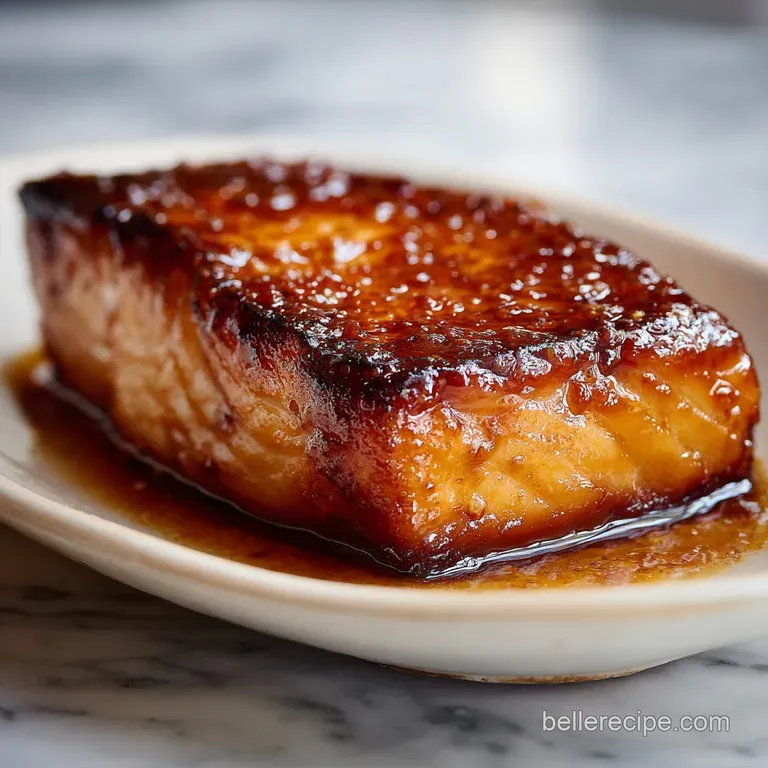
Let's crack on with the actual cooking. Remember, the goal is a mahogany crust and a center that just barely flakes.
- Mix the miso paste, mirin, low sodium soy sauce, maple syrup, and grated ginger in a small bowl. Whisk until it's completely smooth and glossy.
- Pat the butterfish fillets dry with paper towels. Note: Wet fish will steam instead of sear
- Season the fillets with cracked black pepper.
- Heat avocado oil in a cast iron skillet or heavy bottomed non stick pan over medium high heat until it shimmers.
- Place fillets in the pan and sear for 3–4 minutes without moving them until a golden brown crust forms.
- Flip the fillets carefully using a wide spatula.
- Immediately brush a generous layer of the miso glaze over the seared top.
- Cook for another 3–4 minutes, spooning the melting glaze over the fish as it finishes.
- Remove from heat when the fish flakes easily with a fork.
- Finish by drizzling with fresh lemon juice before serving.
Fixing Common Glitches
The biggest issue people have with this butterfish recipe is timing. Because of the sugar in the miso, the window between "caramelized" and "burnt" is about 30 seconds.
Troubleshooting Common Issues
| Issue | Solution | ||
|---|---|---|---|
| Why Your Glaze Burned | If your glaze is black and bitter, your pan was likely too hot when you applied the sauce. You want the pan hot for the initial sear, but once you flip and glaze, the heat should be steady, not aggres | ||
| Why The Fish Sticked | This usually happens if the pan wasn't hot enough or if you tried to flip the fish too early. If the fish is sticking, leave it alone for another 30 seconds; it will naturally release once the crust h | ||
| Why The Texture Is Rubbery | Overcooking is the enemy. Butterfish is rich, but it can turn rubbery if it stays on the heat too long. Use a fork to check for flaking, once it gives way easily, get it out of the pan. | Problem | Roo |
Pro Prevention Checklist
- ✓ Pat fish completely dry with a paper towel
- ✓ Use a high smoke point oil like avocado oil
- ✓ Wait for the "shimmer" before adding fish
- ✓ Do not move the fish during the first 3 minutes
- ✓ Brush glaze ONLY after the first flip
Fresh Flavor Twists
You can take this butterfish recipe in a few different directions depending on what's in your pantry. The miso base is incredibly flexible.
For a Hawaiian butterfish twist, add a teaspoon of pineapple juice to the glaze and serve the fish over a bed of steamed coconut rice. The sweetness of the pineapple plays perfectly with the salty miso.
If you're looking for a quicker version, an air fryer butterfish shortcut works well: brush the glaze on first and air fry at 400°C for about 8-10 minutes, though you'll lose that pan seared crust.
For those following a low carb lifestyle, a keto friendly swap involves replacing the maple syrup with a drop of liquid stevia or monk fruit sweetener. It changes the browning slightly but keeps the umami punch. This searing technique is actually very similar to how I handle my Chicken Bryan recipe, where the pan sear is the foundation for a rich sauce.
Quick Decision Guide
- If you want maximum crust → Use cast iron and high heat.
- If you want a milder flavor → Use more lemon juice and less soy.
- If you're short on time → Use the air fryer method.
Keeping Fish Fresh
Fresh fish doesn't like to hang around. If you have leftovers from this butterfish recipe, store them in an airtight container in the fridge for up to 3 days.
Avoid freezing the fish after it's been cooked. The texture of the miso glaze changes when frozen and thawed, often becoming grainy or separating. When reheating, don't use the microwave if you can avoid it, as it will make the fish rubbery.
Instead, pop it in a toaster oven for 3-5 minutes at 150°C just to warm it through.
As for zero waste, don't toss the leftover glaze in the bowl. It's essentially a high end savory syrup. I like to brush it on roasted carrots or Brussels sprouts before popping them in the oven. It turns a boring vegetable into something vibrant and rich.
The Final Look
Plating this dish is where you can really make it feel like a restaurant meal. Because the fish has that deep mahogany color, it looks stunning against a bright green background. I usually serve it over blanched bok choy or sautéed spinach.
Place the fillets slightly overlapping each other in the center of the plate. Drizzle any remaining glaze from the pan over the top for a velvety finish. A sprinkle of toasted sesame seeds or thinly sliced scallions adds a pop of color and a bit of crunch.
The contrast between the charred glaze and the fresh greenery makes this butterfish recipe feel complete.
The final touch is that lemon squeeze. Don't skip it. The acid cuts through the richness of the fish and the miso, waking up all the other flavors. It transforms the dish from "heavy" to "balanced."
Recipe FAQs
How is butterfish usually cooked?
Pan-sear it in a cast iron skillet over medium-high heat. This method creates a golden-brown crust while keeping the interior moist and tender.
How to prepare butter fish?
Pat the fillets dry with paper towels and season with cracked black pepper. Sear in avocado oil for 3–4 minutes per side, brushing the miso glaze on after the first flip.
Is butterfish a good fish to eat?
Yes, it is highly valued for its rich, buttery texture. It provides a melt-in-your-mouth experience that pairs perfectly with acidic glazes.
How do you eat butterfish?
Serve the fillets immediately after drizzling with fresh lemon juice. This fish pairs well with hearty sides like homemade baked beans for a complete meal.
Why did my miso glaze burn?
The pan was likely too hot when the sauce was applied. Maintain steady heat during the glazing phase rather than the aggressive heat used for the initial sear.
Why is my butterfish sticking to the pan?
The pan wasn't hot enough or the fish was flipped too early. Wait another 30 seconds; the fillet will release naturally once the crust has fully formed.
Is it true butterfish must be marinated overnight for the best flavor?
No, this is a common misconception. Applying a fresh miso glaze during the final minutes of cooking provides intense flavor without compromising the fish's texture.
Butterfish Recipe in 20 Minutes