Creamy Chicken Noodle Soup: Smooth and Hearty
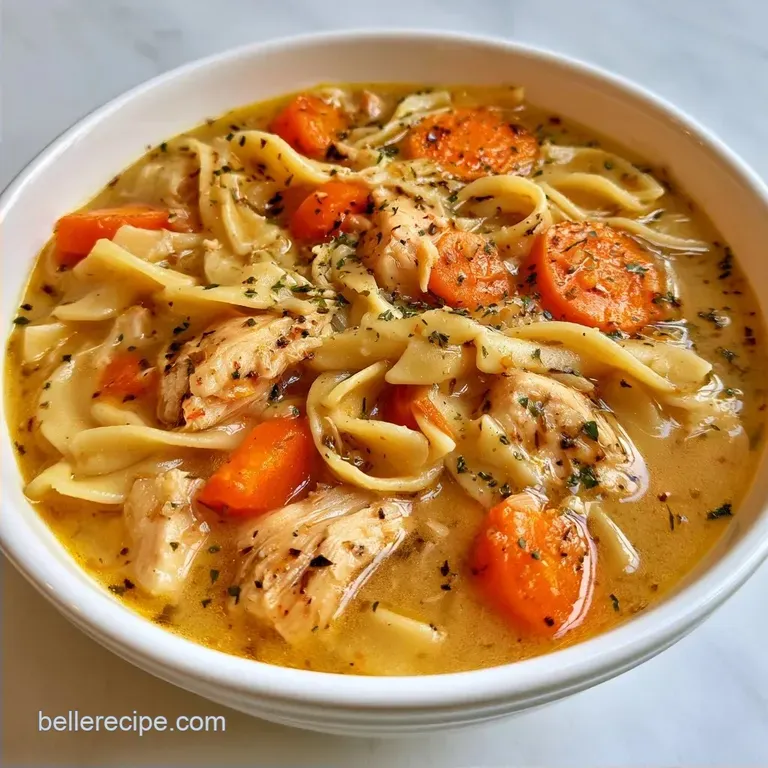
- Time: 10 min active + 40 min cook
- Flavor/Texture Hook: Rich, buttery broth with tender egg noodles
- Perfect for: Cold rainy nights or comforting family dinners
- Creamy Chicken Noodle Soup That Actually Works
- The Trick Behind the Texture
- Gathering Your Essentials
- Equipment Needed
- Step-by-Step Instructions
- How to Fix Common Problems
- Dietary Adaptations
- Dispelling Soup Rumors
- How to Store and Keep Fresh
- Perfect Complements
- High in Sodium
- Recipe FAQs
- 📝 Recipe Card
Creamy Chicken Noodle Soup That Actually Works
The aroma of butter browning in a heavy pot always brings back a rush of nostalgia. It takes me back to those November afternoons when the wind howls against the windowpanes and the only real option is to curl up with a steaming bowl of something warm.
I used to prefer a thin, brothy soup, but it never felt like a satisfying meal.
I remember one particular Tuesday when I was feeling unwell and craved something that felt like a warm embrace. I decided to experiment by adding a touch of flour and heavy cream to my usual recipe. The result was a velvety texture that felt indulgent without being too heavy.
This Creamy Chicken Noodle Soup brings that same sense of comfort. It blends the saltiness of the broth with a hint of garlic and a splash of richness from the cream. It's a soothing dish that doesn't require all day to prepare, making it a reliable win for any night in the kitchen.
The Trick Behind the Texture
- The Roux Connection: Combining flour and butter creates a roux, which keeps the cream from curdling when added to the simmering broth.
- Noodle Starch: Adding noodles straight to the pot releases starches that help the liquid coat the chicken more effectively.
Coating the vegetables in flour prevents the soup from splitting. Serious Eats' research on roux based recipes shows that this stabilization is what maintains a velvety consistency over time.
| Method | Time | Texture | Best For |
|---|---|---|---|
| Stovetop | 50 mins | Rich & Cohesive | Quick weeknight meals |
| Oven (Slow) | 4 hours | Deeply Infused | Sunday meal prep |
Now, let's discuss the tools. You don't need specialized equipment, but a thick bottomed pot is key to ensuring the cream doesn't scorch.
Gathering Your Essentials
The base starts with the classic "holy trinity" of aromatics. Carrots, celery, and onions bring a natural sweetness that balances the richness of the heavy cream. For the protein, I typically use rotisserie chicken to save time, but if you're starting from scratch, my juicy chicken breast guide is the best way to ensure the meat stays tender while simmering.
The broth is the heart of this recipe. I prefer low-sodium chicken broth so you can manage the salt levels, which is key since the cream and butter already provide plenty of richness. Adding fresh parsley at the end is essential; its grassy scent and vibrant green color wake up the entire pot.
The Shopping List
- 4 tbsp unsalted butter Why this? Builds a rich foundation for the roux
- 1 medium yellow onion, diced Why this? Contributes a mild, savory sweetness
- 3 medium carrots, sliced into rounds Why this? Provides natural sugars and color
- 2 stalks celery, diced Why this? Gives the soup its signature aroma
- 4 cloves garlic, minced Why this? Adds a sharp, aromatic kick
- 1/4 cup all purpose flour Why this? Acts as a thickener for the broth
- 6 cups low sodium chicken broth Why this? Allows for better salt control
- 1 tsp dried thyme Why this? Adds an earthy flavor that complements chicken
- 3 cups cooked shredded chicken Why this? An efficient, tender protein source
- 8 oz wide egg noodles, uncooked Why this? Better at clinging to the sauce than other pasta
- 1 cup heavy cream Why this? Creates the iconic smooth, velvety texture
- 2 tbsp fresh parsley, chopped Why this? Cuts through the richness with freshness
- 1 tsp salt Why this? Brings out all the other flavors
- 1/2 tsp cracked black pepper Why this? Provides a touch of warmth
Simple Swaps
| Original Ingredient | Substitute | Why It Works |
|---|---|---|
| Heavy Cream (1 cup) | Full fat Coconut Milk | Similar fat content. Note: Adds a slight tropical coconut flavor |
| Egg Noodles (8 oz) | Ditalini or Rotini | Different shape. Note: May require 2-3 more minutes of simmering |
| Low Sodium Broth | Homemade Stock | Higher gelatin content. Note: Results in a thicker, glossier soup |
Trust me on this: stick with the butter. Substituting it with oil alters the flavor profile and can make the thickening process less stable.
Equipment Needed
You can get away with a few basics, but a Dutch oven is the gold standard. The cast iron distributes heat evenly, which means your flour won't burn in one spot while the other side is raw. If you don't have one, a large stainless steel pot works fine, just keep your heat a bit lower.
A whisk is a must. You can't really stir out flour lumps with a spoon, and nothing ruins a bowl of Creamy Chicken Noodle Soup faster than a clump of raw flour. A silicone spatula also helps for scraping the bottom of the pot to get all those browned bits of onion into the broth.
Step-by-step Instructions
In a Dutch oven, melt the butter over medium heat. Toss in the diced onion, carrots, and celery, cooking for 6–8 minutes until the carrots soften and the onions become translucent. Stir in the minced garlic and sauté for 60 seconds until fragrant.
Dust the vegetables with the flour. Stir constantly for 2 minutes until a slightly nutty aroma develops. Note: Avoid browning the flour to maintain the soup's pale color.
Gradually whisk in the chicken broth. Adding it in small batches ensures there are no flour lumps. Stir in the thyme.
Let the liquid reach a boil, then turn the heat down to low.
Fold in the shredded chicken and the raw egg noodles. Simmer without a lid for 10–12 minutes until the noodles are tender but still hold their shape.
Set the heat to the lowest possible setting. Be careful during this step.
Stir in the fresh parsley and heavy cream.
Season with black pepper and salt. Remove the pot from the heat immediately. Note: To prevent the cream from breaking or separating, do not let it boil.
Let the soup rest for 2 minutes before serving to allow the flavors to meld.
Chef's Note: If you're using rotisserie chicken, shred it while it's still warm. It pulls apart more easily and absorbs the broth better.
How to Fix Common Problems
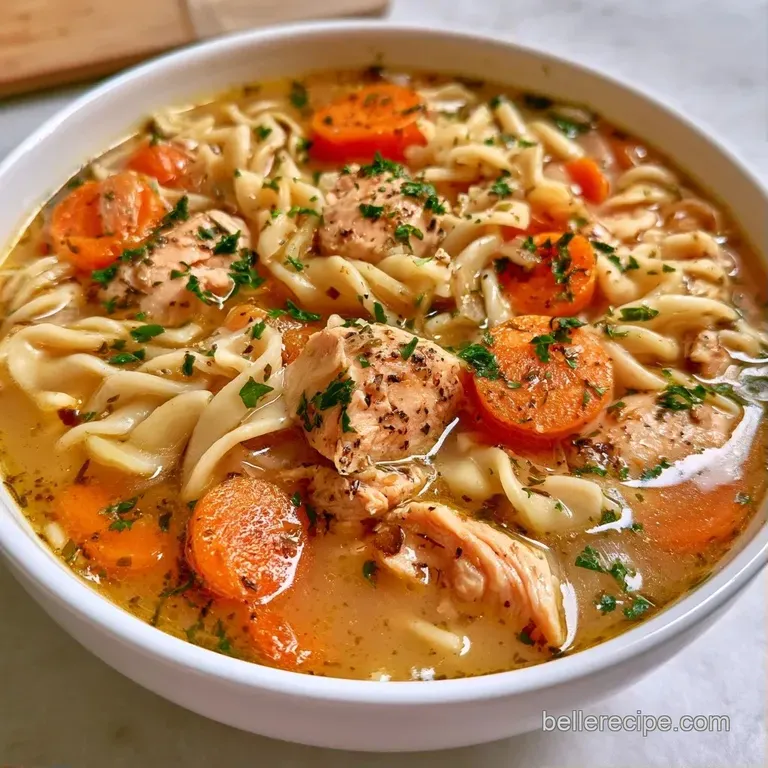
Sometimes the broth doesn't behave. If the soup looks too thin, it usually means the flour didn't cook long enough or the broth to flour ratio was off. You can fix this by simmering for another 5 minutes without a lid, but avoid overcooking the noodles.
If the noodles absorb too much liquid, it's usually because the soup sat too long. Egg noodles are like sponges. The easiest fix is to splash in a bit more broth or a bit of water right before serving to loosen it back up.
When the cream looks "broken," it means the heat was too high. You can sometimes save it by whisking in a teaspoon of cornstarch dissolved in cold water, but the best prevention is keeping the heat on low during the final fold in.
Quick Fixes
| Problem | Root Cause | Solution |
|---|---|---|
| Soup is too thin | Roux didn't thicken | Whisk in 1 tsp cornstarch slurry |
| Noodles too mushy | Overcooked simmer | Remove noodles early and store separately |
| Broth looks grainy | Cream curdled | Stir in 1 tbsp of warm broth and whisk vigorously |
If you find yourself making this often, you might want to look into other rich options, like my Classic Creamy Tomato Basil Soup, which uses a similar thickening method.
Dietary Adaptations
If you need a dairy-free alternative, coconut milk works well, but cashew cream is the superior choice. To prepare it, soak raw cashews in water for 4 hours, then blend them with a splash of fresh water until the consistency is silky and smooth. It provides a fat content very similar to heavy cream.
For a low-carb version, replace egg noodles with cauliflower florets or spiralized zucchini. Because these lack starch, you may want to incorporate an additional tablespoon of flour into the roux to ensure the soup remains thick.
Stir in the zucchini during the final 3 minutes of cooking to keep it from becoming too soft.
For a simpler method, try a Slow Cooker Creamy Chicken Noodle Soup. Combine all ingredients except the noodles, cream, and flour in your crock pot on low for 6 hours.
Whisk the flour with a bit of broth into a paste and stir it in 30 minutes before finishing; then, add the cream and noodles during the last 15 minutes.
Batch Adjustments
- Want more zing? → Stir in 1 tsp lemon zest at the very end.
- More depth? → Add 1 tbsp of soy sauce or Worcestershire sauce to the broth.
- Heartier veg? → Include diced potatoes during the initial sauté.
| Ingredient Option | Budget Choice | Premium Choice | Impact |
|---|---|---|---|
| Chicken | Rotisserie | Organic Poached | Premium is more tender |
| Broth | store-bought | Bone Broth | Bone broth adds more body |
| Butter | Margarine | Grass fed Butter | Grass fed is more aromatic |
Adjusting the Batch Size
When scaling up for a large group, avoid simply doubling the salt. Begin with 1.5x the salt and pepper, then adjust to taste at the end. Since liquid reduction varies in larger vessels, you might find that 11 cups of broth works better than 12.
For a half batch, use a smaller pot so the liquid doesn't steam away too fast. Cut the simmering time by roughly 20% as the smaller volume of noodles will soften more quickly.
Dispelling Soup Rumors
Some people believe you have to sear the chicken first to "lock in the juices." This isn't actually true. Searing adds a nice brown crust and flavor, but it doesn't stop moisture from leaving the meat. For this Creamy Chicken Noodle Soup, shredded cooked chicken is just as good and keeps the process fast.
Another common myth is that adding cream at the beginning makes the soup richer. In reality, boiling cream for 40 minutes can change the flavor and risk curdling. Adding it at the end preserves the fresh, silky taste of the dairy.
How to Store and Keep Fresh
Keep your leftovers in a sealed glass jar in the cold box for up to 3 days. When you reheat it, do it slowly on the stove over medium low heat. If you microwave it on high, the cream might separate, and the noodles will likely become overcooked.
Freezing this soup is tricky because the noodles and cream don't always freeze well. The noodles can become gummy, and the cream can break. If you plan to freeze it, I suggest freezing the base (without noodles or cream).
When you're ready to eat, thaw the base, simmer the noodles in it, and stir in the cream at the very end.
To avoid waste, save your chicken carcass and vegetable scraps. Throw them in a pot with water and a pinch of salt, simmer for a few hours, and you've got a homemade stock for your next batch. Even the stems of the parsley can be tossed into that stock pot for extra flavor.
Perfect Complements
Because this soup is so decadent and rich, it pairs beautifully with something bright or crunchy. I recommend serving it alongside sourdough bread toasted with garlic butter. A simple side salad with a lemon vinaigrette is also a great choice, as the acidity helps balance the creaminess.
For a more satisfying snap, try some homemade soup crackers. Their salty, crisp texture makes the entire meal feel more complete.
If you're serving children, a few slices of fresh apple or a small bunch of grapes provide a refreshing contrast to the savory, buttery broth.
According to USDA guidelines, the safe internal temperature for poultry is 165°F; therefore, if you are adding raw chicken to your broth, ensure it reaches this temperature before stirring in the cream.
Since this recipe uses pre-cooked chicken, you are primarily just heating it through, but it is an important rule for any poultry dish.
Now you are ready to bring this cozy classic to your table. It is a straightforward, honest meal that proves you don't need hours in the kitchen to create something special. Just be patient with the roux, keep an eye on your heat, and enjoy the warmth.
High in Sodium
883 mg 883 mg of sodium per serving (38% 38% of daily value)
The American Heart Association recommends a limit of 2,300mg of sodium per day for most adults to maintain heart health.
Tips to Reduce Sodium in Your Recipe
-
Use No-Salt Added Broth-30%
Replace the low-sodium chicken broth with no-salt added chicken broth to dramatically cut the primary sodium source.
-
Omit Added Salt-25%
Completely remove the 1 tsp of salt from the recipe; the broth and natural flavors of the vegetables provide sufficient seasoning.
-
Prepare Unsalted Chicken-15%
Ensure the shredded chicken is home cooked without added salt rather than using store-bought rotisserie or pre-cooked chicken.
-
Swap the Noodles-10%
Use fresh homemade noodles or a low-sodium pasta alternative to avoid the sodium typically found in dried egg noodles.
-
Enhance with Aromatics
Increase the fresh parsley, thyme, and garlic to add complexity and brightness to the soup without adding any sodium.
Recipe FAQs
What makes this soup creamy?
A combination of a butter flour roux and heavy cream creates the richness.
Tip: Stir in the cream on the lowest heat to prevent curdling.
How to thicken a thin broth?
Whisk in a slurry of flour and chicken broth or increase the roux quantity.
Tip: Cook the flour for two minutes to eliminate the raw taste.
Which ingredients are essential?
This recipe requires butter, onion, carrots, celery, garlic, flour, chicken broth, thyme, shredded chicken, egg noodles, heavy cream, and parsley.
Tip: Use wide egg noodles to better hold the thick sauce.
Are there any suggested pairings?
Fresh crusty bread or a light garden salad complement the rich flavors.
Tip: If you enjoy this creamy consistency, try the same base in our white pasta sauce.
Is it true that cornstarch is the only way to thicken the base?
Surprisingly, no. A roux made from butter and flour provides a more stable and savory texture.
Tip: Stir the flour constantly to avoid brown clumps.
Where should the leftovers be stored?
Keep the soup in a sealed container for three to four days.
Tip: Store the noodles separately to prevent them from becoming mushy.
Creamy Chicken Noodle Soup