Creamy Mashed Potatoes Recipe
- Time: Active 10 mins, Passive 15 mins, Total 25 mins
- Flavor/Texture Hook: Velvety, buttery, and incredibly smooth
- Perfect for: Holiday gatherings or comforting weeknight dinners
- Secrets to a Velvety Mashed Potatoes Recipe
- Why This Specific Method Works
- Critical Numbers for the Recipe
- Sourcing Your Essential Ingredients
- Basic Tools for Best Results
- Mastering the Simple Cooking Steps
- Fixing Common Potato Texture Issues
- Creative Swaps and Flavor Twists
- Storage and Zero Waste Tips
- Perfect Toppings and Serving Ideas
- Common Kitchen Misconceptions
- Recipe FAQs
- 📝 Recipe Card
Secrets to a Velvety Mashed Potatoes Recipe
I still remember the first time I tried to make a big batch of spuds for a holiday dinner. I was rushing, threw everything into a food processor, and ended up with something that looked and tasted more like wallpaper paste than a side dish. It was a sticky, gummy mess that no amount of extra butter could save.
That failure sent me on a mission to find out exactly what makes a potato turn into silk instead of glue.
We’ve all been there, staring at a pot of boiling water and wondering if we should salt it now or later. The truth is, the best results come from treating the potato with a little bit of respect.
This isn't just about smashing things down; it's about understanding how the starch behaves when it meets heat and fat. Once you get the rhythm of drying the potatoes and warming your cream, you'll never settle for lackluster mash again.
This mashed potatoes recipe is designed for those of us who want that restaurant quality finish without needing a dozen fancy gadgets. We are going to focus on the Yukon Gold, the king of the potato world, and use a few simple tricks to keep them light.
You don't need to be a professional to pull this off, just a person who appreciates a bowl of hot, buttery comfort at the end of a long day.
Why This Specific Method Works
- Amylose Control: Gentle mashing prevents the starch cells from rupturing, which is exactly what causes that dreaded gummy texture.
- Residual Heat Steaming: Draining the water and letting the potatoes sit in the hot pot for two minutes evaporates excess moisture.
- Fat First Barrier: Adding the softened butter before the liquid heavy cream coats the starch, creating a silky mouthfeel.
- Osmotic Balance: Starting the potatoes in cold, salted water ensures they cook evenly from the center out to the skin.
| Cooking Method | Total Time | Texture Outcome | Best Use Case |
|---|---|---|---|
| Stovetop Boiling | 25 mins | Fluffy and light | Traditional creamy mash |
| Oven Roasting | 50 mins | Dense and earthy | Rustic or smashed styles |
| Pressure Cooking | 15 mins | Very soft | Quick weeknight meals |
Choosing the stovetop method allows for the most control over the hydration of the potato. While the oven provides a deep, concentrated flavor, the water boiling technique allows the starch to hydrate properly, which is essential for that velvety consistency we are after.
Critical Numbers for the Recipe
| Component | Science Role | Pro Secret |
|---|---|---|
| Yukon Gold Spuds | High starch content | Leave them in large cubes to minimize water absorption during the boil. |
| Unsalted Butter | Fat emulsification | Use room temperature butter to prevent the potatoes from cooling too fast. |
| Heavy Cream | Liquid hydration | Warm the cream on the stove to keep the potato starches from seizing up. |
| Cream Cheese | Stability and tang | The lactic acid provides a subtle brightness that cuts through the heavy fats. |
The interaction between the heavy cream and the cream cheese is where the magic happens. While the cream provides the fluidity, the cream cheese adds a structural richness that keeps the mash from feeling too thin or runny on the plate.
Sourcing Your Essential Ingredients
For this recipe, we are keeping the list short but the quality high. You’ll need 3 lbs (1.36 kg) of Yukon Gold potatoes, which I prefer over Russets because they have a naturally buttery flavor and a smoother cell structure.
You will also need 1 tbsp of Kosher salt for the boiling water and 0.5 tsp of fine sea salt for the final seasoning.
The dairy is just as important as the tubers. Grab 0.5 cup (113g) of unsalted butter and make sure it’s softened before you start. You'll also need 0.75 cup (180ml) of heavy cream and 4 oz (115g) of full fat cream cheese.
Finally, keep some freshly cracked black pepper on hand to add a little bit of woody heat at the end.
- Yukon Gold Potatoes: 3 lbs (1.36 kg). Why this? They have a natural creaminess and won't turn grainy when mashed.
- Kosher Salt: 1 tbsp. Why this? Essential for seasoning the potato from the inside out during boiling.
- Heavy Cream: 0.75 cup (180ml). Why this? High fat content creates a luxurious, silky finish.
- Unsalted Butter: 0.5 cup (113g). Why this? Allows you to control the salt level perfectly.
- Cream Cheese: 4 oz (115g). Why this? Adds a velvety thickness and a slight, pleasant tang.
- Fine Sea Salt: 0.5 tsp. Why this? Dissolves quickly for final flavor adjustments.
- Black Pepper: 0.25 tsp. Why this? Provides a sharp contrast to the rich dairy.
Basic Tools for Best Results
You don't need a kitchen full of hardware to make this work. A simple 5 quart heavy bottomed pot is your best friend here because it holds heat well, which is vital for the "dry steaming" phase.
A colander is obviously necessary for draining, but make sure it’s one that allows for fast drainage so the potatoes don't sit in a puddle of lukewarm water.
For the mashing itself, a basic wire masher or a sturdy silicone spatula works perfectly. If you happen to have a potato ricer, that’s great for an even smoother finish, but it’s definitely not a requirement for a comforting home meal. I often find that a hand mashed texture has a bit more soul to it.
Chef's Tip: If you want the ultimate smoothness without a ricer, use a whisk for the final 30 seconds of mixing. It aerates the potatoes slightly, making them feel lighter than air.
Mastering the Simple Cooking Steps
- Peel the potatoes. Remove all skin and any "eyes" from the 3 lbs (1.36 kg) of Yukon Golds.
- Cube the spuds. Cut them into uniform 1 inch pieces. Note: Uniformity ensures every piece finishes cooking at the exact same moment.
- Start in cold water. Place cubes in the pot and cover with cold water by at least an inch.
- Season the water. Add the 1 tbsp of Kosher salt. Note: This is your only chance to season the interior of the potato.
- Boil until tender. Bring to a boil, then simmer for 15 minutes until a fork slides in with zero resistance.
- Drain and dry. Pour into a colander, then return the potatoes to the hot, empty pot for 2 minutes.
- Melt the butter. Add the 0.5 cup (113g) of softened butter and mash roughly until most large lumps disappear.
- Incorporate the dairy. Pour in the 0.75 cup (180ml) of warm heavy cream and 4 oz (115g) of cream cheese.
- Fold and season. Use a spatula to fold the mixture until it looks glossy and smooth.
- Final touch. Stir in the 0.5 tsp fine sea salt and 0.25 tsp black pepper.
If you find yourself craving a bit more texture, you might enjoy the technique used in my Crispy How to recipe which focuses on a more rustic, skin on approach. But for this specific dish, we are aiming for that high end, silky finish that feels like a warm hug.
Fixing Common Potato Texture Issues
Sticky or Gummy Consistency
This usually happens when the potatoes are overworked. When you mash too aggressively or use a high speed blender, the starch cells burst and release amylose, which acts like glue. It is almost impossible to reverse this once it happens, so prevention is key.
Watery and Bland Flavor
If your mash feels thin or lacks depth, it’s likely because the potatoes absorbed too much water during the boil or weren't dried properly afterward. This is why the "dry steaming" step in the hot pot is so non negotiable for a professional result.
| Problem | Root Cause | Solution |
|---|---|---|
| Lumpy mash | Underboiled potatoes | Cook until the potato literally falls apart when pressed with a fork. |
| Cold mash | Adding cold dairy | Always warm your cream and butter before mixing them in. |
| Soupy texture | Too much liquid | Add more cream cheese or a small amount of instant potato flakes to thicken. |
To avoid these headaches next time, keep this checklist in mind as you work through the steps. It sounds simple, but these little habits make all the difference between a "good" side dish and one that people ask for the recipe.
- ✓ Start with cold water to ensure even cooking from the core outward.
- ✓ Never use a food processor or blender; stick to manual mashing tools.
- ✓ Dry the potatoes in the hot pot for at least 90 seconds after draining.
- ✓ Always warm the heavy cream before it touches the hot potatoes.
- ✓ Add the butter first to coat the starch before adding the liquid cream.
Creative Swaps and Flavor Twists
If you want to move away from the classic profile, there are plenty of ways to adjust this. You can easily turn this into a roasted garlic version by squeezing 10 cloves of caramelized garlic into the mix during step 8. The sweetness of the garlic pairs beautifully with the tang of the cream cheese.
For those looking for something a bit more traditional and rustic, you might want to look into the Classic Lyonnaise Potatoes Recipe which uses onions and a different cooking style entirely. However, if you're sticking with the mash, here is a quick guide to swapping ingredients based on what you have in the pantry.
| Original Ingredient | Substitute | Why It Works |
|---|---|---|
| Heavy Cream | Whole Milk + 1 tbsp Butter | Provides similar fat levels. Note: Will be slightly less thick. |
| Cream Cheese | Greek Yogurt | Adds a sharp tang and protein. Note: Texture will be thinner. |
| Unsalted Butter | Salted Butter | Same fat content. Note: Reduce the added sea salt by half. |
Infusing Fresh Herbs
Try simmering a sprig of rosemary or thyme in the heavy cream for five minutes before straining and adding it to the potatoes. This creates a subtle, woody aroma that permeates the entire dish without having bits of leaves stuck in your teeth.
Going dairy-free
You can achieve a surprisingly creamy result using high-quality olive oil and starchy potato cooking water instead of cream and butter. It won't have the same dairy richness, but the fruitiness of the oil brings a Mediterranean flair to the table.
Storage and Zero Waste Tips
You can keep these potatoes in an airtight container in the fridge for up to 4 days. When reheating, don't just microwave them on high power, as the fat will separate and leave you with a greasy mess.
Instead, put them back in a pot over low heat and stir in a tablespoon of milk or cream to loosen the starch and restore the texture.
If you find yourself with leftovers that you don't want to just eat plain, you can turn them into potato pancakes the next morning. Just mix in an egg and a little flour, then fry them in butter until they are golden and crispy. You can even use the peels to make something similar to an Air Fryer Potato recipe by tossing them with oil and salt and air frying until they shatter.
Perfect Toppings and Serving Ideas
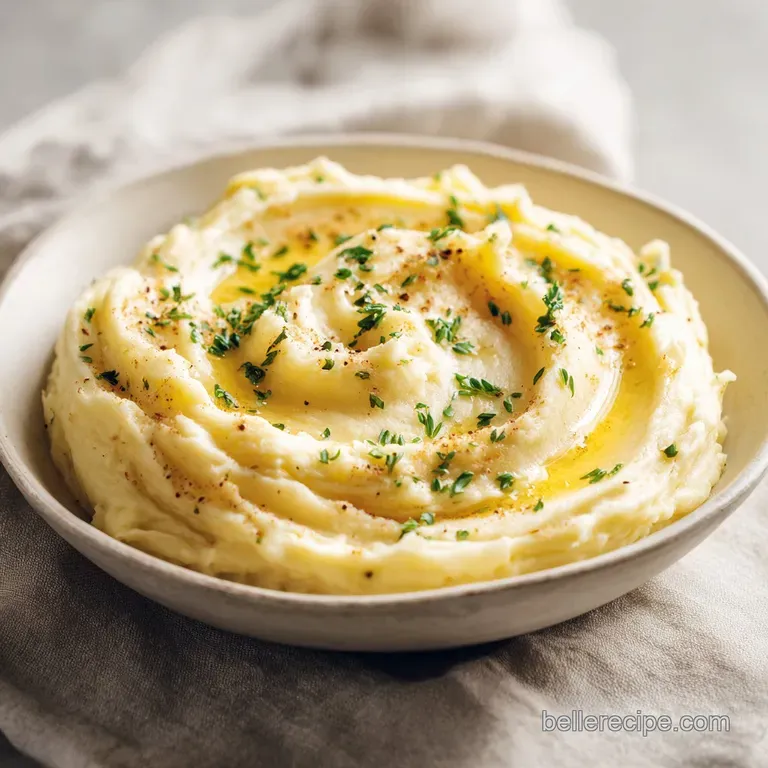
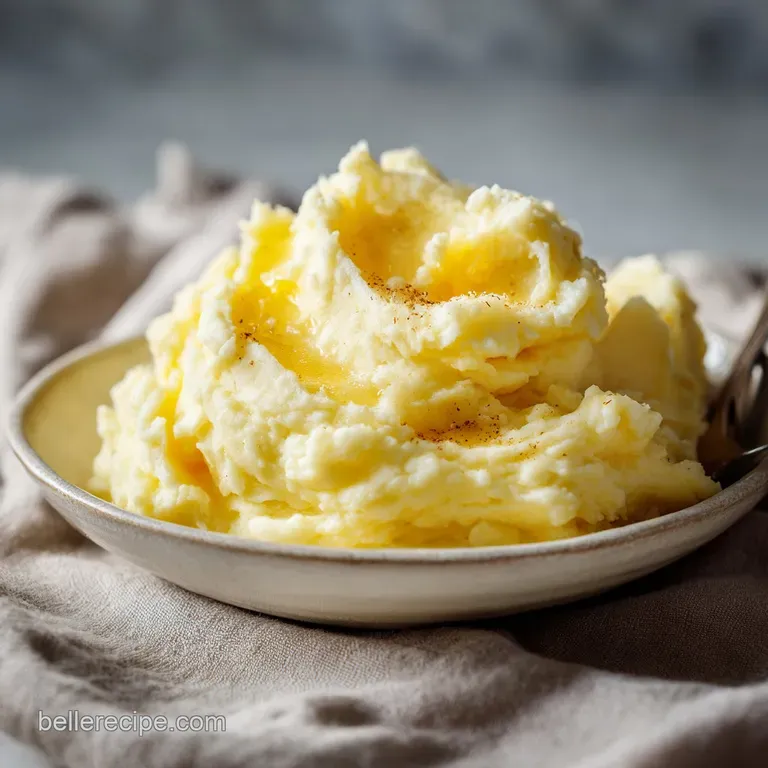
When it comes to serving, presentation is everything. I like to use the back of a large spoon to create deep "swooshes" in the surface of the mash. This creates little valleys where extra melted butter and chopped chives can pool, making every scoop a bit more flavorful.
The Finishing Touches
A sprinkle of smoked paprika or a dusting of freshly grated nutmeg can change the entire vibe of the dish. Nutmeg, in particular, is a classic French secret for dairy based dishes; it adds a warmth that most people can't quite identify but absolutely love.
Pairing with Mains
These potatoes are the perfect bed for a red wine braised short rib or a simple roasted chicken. The way the gravy interacts with the cream cheese infused potatoes is nothing short of magical.
Keep the sides simple maybe some roasted carrots or a crisp green salad to let the richness of the mash really shine.
To scale this up for a big party, you can double the recipe easily, but remember to keep the spices to about 1.5 times the original amount and adjust to taste at the very end. Potatoes are like sponges for salt, but it's always easier to add more than it is to fix an oversalted batch.
Common Kitchen Misconceptions
One of the biggest myths is that you should peel and cut potatoes hours in advance and leave them soaking in water. While this prevents browning, it also leaches out the very starch we need for a cohesive mash. If you must prep ahead, keep the soaking time under 30 minutes.
Another frequent mistake is thinking that "more milk" equals "more creamy." Actually, it's the fat from the butter and cream cheese that provides the creaminess. Adding too much liquid just makes the potatoes soupy. Focus on the quality of the fats rather than the volume of the liquids for the best mouthfeel.
Recipe FAQs
What is the secret to really good mashed potatoes?
Dry the potatoes thoroughly after boiling. Excess water prevents the fat and cream from being absorbed, leading to a diluted, less flavorful result. Steaming them off in the empty hot pot for two minutes is non-negotiable for a velvety texture.
How to make the best mashed potatoes?
Use Yukon Gold potatoes, warm your dairy, and mash gently. Start the potatoes in cold, salted water and ensure they are completely tender before draining. Adding warm butter before the warm heavy cream coats the starch cells, preventing stickiness.
Is milk or cream better for mashed potatoes?
Cream is better. Heavy cream, due to its high fat content (at least 36%), creates a richer, more stable emulsion that results in a luxurious, velvety mouthfeel. Milk tends to thin the mixture out too much.
What is a common mistake when making mashed potatoes?
Over mashing or using a food processor. Overworking the potato ruptures the starch granules, releasing amylose which immediately turns the mixture gummy and glue like. You must mash just until the solids are broken down.
Should I add the butter or the cream first?
Add the softened butter first, then the warm cream. Butter coats the starch granules, creating a fat barrier that resists water absorption, leading to a silkier final product. This is the same principle we use to control spread in pastry, see how we manage that in our Classic Homemade Salisbury recipe.
Can I make my mashed potatoes taste richer without using more cream?
Yes, incorporate cream cheese or crème fraîche. The addition of a tangy, high fat dairy product like cream cheese provides incredible body and stability that regular milk or cream cannot match. If you want to practice stabilizing dairy bases, look at how we achieve richness in the Heavenly Homemade Fraiche recipe.
How can I ensure my potatoes cook evenly throughout?
Start them in cold water and cut them into uniform pieces. Placing potatoes directly into boiling water causes the outside to overcook and fall apart before the starchy center is fully tender. Starting cold ensures the heat penetrates evenly to the core.
Creamy Mashed Potatoes Recipe
Ingredients:
Instructions:
Nutrition Facts:
| Calories | 482 kcal |
|---|---|
| Protein | 6.8 g |
| Fat | 33.4 g |
| Carbs | 40.5 g |
| Fiber | 4.5 g |
| Sugar | 3.2 g |
| Sodium | 420 mg |
