Greek Roasted Potatoes: Crispy and Zesty
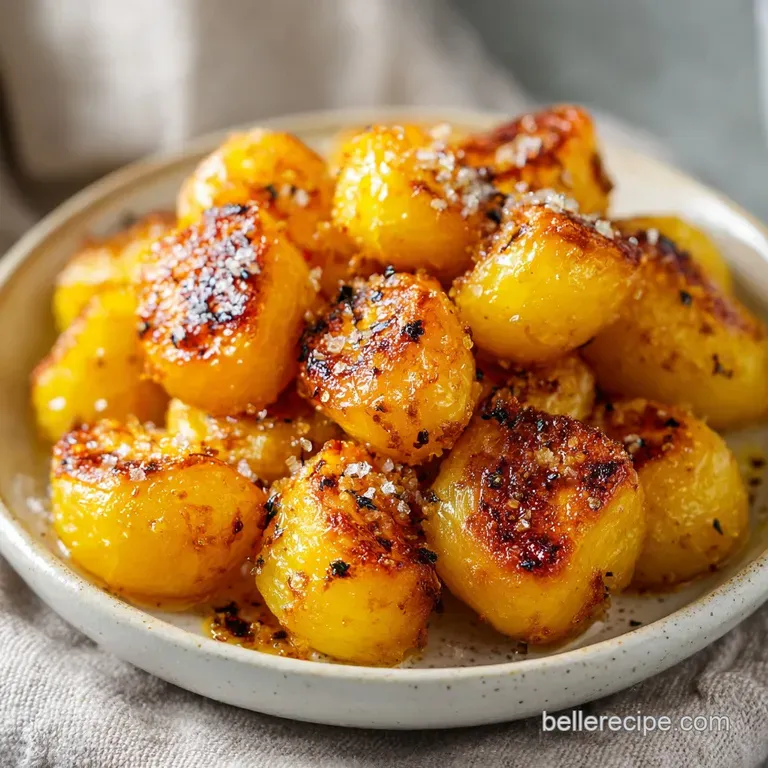
- Time: Active 15 minutes, Passive 45 minutes, Total 60 minutes
- Flavor/Texture Hook: Zesty lemon herb crust with a creamy, buttery center
- Perfect for: Sunday family roasts or impressive weeknight side dishes
- The Secret Behind Authentic Greek Roasted Potatoes
- Essential Specs for Your Roasted Potatoes
- Sourcing Ingredients for Vibrant Mediterranean Flavor
- Essential Equipment for a Golden Finish
- Step-by-Step Instructions for Crispy Results
- Avoiding Common Roasting Mistakes and Pitfalls
- Flavorful Swaps and Creative Recipe Twists
- Practical Storage and Zero Waste Ideas
- Perfect Pairings for Your Greek Spuds
- Myths About Greek Potatoes
- Recipe FAQs
- 📝 Recipe Card
The Secret Behind Authentic Greek Roasted Potatoes
Walking into a Greek kitchen during a Sunday feast, you aren't hit with the smell of meat first. It is the sharp, bright scent of lemon and the earthy, woodsy aroma of wild oregano wafting from the oven. These aren't just roasted spuds, they are Patates Riganates, a cornerstone of Hellenic hospitality.
I remember sitting in a tiny taverna in the Peloponnese, watching the cook pull a massive blackened tray from the hearth. The potatoes were sitting in a shallow pool of golden oil and lemon juice, sizzling with a sound that promised a texture somewhere between a cloud and a crouton.
The mistake most home cooks make is treating these like standard roasted potatoes. If you just toss them in oil and throw them in the oven, you miss that signature "melting" quality. This recipe relies on a specific ratio of liquid to fat.
We are essentially braising the potatoes until the broth and lemon juice are absorbed into the starch, leaving behind only the olive oil to fry the exteriors. It is a slow transformation that turns a humble tuber into something vibrant and rich.
We've all had those dry, dusty roasted potatoes that need a gallon of gravy to go down. Not these. By using Yukon Golds and a generous amount of chicken broth, we create a self basting environment. The result is a potato that feels weighty and substantial but breaks apart at the slightest pressure from a fork.
Right then, let's look at how we get that mahogany finish without burning the garlic.
Essential Specs for Your Roasted Potatoes
The Liquid Evaporation Phase: The chicken broth and lemon juice penetrate the potato's cellular structure as they heat, seasoning the starch from the inside out while softening the pectin.
Once the water content evaporates, the remaining extra virgin olive oil and the semolina coating create a over high heat frying effect that develops the crispy outer layer.
| Thickness | Internal Temp | Rest Time | Visual Cue |
|---|---|---|---|
| 1.5 inch wedges | 210°F (99°C) | 5 minutes | Liquid evaporated, edges golden brown |
| 1 inch wedges | 210°F (99°C) | 3 minutes | Deep mahogany crust on bottom |
| 2 inch chunks | 208°F (98°C) | 8 minutes | Fork slides in with zero resistance |
Selecting the right size for your wedges is vital because it dictates how much liquid they can absorb before the outside starts to char. If you cut them too thin, they'll turn to mush before the broth is gone. If they're too thick, the center stays starchy while the tips burn.
Aim for a consistent "steak fry" thickness to ensure every piece reaches that silky state at the exact same moment.
Sourcing Ingredients for Vibrant Mediterranean Flavor
| Component | Science Role | Pro Secret |
|---|---|---|
| Yukon Gold Potatoes | High starch, medium wax | Choose medium sized spuds for consistent wedge lengths |
| Extra Virgin Olive Oil | Heat transfer & flavor | Use "early harvest" oil for a peppery, authentic bite |
| Fresh Lemon Juice | Acid starch regulator | Zest the lemon before juicing to add floral aromatics |
| Dried Greek Oregano | Aromatic stabilizer | Rub it between your palms to release the oils |
You really want to hunt down Yukon Golds for this. While Russets have plenty of starch, they tend to fall apart too easily during the braising phase. Yukons hold their shape just enough while providing a buttery flavor that mimics the richness of the olive oil.
If you can find actual Greek oregano (often sold on the branch in specialty markets), the flavor difference is night and day compared to the dusty stuff in the spice aisle.
Speaking of texture, the Classic Lyonnaise Potatoes also rely on specific potato choices, but for this Greek version, the liquid absorption is what sets it apart. We aren't just frying; we are hydrating the starch with flavor.
Ingredients & Substitutes
- 2.5 lbs Yukon Gold potatoes: Why this? They have the perfect creamy texture and hold their shape during braising.
- Substitute: Red Bliss potatoes. They stay firm but lack the buttery flavor of Yukons.
- 1/2 cup extra virgin olive oil: Why this? It provides the fat needed for the roasting phase and authentic flavor.
- Substitute: Avocado oil. High smoke point, though you lose the Mediterranean grassy notes.
- 1/2 cup chicken broth: Why this? Adds umami and moisture for the initial braising stage.
- Substitute: Vegetable broth or water with a bouillon cube. Adds similar salt and depth.
- 1/3 cup freshly squeezed lemon juice: Why this? The acid balances the fat and prevents the potatoes from becoming heavy.
- Substitute: White wine vinegar. It provides acidity but lacks the bright citrus aroma.
- 5 cloves garlic, minced: Why this? Essential for that pungent, savory base that characterizes Greek cuisine.
- Substitute: 1 tsp garlic powder. It won't burn as easily but lacks fresh bite.
- 1.5 tbsp dried Greek oregano: Why this? The primary herb that defines the "riganate" flavor profile.
- Substitute: Dried marjoram. It's sweeter and milder but in the same herb family.
- 1/4 tsp semolina: Why this? The rough grains create extra surface area for maximum crunch.
- Substitute: Cornmeal or flour. Both help with browning, but semolina is crispier.
Essential Equipment for a Golden Finish
The most important tool in your arsenal for Greek Roasted Potatoes is a heavy duty roasting pan. I'm talking about something made of stainless steel or cast iron that can hold heat and won't warp at 425°F.
A thin, flimsy cookie sheet will cause the liquid to evaporate too quickly, leading to burnt garlic and undercooked potato centers. You want a pan with sides high enough to contain the broth oil mixture, but low enough to allow air to circulate.
I usually reach for a 9x13 inch ceramic or glass baking dish, but a large cast iron skillet is actually a hidden gem for this. The way cast iron retains heat means the bottoms of the potatoes get that deep, fried bread crust that we all fight over at the dinner table.
You'll also need a solid whisk to emulsify your lemon oil mixture before pouring it over the spuds. This ensures the oregano and garlic don't just clump in one corner of the pan but are distributed into every nook and cranny.
step-by-step Instructions for Crispy Results
- Preheat and Prep: Set your oven to 425°F (220°C). Peel the 2.5 lbs of Yukon Gold potatoes and cut them into thick, uniform wedges. Place them directly into a heavy duty 9x13 inch roasting pan. Note: Using a heavy pan prevents the bottom from scorching before the middle is tender.
- Add the Texture: Sprinkle the 1/4 tsp of semolina over the dry potatoes and toss them around. Wait until the potatoes look dusty to ensure the grains have adhered to the starch.
- Mix the Vinaigrette: In a small bowl, whisk together the 1/2 cup extra virgin olive oil, 1/2 cup chicken broth, 1/3 cup lemon juice, 5 cloves minced garlic, 1.5 tbsp dried oregano, 1 tsp sea salt, and 1/2 tsp black pepper.
- Coating the Spuds: Pour the liquid mixture over the potatoes. Use your hands to toss them, ensuring every single wedge is slick with oil and herbs.
- Initial Roast: Arrange the potatoes in a single layer, ensuring they aren't piled on top of each other. Slide them into the oven for the first 25 minutes.
- The Absorption Check: After 25 minutes, you'll see the liquid bubbling. The potatoes are currently steaming in the lemon broth mixture. Until the liquid reduces significantly, don't worry about browning yet.
- The Flip: Carefully turn the potatoes using a spatula. This ensures both sides get a chance to sit in the concentrated oil that is forming as the water evaporates.
- The Sizzle Phase: Roast for another 20 minutes (45 minutes total). You will hear a distinct sizzle as the broth disappears and the potatoes begin to fry in the remaining olive oil.
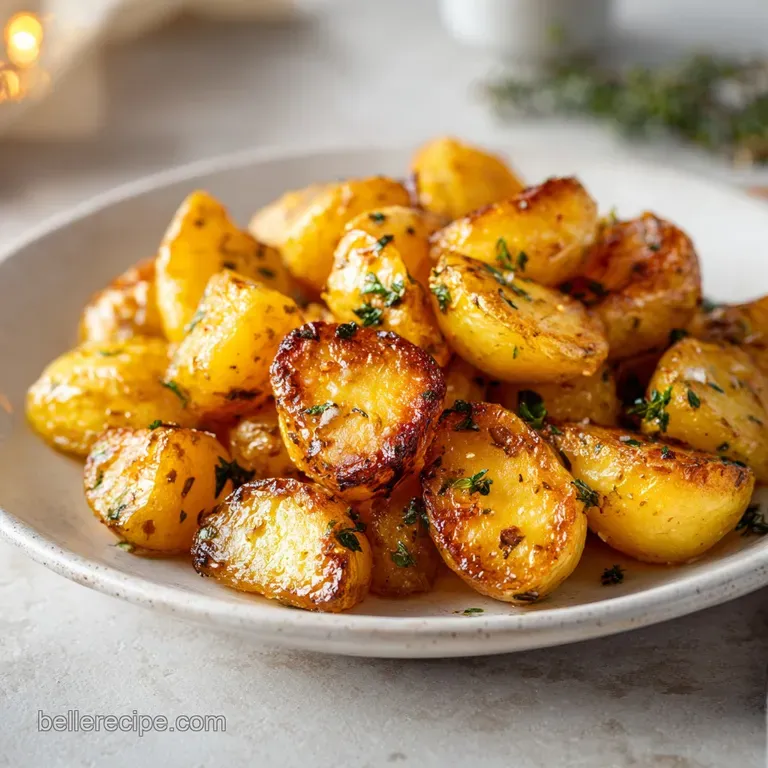
- Visual Confirmation: Remove from the oven when the edges are golden brown and the tips are starting to shatter when touched with a fork.
- Resting Period: Let the pan sit for 5 minutes before serving. This allows the internal starches to set, making the potatoes easier to remove without breaking.
Avoiding Common Roasting Mistakes and Pitfalls
Why Your Potatoes Stay Soft
If your potatoes come out pale and mushy, it's usually a humidity issue. If you overcrowd the pan, the steam released by the potatoes gets trapped between the wedges, preventing the "roasting" phase from ever starting. You essentially end up with boiled potatoes.
To fix this, always use a pan large enough to leave a bit of space between each wedge, or use two pans if you're doubling the recipe.
Dealing With Bitter Garlic
Garlic burns at a much lower temperature than potatoes. If you find your garlic bits are turning black and bitter, it’s likely because they were sitting on top of the potatoes rather than being submerged in the oil.
When you toss the potatoes, try to make sure most of the garlic is at the bottom of the pan or clinging to the sides of the wedges where the oil is most concentrated.
| Problem | Root Cause | Solution |
|---|---|---|
| Potatoes sticking | Not enough oil or pan wasn't clean | Use a well seasoned cast iron or non stick roasting pan |
| Too much lemon | Large lemons vary in acidity | Taste your broth mixture; add a pinch of sugar if too tart |
| Uneven browning | Cold spots in the oven | Rotate the pan halfway through the cooking time |
Common Mistakes Checklist
- ✓ Never use low quality olive oil; the flavor will be flat and greasy.
- ✓ Avoid cutting wedges too thin; they will disintegrate into the braising liquid.
- ✓ Don't skip the chicken broth; water doesn't provide the same savory "backbone."
- ✓ Always use fresh lemon juice; the bottled stuff has a chemical aftertaste that ruins the dish.
- ✓ Preheat the oven fully; starting in a cold oven results in greasy, limp potatoes.
Flavorful Swaps and Creative Recipe Twists
If you want to move away from the traditional, you can easily adapt this Greek lemon potatoes recipe for different diets or flavor profiles. For a vegan version, simply swap the chicken broth for a high-quality vegetable stock or even a light mushroom tea to keep that savory depth.
If you're looking for a "Greek American" diner twist, sprinkle a handful of crumbled feta cheese over the potatoes the second they come out of the oven. The residual heat will soften the cheese into a salty, tangy topping that complements the lemon perfectly.
Stovetop vs Oven Comparison
| Method | Time | Texture | Best For |
|---|---|---|---|
| OVEN (Traditional) | 60 minutes | Crispy outside, fluffy inside | Traditional Sunday dinners |
| STOVETOP (Skillet) | 35 minutes | Browned edges, more firm | Quick weeknight side dish |
| AIR FRYER | 25 minutes | Ultra crunchy, less "melt in-mouth" | Small batches and snacks |
Chef's Tip: If you are in a rush, you can par boil the potato wedges for 5 minutes in salted lemon water before roasting. This jumpstarts the starch gelatinization, meaning you can cut your oven time by about 15 minutes.
Practical Storage and Zero Waste Ideas
Leftover Greek Roasted Potatoes are actually a gift. They keep beautifully in the fridge for up to 4 days. When you're ready to eat them again, avoid the microwave at all costs. It will turn that hard earned crust into a rubbery mess.
Instead, toss them in a dry skillet over medium heat for about 5 minutes, or pop them back into a 400°F (200°C) oven for 8 minutes. They will regain about 80% of their original crunch.
For zero waste, don't throw away the potato peels if you decide to peel them! Toss the peels with a bit of oil and salt and bake them at 400°F until they turn into "potato skin chips." Also, if you have a little bit of that lemony oil left in the bottom of the roasting pan, save it!
It's liquid gold. Drizzle it over grilled chicken or use it as a base for a warm vinaigrette for a kale salad. You can also freeze these potatoes for up to 3 months, though the texture will be slightly softer upon thawing.
Perfect Pairings for Your Greek Spuds
The high acidity and herbal punch of these potatoes make them the ultimate partner for rich, fatty meats. In a traditional setting, you would see these served alongside a Perfectly Roasted Beef Tenderloin or a slow roasted leg of lamb. The lemon cuts through the richness of the meat, acting as a palate cleanser between bites.
If you're keeping it casual, they are brilliant with a simple Greek salad (Horiatiki) and some grilled sea bass. The contrast between the hot, crispy potatoes and the cold, crisp cucumbers and tomatoes is exactly what Mediterranean dining is all about.
For a vegetarian feast, serve them with a big dollop of thick tzatziki and some roasted red peppers. The cool yogurt and the zesty potatoes are a match made in heaven.
Myths About Greek Potatoes
One common misconception is that you need to boil the potatoes before roasting to get them soft. In this specific "braise to crisp" method, the boiling happens inside the oven within the lemon and broth mixture.
Pre boiling actually makes the potatoes too fragile to handle the tossing and flipping required to get an even crust. Another myth is that you can't get them crispy with liquid in the pan. The liquid is temporary; it's there to cook the potato. Once it's gone, the oil takes over and does the frying.
Finally,, some people believe that dried herbs are always inferior to fresh. For this recipe, dried Greek oregano is actually superior. Fresh oregano can become bitter and "grassy" when subjected to 45 minutes of high heat.
Dried oregano is more stable and its flavors concentrate as the liquid evaporates, giving you that classic, pungent taverna taste that fresh herbs just can't replicate in a long roast.

Recipe FAQs
Is it necessary to use a heavy duty roasting pan?
Yes, use a heavy duty pan for consistent heat. A sturdy pan prevents the potatoes from scorching on the bottom before the centers become tender during the 45-minute roast.
How to ensure the potatoes reach maximum crispiness?
Sprinkle the wedges with semolina before adding the liquid. This creates extra surface texture, similar to how we achieve a perfect crust in our rib roast recipe by preparing the meat surface before high heat cooking.
Is it true that I should soak the potatoes in water first?
No, this is a common misconception. You want to retain the natural surface starch on the Yukon Gold wedges, as it helps the broth and oil mixture thicken into a flavorful glaze during the roasting process.
How to prevent the potato wedges from falling apart?
Cut the potatoes into thick, uniform wedges. If the pieces are too thin, they will disintegrate during the braising phase before the liquid evaporates.
Can I use water instead of chicken broth for the braising liquid?
No, stick to chicken broth. The broth provides a savory backbone that water simply lacks, ensuring the potatoes are seasoned throughout their core.
Is it okay to use bottled lemon juice for the dressing?
No, only use freshly squeezed lemon juice. Bottled versions contain preservatives that add an unpleasant chemical aftertaste, which ruins the brightness of the finished dish.
How to tell when the potatoes are finished cooking?
Check that the liquid has fully evaporated and the potatoes are golden brown. At the 45-minute mark, the potatoes should be fork tender and possess a crispy exterior after the initial braising stage.
Crispy Greek Roasted Potatoes

Ingredients:
Instructions:
Nutrition Facts:
| Calories | 378 kcal |
|---|---|
| Protein | 5.4 g |
| Fat | 22.1 g |
| Carbs | 41.8 g |
| Fiber | 4.8 g |
| Sugar | 2.1 g |
| Sodium | 565 mg |
