Dinner Rolls Recipe: Fluffy & Soft
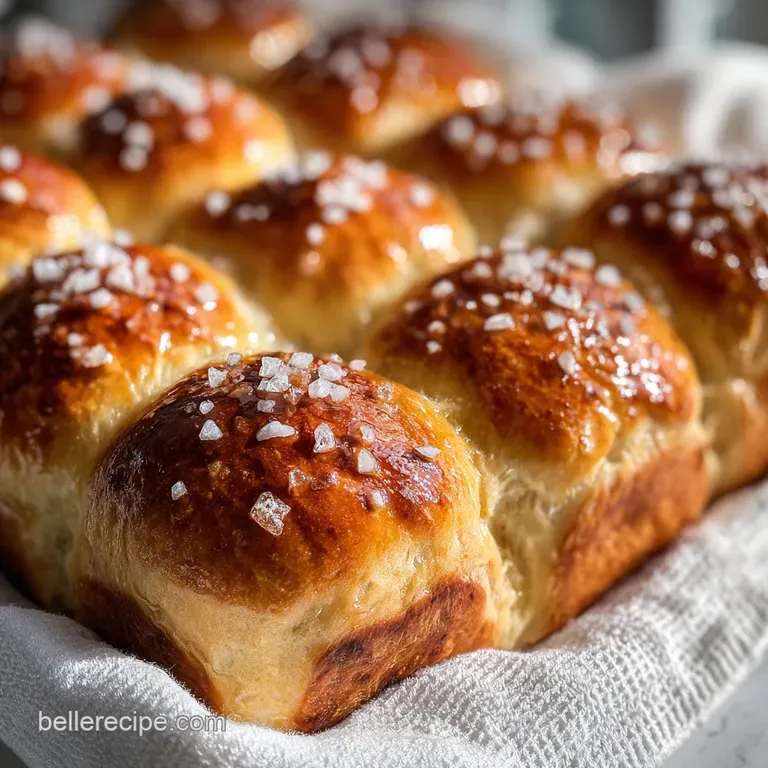
- Time: Active 40 minutes, Passive 20 minutes, Total 60 minutes
- Flavor/Texture Hook: Cotton soft crumb with a salty, golden shatter crust
- Perfect for: Holiday gatherings, Sunday roasts, or a comforting weeknight treat
- Why This Dough Always Works
- Essential Specs for Soft Results
- Quality Ingredients for Better Baking
- Tools for Bread Making Success
- Step-by-Step Shaping and Baking
- Fixing Sticky or Dense Dough
- Making Small or Large Batches
- Method Comparison for Your Kitchen
- Modern Bread Myths Debunked
- Storing and Zero Waste Guidelines
- Best Sides for Bread Service
- Recipe FAQs
- 📝 Recipe Card
Why This Dough Always Works
Understanding the "how" behind the rise makes you a more confident baker. When we work with yeast, we are essentially managing a living culture that reacts to its environment.
- Enzymatic Breakdown: The sugar feeds the yeast immediately, producing carbon dioxide bubbles that expand the protein structure.
- The Protein Web: All purpose flour provides just enough gluten to trap air without making the rolls chewy or tough.
- Fat Barriers: Melted butter coats the flour proteins, preventing them from bonding too tightly, which results in a velvety texture rather than a bread like bite.
- Thermal Activation: Keeping the milk at exactly 105°F ensures the yeast wakes up instantly without being scalded to death.
Decision Shortcut for Perfect Results
- If you want a deeper flavor, let the shaped rolls rise in the fridge overnight.
- If you want a crustier exterior, swap the butter glaze for a simple egg wash.
- If you want maximum fluff, ensure your kitchen is at least 75°F during the rise.
| Thickness | Internal Temp | Rest Time | Visual Cue |
|---|---|---|---|
| 2 inch ball | 190°F | 10 mins | Deep golden brown top |
| 1.5 inch ball | 185°F | 5 mins | Light tan and springy |
| 3 inch ball | 195°F | 15 mins | Hollow sound when tapped |
The timing of your bake depends heavily on the size of the rolls you shape. For this recipe, we aim for a consistent 2 inch ball to ensure the center cooks through before the exterior turns too dark.
Essential Specs for Soft Results
Achieving the perfect pull apart tension requires a balance of hydration and fat. If the dough is too dry, the rolls will be dense, but if it's too wet, they won't hold their beautiful dome shape.
| Ingredient | Science Role | Pro Secret |
|---|---|---|
| Whole Milk | Hydration & Fat | Use full fat for a richer, more tender crumb |
| Instant Yeast | Leavening | No blooming required, just mix with dry ingredients |
| Melted Butter | Tenderness | Cool it slightly so it doesn't scramble the egg |
| Large Egg | Structure | Provides the lift and rich yellow interior color |
Quality Ingredients for Better Baking
I always tell my friends that baking is a conversation between you and your ingredients. Using high-quality fats and fresh yeast isn't just a suggestion, it's the foundation of the flavor map. We want the sweetness of the sugar to play against the savory sea salt.
- 1 cup whole milk, warmed to 105°F: Why this? Provides the liquid base and fat for a silky texture.
- 2.25 tsp instant yeast: Why this? Ensures a fast, reliable rise without the wait.
- 2 tbsp granulated sugar: Why this? Feeds the yeast and adds a hint of sweetness.
- 3.5 cups all purpose flour: Why this? The perfect protein level for soft, non chewy rolls.
- 1 tsp fine sea salt: Why this? Sharpens the flavor of the butter and grain.
- 4 tbsp unsalted butter, melted and cooled: Why this? Shortens gluten strands for a tender, velvety bite.
- 1 large egg, room temperature: Why this? Aids in rising and creates a rich, brioche like crumb.
- 2 tbsp unsalted butter, melted for glaze: Why this? Gives the rolls that iconic, glistening golden finish.
- 1 pinch flaky sea salt: Why this? Adds a satisfying crunch and bursts of flavor on top.
Ingredient Substitution Options
| Original Ingredient | Substitute | Why It Works |
|---|---|---|
| Whole Milk | Oat Milk (full fat) | Similar sugar content helps browning. Note: Slightly nuttier flavor. |
| All Purpose Flour | Bread Flour | Higher protein makes them taller but slightly chewier. |
| Granulated Sugar | Honey | Adds moisture and a floral note. Note: May brown faster. |
If you are looking for a savory main to serve with these, they pair exceptionally well with a Boursin Chicken Recipe where the sauce can be soaked up by the soft bread.
Tools for Bread Making Success
While you can certainly make these by hand, a few specific tools make the process much more consistent. I used to think a thermometer was overkill until I realized I was accidentally killing my yeast with hot milk.
- Digital Thermometer: To ensure your milk is between 100°F and 110°F.
- Stand Mixer: Using the dough hook saves your arms and ensures even gluten development.
- 9x13 Inch Baking Pan: The size is crucial for the rolls to touch and "pull apart."
- Pastry Brush: For that final, glistening butter glaze.
- Kitchen Scale: To weigh the dough balls (about 65g each) for even baking.
step-by-step Shaping and Baking
Right then, let's get into the actual making. Don't rush the kneading process; it's where the magic happens. We want the dough to feel like a soft earlobe - supple and slightly tacky but not sticking to your fingers.
- Warm the milk. Heat your 1 cup whole milk to 105°F until warm to the touch but not hot. Note: Too hot will kill the yeast.
- Combine dry ingredients. In your mixer bowl, whisk together 3.5 cups flour, 2.25 tsp yeast, 2 tbsp sugar, and 1 tsp sea salt.
- Add wet ingredients. Pour in the warm milk, 4 tbsp melted butter, and the 1 large egg.
- Knead the dough. Use the dough hook on medium low for 5 to 7 minutes until the dough pulls away from the sides.
- First rise. Cover the bowl and let it sit in a warm spot for 30 minutes until doubled in size and puffy.
- Shape the rolls. Punch down the dough and divide it into 12 equal pieces, rolling each into a smooth ball.
- Second rise. Place rolls in a greased 9x13 pan, cover, and let rise for another 15 minutes until they are touching and snug.
- Bake the rolls. Preheat oven to 375°F and bake for 18 to 20 minutes until the tops are deep golden brown.
- Apply the glaze. Brush with the remaining 2 tbsp melted butter while hot until they glisten and shine.
- Final touch. Sprinkle the pinch of flaky sea salt over the tops until every roll has a few crystals.
Chef's Tip: To get a perfectly smooth top, cup your hand over the dough ball on the counter and move it in a tight circular motion without lifting your palm. The friction against the counter pulls the "skin" of the dough tight.
Fixing Sticky or Dense Dough
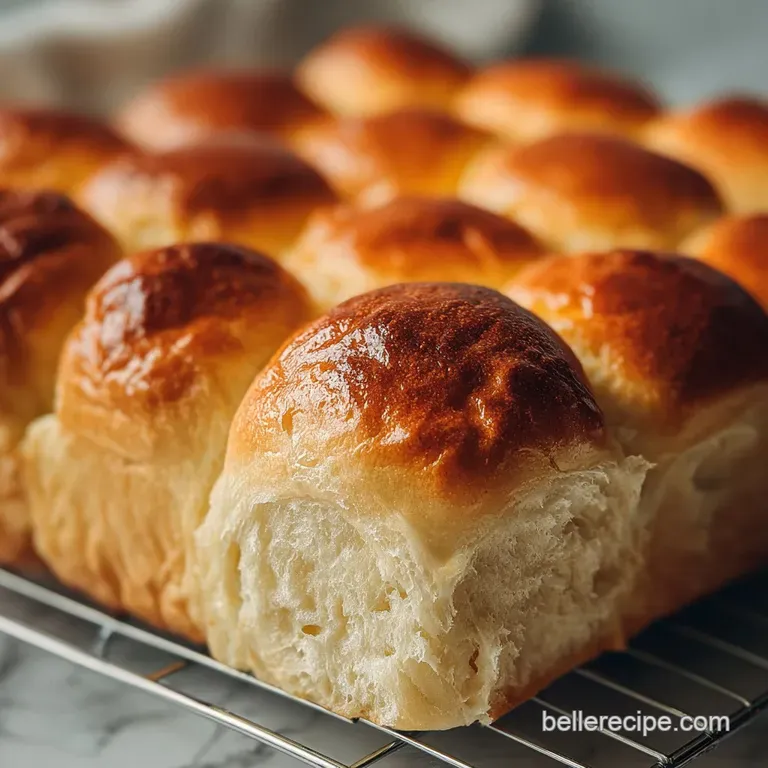
Bread baking can be temperamental. One day the humidity is high, and your dough is a sticky mess; the next, it's dry and won't rise. Don't panic, most bread issues are easily fixed with a little patience.
If Your Dough Won't Rise
This usually happens because the yeast was expired or the milk was too hot. If after 30 minutes you see zero movement, you might need to start over with fresh yeast. However, sometimes the room is just too cold.
Try moving the bowl into the oven (turned off) with a pan of boiling water on the rack below it. The steam creates a perfect proofing environment.
To Prevent Dense, Heavy Rolls
Dense rolls often come from adding too much flour. It’s tempting to keep adding flour when the dough feels sticky, but resist! A slightly tacky dough leads to a much lighter, airier roll. Trust the kneading process to develop the structure rather than relying on extra flour.
| Problem | Root Cause | Solution |
|---|---|---|
| Rolls are hard/crusty | Oven temp too high or no fat in dough | Tent with foil or brush with more butter immediately after baking. |
| Dough is too sticky | High humidity or too much liquid | Add flour 1 tablespoon at a time only until it clears the bowl. |
| Rolls didn't rise | Dead yeast or cold environment | Check yeast date; move to a warmer spot like near a preheating oven. |
Common Mistakes Checklist
- ✓ Never use milk straight from the fridge; cold liquids slow yeast down significantly.
- ✓ Don't skip the second rise in the pan; this is what creates the "pull apart" texture.
- ✓ Avoid over flouring your work surface; use just enough to prevent sticking.
- ✓ Let the rolls cool for at least 10 minutes before eating to let the internal structure set.
- ✓ Use a thermometer for the milk; guessing leads to inconsistent results.
Making Small or Large Batches
Adjusting this dinner rolls recipe for different crowd sizes is quite simple since the ratios are straightforward. Just remember that baking times don't double just because the batch does!
- Scaling Down (6 rolls): Use half of all ingredients. For the egg, beat it in a small bowl and use exactly 2 tablespoons. Use an 8 inch square pan and check for doneness 5 minutes earlier.
- Scaling Up (24 rolls): Double all ingredients, but keep the yeast at 4 tsp instead of a full double to avoid a "beery" flavor. Use two 9x13 pans and rotate them halfway through the bake.
- Baking Larger Rolls: If you want jumbo rolls, divide the dough into 8 pieces instead of 12. Increase the bake time by 5 to 7 minutes and lower the oven temp to 350°F to ensure the middle cooks without burning the top.
If you enjoy the process of shaping dough, you might also want to try my Cinnamon Rolls Recipe which uses a very similar enriched base but takes it in a sweet, spiced direction.
Method Comparison for Your Kitchen
| Method | Time | Texture | Best For |
|---|---|---|---|
| Stand Mixer | 60 mins | Even, airy crumb | Consistency and speed |
| Hand Kneaded | 75 mins | Slightly more rustic | Stress relief and tactile feel |
| Bread Machine | 90 mins | Very soft and uniform | Set it and forget it prep |
Choosing your method depends on how much effort you want to put in. I personally love the stand mixer for this specific recipe because it handles the high fat dough so efficiently.
Modern Bread Myths Debunked
Many people think you need to "proof" instant yeast in water before adding it to flour. This is a carryover from the days of active dry yeast. Modern instant yeast is designed to be mixed directly with dry ingredients, which actually saves you a step and keeps the hydration levels more accurate.
Another common misconception is that more yeast equals a faster, better rise. In reality, too much yeast makes the bread taste like a brewery and can cause the rolls to collapse after they come out of the oven. A slow, steady rise always wins for flavor and structure.
Storing and Zero Waste Guidelines
Fresh rolls are best on day one, but they don't have to go to waste if you have leftovers. You can keep them in an airtight bag at room temperature for up to 3 days. To revive them, wrap them in damp paper towels and microwave for 10 seconds, or wrap them in foil and pop them in a 350°F oven for 5 minutes.
For long term storage, these rolls freeze beautifully. Once they are completely cool, place them in a freezer bag for up to 3 months. When you're ready to eat, let them thaw at room temperature and then warm them in the oven to bring back that "just baked" shatter to the crust.
If you happen to have leftovers that have gone a bit stale, don't throw them away! They make the most incredible savory bread pudding or croutons. I like to tear them into chunks, toss them with garlic butter, and bake until crispy. They are also perfect for soaking up the broth in a Classic French Onion recipe.
Best Sides for Bread Service
These rolls are the ultimate utility player on your dinner table. Their neutral but rich flavor makes them the perfect companion for almost anything. During the holidays, I serve them alongside a roasted turkey, but on a random Tuesday, they are just as good next to a bowl of chili.
Try serving them with a compound butter. Whip some softened butter with honey and cinnamon for a sweet treat, or mix in roasted garlic and parsley for something savory. The contrast of the salty top and the sweet interior of the roll itself allows it to bridge the gap between different courses effortlessly.
Whatever you do, make sure you have enough these tend to disappear before the main course even hits the table!

Recipe FAQs
What is the secret to soft dinner rolls?
Use a high moisture dough with enough fat. Ingredients like whole milk and melted butter coat flour proteins, preventing tight gluten development for a velvety, tender crumb. Controlling rising temperature is also key.
What flour is best for dinner rolls?
All-purpose flour is ideal. It provides a moderate protein content, yielding soft rolls without being tough or chewy. Too much protein, like in bread flour, can make them too dense.
What are the basic ingredients for dinner rolls?
Flour, yeast, liquid, fat, and salt are fundamental. Typically, this includes all-purpose flour, instant yeast, milk or water, butter or oil, and salt. Sugar is often added to feed the yeast and for flavor.
What is the difference between dinner rolls and buns?
There's no strict culinary difference; it's mostly terminology. "Dinner rolls" often implies a softer, richer bread served with a meal, while "buns" can be more versatile, used for sandwiches or as a side. Many recipes are interchangeable.
How do I ensure my dinner rolls rise properly?
Activate your yeast correctly and provide a warm environment. Ensure your liquid is warm (around 105°F for milk), not hot, as extreme temperatures kill yeast. A consistent, draft free warm spot, like a slightly warmed oven (turned off), helps create the ideal proofing conditions.
Can I make dinner rolls ahead of time?
Yes, you can prepare them partially or fully in advance. Dough can be refrigerated overnight after shaping for a slow, flavor developing rise, or fully baked rolls can be frozen and reheated. For a complete guide on storage, see our Classic French Onion Soup recipe.
Why did my dinner rolls turn out dense?
This is usually due to over flouring or under kneading. Resist the urge to add too much flour when dough feels sticky; a slightly tacky dough often yields the lightest results. Proper kneading develops the gluten structure needed for a light, airy crumb.
Dinner Rolls Recipe
Ingredients:
Instructions:
Nutrition Facts:
| Calories | 210 kcal |
|---|---|
| Protein | 5.2 g |
| Fat | 7.1 g |
| Carbs | 31 g |
| Fiber | 1 g |
| Sugar | 2.1 g |
| Sodium | 205 mg |
