Dump Bake Chicken Dinner Casserole Made
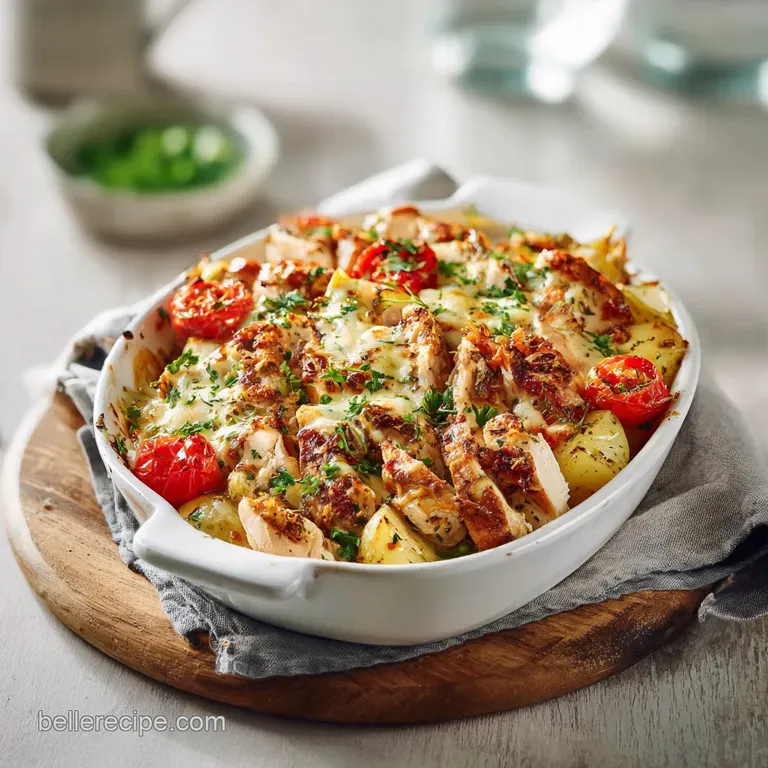
- Time: Active 10 minutes, Passive 45 minutes, Total 55 minutes
- Flavor/Texture Hook: Silky cream sauce with a crackling cheese crust
- Perfect for: Busy weeknights and comforting family gatherings
- Creating the Best Dump Bake Chicken Dinner Casserole Made
- Why This Works
- Component Analysis
- Fresh Ingredients for Peak Flavor
- Simple Step by Step Instructions
- Fixing Common Texture and Flavor Issues
- Making Necessary Diet Based Swaps
- Myths Regarding One Pan Baking
- Storing and Repurposing Every Bite
- Perfect Sides for Your Table
- Very High in Sodium
- Recipe FAQs
- 📝 Recipe Card
Creating the Best Dump Bake Chicken Dinner Casserole Made
Long before we had high tech kitchen gadgets or instant delivery apps, the humble casserole was the heartbeat of the neighborhood. In the middle of the 20th century, the "one dish meal" became a cultural phenomenon, especially in the American Midwest and South.
It wasn't just about saving time; it was about communal sharing and providing a warm, reliable anchor for families during long winters. This article shares our one knockout recipe for a super simple Dump Bake Chicken Dinner Casserole.
I remember my grandmother’s kitchen always smelling like garlic and melted cheese on Sunday afternoons. She didn't call them "dump bakes" back then she just called it "feeding the crowd" but the principle was the same.
You take honest, simple ingredients, tuck them into a dish, and let the oven do the heavy lifting while you catch up on life. It’s a method that values presence over performance, and frankly, we could all use a bit more of that today.
This specific version captures that nostalgic spirit but swaps out the old canned "cream of" soups for a fresh, silky blend of heavy cream and chicken broth. You're going to get a texture that is light years ahead of the gloopy casseroles of the past.
By the time the cheese on top has turned that beautiful speckled gold, you’ll have a meal that feels like a warm hug. It’s simple, it’s mindful, and it’s a total lifesaver when the day has been long.
Why This Works
- The Steam Engine: The heavy duty foil creates a pressurized environment that forces liquid into the dry pasta, cooking it through without a stovetop boil.
- Fat Based Lubrication: The heavy cream and chicken fat from the thighs emulsify into a sauce that stays velvety instead of breaking or turning watery.
- Sequential Cooking: Adding the broccoli and extra cheese during the final 10-15 minutes ensures the vegetable stays vibrant and the crust stays crisp.
| Chicken Cut | Thickness | Internal Temp | Visual Cue |
|---|---|---|---|
| Thigh Cubes | 2.5 cm (1 inch) | 74°C (165°F) | Opaque and springy |
| Breast Cubes | 2.5 cm (1 inch) | 74°C (165°F) | White throughout |
| Tenderloin | Whole | 74°C (165°F) | Juices run clear |
When you are working with a Dump Bake Chicken Dinner Casserole Made in this style, the thickness of your meat is the biggest variable. Keeping those cubes around one inch ensures they finish at the exact same moment the pasta reaches that perfect bite.
If you cut them too small, they might overcook, though chicken thighs are very forgiving thanks to their higher fat content.
Component Analysis
| Ingredient | Science Role | Pro Secret |
|---|---|---|
| Rotini Pasta | Starch Reservoir | Use ridges to trap the heavy cream sauce. |
| Chicken Thighs | Protein & Fat | Dark meat stays juicy under long steam times. |
| Heavy Cream | Emulsifier | Prevents the broth from evaporating too quickly. |
| Mozzarella | Structural Topping | Provides the "pull" and protects the pasta. |
The relationship between the dry pasta and the liquids is really the heart of the dish. As the rotini sits in that seasoned bath of broth and cream, it releases just enough starch to thicken the surrounding liquid. This is why we don't need flour or a roux.
It’s a natural thickening process that happens right inside the baking dish, creating a consistency that mimics a classic Alfredo but with much less effort.
Fresh Ingredients for Peak Flavor
- 1.5 lbs chicken thighs: Cubed small. Why this? Thighs remain succulent during the 45 minutes bake time compared to leaner breasts.
- 12 oz rotini or penne: Uncooked. Why this? These shapes have the surface area needed to hold onto the sauce.
- 2 cups chicken broth: Low sodium. Why this? This allows you to control the saltiness with your own sea salt.
- 1 cup heavy cream: Full fat. Why this? The fat content prevents the sauce from curdling at high heat.
- 3 cloves garlic: Minced fine. Why this? Fresh garlic provides a punch that powder simply can't match.
- 1 tsp dried oregano: For earthiness. Why this? Dried herbs actually bloom beautifully in a long, moist steam.
- 1/2 tsp smoked paprika: For depth.
- 1/2 tsp sea salt: To season.
- 1/4 tsp black pepper: For a bit of bite.
- 1.5 cups mozzarella: Shredded.
- 1/2 cup Parmesan: Freshly grated. Why this? Parmesan adds a salty, nutty crust that mozzarella lacks.
- 2 cups broccoli: Cut into small florets.
| Original Ingredient | Substitute | Why It Works |
|---|---|---|
| Heavy Cream | Whole Milk + Butter | Adds necessary fat; slightly thinner sauce. |
| Chicken Thighs | Turkey Breast | Leaner, but works if cut into larger chunks. |
| Rotini Pasta | Fusilli | Similar shape and surface area for sauce clinging. |
If you’re looking for a similar comforting vibe with a different flavor profile, you might really enjoy this Broccoli Casserole recipe which uses a hint of curry for warmth. But for today, we are sticking to this creamy garlic and herb profile that everyone in the family can agree on.
Simple step-by-step Instructions
- Preheat your oven to 190°C (375°F). In an ungreased 9x13 inch baking dish, combine the uncooked pasta, cubed chicken thighs, minced garlic, oregano, smoked paprika, salt, and pepper.
- Pour the chicken broth and heavy cream over the ingredients. Stir gently until the pasta is mostly submerged to facilitate even cooking.
- Cover the dish tightly with heavy duty aluminum foil, crimping the edges until no steam can escape. Bake for 35 minutes to allow the chicken to release juices.
- Remove the foil. Note: Watch out for the puff of hot steam when you lift the corner.
- Stir in the fresh broccoli florets. Make sure they get a little coating of the sauce.
- Top the surface evenly with shredded mozzarella and grated Parmesan cheese.
- Bake uncovered for an additional 10–15 minutes until the cheese is bubbling and golden brown.
- Let the dish rest for 5 minutes until the sauce thickens and sets.
Chef's Tip: Use a block of mozzarella and grate it yourself. The pre shredded stuff is coated in potato starch to keep it from clumping in the bag, which can make your casserole sauce feel slightly grainy instead of silky.
Fixing Common Texture and Flavor Issues

Fixing Watery Sauce
Sometimes you might peek under the foil and worry that things look a bit too liquid. This is usually because the pasta hasn't finished its job of absorbing the broth. The magic happens in that final 10-15 minutes of uncovered baking.
If it still feels thin, a few extra minutes in the oven will help that excess moisture evaporate, leaving you with a concentrated, creamy coating.
Softening Hard Pasta
If your pasta feels crunchy after the initial 35 minutes, it’s likely that the foil wasn't sealed tight enough, or the pasta wasn't submerged. Steam is the only way dry pasta cooks in an oven. Ensure you’re using heavy duty foil and really pressing those edges down.
If you catch it mid bake, add a splash more broth and reseal it immediately.
| Problem | Root Cause | Solution |
|---|---|---|
| Dry Chicken | Cubes cut too small | Cut into consistent 2.5 cm (1 inch) pieces next time. |
| Mushy Broccoli | Added too early | Only add for the final 10-15 minutes of baking. |
| Greasy Surface | Low quality cheese | Use a mix of Parmesan and part skim mozzarella. |
- ✓ Always use heavy duty aluminum foil for a superior steam seal.
- ✓ Pat the chicken thighs dry with a paper towel before cubing to keep the sauce pure.
- ✓ Cut broccoli into very small, bite sized florets so they steam through quickly.
- ✓ Let the casserole sit for at least 5 minutes before serving; this is crucial for the sauce texture.
- ✓ Ensure your oven is fully preheated to 190°C before the dish goes in.
Making Necessary Diet Based Swaps
When you need to adjust a recipe for your family's needs, it's helpful to know how it changes the final result. If you're looking for a different spin on comfort, this Cheesy Chicken Casserole offers some great perspective on using rice instead of pasta. For this specific dish, though, we can make it work for several diets.
- For a dairy-free Alternative: Use a full fat coconut milk in place of the heavy cream and a broth based "cheese" substitute or nutritional yeast on top. Note: This will significantly change the flavor to a more tropical or nutty profile.
- For Extra Fiber (Whole Grain Swap): You can use whole wheat rotini, but you'll need to add an extra 1/4 cup of chicken broth. Whole grain pasta is thirstier than white pasta and takes a few extra minutes to soften.
- To Save 200 Calories: Substitute half of the heavy cream with extra chicken broth and use a reduced fat mozzarella. The sauce won't be as velvety, but it still tastes incredibly fresh and savory.
| Servings | Ingredient Adjustments | Pan Size | Total Cook Time |
|---|---|---|---|
| 3 People | Half ingredients (6 oz pasta) | 8x8 inch square | 45 minutes |
| 6 People | Standard recipe (12 oz pasta) | 9x13 inch | 55 minutes |
| 12 People | Double ingredients (24 oz pasta) | Two 9x13 pans | 65 minutes |
Scaling a casserole is generally quite simple, but when you double it, the biggest mistake is trying to cram everything into one deep dish. If the layers are too thick, the center won't reach the safe temperature of 74°C (165°F) before the edges become mushy.
It’s always better to use two separate pans and rotate them halfway through the baking time.
Myths Regarding One Pan Baking
One common misconception is that you have to brown the chicken before it goes into a dump bake. While searing adds flavor through the Maillard reaction, the goal of this specific dish is "poached style" succulence.
By steaming the chicken inside the pasta and cream, you’re essentially braising it, which keeps the meat incredibly tender and juicy.
Another myth is that "dump and bake" means you don't have to stir. While it's true you don't have to stand over a stove, a gentle stir at the 35 minute mark when you add the broccoli is vital.
It redistributes the starches and ensures the pasta at the bottom isn't sticking to the dish, allowing the cream to reach every single nook and cranny of the rotini.
Storing and Repurposing Every Bite
This Casserole Made it into my weekly rotation because it reheats like a dream. You can keep it in the fridge for up to 3-4 days in an airtight container. When you're ready for lunch the next day, add a tiny splash of milk or water before microwaving.
This helps "loosen" the sauce back to its original silky state, as the pasta will continue to absorb moisture as it sits cold.
For the zero waste enthusiasts, don't toss those broccoli stalks! You can peel the tough outer skin, dice the tender centers, and toss them right in with the florets. Also, if you find yourself with a small portion of leftovers that isn't quite a full meal, try stuffing it into a bell pepper, topping with more cheese, and baking it until the pepper is soft.
It’s a brilliant way to make a "new" dinner out of yesterday's success.
Perfect Sides for Your Table
- For a Bright Contrast: A simple arugula salad with a sharp lemon vinaigrette cuts through the richness of the heavy cream.
- For a Low Carb Side: Roasted zucchini spears seasoned with just a bit of salt and pepper complement the garlic notes.
- For the Foundation: If you somehow find yourself wanting more starch, a piece of crusty sourdough is the perfect vehicle for mopping up any extra sauce left on the plate.
When you're choosing a side, think about texture. Since the casserole is soft, creamy, and tender, something with a bit of "crunch" or "snap" really balances the plate. A cold, crisp cucumber salad or even some pickled red onions can provide that acidic pop that wakes up the palate between bites of cheesy goodness.
It’s all about creating a balanced experience that keeps you coming back for more. This Dump Bake Chicken Dinner Casserole Made its way into my heart because it’s simple, honest food that actually works, and I hope it does the same for you.

Very High in Sodium
840 mg of sodium (37% of daily value)
The American Heart Association recommends limiting sodium intake to no more than 2,300mg per day, with an ideal limit of 1,500mg for most adults.
Tips to Reduce Sodium
-
Swap Chicken Broth-30%
Replace the 2 cups of low-sodium chicken broth with no-salt added chicken broth or even water. This is the biggest contributor to sodium in this recipe.
-
Reduce Added Salt-25%
Cut the 1/2 tsp sea salt in half or omit it entirely. You can adjust seasoning later if needed.
-
Lighter Cheese Choice-15%
Reduce the freshly grated Parmesan cheese by half (use 1/4 cup instead of 1/2 cup). Parmesan is particularly high in sodium.
-
Boost Herbs and Spices
Enhance flavor with more dried herbs like oregano, and consider adding other sodium free seasonings like garlic powder, onion powder, or red pepper flakes.
-
Rinse Cheese-5%
If using pre-shredded mozzarella, give it a quick rinse under cold water and pat dry to remove some surface salt before adding it to the dish.
Recipe FAQs
Is it necessary to boil the pasta before adding it to the casserole?
No, the pasta cooks directly in the liquid. Combining the uncooked rotini or penne with the broth and heavy cream allows the noodles to absorb the seasoned juices during the 35-minute covered bake.
How to ensure the chicken stays moist throughout the baking process?
Cover the dish tightly with heavy duty aluminum foil. This creates a steam rich environment that gently poaches the cubed thighs, which is a similar moisture retention principle used in our classic chicken pasta comfort dishes.
Is it true that I should add the broccoli at the same time as the chicken?
No, this is a common misconception. If you add broccoli at the start, it will become mushy; add the florets only after the initial 35-minute bake so they remain tender crisp.
How to store leftovers so the sauce does not dry out?
Keep the casserole in an airtight container for up to 4 days. Before reheating in the microwave, add a small splash of milk or water to help the sauce return to a silky, creamy consistency.
How to achieve a golden brown crust on the cheese?
Bake uncovered for the final 10 15 minutes after removing the foil. This exposes the mozzarella and Parmesan topping directly to the oven's heat, creating the bubbling, golden finish.
What temperature should I set my oven to for this recipe?
Preheat your oven to 375°F (190°C). Keeping this consistent temperature is essential for the pasta to hydrate properly without the chicken drying out before the cheese melts.
Can I use a different type of protein in this dump bake?
Stick to boneless, skinless chicken thighs for the best results. These cuts contain enough fat to stay tender during the 45-minute total bake time, ensuring the dish remains flavorful and satisfying.
Dump Bake Chicken Casserole

Ingredients:
Instructions:
Nutrition Facts:
| Calories | 609 kcal |
|---|---|
| Protein | 40 g |
| Fat | 27 g |
| Carbs | 45 g |
| Fiber | 3 g |
| Sugar | 2 g |
| Sodium | 840 mg |
