Easy Chicken Recipe with Garlic and Herbs: Fast Finish
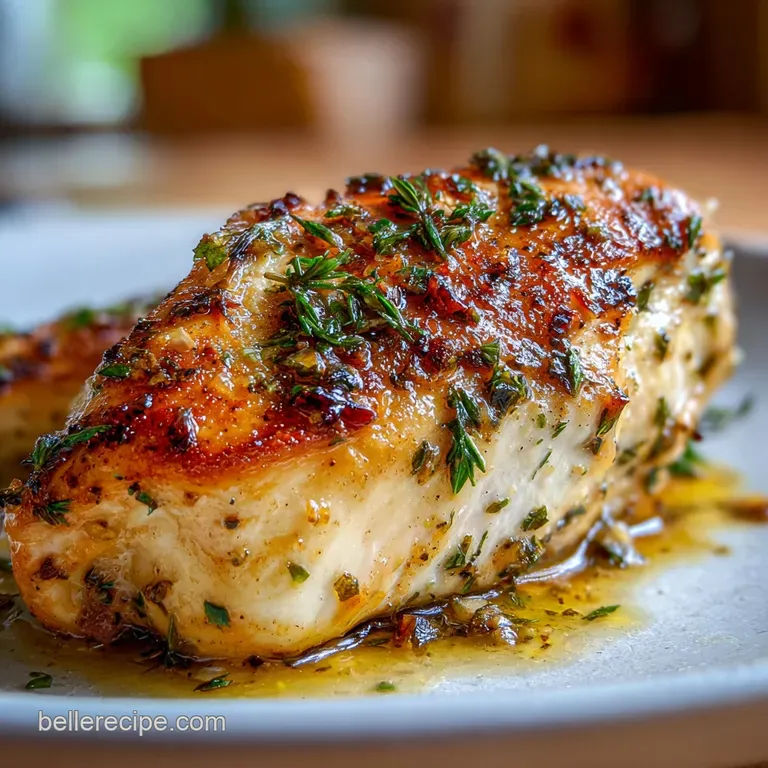
- Time: Active 10 minutes, Passive 12 minutes, Total 22 minutes
- Flavor/Texture Hook: Golden brown crust with a velvety, herb infused butter finish.
- Perfect for: Quick weeknight recovery or a simple date night meal.
- Easy Chicken Recipe with Garlic and Herbs
- The Secrets to This Chicken Dish
- Essential Preparation and Cooking Details
- Sourcing Your Simple Pantry Essentials
- Minimal Tools for Maximum Results
- Simple Cooking Steps for Success
- Fixing Common Chicken Cooking Issues
- Simple Ways to Scale Up
- Debunking Old Kitchen Myths
- Smart Storage and Reheating Tips
- Perfect Side Dishes for Serving
- Recipe FAQs
- 📝 Recipe Card
Easy Chicken Recipe with Garlic and Herbs
Imagine the sound of cold meat hitting a hot, oiled pan. That sharp, immediate hiss tells you everything you need to know about the meal you're about to eat. It's the sound of a crust forming, of proteins tightening, and of flavor being locked in.
I remember the first time I actually got this right - I stopped treating the chicken like a delicate flower and started treating it like a steak. This easy chicken recipe with garlic and herbs delivers a weeknight dinner that's both flavorful and simple.
We've all been there: staring at a pack of chicken breasts, wondering how to make them not taste like cardboard. I used to hide them under jars of heavy sauce, but honestly, that's just covering up the problem. The real trick is in the prep.
Once you realize that a heavy skillet and a bit of fresh rosemary can do more than a gallon of cream ever could, your kitchen game changes forever.
This dish is about the basics done right. We aren't doing anything fancy or complicated. We’re just taking 1.5 lbs of chicken and turning it into something that smells so good your neighbors might actually knock on your door.
It’s comforting, it’s mindful, and it’s the kind of cooking that makes you feel like you actually know what you’re doing behind the stove.
The Secrets to This Chicken Dish
There is a genuine logic to why certain steps in this recipe make the chicken better than what you’d get at a local diner. It isn't just about following the steps; it's about understanding the "why" behind the heat and the herbs.
When we pound the chicken to a consistent 1/2 inch thickness, we aren't just taking out our frustration on the meat. We are ensuring that the thin tail doesn't turn into leather before the thick center is even warm.
The Physics of the Flat Breast
Pounding the meat creates a uniform surface area, which allows the Maillard reaction to occur simultaneously across the entire breast. This means the 12 minutes of cook time results in a consistent golden brown shatter on the outside while keeping the interior at exactly 165°F.
- Thermal Equilibrium: Pounding ensures heat travels the same distance to the center of every part of the meat.
- Surface Dehydration: Salting 10 minutes before cooking draws out moisture that we pat dry, allowing the oil to sear rather than steam.
- Emulsified Finishing: Adding cold butter to the pan at the end creates a temporary emulsion with the lemon juice, coating the chicken in a silky glaze.
- Aromatic Infusion: Fresh thyme and rosemary release fat soluble oils directly into the butter, which then bastes the meat.
| Cook Method | Time | Texture | Best For |
|---|---|---|---|
| Stovetop Skillet | 12 minutes | Maximum crispy crust | Best flavor and speed |
| oven-roasted | 25 minutes | Softer, juicy exterior | Large batches (8+ people) |
| Air Fryer | 15 minutes | Very dry, crunchy skin | Minimal cleanup |
Choosing the stovetop method for this specific recipe is vital because it allows for "basting." You simply cannot get that same garlic butter bath effect in an air fryer. If you're looking for something with a bit more of a pasta vibe, you might also love our Chicken Parmesan Penne recipe, but for a pure protein win, stay right here.
Essential Preparation and Cooking Details
When you are working with simple ingredients, the quality of those ingredients becomes the main character. Using 4 tbsp of high-quality butter makes a massive difference compared to using a cheap margarine or oil blend. We want that milk solid richness to mingle with the 5 cloves of fresh garlic.
Component Analysis
| Ingredient | Science Role | Pro Secret |
|---|---|---|
| Avocado Oil | High Smoke Point | Use this for the initial sear to avoid acrid, burnt oil flavors. |
| Unsalted Butter | Flavor & Mouthfeel | Add this only at the end so the milk solids brown but don't burn. |
| Fresh Rosemary | Fat Soluble Flavor | Bruise the leaves slightly before chopping to release more essential oils. |
| Lemon Juice | Protein Denaturation | The acid cuts through the heavy fat, brightening the entire flavor profile. |
The interaction between the lemon juice and the butter is what creates that "restaurant style" pan sauce. It’s a delicate balance. Too much lemon and it’s sour; too much butter and it’s greasy. But together? They’re the perfect team.
Sourcing Your Simple Pantry Essentials
Right then, let's look at what you need to grab from the fridge. Remember, we are sticking to the 1.5 lbs of boneless skinless chicken breasts for 4 servings.
- 1.5 lbs chicken breasts: Pounded to 1/2 inch thickness. Why this? Ensures the meat stays juicy while the outside crisps up.
- 1 tsp fine sea salt: Why this? Finer grains dissolve faster and penetrate the meat deeply.
- 0.5 tsp black pepper: Freshly cracked is non negotiable here.
- 2 tbsp avocado oil: Why this? It stays stable at the high temps needed for searing.
- 4 tbsp unsalted butter: high-quality European style if you can find it.
- 5 cloves garlic: Minced finely. Why this? More surface area means more garlic flavor in the butter.
- 1 tbsp fresh rosemary: Finely chopped.
- 1 tbsp fresh thyme: Stripped from the woody stems.
- 0.5 lemon: Freshly juiced. Why this? Bottled juice lacks the bright enzymes of fresh citrus.
Chef's Tip: Freeze your butter for 10 minutes before adding it to the pan. This delay in melting gives the garlic more time to soften without the butter solids turning black.
Minimal Tools for Maximum Results
You don't need a kitchen full of gadgets for this. In fact, fewer tools often mean you can focus more on the sizzle and the smell. A heavy bottomed skillet is your best friend here. If you have cast iron, use it. If not, a heavy stainless steel pan works wonders.
- Heavy Skillet: Needs to hold heat consistently.
- Meat Mallet: Or a heavy rolling pin to pound the chicken flat.
- Tongs: For precise flipping without piercing the meat.
- Small Spoon: Essential for basting that garlic butter over the chicken.
If you find yourself enjoying this pan seared style, you should definitely check out my Boursin Chicken Recipe which uses a similar skillet technique but adds a creamy cheese twist.
Simple Cooking Steps for Success
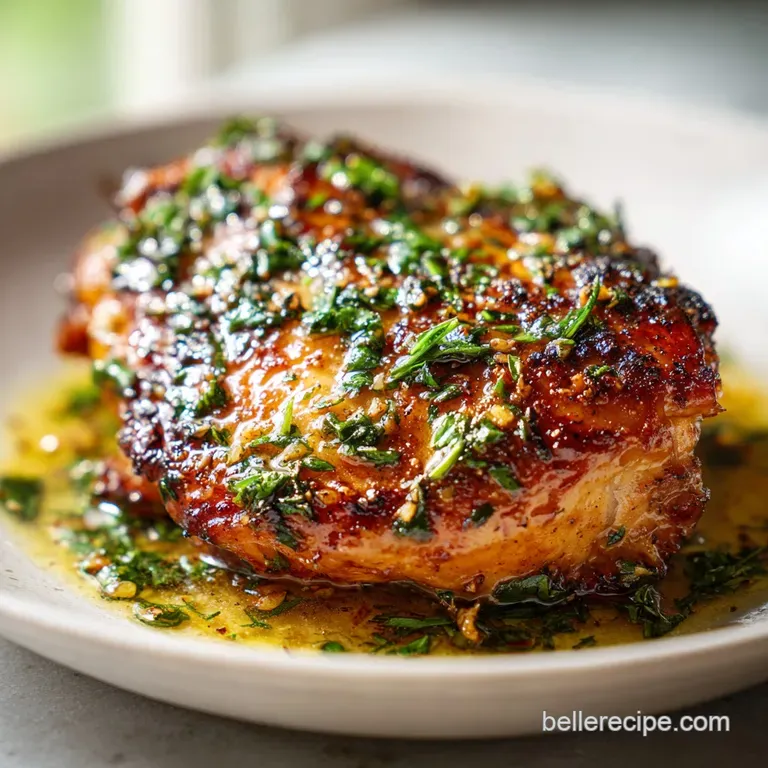
Let's crack on with the actual cooking. Follow these steps, and don't rush the sear. Patience is the secret ingredient here.
- Prep the meat. Place your 1.5 lbs of chicken between two sheets of plastic wrap. Pound them with a mallet until they are a uniform 1/2 inch thick.
- Dry and season. Pat the chicken completely dry with paper towels. Season both sides with 1 tsp salt and 0.5 tsp pepper. Note: Dry chicken sears; wet chicken steams.
- Heat the oil. Add 2 tbsp avocado oil to your skillet over medium high heat. Wait 2-3 minutes until the oil shimmers and barely wisps smoke.
- The initial sear. Lay the chicken in the pan, moving away from you to avoid splashes. Cook for 5-6 minutes without moving them until a deep golden crust forms.
- The flip. Turn the chicken over. Lower the heat to medium. Cook for another 3-4 minutes.
- Add the fat. Drop the 4 tbsp of butter into the empty spaces of the pan. Let it foam and melt.
- Infuse aromatics. Toss in the 5 minced garlic cloves, 1 tbsp rosemary, and 1 tbsp thyme. Note: The herbs will crackle and smell incredible immediately.
- The baste. Tilt the pan slightly so the butter pools. Use a spoon to pour that herb butter over the chicken repeatedly for 2 minutes until the chicken reaches 165°F.
- The finish. Squeeze the juice from 0.5 lemon over the pan and swirl it into the butter.
- The rest. Remove the chicken to a plate. Let it rest for 5 minutes until the juices redistribute.
| Fresh Herb | Shortcut (Dried) | Why It Works |
|---|---|---|
| Fresh Thyme | 1 tsp Dried Thyme | Dried herbs are more potent; use 1/3 of the fresh amount. |
| Fresh Garlic | 1 tsp Garlic Powder | Powder distributes evenly but lacks the "bite" of fresh cloves. |
| Fresh Lemon | 1 tsp Apple Cider Vinegar | Adds necessary acidity, though loses the citrus aroma. |
Fixing Common Chicken Cooking Issues
Even the best of us have bad days in the kitchen. If things don't look right, don't panic. Most chicken "disasters" are just a result of heat being too high or the pan being too crowded.
The Crust is Soggy, Not Crispy
This usually happens because the chicken was still damp or the pan wasn't hot enough. If you drop the meat into a cold pan, the juices leak out and boil the meat. Always wait for that oil to shimmer.
The Garlic Tastes Bitter
Garlic burns in seconds. If your pan is screaming hot when you add the garlic, it will turn black and bitter. This is why we drop the heat to medium and add the butter before the garlic. The butter acts as a temperature buffer.
| Problem | Root Cause | Solution |
|---|---|---|
| Rubbery Chicken | Overcooking | Pull the meat at 160°F; carryover cooking hits 165°F. |
| Gray Meat | Crowded Pan | Cook in two batches so the steam can escape. |
| Bland Sauce | Lack of Acidity | Add an extra squeeze of lemon or a splash of white wine. |
Common Mistakes Checklist
- ✓ Pat chicken completely dry before searing (prevents steaming).
- ✓ Preheat pan for 3 full minutes before adding oil.
- ✓ Don't overcrowd the pan - work in batches if needed.
- ✓ Let meat rest 5 minutes before slicing to retain juices.
- ✓ Use a meat thermometer for an exact 165°F pull temp.
Simple Ways to Scale Up
Cooking for a crowd? This recipe scales well, but you have to be careful with the pan space.
- Cooking for Two (½ Recipe): Use a smaller 8 inch skillet. Keep the cook times the same, but reduce the butter to 2 tbsp.
- Cooking for Eight (2x Recipe): Do not try to fit 3 lbs of chicken in one pan. Sear the chicken in two batches, then move them all to a baking sheet in a 350°F (180°C) oven for 5 minutes while you make a double batch of the butter sauce in the skillet.
- Liquid Adjustments: If doubling, only use 0.75 of a lemon instead of a full one to start; you can always add more, but you can't take it back.
Debunking Old Kitchen Myths
We've been told a lot of things about chicken over the years that just aren't true. Let's clear the air so you can cook with confidence.
Searing meat does not "seal in juices." The idea that a crust creates a waterproof barrier is a total myth. Moisture loss happens regardless of the sear. We sear purely for the flavor and texture of the Maillard reaction.
Washing raw chicken is actually dangerous. It doesn't clean the meat; it just splashes bacteria all over your sink and counters. The heat of the pan is what kills the bacteria, so skip the rinse and just use a paper towel to pat it dry.
Smart Storage and Reheating Tips
If you have leftovers (which is rare, trust me), they make the best salad toppers the next day.
- Fridge: Keep in an airtight container for up to 4 days.
- Freezer: You can freeze the cooked breasts for 2 months. Thaw in the fridge overnight before reheating.
- Zero Waste: Don't throw away those herb stems! Throw them into a freezer bag with your onion peels and carrot tops. Once the bag is full, boil them all together for a quick, "free" vegetable stock.
- Reheating: Avoid the microwave if you can. It makes chicken rubbery. Instead, put the chicken in a pan with a splash of water or broth, cover it, and heat over low for 5 minutes.
Perfect Side Dishes for Serving
Since this easy chicken recipe with garlic and herbs is so savory, you want sides that can soak up that extra butter sauce.
A simple pile of mashed potatoes or a bed of fluffy rice is the classic move. If you want to keep it lighter, a crisp arugula salad with a balsamic vinaigrette provides a nice peppery contrast to the rich garlic butter.
If you are looking for another protein heavy meal with a bright sauce, you might enjoy my Juicy Airline Chicken Recipe which uses a similar pan sauce technique. Honestly, as long as you have something to mop up that garlic butter, you really can't go wrong. Trust your instincts, watch the heat, and enjoy the sizzle!
Recipe FAQs
Can I use frozen chicken breasts instead of fresh?
No, thaw them completely first. Placing partially frozen chicken into a hot pan results in uneven cooking; the outside will burn before the center thaws and cooks through.
How to ensure the chicken breasts are evenly cooked and not dry?
Pound the chicken to a uniform 1/2 inch thickness. This crucial step ensures consistent thermal transfer across the entire surface, meaning you won't overcook the thinner end while waiting for the center to finish.
What is the purpose of resting the chicken after cooking?
Resting allows muscle fibers to relax and redistribute juices. If you slice immediately, all the moisture rushes out onto the cutting board, leaving the meat dry.
Is it true that searing meat seals in all the juices?
No, this is a common misconception. Searing creates flavor through the Maillard reaction; moisture loss occurs regardless, so we sear purely for texture and taste, not preservation.
How to make the garlic butter sauce at the end without burning the garlic?
Lower the heat to medium and add the butter before the garlic. The butter insulates the garlic, allowing it to soften gently in the melted fat rather than scorching on the direct hot pan surface.
How can I scale this recipe up for eight people effectively?
Sear the chicken in two separate batches and finish them in the oven. This prevents overcrowding the pan, which would lower the temperature and cause the chicken to steam instead of developing that essential crust you achieved when mastering the initial sear in this recipe.
What can I serve with this chicken to utilize the pan sauce?
Serve it over creamy mashed potatoes or fluffy white rice. These starches are excellent vehicles for soaking up the flavorful garlic, herb, and lemon butter sauce created in the skillet.
Easy Garlic Herb Chicken
Ingredients:
Instructions:
Nutrition Facts:
| Calories | 452 kcal |
|---|---|
| Protein | 52.8 g |
| Fat | 24.6 g |
| Carbs | 1.8 g |
| Fiber | 0.4 g |
| Sugar | 0.2 g |
| Sodium | 624 mg |
