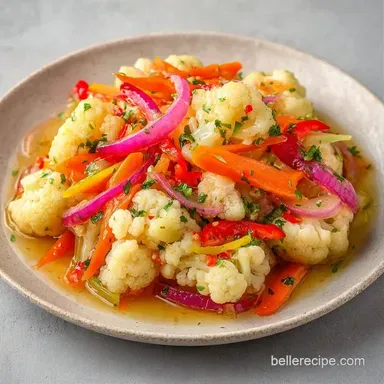
Easy Mixed Vegetable Pickles: Tangy and Crisp
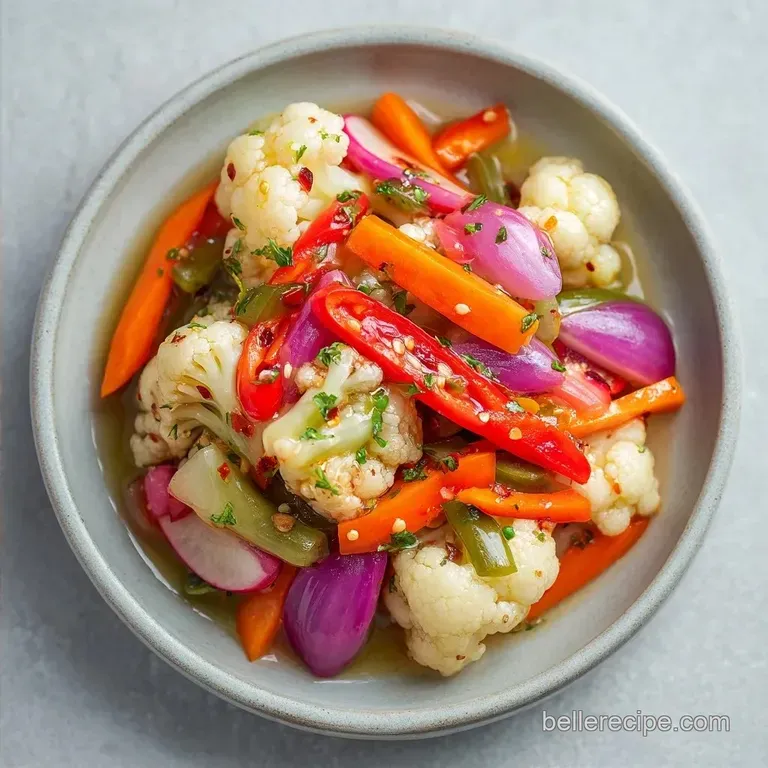
- Time: 15 min active + 2 hours chilling
- Flavor/Texture Hook: Sharp, vinegary tang with a crisp, shatter like snap
- Perfect for: Charcuterie boards, burger toppings, or a bright side for heavy meals
- Easy Mixed Vegetable Pickles
- The Secret to That Snap
- Component Analysis
- The Essential Components
- Tools for the Job
- Making the Pickles
- Fixing Common Pickle Problems
- Troubleshooting Common Issues
- Fun Flavor Variations
- Keeping Them Fresh
- Truth About Pickling
- Making Them Look Great
- Very High in Sodium
- Recipe FAQs
- 📝 Recipe Card
The sharp, stinging scent of hot white vinegar always takes me back to my grandmother's kitchen. I can still hear the clink of glass jars and the sound of her chopping carrots with a rhythm that felt like a heartbeat.
She didn't use a recipe, just a "pinch of this and a splash of that," but the result was always the same: a jar of colorful, crisp vegetables that could wake up even the blandest plate of food.
For a long time, I thought the secret was some mysterious heirloom vinegar or a specific type of salt. I tried every variation I could find, but some turned out mushy and others tasted like salt water. Then I realized the trick isn't in the ingredients, it's in the temperature and the timing.
When you get the brine just right, the colors stay vivid, and the vegetables keep that satisfying pop.
This is why I love making Easy Mixed Vegetable Pickles. It's a way to capture the freshness of the garden and keep it in your fridge for weeks. Whether you're piling them onto a sandwich or eating them straight from the jar at midnight, they bring a sunny, comforting energy to the table.
Let's get into how to make them actually work.
Easy Mixed Vegetable Pickles
Most people think pickling is a scary process involving bubbling pots and a fear of botulism. But for these refrigerator pickles, it's actually quite simple. You aren't canning them for a shelf; you're just using acid and salt to preserve the crunch and flavor in the cold.
It's a mindful way of cooking that rewards you with a bright, zingy reward a few hours later.
The beauty of Easy Mixed Vegetable Pickles is the variety. One bite is the earthy sweetness of a carrot, the next is the peppery bite of a radish, and then you hit a piece of cauliflower that's soaked up all that garlicy brine.
It's a sharing kind of dish, the kind you put in the middle of the table and let everyone dive into.
If you've ever had those store-bought pickles that taste like chemicals and feel soft in your mouth, you'll appreciate the difference here. These are vibrant and alive. The red onion turns a beautiful pink, and the cauliflower stays stark white against the red peppers.
It's almost too pretty to eat, but the smell of the bay leaf and mustard seeds will make that impossible.
The Secret to That Snap
I spent way too much time wondering why some pickles stay crunchy while others go soft. It turns out there is a bit of a tug of-war happening inside the vegetable.
The Salt Pull: Salt draws water out of the vegetable cells, which creates space for the vinegar to move in without collapsing the structure.
The Heat Lock: Pouring the brine while it's hot helps the flavors penetrate the skin quickly, but the quick cool down in the fridge stops the vegetables from "cooking" and becoming mushy.
The Acid Barrier: The white vinegar creates an environment where enzymes that break down pectin (the stuff that makes veggies crunchy) can't survive.
Pectin Preservation: By keeping the vegetables submerged and chilled, we protect the cell walls, ensuring that every bite has a distinct shatter.
| Method | Time to Flavor | Texture | Best For |
|---|---|---|---|
| Cold Brine | 3-5 Days | Extremely Firm | Long term fridge storage |
| Hot Pour | 2-24 Hours | Crisp & Snappy | Quick prep and vivid colors |
| Fermented | 1-4 Weeks | Soft/Effervescent | Probiotic focus |
Component Analysis
Not every ingredient is just for flavor; some are doing the heavy lifting to make sure these Easy Mixed Vegetable Pickles don't turn into a soggy mess.
| Ingredient | Science Role | Pro Secret |
|---|---|---|
| White Vinegar | Acidification | Use distilled for a clean, sharp taste that doesn't cloud |
| Coarse Sea Salt | Osmosis | Avoid iodized salt to keep the brine crystal clear |
| Granulated Sugar | Balance | Just enough to take the edge off the vinegar without being "sweet" |
| Garlic Cloves | Aromatic Base | Smash them instead of mincing to prevent the brine from looking muddy |
The Essential Components
When you're gathering your things for these Easy Mixed Vegetable Pickles, focus on the freshest produce you can find. If the cauliflower is already starting to brown, it won't hold the crunch.
- 2 cups (300g) cauliflower florets, cut into bite sized pieces Why this? Absorbs brine like a sponge
- 1 cup (130g) carrots, sliced into thin rounds Why this? Adds a natural sweetness
- 1 cup (150g) radishes, thinly sliced Why this? Gives a peppery, crisp bite
- 1 cup (150g) red bell pepper, diced Why this? For color and a mild sweetness
- 1/2 cup (75g) red onion, thinly sliced Why this? Provides a sharp, savory depth
- 1 cup (240ml) distilled white vinegar Why this? The standard for a clean, sharp tang
- 1 cup (240ml) filtered water Why this? Prevents mineral deposits from clouding the brine
- 2 tbsp (35g) coarse sea salt Why this? Pulls moisture out for a better snap
- 2 tbsp (25g) granulated sugar Why this? Balances the acidity
- 3 cloves (15g) garlic, smashed Why this? Classic savory aromatic
- 1 tsp (5g) mustard seeds Why this? Adds a subtle, nutty pop
- 1 tsp (5g) black peppercorns Why this? Provides a slow, warming heat
- 1 bay leaf Why this? Adds a faint, herbal background note
- 1/2 tsp (2g) red pepper flakes Why this? For a tiny bit of back end spice
If you find yourself wanting more of a specific flavor, you can easily tweak these. For instance, if you love the bite of a radish, you can lean more into my pickled radishes recipe for a more focused version of this crunch.
Tools for the Job
You don't need a fancy laboratory to make these. A few basic kitchen items will do.
First, you'll need two wide mouth pint sized glass jars. Glass is non reactive, which is essential because the vinegar will eat away at plastic or metal over time. Make sure they are scrubbed clean with hot soapy water.
A small stainless steel saucepan is best for the brine. Stainless steel won't react with the acid, ensuring your brine stays clear and tastes exactly how it should.
Finally, a sharp chef's knife and a cutting board are your best friends here. The goal is uniform sizing. If the carrots are thick and the radishes are paper thin, the carrots will still be raw while the radishes turn to mush.
Making the Pickles
Right then, let's get stuck in. The process is split into three easy phases.
Phase 1: Prepping the Produce
Wash all your vegetables under cold running water. Pat them dry with a towel. Cut the cauliflower into small, uniform pieces and slice the carrots and radishes into thin discs. Pack the vegetables tightly into your glass jars. You want them snug, but not crushed.
Tuck the smashed garlic cloves, mustard seeds, peppercorns, bay leaf, and red pepper flakes into the gaps between the vegetables.
Phase 2: Simmering the Brine
In your saucepan, combine the distilled white vinegar, filtered water, coarse sea salt, and granulated sugar. Place it over medium heat. Stir occasionally until the liquid is clear and you can't see any more salt or sugar crystals at the bottom. Bring it to a light simmer.
Be careful not to let it reach a rolling boil, as too much evaporation can make the brine overly salty. You'll know it's ready when you see small bubbles dancing around the edges of the pan and the aroma is sharp and pungent.
Phase 3: The Packing & Pour
Carefully pour the hot brine over the vegetables in the jars. Make sure everything is completely submerged. If some cauliflower florets are floating, gently press them down with a spoon. Seal the jars tightly. Let them sit on your counter at room temperature until the glass feels cool to the touch.
Once cooled, transfer them to the refrigerator. Let them chill for at least 2 hours, though waiting 24 hours is where the magic really happens.
Chef's Note: For a deeper flavor, try adding a pinch of turmeric to the brine. It won't change the taste much, but it gives the cauliflower a sunny, golden glow that looks beautiful in the jar.
Fixing Common Pickle Problems
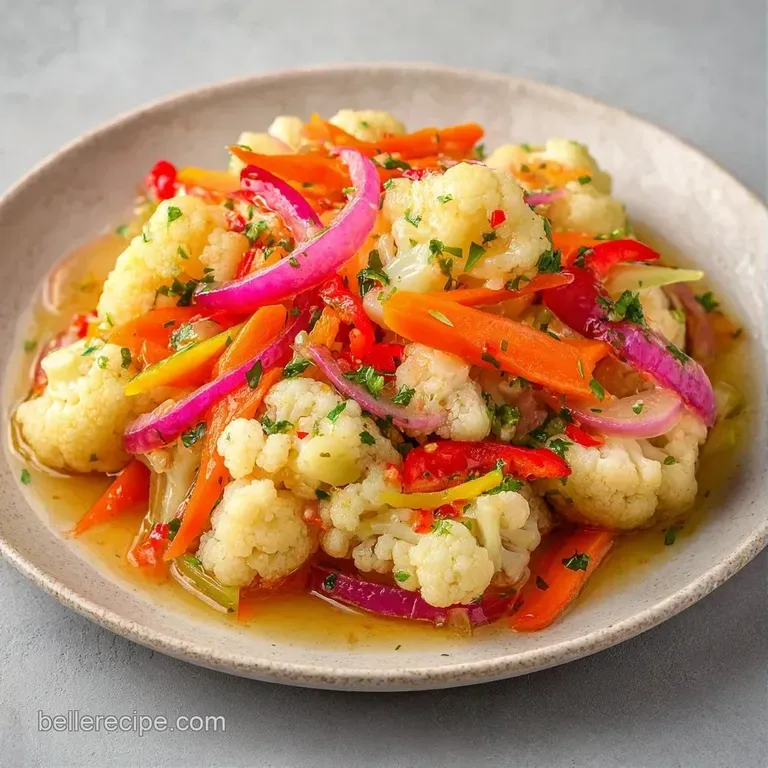
Even the best of us hit a snag now and then. Maybe your first batch of Easy Mixed Vegetable Pickles didn't turn out quite right. Don't toss them out; let's figure out why.
Troubleshooting Common Issues
| Issue | Solution |
|---|---|
| Why Your Veggies Are Mushy | This usually happens if the brine was too hot when it sat too long, or if you used old, tired vegetables. If the vegetables "cook" in the jar, they lose their structure. |
| Why Your Brine Is Cloudy | Cloudiness often comes from using tap water with high mineral content or using iodized salt. The minerals react with the vinegar. Using filtered water and pure sea salt keeps everything crystal clear. |
| Why the Flavor Is Bland | If your pickles taste like nothing, they likely didn't sit long enough. The brine needs time to migrate into the center of the vegetables. Give them a full 24 hours in the fridge. |
Common Mistakes Checklist
- ✓ Did you pack the jars tightly enough? (Prevents floating)
- ✓ Is the salt completely dissolved? (Prevents salty pockets)
- ✓ Did you use distilled white vinegar? (Ensures consistent acidity)
- ✓ Are the vegetable slices uniform in thickness? (Ensures even pickling)
- ✓ Did you wait at least 2 hours before tasting? (Allows flavor penetration)
Fun Flavor Variations
Once you've mastered these Easy Mixed Vegetable Pickles, you can start playing with the flavors. The base brine is very forgiving.
For a Mixed Vegetable Pickle Indian Style
To give this a more regional feel, swap the bay leaf for a piece of cinnamon and add a teaspoon of fenugreek seeds. You can also add a bit of mustard oil to the mix for that authentic, pungent kick.
For an Asian Inspired Crunch
Replace the white vinegar with rice vinegar and add a slice of fresh ginger and a few sesame seeds. This version is incredible when paired with a bowl of steamed rice or grilled fish. If you like this vibe, you might also enjoy some pickled banana peppers for a similar zing.
For a Spicy Kick
If you like things hot, don't just rely on the red pepper flakes. Add two sliced habaneros or a few slices of fresh jalapeño to the jar. The heat will infuse into the cauliflower, making every bite a little adventurous.
For a Low Sugar Option
You can completely omit the sugar without ruining the recipe. The pickles will be sharper and more acidic, which is actually preferred by some people. It just removes that subtle balance that rounds out the vinegar.
Keeping Them Fresh
Since these Easy Mixed Vegetable Pickles aren't processed through a professional canning method, they must stay refrigerated.
Storage Guidelines Keep your jars in the coldest part of your fridge, not in the door. They will stay crisp and flavorful for about 3 weeks. Always use a clean fork to remove vegetables from the jar; introducing bacteria from a used fork can cause the brine to spoil faster.
Zero Waste Tips Don't throw away the leftover brine! It's essentially a seasoned vinegar. You can use it as a base for a potato salad dressing, or drizzle it over sautéed kale to add a bright pop of acidity.
If you have leftover vegetable scraps from the chopping phase, like carrot peelings or onion ends, toss them into a freezer bag. Once the bag is full, boil them with water to make a simple, aromatic veggie stock.
Truth About Pickling
There are a few things people say about pickling that just aren't true. Let's clear the air.
Myth: You must boil the vegetables. Actually, boiling the vegetables before pickling them often makes them mushy. For these quick pickles, the hot brine is enough to penetrate the surface while keeping the core crisp.
Myth: Salt "seals" the vegetables. Salt doesn't seal anything. It works through osmosis, pulling water out and allowing the vinegar to enter. It's about exchange, not sealing.
Myth: All vinegar is the same. Balsamic or apple cider vinegar will work, but they change the color and flavor profile significantly. For a clean, professional looking result, distilled white vinegar is the only way to go.
Making Them Look Great
If you're serving these as part of a party spread, the presentation is half the fun. Easy Mixed Vegetable Pickles are naturally colorful, so let that shine.
Instead of serving them directly from the pint jars, transfer them to a shallow white bowl. The contrast between the bright red peppers, orange carrots, and white cauliflower looks stunning. Arrange them so the colors are mixed, then pour a little bit of the clear brine over the top for a glossy finish.
Garnish the top with a few fresh sprigs of dill or some thinly sliced green onions. This adds a touch of fresh green that complements the pickled flavors. If you're feeling fancy, serve them alongside some crusty sourdough bread and a smear of salted butter.
The acidity of the pickles cuts through the richness of the butter and bread, making it a comforting, sharing experience for everyone.
Very High in Sodium
1706 mg 1706 mg of sodium per serving (74% 74% of daily value)
The American Heart Association recommends a daily limit of no more than 2,300 mg of sodium, with an ideal limit of 1,500 mg for most adults to reduce the risk of cardiovascular disease.
Tips to Reduce Sodium in Your Pickled Vegetables
-
Cut the Sea Salt-25%
Reduce the coarse sea salt by half. For refrigerator pickles, a lower salt concentration is still effective for flavor and preservation.
-
Increase Acidity-15%
Add a splash of lemon juice or replace a portion of the water with more distilled white vinegar to maintain a sharp taste with less salt.
-
Boost Aromatics-10%
Increase the amount of smashed garlic to 5 or 6 cloves to provide a stronger savory profile that compensates for the salt reduction.
-
Amplify Spices
Add more red pepper flakes or black peppercorns to create a spicy contrast that distracts the palate from the lower sodium levels.
Recipe FAQs
How can someone make homemade vegetable pickles?
Pack washed cauliflower, carrots, radishes, and red peppers tightly into glass jars. Add smashed garlic and aromatics before pouring over a hot brine of vinegar, water, salt, and sugar.
What is the easiest way to pickle vegetables?
Simmer a mixture of distilled white vinegar, filtered water, sea salt, and sugar. Pour the hot liquid over your prepared vegetables, seal the jars, and refrigerate for at least 2 hours.
How to make sweet pickles without canning?
Dissolve granulated sugar and sea salt in a vinegar water brine over medium heat. Pour the hot mixture over the vegetables and store the jars in the refrigerator instead of processing them in a water bath.
What is the best recipe to cook spicy pickles?
Incorporate red pepper flakes into the jar along with mustard seeds and peppercorns. The heat infuses into the vegetables as the brine cools and cures in the refrigerator.
Can you pickle green tomatoes?
No, this recipe is specifically formulated for the listed mixed vegetables. Using other produce can alter the brine's balance and the final texture.
Can you use store-bought pickle juice to make more pickles?
No, use a fresh brine for the best results. store-bought juices often contain preservatives that prevent the crisp texture achieved with distilled white vinegar and filtered water.
Why do you make your own pickles?
You get total control over the salt and sugar levels. If you loved the balance of acidity and sweetness here, see how we use a similar flavor profile in our savory tangy sauce.
Easy Mixed Vegetable Pickles