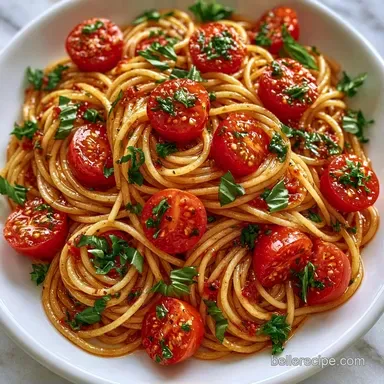
Silky Easy Tomato Basil Pasta
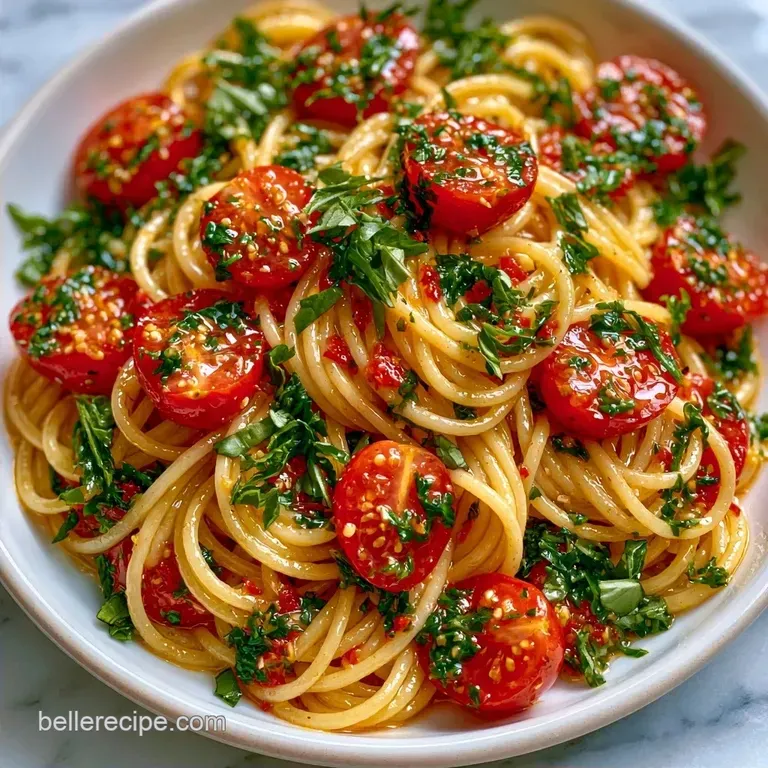
- Time: 10 min active + 10 min cook
- Flavor/Texture Hook: Bright, bursting cherry tomatoes with a silky finish
- Perfect for: Busy weeknight dinners or a fresh summer lunch
- Making a Great Easy Tomato Basil Pasta
- Why This Method Actually Works
- The Ingredient Deep Dive
- Exact Recipe Specs
- Essential Kitchen Tools
- The Step-By-Step Process
- Fixing Common Cooking Issues
- Scaling Your Pasta Portions
- Storage and Zero Waste
- Vibrant Pairing Ideas
- Simple Dietary Adaptations
- Recipe FAQs
- 📝 Recipe Card
The smell of garlic hitting hot olive oil is probably my favorite sound and scent in the kitchen. It's that specific sizzle that tells me dinner is actually happening. I remember one Tuesday when I was completely drained, staring at a handful of wilted basil and some cherry tomatoes that were about to turn.
I didn't want a complex project, just something that tasted like a sunny afternoon in Italy.
I threw everything into a pan, and for the first time, I didn't drain the pasta water completely. I tossed a splash of that cloudy liquid back in with the cheese and tomatoes. The result wasn't just a pile of noodles with sauce on top, but a cohesive, rich dish where the sauce actually clung to the pasta.
That's exactly what you're getting here. This Easy Tomato Basil Pasta is all about the contrast between the sweet, bursting tomatoes and the peppery hit of fresh basil. It's simple, fast, and uses a few professional moves to make the flavor pop.
Making a Great Easy Tomato Basil Pasta
The goal here is balance. You have the richness of the extra virgin olive oil, the acidity of the tomatoes, and the aromatic punch of the garlic and basil. If you overcook the garlic, it turns bitter. If you undercook the tomatoes, you miss out on that jammy sweetness.
The real magic happens in the last two minutes. Most people just dump sauce on pasta, but we're going to emulsify. This means we're forcing the fat and the water to bond, creating a sauce that coats every single strand of spaghetti.
It's a vibrant dish that feels fancy but takes almost no effort. You'll see how a few small choices, like tearing the basil by hand instead of chopping it, keep the flavors fresh and prevent the leaves from bruising.
Why This Method Actually Works
Starchy Water: Using the reserved pasta water creates a bridge between the oil and the tomatoes. According to Serious Eats, this starch helps the sauce thicken and stick to the noodles instead of pooling at the bottom of the plate.
Tomato Bursting: Cooking cherry tomatoes over medium heat causes the skins to blister and pop. This releases their natural pectins and sugars, which thicken the sauce naturally.
Off Heat Basil: Adding basil after the heat is off preserves the volatile oils. This keeps the herb tasting bright and peppery rather than cooked and dull.
| Method | Time | Texture | Best For |
|---|---|---|---|
| Stovetop | 20 mins | Glossy & Fresh | Weeknight meals |
| oven roasted | 45 mins | Jammy & Intense | Sunday dinner |
The Ingredient Deep Dive
Each part of this dish has a specific job. The olive oil isn't just for sautéing; it's a primary flavor component that carries the garlic and red pepper heat through the whole meal.
| Ingredient | What It Does | Best Swap |
|---|---|---|
| Cherry Tomatoes | Provides acidity and sweetness | Grape tomatoes (slightly firmer) |
| Extra Virgin Olive Oil | Carries aromatics and adds richness | Avocado oil (neutral flavor) |
| Parmesan Cheese | Adds saltiness and thickens the emulsion | Pecorino Romano (saltier/tangier) |
| Fresh Basil | Adds a vibrant, peppery finish | Fresh parsley (milder, earthier) |
Exact Recipe Specs
Keep these measurements precise to ensure the emulsion doesn't break. If you use too much oil, the sauce will feel greasy; too little, and the garlic might burn.
- 12 oz (340g) spaghetti or linguine
- 1 tbsp (15ml) sea salt (for the pasta water)
- 2 cups (300g) cherry tomatoes, halved
- 3 cloves (15g) garlic, thinly sliced
- 1/4 cup (60ml) extra virgin olive oil
- 1/2 cup (15g) fresh basil leaves, torn by hand
- 1/2 tsp (3g) red pepper flakes
- 1/2 tsp (3g) kosher salt
- 1/4 tsp (1g) cracked black pepper
- 1/4 cup (30g) grated Parmesan cheese
Chef Note: For the best results, use a high-quality extra virgin olive oil. Since there are so few ingredients, the taste of the oil really stands out.
Essential Kitchen Tools
You don't need a professional kitchen for this, but a few specific tools make the process smoother. A wide skillet is better than a deep pot for the sauce because it allows the tomatoes to blister evenly.
I recommend a stainless steel or cast iron skillet for the best heat distribution. For the pasta, a large stockpot is standard. If you have a spider strainer or a pasta fork, it makes moving the noodles from the water to the pan much easier without losing that precious pasta water.
The step-by-step Process
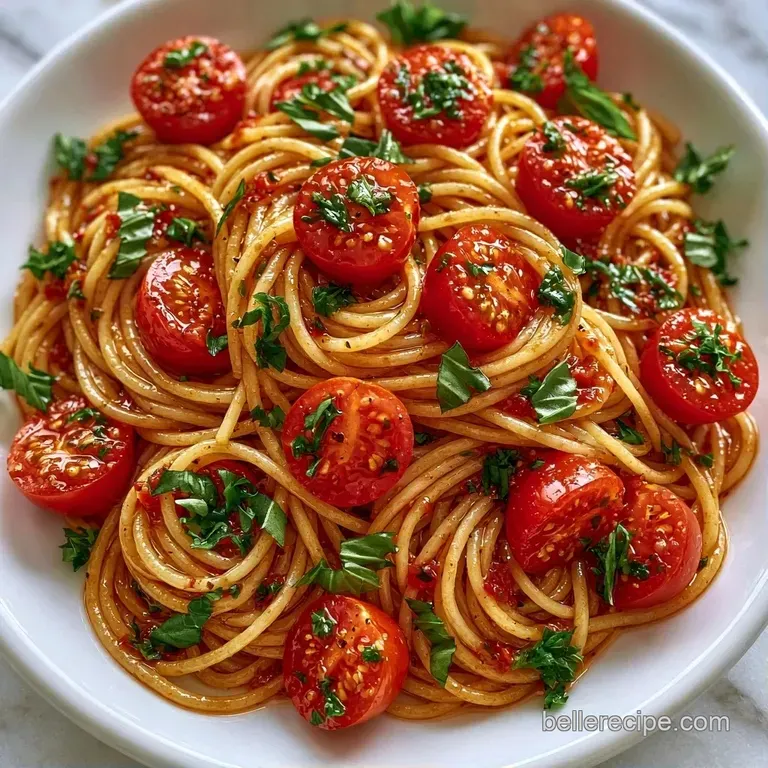
Let's crack on. Follow these steps to get that restaurant style finish at home.
- Bring a large pot of salted water to a rolling boil. Add your pasta and cook until al dente (usually 1–2 minutes less than package directions). Note: This ensures the pasta doesn't get mushy during the final toss.
- Reserve 1/2 cup of the cloudy pasta water before draining the rest.
- Heat olive oil in a large skillet over medium heat. Add the sliced garlic and red pepper flakes.
- Sauté for about 1 minute until the garlic is fragrant and pale gold. Note: Watch closely; garlic burns quickly.
- Toss in the cherry tomatoes and a pinch of salt.
- Cook, stirring occasionally, for 5–7 minutes until the tomatoes soften, blister, and release their juices.
- Add the cooked pasta directly into the skillet with the tomatoes.
- Pour in the reserved pasta water and the grated Parmesan.
- Toss vigorously over medium heat for 1–2 minutes until the sauce transforms into a coating.
- Turn off the heat and fold in the fresh basil leaves until just wilted.
Fixing Common Cooking Issues
Even with a simple Easy Tomato Basil Pasta, things can go sideways. Usually, it's a matter of heat management or timing.
Why Your Sauce Is Watery
If the sauce doesn't cling to the pasta, you likely didn't toss it long enough or you used too much pasta water. The starch needs a minute or two of heat and agitation to bond with the oil and cheese.
Preventing Burnt Garlic
Garlic slices are thin and burn in seconds. If your oil is shimmering or smoking, it's too hot. Pull the pan off the heat for 30 seconds before adding the garlic to drop the temperature.
Balancing Bland Tomatoes
Some cherry tomatoes are more acidic than others. If the sauce tastes too sharp, a tiny pinch of sugar can balance the acidity. If it's bland, add an extra sprinkle of kosher salt at the very end.
| Problem | Root Cause | Solution |
|---|---|---|
| Watery sauce | Lack of emulsion | Toss over heat for another 60 seconds |
| Bitter taste | Burnt garlic | Start over with lower heat and fresh garlic |
| Dull color | Basil added too early | Fold in basil only after turning off heat |
Scaling Your Pasta Portions
When you're making a bigger batch of Easy Tomato Basil Pasta, don't just multiply everything blindly. Salt and heat behave differently in larger volumes.
Scaling Down (½ portion): Use a smaller skillet to prevent the olive oil from spreading too thin and burning the garlic. Reduce the total cook time for the tomatoes by about 20% since there's less moisture in the pan.
Scaling Up (2x-4x): Do not double the red pepper flakes or salt initially. Start with 1.5x the amount and taste as you go. Work in batches if your skillet isn't wide enough; crowding the pan will steam the tomatoes instead of blistering them, which ruins the texture.
Storage and Zero Waste
This dish is best eaten immediately, but you can keep leftovers in an airtight container in the fridge for up to 3 days. When reheating, add a teaspoon of water or olive oil and heat it slowly over medium heat to bring the emulsion back to life.
I don't recommend freezing this pasta, as the fresh tomatoes and basil lose their vibrant flavor and the texture becomes grainy.
To avoid waste, don't throw away the basil stems. They are packed with flavor. Toss them into a freezer bag and use them to flavor a homemade vegetable stock. You can also use any leftover cherry tomato halves to roast with some feta cheese for a quick appetizer.
Vibrant Pairing Ideas
Since this is a bright and acidic dish, you want sides that offer a creamy or earthy contrast. A simple arugula salad with lemon vinaigrette works well, or some crusty garlic bread to soak up the leftover sauce.
If you're looking for another light option to serve alongside this, a Classic Italian Pasta Salad is a great way to add more vegetables to the table. For a more filling meal, some grilled shrimp or a piece of seared salmon pairs perfectly with the tomato basil profile.
Quick Decision Guide:
- Want it sweeter? Roast the tomatoes in the oven first.
- Want it spicier? Double the red pepper flakes.
- Want it creamier? Stir in a knob of unsalted butter at the end.
Simple Dietary Adaptations
You can easily tweak this Easy Tomato Basil Pasta to fit different diets without losing the core vibe.
Gluten-free: Use a high-quality brown rice or chickpea pasta. Be careful with chickpea pasta, as it releases more starch, so you might need slightly less reserved pasta water to avoid a gummy sauce.
Vegan/dairy-free: Skip the Parmesan and use nutritional yeast or a cashew based parmesan. For a deeper flavor, you can substitute the cheese with a tablespoon of miso paste dissolved in the pasta water. If you enjoy other homemade bases, you might find that Nonnas Simple Homemade Tomato Sauce provides a richer starting point for vegan versions.
Low Carb: Use zucchini noodles (zoodles) or spaghetti squash. Sauté the vegetables separately and toss them in the sauce for only 1 minute to prevent them from releasing too much water and thinning the sauce.
Recipe FAQs
How to prepare this tomato basil pasta?
Boil pasta, sauté garlic and red pepper flakes, and blister cherry tomatoes for 5-7 minutes. Toss the cooked pasta with reserved pasta water and Parmesan over medium heat before folding in fresh basil.
Can I make this pasta the night before?
Yes, but it is best served fresh. Store leftovers in an airtight container for up to 3 days and reheat slowly over medium heat with a teaspoon of water to restore the sauce emulsion.
What is a simple recipe for pasta with fresh tomatoes?
Sauté garlic in olive oil, cook halved cherry tomatoes until they soften, and toss with al dente pasta, Parmesan, and fresh basil. This creates a light, glossy sauce in just 20 minutes.
Is it true that I should throw away the basil stems?
No, this is a common misconception. The stems are packed with flavor and should be frozen in a bag to enrich homemade vegetable stocks.
How to make the sauce glossy and creamy without cream?
Vigorously toss the pasta with reserved cloudy pasta water and grated Parmesan over medium heat. The starch in the water emulsifies with the olive oil and cheese to create a silky coating.
Can I use this as a cold pasta salad?
Yes, it works well chilled. Allow the pasta and vegetables to cool completely before refrigerating, though the flavors are most vibrant when served immediately.
What can I add to this for more protein?
Add grilled chicken or savory sausage. If you enjoyed the bold flavor balance here, see how we use a similar profile in our spicy Roma sausage dish.
Easy Tomato Basil Pasta