Roast Chicken: Electric Roaster Oven Method
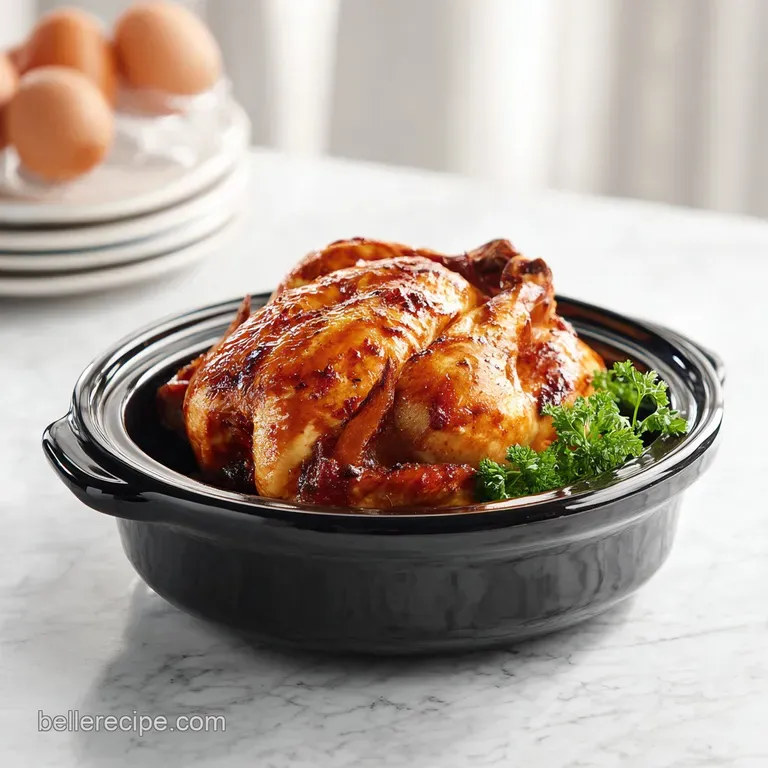
- Time: Active 15 minutes, Passive 90 minutes, Total 105 minutes
- Flavor/Texture Hook: Shattering crispy skin with a bright, lemony herb interior
- Perfect for: Stress free Sunday family dinners or meal prep for the week
- Master This Golden Roast Chicken in Roaster Oven Recipe
- Reasons Your Chicken Stays Silky
- Essential Elements for a Shattering Crust
- Gathering Your Fresh and Simple Kitchen Staples
- Tools for a Mindful Cooking Experience
- Crafting Your Golden Centerpiece Step by Step
- Solving Common Roasting Hurdles with Ease
- Expanding the Joy for Larger Gatherings
- Debunking Old School Roasting Methods
- Keeping Your Leftovers Fresh and Mindful
- Sharing the Warmth with Beautiful Presentation
- Very High in Sodium
- Recipe FAQs
- 📝 Recipe Card
Master This Golden Roast Chicken in Roaster Oven Recipe
The kitchen is quiet, except for the low, rhythmic hum of the electric roaster sitting on the counter. Suddenly, a scent begins to drift through the air not just the smell of food, but a rich, deep aroma of browning butter and toasted rosemary that feels like a warm hug.
When you lift that heavy lid, a cloud of steam escapes, revealing a bird so brilliantly golden it looks like it belongs on a magazine cover. There’s a specific sizzle when the hot juices hit the bottom of the pan, a sound that promises a meal filled with comfort and care.
I remember the first time I tried a roast chicken in roaster oven recipe. I was so worried it would just steam the meat and leave me with pale, rubbery skin. But as I pulled that first chicken out, the skin actually crackled under the knife, and the meat was so tender it practically fell off the bone.
It was a revelation. We sat around the table, passing the platter, the bright zing of the lemon cutting through the richness of the buttery skin. It wasn't just dinner; it was a moment of shared warmth that lingered long after the plates were cleared.
Now, this has become my go to for those days when I want something special but don't want to hover over a hot stove for hours. The roaster oven does all the heavy lifting, acting like a miniature convection chamber that keeps the moisture locked inside while the exterior transforms into something truly magnificent.
It's about being mindful of the small details patting the skin dry, stuffing the cavity with fresh aromatics and letting the heat do its magic. Let’s get into how you can make this sunny, comforting centerpiece in your own home.
Reasons Your Chicken Stays Silky
The Micro Climate Effect: An electric roaster oven has a smaller interior volume than a standard oven, which means it traps the chicken's natural moisture more effectively, preventing the meat from drying out during the long cook time.
Initial over High heat Searing: Starting the roaster at 450°F mimics the "blast" of heat used in professional kitchens, which triggers the rapid browning of proteins and renders the fat beneath the skin for that signature crunch.
Direct Heat Distribution: Because the heating elements in a roaster surround the sides of the well, the heat radiates more evenly around the bird than in a traditional oven where heat often rises primarily from the bottom.
Aromatic Infusion: The closed environment of the roaster forces the steam from the lemon, garlic, and herbs inside the cavity to circulate through the meat, seasoning it from the inside out as it cooks.
| Thickness | Internal Temp | Rest Time | Visual Cue |
|---|---|---|---|
| 5-6 lb Bird | 165°F (Breast) | 15 minutes | Juices run clear when thigh is pierced |
| 5-6 lb Bird | 175°F (Thigh) | 15 minutes | Drumstick moves easily in socket |
| 5-6 lb Bird | N/A | 15 minutes | Skin is mahogany and taut |
Choosing the right method for your roast chicken in roaster oven recipe depends entirely on your schedule and how much you value that "shattered" skin texture versus pure convenience.
While a standard oven is the traditional route, the electric roaster provides a unique level of juiciness that is hard to beat, especially when you are cooking for a crowd and need to save your main oven for side dishes.
Essential Elements for a Shattering Crust
| Ingredient | Science Role | Pro Secret |
|---|---|---|
| Kosher Salt | Protein Denaturation | Dry brining for 12 hours pulls moisture out of the skin, allowing it to crisp faster. |
| Unsalted Butter | Fat Emulsification | Rubbing butter under the skin creates a "frying" effect for the breast meat. |
| Fresh Lemon | Acid Balance | The steam from the lemon helps break down tough connective tissues in the dark meat. |
| Garlic Powder | Maillard Enhancer | Fine particles of garlic powder brown more evenly than fresh garlic bits on the skin's surface. |
Every component of this dish serves a purpose beyond just flavor. We are working with the natural fats and acids to ensure the bird is seasoned deeply. If you are looking for a way to add a different aromatic profile, you might consider how the garlic interacts with the herbs; using a whole sliced head of garlic provides a mellow, sweet undertone rather than a sharp bite.
Gathering Your Fresh and Simple Kitchen Staples
- 1 whole chicken (5-6 lbs): Look for air chilled birds; they haven't been soaked in water, so the skin gets much crispier. Why this? Air chilled chicken has less water weight and better natural flavor.
- Substitute: A large capon or a small turkey (adjust cook time accordingly).
- 2 tbsp kosher salt: I prefer Diamond Crystal for its flaky texture and ease of distribution. Why this? Salt is the primary tool for moisture retention and skin texture.
- Substitute: 1.5 tbsp fine sea salt.
- 1 tsp smoked paprika: This adds a subtle, sunny depth and a beautiful copper color. Why this? It provides a "rotisserie" look without a spit.
- Substitute: Sweet paprika or a pinch of cayenne for heat.
- 1 tsp black pepper: Freshly cracked is non negotiable for that bright, spicy bite.
- Substitute: White pepper for a more floral, less visible spice.
- 1 tsp garlic powder: It sticks to the skin better than fresh garlic.
- Substitute: Onion powder or celery salt.
- 4 tbsp unsalted butter: Make sure it is softened so it spreads like a dream. Why this? Butter carries the flavors of the herbs into the meat.
- Substitute: Olive oil or ghee for a higher smoke point.
- 1 large fresh lemon: Cut it right before stuffing to keep the oils fresh.
- Substitute: An orange or even a small onion.
- 3 sprigs each fresh rosemary and thyme: The classic "poultry" scent that fills the house.
- Substitute: 1 tbsp dried poultry seasoning rubbed inside the cavity.
- 1 head garlic: Sliced crosswise to expose all those beautiful cloves.
- Substitute: Shallots or leeks.
When you are choosing your bird, try to find one that is plump and has intact skin. Any tears in the skin will cause the juices to escape, which can lead to dry patches in the breast meat.
If you find yourself wanting to experiment with the flavors, this roast chicken in roaster oven recipe is incredibly forgiving and serves as a blank canvas for your favorite seasonings.
Tools for a Mindful Cooking Experience
To get the best results for your roast chicken in roaster oven recipe, you really need the right gear. First and foremost is the electric roaster oven itself. I use an 18 quart model, which gives the air plenty of room to circulate around a 5-6 lb bird.
You also need a roasting rack; this is vital because it lifts the chicken off the bottom of the pan, preventing the bottom from becoming soggy as it sits in its own juices.
Beyond the roaster, you'll want a good pair of kitchen shears for trimming any excess fat and some kitchen twine. Trussing the bird basically tying the legs together is a step I never skip.
It keeps the chicken in a compact shape so the smaller parts don't overcook before the thickest part of the breast is done. Finally,, a reliable digital meat thermometer is your best friend here. It takes all the guesswork out of the equation, ensuring you never serve an undercooked or dry meal to your loved ones.
Crafting Your Golden Centerpiece step-by-step
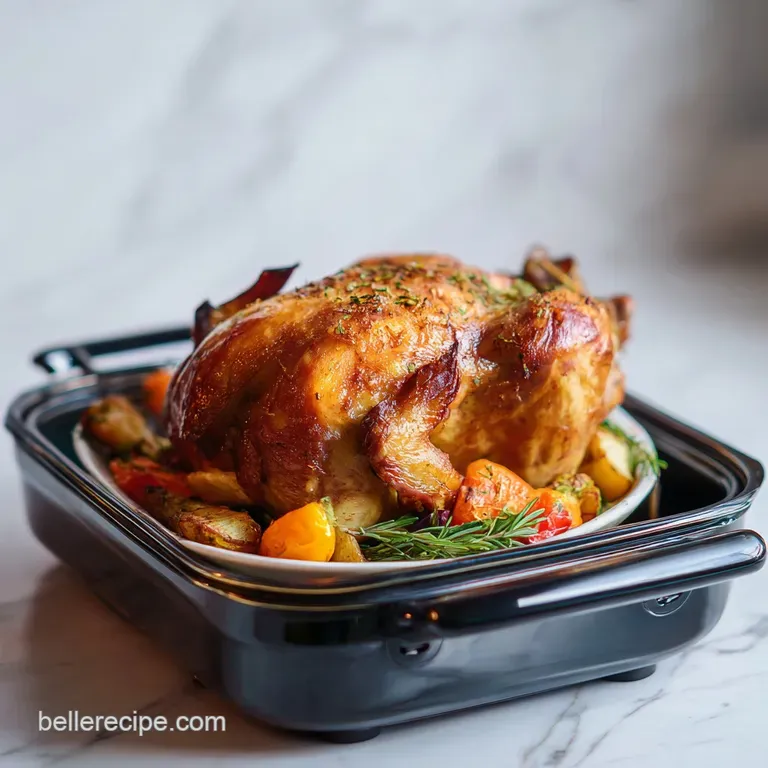
- Prepare the bird. Pat the chicken extremely dry with paper towels. Note: Any moisture on the skin will turn to steam and prevent that crispy, shattered texture we want.
- Season the exterior. Mix the kosher salt, smoked paprika, black pepper, and garlic powder in a small bowl. Rub this mixture all over the chicken, including the underside.
- Aromatic stuffing. Stuff the chicken cavity with the lemon halves, the sliced garlic head, and the rosemary and thyme sprigs.
- Truss for success. Use kitchen twine to tie the legs together and tuck the wing tips behind the back. This ensures even cooking and a beautiful shape.
- Butter the skin. Carefully rub 4 tbsp of softened unsalted butter underneath the breast skin and generously over the entire exterior.
- Preheat the roaster. Set your electric roaster oven to its highest setting, typically 450°F (230°C). Wait until it is fully preheated before adding the bird.
- Initial sear. Place the chicken on the roasting rack breast side up. Lower it into the roaster and cover. Roast for 20 minutes until you hear a vigorous sizzle and see the skin start to darken.
- The long roast. Adjust the temperature to 325°F (if your manufacturer suggests lowering it after the sear) and continue roasting for approximately 1 hour 30 mins.
- Check for doneness. Use a thermometer to verify the breast reaches 165°F and the thigh reaches 175°F. The skin should be taut and mahogany brown.
- The critical rest. Remove the rack from the roaster and let the chicken rest on a cutting board for 15 minutes. Note: This allows the juices to redistribute, keeping the meat incredibly moist when you slice into it.
Solving Common Roasting Hurdles with Ease
Why Your Chicken Skin is Rubbery
If the skin isn't crisping up, it's usually due to excess moisture or the roaster not being hot enough during that initial 20 minute window. Roaster ovens are great at holding moisture, which is usually a plus, but for skin, it can be a challenge. Make sure you don't skip the "patting dry" step.
If you have time, let the salted chicken sit uncovered in the fridge for a few hours before cooking; this "air dries" the skin and yields a much better crunch.
Avoiding the Dry Breast Meat Trap
Breast meat is lean and cooks faster than the dark meat of the thighs. If you find your breast meat is always dry by the time the thighs are done, you might be skipping the butter rub under the skin. That fat acts as an insulator and bastes the meat from the inside. Also, always use a thermometer.
Even 5 minutes too long in the roaster can turn a silky breast into something "cottony" and unpleasant.
| Problem | Root Cause | Solution |
|---|---|---|
| Pale Skin | Heat too low | Ensure preheat reaches 450°F before adding the bird. |
| Dry Meat | Overcooking | Pull the bird when the thermometer hits 160°F; carryover heat will finish it. |
| Soggy Bottom | Sitting in juice | Always use the roasting rack to elevate the chicken. |
Common Mistakes Checklist
- ✓ Forgot to pat the chicken dry (results in steamed, pale skin).
- ✓ Opening the roaster lid too often (releases the heat and adds 10 minutes to cook time).
- ✓ Skipping the rest period (juices will run out on the board instead of staying in the meat).
- ✓ Not trussing the bird (wings and legs will overcook and dry out).
- ✓ Placing the chicken directly on the pan bottom (bottom will be greasy and soft).
Expanding the Joy for Larger Gatherings
If you are hosting a bigger crowd, you can easily scale this roast chicken in roaster oven recipe. Most large electric roasters can actually fit two 5 lb chickens side-by-side. If you do this, make sure there is at least an inch of space between the birds so the heat can circulate.
You won't need to double the roasting time, but you might need to add about 15-20 minutes to the total duration.
When scaling the spices and aromatics, you can double the salt and herbs, but be careful with the liquids; too much lemon juice in the bottom of the pan can create excess steam. This dish pairs beautifully with hearty sides like a tender pot roast if you're doing a multi meat feast, or simple roasted root vegetables that can cook right alongside the chicken if your rack has room.
Debunking Old School Roasting Methods
One myth I hear all the time is that you need to "wash" your chicken before roasting. Please, don't do this! Washing chicken doesn't kill bacteria; it actually spreads it all over your sink and counters. The heat of the roaster oven is what makes the food safe.
Another misconception is that you need to baste the chicken every 15 minutes. In a roaster oven, every time you lift the lid, you lose a massive amount of heat. The butter we rub under the skin does the basting for you, so keep that lid closed and trust the process.
Finally, people often think searing meat "seals in the juices." That's not actually how it works moisture is lost during the cooking process regardless of a sear. However, that initial high heat is vital for the Maillard reaction, which creates those complex, savory flavors and that gorgeous golden brown color we all crave.
Keeping Your Leftovers Fresh and Mindful
Once you've enjoyed your meal, don't let those leftovers go to waste. You can store the carved chicken in an airtight container in the fridge for up to 4 days. If you want to freeze it, I recommend shredding the meat first; it stays much better that way and can be kept for up to 3 months.
When reheating, a splash of chicken broth and a covered dish in the oven will keep it from drying out.
Don't you dare throw away that carcass! The bones are packed with flavor and collagen. Toss them back into the roaster (or a stockpot) with some veggie scraps onion skins, carrot tops, and celery ends and cover with water. Simmer it low and slow for a few hours to create a liquid gold bone broth that's a hundred times better than anything in a carton. You can even use that shredded meat in a Broccoli Casserole recipe for a quick Monday night dinner.
Sharing the Warmth with Beautiful Presentation
Presentation is all about making your guests feel special. Instead of carving the chicken in the kitchen, bring the whole bird to the table on a large wooden board or a sunny ceramic platter. Surround it with fresh sprigs of rosemary and the roasted lemon halves.
The sight of that golden skin against the green herbs is just beautiful.
When you go to carve, start by removing the legs and thighs, then slice the breast meat against the grain. This makes for the most tender bites. If you have any juices left in the bottom of the roaster, strain them and serve them in a small pitcher as a light "jus." It’s a mindful way to use every bit of the flavor you’ve worked so hard to create.
Sharing a meal like this, where everyone can dig in and enjoy the simple, high-quality ingredients, is truly what cooking is all about. Enjoy every bite together!

Very High in Sodium
980 mg of sodium per serving (43% of daily value)
The American Heart Association recommends limiting sodium intake to less than 2,300mg per day, ideally to no more than 1,500mg for most adults.
Tips to Reduce Sodium
-
Halve the Kosher Salt-25%
Significantly reduce the amount of added kosher salt. You can start by using only 1 tablespoon instead of 2. This is the primary source of sodium in this recipe.
-
Boost Natural Flavors
Increase the use of aromatics like lemon, garlic, rosemary, and thyme. These ingredients provide a wealth of flavor without adding any sodium.
-
Adjust Seasoning Blend
While paprika, pepper, and garlic powder don't typically contain sodium, ensure they are pure spices and not part of a seasoned salt blend. Rely more heavily on these for taste.
-
Use Unsalted Butter
The recipe already specifies unsalted butter, which is excellent for sodium reduction. Continue to use unsalted butter to avoid unnecessary sodium.
Recipe FAQs
How long does it take a whole chicken to cook in a roaster oven?
Expect a total cook time of approximately 90 minutes. You will begin with a 20-minute sear at 450°F to crisp the skin, followed by steady roasting until your thermometer reads 165°F in the breast and 175°F in the thighs.
Is roasted chicken good for diabetics?
Yes, this recipe is a protein dense, low-carbohydrate option. By focusing on lean protein seasoned with herbs and lemon rather than sugar laden glazes, it supports stable blood sugar levels.
How to cook chicken for cholesterol management?
Prioritize skin removal after roasting to reduce saturated fat intake. While the butter adds essential flavor, consuming the meat without the skin helps keep your overall fat intake within healthier limits.
How to cook a chicken in the electric roaster?
Preheat your roaster to 450°F and place the trussed, butter rubbed bird on the rack. Roast at this high heat for 90 minutes to sear, then reduce the heat as needed until the internal temperatures reach 165°F for the breast and 175°F for the thighs.
Is it true I must wash the chicken before roasting?
No, this is a common misconception. Washing raw poultry actually spreads harmful bacteria via water splashes; instead, pat the bird extremely dry with paper towels to ensure the skin crisps properly.
How to ensure the skin gets shattered crispy?
Pat the chicken bone dry and leave it uncovered in the refrigerator for up to 24 hours. This dry-brining technique pulls moisture from the surface, allowing the skin to achieve the perfect crispness found in our classic chicken pot pie filling, where texture contrast is essential.
How to keep the breast meat from drying out?
Apply softened butter underneath the breast skin before cooking. This creates a protective, basting layer of fat that keeps the white meat moist throughout the 90-minute roasting process.
Electric Roaster Oven Chicken
Ingredients:
Instructions:
Nutrition Facts:
| Calories | 584 kcal |
|---|---|
| Protein | 64g |
| Fat | 34g |
| Carbs | 2g |
| Fiber | 0.5g |
| Sugar | 0.2g |
| Sodium | 980mg |
