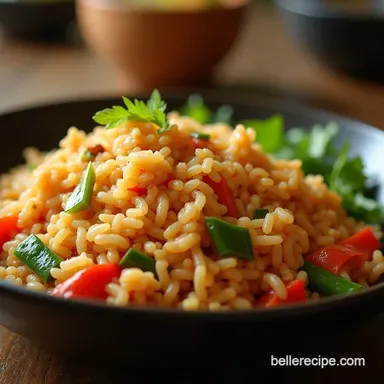
Wok Star Veggie Fried Rice Fluffy Flavourful and Faster Than Delivery
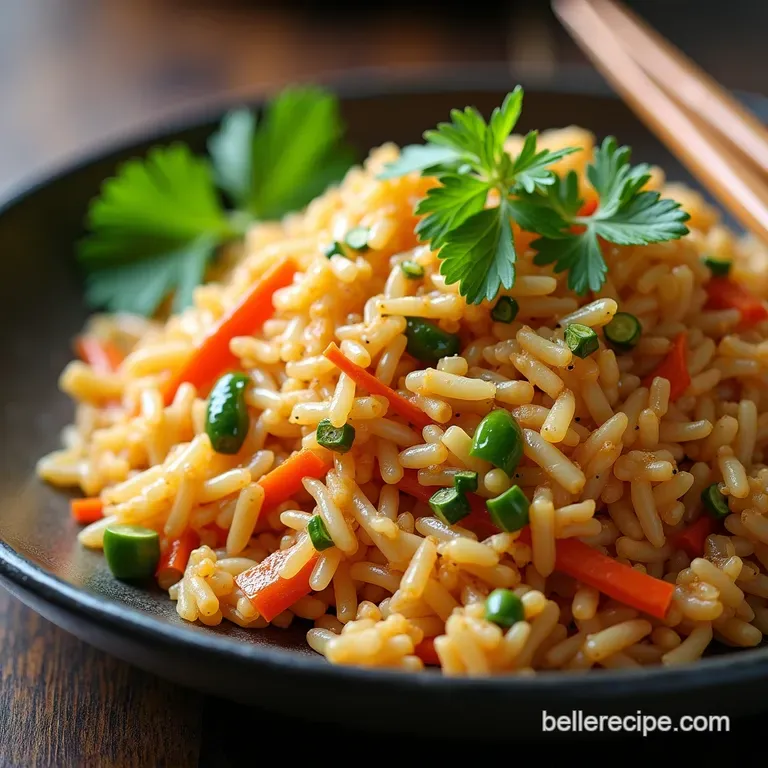
- Ditching Delivery: Mastering Real Homemade Vegetable Fried Rice
- Why Day-Old Rice is Your Secret Weapon for Perfect Texture
- The Essential Arsenal: Building Blocks for Ultimate Vegetable Fried Rice
- Crafting the Signature Sauce: Flavor Depth in a Dash
- High Heat Execution: The Step-by-Step Frying Sequence
- Troubleshooting Common Fried Rice Pitfalls (No More Soggy Results!)
- Creative Additions: Making Your Vegetable Fried Rice Your Own
- Recipe FAQs
- 📝 Recipe Card
Ditching Delivery: Mastering Real Homemade Vegetable Fried Rice
Fried rice might seem like the ultimate in culinary simplicity a convenient way to clear out the vegetable drawer. However, achieving that signature, smoky, non-greasy texture that defines true Chinese takeaway often feels elusive in a home kitchen. Fear not.
This comprehensive guide demystifies the process, turning humble leftovers into the best vegetable fried rice you’ve ever made. We are moving beyond the soggy stir fry and unlocking the secrets to perfectly separate, flavour infused grains.
This vegetable fried rice recipe is designed to be approachable yet authentic, proving that restaurant quality flavour is entirely within reach tonight.
Why Day-Old Rice is Your Secret Weapon for Perfect Texture
The single most critical component for successful homemade vegetable fried rice isn't the sauce or the seasoning; it’s the rice itself. You absolutely cannot start this process with freshly cooked, warm rice. Warm rice retains too much internal moisture.
When you toss it in a hot wok, that moisture steams out, coating the grains in a starchy film, leading to a gummy, heavy texture. The key to achieving that delightfully fluffy, distinct grain structure is using rice that has been cooked, cooled, and refrigerated for at least four hours, ideally overnight.
This chilling process allows the starch to fully set, effectively drying the grains out slightly. When these chilled, firm grains hit the high heat of the wok, they can toast rather than steam, absorbing the flavour from the oil and seasonings beautifully.
Elevating the Humble Stir Fry: A Flavor Blueprint
To ensure this isn't just rice mixed with steamed vegetables, we focus on building distinct flavour layers. Our blueprint relies on a high heat initial sear for the aromatics, followed by strategic seasoning applications.
We incorporate the foundational elements of a classic vegetable fried rice chinese recipe : the earthy punch of garlic and ginger, the umami depth from soy sauce, and the nutty finish of toasted sesame oil.
By keeping the heat aggressive and the cooking time short, we preserve the vibrant colours and slight crunch of the fresh ingredients, making this a genuinely appealing and healthy vegetable fried rice option.
Achieving That Authentic Wok Hei (Smoky Char)
"Wok Hei," often translated as the "breath of the wok," is the signature smoky essence that professional cooks achieve. While truly replicating this requires extreme professional heat, we can mimic the effect.
The key is using a wok (or the largest, heaviest skillet you own) and ensuring it is screaming hot before anything goes in. High heat prevents ingredients from stewing in their own juices.
If you are using a standard home stove, you may need to cook the rice in two batches rather than overcrowding the pan; this allows the temperature to recover quickly between tosses, achieving that desirable slight char on the grains.
Prep Speed: How 15 Minutes of Chopping Saves Dinner
Because the cooking phase moves so rapidly often under 10 minutes total once the rice hits the pan preparation is paramount. We designate 20 minutes for prep time, which includes ensuring the rice is properly broken up.
All vegetables must be uniformly diced (think small carrots and onions) so they cook evenly in the short window we allow them in the wok. Having your eggs whisked, your aromatics minced, and your sauces measured out beforehand is non-negotiable for the best results in this easy vegetable fried rice recipe .
The Essential Arsenal: Building Blocks for Ultimate Vegetable Fried Rice
Building this fantastic dish relies on quality staples. For the rice base, Jasmine rice yields the best results due to its fragrant aroma and ability to hold its shape when chilled.
For the cooking medium, select an oil with a high smoke point, such as peanut, canola, or grapeseed oil; avoid butter or olive oil, which burn too easily under the required high temperatures.
We’ll be using three large eggs, which provide body and richness, and a classic medley of garden vegetables, which for our standard version includes finely diced carrots, frozen peas and corn (thawed slightly), and yellow onion.
Related Recipes Worth Trying
- Crispy Air Fryer Southern Fried Chicken Easy GuiltFree — Get that classic Southern Fried Chicken crunch in your air fryer This easy recipe delivers crispy juicy chicken without the grease Ready in under an hour...
- Sunshine Chicken Over Rice Bowls Flavor Fiesta — Ditch the boring This Sunshine Chicken over Rice recipe explodes with Mediterranean flavors Lemon garlic turmeric its an easy weeknight winner Get the...
- Crispy Air Fryer Fried Chicken Easier Than Takeout — Craving crispy juicy air fryer fried chicken This easy recipe delivers that classic fried chicken flavour without the guilt Get ready for clucking good results
Crafting the Signature Sauce: Flavor Depth in a Dash
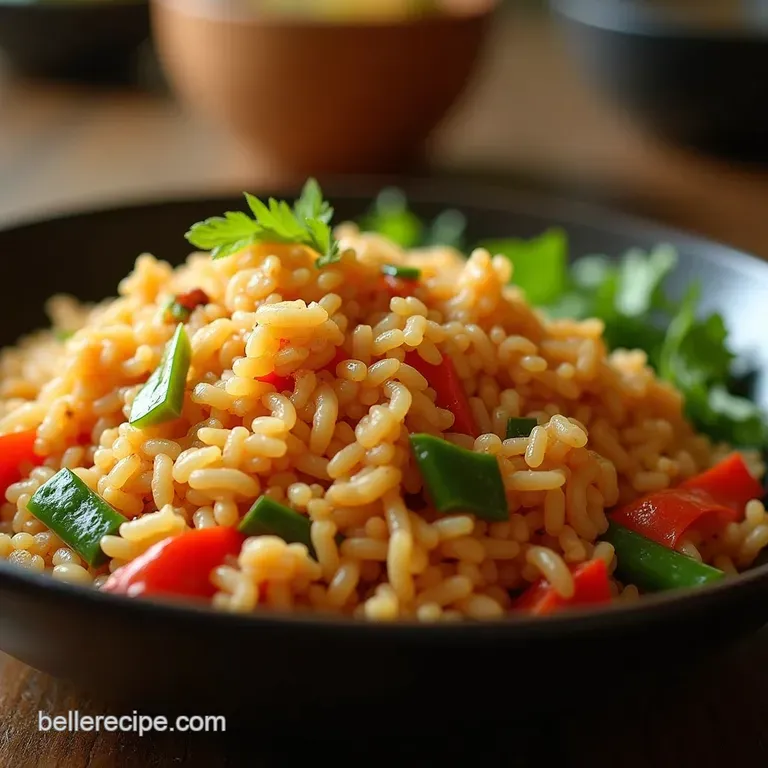
The seasoning dictates the character of your final plate. A balanced simple vegetable fried rice requires a careful blend of salty, sweet, and aromatic notes.
For our flavour profile, we rely on a combination of low-sodium soy sauce for main salinity and a teaspoon of dark soy sauce, which is mainly used to impart that deep, appetizing mahogany colour often missing from home versions.
A crucial final touch is the toasted sesame oil, added only after the heat is off to preserve its powerful nutty aroma.
Selecting the Best Rice Grains for Frying Success
As emphasized, the rice must be cold. When you retrieve your chilled rice, gently use your fingers to crumble any large clumps. You want loose, separate grains, not a sticky mass. Aim for about four packed cups of cooked, day-old rice for a main course serving for four people.
If the rice seems excessively dry straight from the fridge, you can lightly sprinkle it with a few drops of water while breaking it apart, but moisture control is vital.
Mandatory Veggie Prep: Dice, Julienne, and Bloom
Uniformity in cutting ensures everything finishes cooking at the same time. Carrots and onions should be diced small about 1/4 inch pieces. Frozen peas and corn are excellent time savers; just run them under cold water briefly to remove any ice crystals before they enter the wok.
The process of adding these harder vegetables first allows them a minute or two to slightly soften or "bloom" before the quicker cooking elements are introduced.
The Aromatics Trinity: Garlic, Ginger, and Scallion Foundation
The soul of this dish lies in its aromatics. Finely mince two cloves of garlic and grate about one teaspoon of fresh ginger. These powerful flavours form the initial layer of seasoning as they sizzle briefly in the hot oil. Separately, slice your spring onions (scallions), reserving the green tops for garnish.
The white parts are added early with the garlic and ginger to infuse their milder onion flavour, while the bright green tops are saved to provide a fresh, sharp contrast right before serving.
Beyond Soy: Balancing Umami with Sesame and Oyster Substitutes
While soy sauce provides the foundation, a whisper of sugar (about 1/4 teaspoon) is vital to balance the saltiness and enhance the sweetness of the carrots. For those seeking a deeper savoury complexity without meat, a tiny dash of mushroom powder can work wonders, boosting the inherent umami.
White pepper, rather than standard black pepper, is preferred in classic formulations as it offers a sharper, cleaner heat that integrates more seamlessly into the overall flavour profile.
High Heat Execution: The step-by-step Frying Sequence
Once all your components are prepped and within arm's reach, the actual cooking is a quick, thrilling sprint. The entire process, from oil in the pan to the final toss, should take around ten minutes. The sequence must be precise to prevent steaming and ensure every ingredient gets direct, high heat contact.
Phase One: Firing Up the Wok to Smoking Point
Place your wok over high heat until a drop of water evaporates instantly. Add your high smoke-point oil (about 1 tablespoon initially). When the oil shimmers, pour in the lightly beaten eggs. Do not stir immediately. Let them set for about 15 seconds, then quickly push and fold them into scrambled pieces.
Once just cooked through, immediately remove the eggs and set them aside. This prevents them from overcooking and becoming tough rubbery fragments later.
The Art of Tossing: Keeping Ingredients Separated and Hot
Add the remaining oil to the hot wok. Toss in the diced carrots and onions. Stir fry aggressively for two minutes. Next, introduce the minced garlic, grated ginger, and the white parts of the scallions. Cook for only 30 seconds until fragrant be careful not to burn the garlic.
If your pan starts to look crowded or the temperature drops significantly, stop, remove the vegetables, and proceed in a second batch.
When to Introduce the Cold Rice for Maximum Fluff
Now, push the sautéed vegetables to the side of the wok, creating a clear hot spot. Add the cold, crumbled rice to this spot. Allow the rice to sit untouched for about 30 seconds to begin toasting and drying out further. Then, introduce the soy sauces, white pepper, and the pinch of sugar.
Begin tossing vigorously, ensuring the rice grains are coated evenly in the seasoning and oil. Keep the heat high throughout this stage.
Final Flash and Seasoning: The Last Minute Flavor Infusion
Once the rice has been tossed and heated through for about three minutes, return the scrambled eggs to the wok. Add your slightly thawed peas and corn. Toss everything together for one final minute to heat the eggs and vegetables through. Turn off the heat completely.
Immediately drizzle in the toasted sesame oil adding it off-heat protects its delicate flavour and gently fold it in one last time. Garnish with the reserved green scallion tops.
Troubleshooting Common Fried Rice Pitfalls (No More Soggy Results!)
If your vegetable fried rice ideas have always resulted in disappointing mush, the issue almost always traces back to moisture control. If your final dish is wet, you likely either used warm rice, didn't let the rice toast long enough, or overcrowded your pan, dropping the temperature too low.
If the rice is scorched on the bottom but cold in the middle, your heat was too high initially, or you failed to toss frequently enough once the rice was added. Remember: high heat, dry rice, and quick cooking are the golden rules for achieving that signature fluffy outcome.
Creative Additions: Making Your Vegetable Fried Rice Your Own
While the base recipe provides a stellar foundation for simple vegetable fried rice , this dish welcomes experimentation. For an extra textural element, consider adding thinly sliced shiitake mushrooms or water chestnuts for a satisfying crunch.
When looking for vegetable fried rice ideas , think about textural contrast soft scrambled egg against crisp carrot, for instance.
Storage Secrets: Keeping Leftover Fried Rice Fluffy for Days
If you manage to have leftovers (unlikely, but possible!), store the cooled rice in an airtight container in the refrigerator for up to three days. When reheating, spread the rice out on a baking sheet and heat it briefly in a 350° F oven, or alternatively, stir fry it briefly in a very hot pan with a single teaspoon of fresh oil until it’s heated through.
This second pass revitalizes the texture beautifully.
Quick Meal Pairing Suggestions: What Goes Great Alongside This Dish?
This versatile rice works well as a star attraction or a stellar supporting player. For a complete Asian inspired meal, pair it with something saucy that contrasts the relative dryness of the rice, such as a quick Szechuan Tofu Stir fry or simple Ginger Garlic Glazed Salmon.
The brightness of the vegetables in the rice cuts beautifully through richer proteins.
Bean Sprout Buzz: Should You Pre-Cook Them?
Bean sprouts are a classic addition, but they release a lot of water very quickly. If you choose to include them for that authentic crunch, add them in the very last 30 seconds of cooking, right before you turn off the heat and add the sesame oil. They require almost no cooking time and should remain crisp.
Pre-cooking them is unnecessary and detrimental to the desired texture.
Nutritional Snapshot: Making This A Balanced Meal
This recipe provides an excellent base of complex carbohydrates from the rice, fibre and vitamins from the diverse vegetable mix, and lean protein from the eggs. To boost the protein content further without straying from vegetarian boundaries, consider adding cubed, pressed, and pan-fried extra firm tofu during the vegetable frying stage.
This ensures you have a satisfying, complete meal that is both economical and packed with fresh goodness.
Recipe FAQs
Why is my Vegetable Fried Rice always soggy instead of fluffy?
Ah, the classic home cook hurdle! The absolute key is using day-old, refrigerated rice; warm or freshly cooked rice contains too much moisture and will steam rather than fry. Also, ensure your wok or pan is screaming hot before you add anything, and don't overcrowd it, or you’ll end up stewing your ingredients!
Can I make this Vegetable Fried Rice ahead of time, or do I need to eat it immediately?
You can certainly prepare the components ahead of time chop all your veggies and mix your sauce beforehand. The actual stir frying process, however, should be done right before serving as fried rice is best eaten piping hot straight from the wok. It reheats okay, but it never quite hits the same high note.
What kind of rice is best for this recipe? I usually just use whatever I have in the cupboard.
Jasmine rice is traditionally the go-to as it holds its shape nicely, but any long grain white rice will do the job once it’s been cooked and thoroughly chilled. Basmati can work in a pinch, but avoid sticky or short grain rice like Arborio, as those tend to turn into something resembling sticky rice pudding rather than a good fried rice base.
I don't have a wok; can I still achieve that great flavour without one?
Absolutely, no worries! Just make sure you use the largest, heaviest bottomed skillet you own cast iron is brilliant if you have it. The trick is to cook in smaller batches if necessary so you can maintain that high, fierce heat, which is what gives the rice its wonderful toasted flavour, sometimes called 'wok hei.'
How can I bulk up the protein in this Vegetable Fried Rice without adding meat?
You've already got the eggs, which is a brilliant start! For extra substance, try adding firm or extra firm tofu that you’ve pressed and cubed, or even some edamame beans along with your peas and corn.
You can also stir in a tablespoon of peanut butter mixed with water right at the end for a creamy, nutty protein boost.
Is this dish very high in sodium because of all the soy sauce?
It can be, depending on your brand! To manage the sodium content, always opt for low-sodium soy sauce, and taste before adding any extra saltiness. You can balance the flavour by using a little extra ginger, a pinch of sugar (as we do in the recipe), or a splash of rice vinegar at the end instead of more soy sauce.
Fluffy Vegetable Fried Rice