Baked Garlic Parmesan Chicken and Potatoes
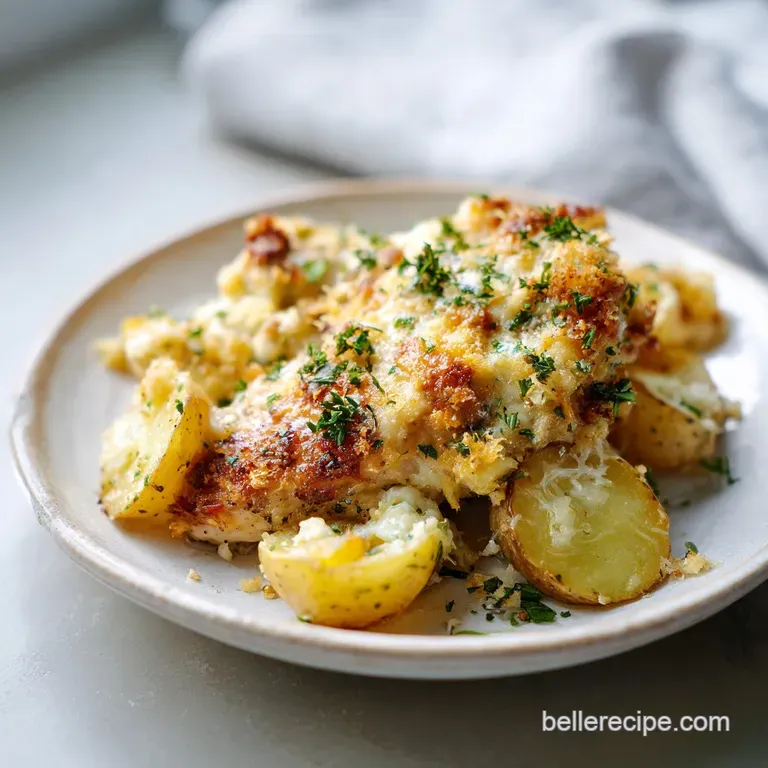
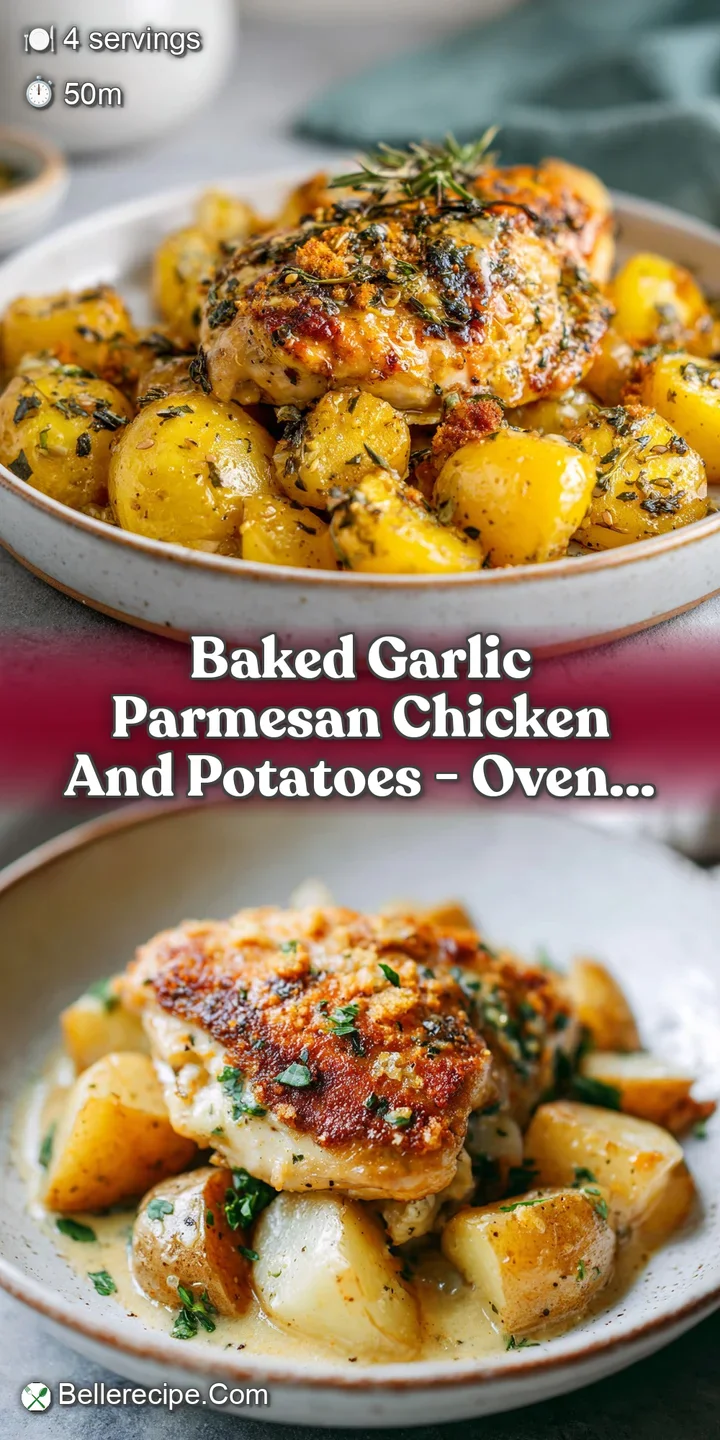
- Time: Active 15 minutes, Passive 35 minutes, Total 50 minutes
- Flavor/Texture Hook: Savory garlic aroma with a shatter crisp Parmesan crust
- Perfect for: Busy weeknight dinners or mindful Sunday meal prep
- Why This Chicken Recipe Chicken Recipe Works
- Essential Recipe Specs and Data
- Simple Ingredients for Comforting Results
- Kitchen Tools for Roasting
- Preparation Steps for This Recipe
- Solutions for Common Roasting Problems
- Creative Variations and Budget Swaps
- Storage Guidelines and Reheating Tips
- Serving Ideas and Perfect Pairings
- Debunking Common Chicken Roasting Myths
- Adjusting Portions for Groups or Solo
- Recipe FAQs
- 📝 Recipe Card
Why This Chicken Recipe Chicken Recipe Works
There is a specific sound that defines a good kitchen afternoon. It's the rhythmic thud of a heavy knife against a wooden board, followed by the soft sizzle of oil meeting a hot pan.
I remember the first time I tried a version of this chicken recipe, chicken recipe nights were usually rushed, but I wanted something that felt intentional. My kitchen was filled with the scent of roasted garlic, a smell that always reminds me of my grandmother's house on a rainy Sunday.
This dish isn't about being fancy; it's about the comfort of sharing something simple and honest with people you love.
We often think that a satisfying meal requires a long list of ingredients or hours over a stove, but I've learned that it's actually about how you treat the basics. Using chicken thighs instead of breasts was a trick I learned after years of dry, chewy dinners.
Thighs are forgiving, staying silky even if you leave them in the oven five minutes too long. When you toss them with potatoes and that sharp Parmesan, something beautiful happens. The fat from the chicken renders out, basting the potatoes until they’re golden and tender.
This isn't just another dinner; it’s a mindful approach to feeding your family without breaking the bank. We’re using humble Yukon Golds and frozen or fresh broccoli to create a complete meal on a single tray.
It’s the kind of recipe that makes you feel like you’ve got your life together, even on a Tuesday. Trust me on this, once you hear that first bite crackle, you'll understand why this has become a permanent resident in my recipe tin.
- The Maillard Reaction: High heat transforms the proteins and sugars in the chicken and Parmesan into a savory, brown crust.
- Starch Gelatinization: The moisture inside the Yukon Gold potatoes turns to steam, making the centers velvety while the outsides crisp.
- Fat Soluble Infusion: The olive oil carries the garlic and oregano flavors deep into the meat rather than letting them sit on the surface.
- Convection Synergy: Arranging everything in a single layer allows hot air to circulate, preventing the broccoli from steaming and becoming mushy.
| Method | Time | Texture | Best For |
|---|---|---|---|
| Standard Roast | 35 minutes | Balanced crisp and juice | Reliable family dinners |
| Convection/Air Fry | 25 minutes | Ultra shatter crispy skin | Quick weeknight cravings |
| Slow Roasting | 1 hours 15 mins | Fall apart tender meat | Lazy weekend afternoons |
Choosing the right method depends on your mood, but the standard roast is my favorite for that classic home cooked feel. It gives the flavors enough time to mingle without needing constant supervision.
Essential Recipe Specs and Data
When we talk about making a truly mindful meal, the details matter. I’ve found that using 1.5 lbs of chicken and potatoes is the "sweet spot" for a standard sheet pan. It ensures nothing is overcrowded, which is the secret to avoiding a soggy mess.
If you've ever had a tray bake turn into a watery pile of vegetables, it’s usually because the pan was too full.
Component Analysis
| Ingredient | Science Role | Pro Secret |
|---|---|---|
| Chicken Thighs | Fat & Protein Source | Pat them bone dry for a better sear |
| Yukon Gold Potatoes | High Starch Content | Don't peel them; the skin holds the crisp |
| Parmesan Cheese | Salt & Umami Booster | Use freshly grated to avoid clumping agents |
| Smoked Paprika | Color & Depth | Adds a "roasted over fire" flavor |
Selecting quality basics is the smartest way to cook on a budget. You don't need truffle oil when you have good garlic and cracked black pepper.
Simple Ingredients for Comforting Results
For this recipe, we are keeping things approachable. You likely have most of these in your pantry already, which is the beauty of a simple chicken recipe.
- 1.5 lbs boneless, skinless chicken thighs, trimmed Why this? They stay juicy at high heat compared to breasts.
- 1.5 lbs Yukon Gold potatoes, cubed into 1 inch pieces Why this? They have a naturally buttery texture and thin skins.
- 2 cups fresh broccoli florets Why this? Provides a necessary crunch and vibrant color.
- 0.5 cup freshly grated Parmesan cheese Why this? It creates a salty, lacy crust when baked.
- 3 tbsp extra virgin olive oil
- 4 cloves garlic, minced
- 1 tsp dried oregano
- 1 tsp smoked paprika
- 0.5 tsp sea salt
- 0.5 tsp cracked black pepper
If you’re looking for a substitute for the chicken, pork tenderloin works beautifully here, though you’ll need to adjust the timing to ensure it doesn't overcook. For the greens, if you don't have broccoli, Brussels sprouts are a lovely alternative that stands up well to the heat.
Kitchen Tools for Roasting
You don't need a professional kitchen to make this work, but a few simple tools make the process much more enjoyable. I personally love using a heavy rimmed baking sheet because it won't warp in the high heat of the oven.
- Large rimmed baking sheet (13x18 inch)
- Large mixing bowl
- Sharp chef's knife
- Microplane or grater for the cheese
- Parchment paper (optional, for easier cleanup)
Using a large bowl to toss everything together before it hits the pan is a small step that makes a huge difference. It ensures every single potato cube is coated in oil and spices, which is the only way to get that consistent golden color we're after.
Preparation Steps for This Recipe
- Preheat your oven to 400°F (200°C). Note: A hot oven is essential for immediate browning.
- Pat the 1.5 lbs of chicken thighs dry with paper towels. Note: Surface moisture is the enemy of a good crust.
- Cut the Yukon Gold potatoes into uniform 1 inch cubes until they look like consistent bite sized pieces.
- In a large bowl, whisk together 3 tbsp olive oil, minced garlic, oregano, paprika, salt, and pepper.
- Add the chicken and potatoes to the bowl and toss thoroughly until every surface is glistening with oil.
- Spread the mixture onto the baking sheet in a single layer.
- Roast for 20 minutes until the potatoes start to soften and the chicken begins to brown.
- Toss the broccoli florets with a tiny splash of oil and add them to the pan.
- Sprinkle the 0.5 cup of Parmesan over everything.
- Bake for another 15 minutes until the cheese is bubbling and the chicken reaches 165°F (74°C).
Chef's Tip: If you want an even deeper flavor, grate your Parmesan onto a plate and let it sit out for 20 minutes before using. This slightly dries it out, making it more likely to "shatter" into crispy bits rather than just melting.
Solutions for Common Roasting Problems
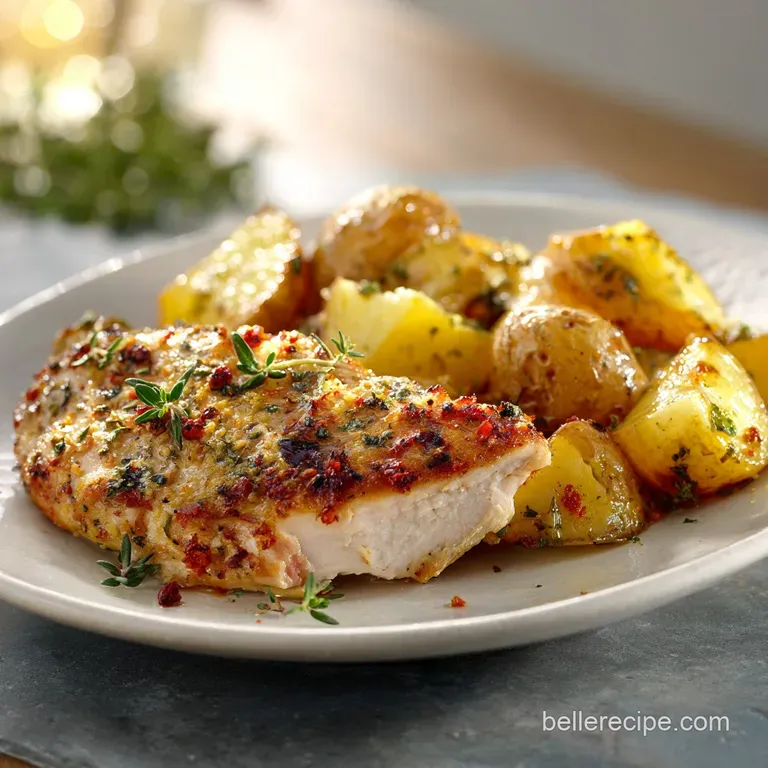
Sometimes things don't go exactly as planned, and that's okay. Cooking is a practice, not a test. If your potatoes are looking a bit pale or your chicken feels a little firm, there’s usually a very simple fix.
For Soggy Potatoes
If your potatoes aren't crisping up, it's almost always a moisture issue. This happens if the potatoes were still wet from washing or if the pan was too crowded. Next time, make sure you use a larger pan or two smaller ones.
To fix it now, turn the oven up to 425°F (220°C) for the last 5 minutes.
For Dry Chicken Thighs
While thighs are hearty, they can still dry out if they are cut into very small pieces. Keep them whole or in large chunks. If they do seem dry, a quick squeeze of fresh lemon juice right before serving can help mimic the sensation of moisture and brighten the whole dish.
| Problem | Root Cause | Solution |
|---|---|---|
| Burnt Garlic | Minced too fine or added too early | Use larger pieces or tuck them under the chicken |
| Soggy Broccoli | Added at the start of roasting | Only add for the last 15 minutes of cooking |
| Cheese not Crispy | Oven temperature too low | Use the broiler for 1-2 minutes at the end |
Common Mistakes Checklist
- ✓ Forgot to pat the chicken dry (results in steamed meat).
- ✓ Overcrowded the tray (prevents air circulation and crisping).
- ✓ Used pre shredded cheese (contains cellulose that prevents melting).
- ✓ Cut potatoes into uneven sizes (leads to some being raw and others burnt).
- ✓ Skipped the resting period (juices will run out if cut too soon).
Creative Variations and Budget Swaps
One of the things I love most about a good chicken recipe is how flexible it is. If you're trying to save a few dollars or just want to use up what's in your fridge, you can easily swap things out without losing that comforting soul of the dish.
| Original Ingredient | Substitute | Why It Works |
|---|---|---|
| Yukon Gold Potatoes | Sweet Potatoes | Adds a lovely sweetness. Note: They cook faster, so cut them slightly larger. |
| Fresh Broccoli | Frozen Broccoli | Budget friendly. Note: Roast from frozen for a better texture. |
| Parmesan Cheese | Nutritional Yeast | Great dairy-free option. Note: Use half the amount for a similar nutty flavor. |
If you are a fan of bold flavors, you might want to try something similar to the technique used in my Boursin Chicken Recipe, where creamy cheese adds a whole new dimension of richness. But for today, we’re sticking to the simplicity of the roast.
If you have a little extra room in the budget, adding a handful of halved cherry tomatoes during the last 10 minutes creates a beautiful, jammy sauce that coats the potatoes. It's a small change that makes the meal feel a bit more special.
Storage Guidelines and Reheating Tips
To keep this meal tasting fresh, store leftovers in an airtight container in the fridge for up to 4 days. I don't recommend freezing the roasted broccoli as it can become quite soft upon thawing, but the chicken and potatoes freeze beautifully for up to 3 months.
When it's time to reheat, skip the microwave if you can. It tends to make the potatoes rubbery. Instead, pop them back into a 350°F (180°C) oven or a toaster oven for about 10 minutes.
This brings back that "shatter" texture of the Parmesan and keeps the chicken velvety.
For a zero waste tip, if you have tiny bits of chicken and potato left over, toss them into a pan the next morning with a couple of eggs. It makes for the most incredible breakfast hash.
You can even use the broccoli stems just peel the woody outer layer and dice the tender inside to roast right along with the florets.
Serving Ideas and Perfect Pairings
This meal is quite complete on its own, but a little something extra never hurts. A simple green salad with a sharp vinaigrette helps cut through the richness of the roasted chicken and cheese. If you're feeling a bit more ambitious, this dish pairs perfectly with a side of creamy grains.
- If you want more greens, try serving it alongside a Broccoli Casserole recipe.
- If you want a crunchier side, a simple coleslaw with apple cider vinegar is brilliant.
- If you want a heartier meal, serve it over a bed of fluffy quinoa or brown rice.
Honestly, don't even bother with complicated sauces. The juices from the chicken mixed with the melted Parmesan and garlic create their own light dressing on the plate. It's simple, mindful, and exactly what a home cooked meal should be.
Debunking Common Chicken Roasting Myths
One myth I hear constantly is that you must sear the chicken in a pan before putting it in the oven to "lock in the juices." Science tells us that searing doesn't actually seal anything; it simply creates flavor through the Maillard reaction.
By roasting at 400°F (200°C), we get that same flavor development without the extra pan to wash.
Another common misconception is that "chicken is done when the juices run clear." This is actually quite unreliable. The only way to be 100% sure your chicken is safe and juicy is to use a meat thermometer.
For thighs, I actually prefer taking them to 170°F (77°C) because the extra heat helps break down the connective tissue, making them even more tender than they are at the standard 165°F.
Adjusting Portions for Groups or Solo
If you're cooking for one, you can easily halve this recipe. Just be careful with the roasting time smaller amounts of food on a large pan can brown much faster. Use a smaller baking dish to keep everything snug so the juices don't evaporate too quickly.
- Scaling Up (2x): Use two separate baking sheets. Do not try to cram 3 lbs of chicken onto one tray, or you'll end up with steamed meat. Rotate the pans halfway through cooking.
- Scaling Down (1/2): Use a 9x13 inch baking pan. Reduce the total roasting time by about 5-8 minutes, checking the chicken early.
- The Salt Rule: When doubling the recipe, only use 1.5 times the amount of salt and spices first, then taste. Spices can become overwhelming when scaled linearly.
Whether you're making this for a quiet night in or a big family gathering, the goal is the same: to share a meal that feels intentional and comforting. It’s about taking those simple ingredients chicken, potatoes, and garlic and turning them into a memory.
Right then, let's crack on and get that oven preheated!
Recipe FAQs
Which chicken recipe is most tasty?
The most flavorful chicken recipe depends on your preferred texture and flavor profile. For guaranteed juiciness and depth, try a slow roasted or smoked preparation, as these methods tenderize connective tissue slowly. If you enjoy high contrast, look for recipes that feature high heat searing followed by a pan sauce, like those found in our Chicken Bryan Recipe: Pan-Seared with Lemon Butter Sauce.
What is the secret ingredient to the most flavorful baked chicken ever?
The secret is usually salt, applied correctly, not a specific ingredient. Dry brining salting the chicken and letting it rest uncovered in the fridge for 4 to 24 hours draws moisture out and then reabsorbs it, seasoning deep into the meat.
This makes the resulting crust remarkably flavorful and crisp.
What's the best way to cook chicken breasts so they don't dry out?
Use the "reverse sear" method or cook them sous vide. For a simple home method, cook the breasts gently at a low temperature (around 250°F) until they hit 150°F internally, then quickly sear them in a hot pan for color. This precise temperature control is key, similar to the technique explained in the How To Cook recipe guide.
What to add to chicken to give it flavor?
Use high impact aromatics and acids simultaneously to balance the palate. Try minced garlic, smoked paprika, and dried herbs like thyme or oregano rubbed directly under the skin or mixed into a marinade. A splash of acid, like lemon juice or vinegar, added at the end brightens the overall taste.
Is it true that marinades only flavor the surface of the chicken?
No, this is a common misconception, though surface action is dominant. Marinades do slightly denature the very outer layer of protein, allowing some flavor penetration, but the primary role is surface seasoning and tenderization.
For deep, consistent flavor throughout, dry brining or injecting is far more effective.
Can I substitute chicken thighs for breasts in recipes calling for slow cooking?
Yes, and chicken thighs are actually superior for most slow cooked dishes. Thighs have a higher fat content, meaning they stay moist and succulent even after long cooking times, whereas breasts tend to become stringy. This robustness makes them ideal for dishes like our Cozy Chicken Pot Pie recipe.
What is the best way to create a glossy, thick sauce from chicken pan drippings?
Create a roux or use a quick reduction with added fat and sweetness. After removing the chicken, whisk flour or cornstarch into the drippings to make a quick roux, then slowly incorporate stock. Alternatively, reduce the pan drippings with a touch of butter and a sweet/acidic element, like a spoonful of your favorite Teriyaki Sauce Recipe base.
Garlic Parmesan Chicken And Potatoes
Ingredients:
Instructions:
Nutrition Facts:
| Calories | 489 kcal |
|---|---|
| Protein | 43 g |
| Fat | 21 g |
| Carbs | 33 g |
| Fiber | 4 g |
| Sugar | 2 g |
| Sodium | 665 mg |
