Essential Greek Lemonherb Chicken Souvlaki Skewers
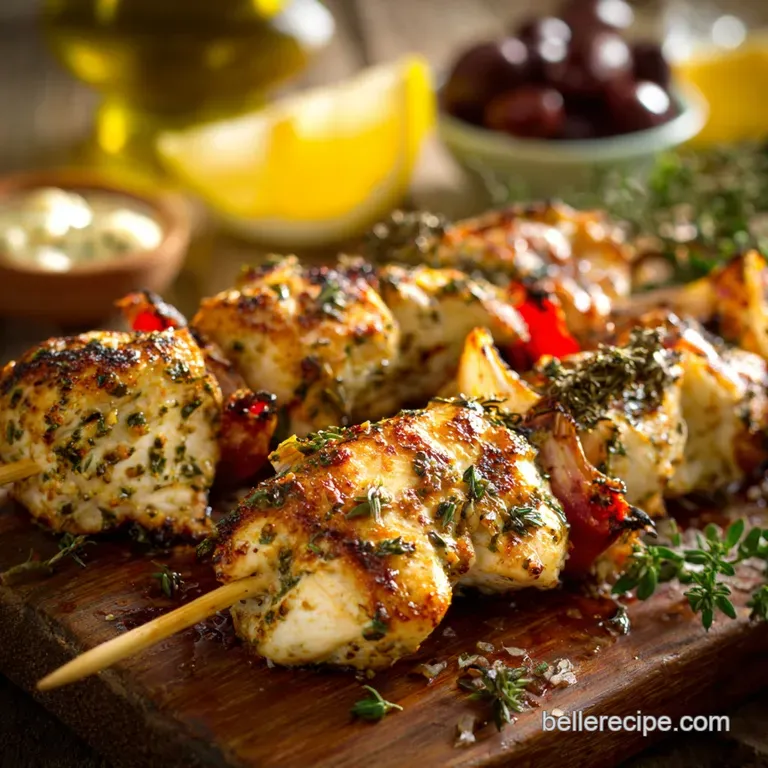
- Unlocking the Authentic Aegean Flavor of Greek Street Food
- Why This Lemon-Herb Marinade Guarantees Perfect Chicken Souvlaki
- Sourcing Essential Ingredients for Maximum Greek Flavor
- Mastering the Marinade: The Key Step to Flavor Infusion
- Grilling and Pan-Frying Your Chicken Souvlaki to Perfection
- The Best Greek Sides to Complete Your Chicken Souvlaki Meal
- Troubleshooting and Storing Leftover Souvlaki
- Recipe FAQs
- 📝 Recipe Card
Unlocking the Authentic Aegean Flavor of Greek Street Food
Souvlaki is the undisputed champion of Greek street food, a dish deceptively simple in its preparation yet profound in its flavor impact. This chicken souvlaki recipe is designed to capture the true, sun-drenched brightness of the Mediterranean, moving far beyond the bland, dry interpretations often encountered outside of Greece.
We achieve this authentic taste by focusing intently on one crucial step: the marinade. By mastering the balance of fresh citrus, potent herbs, and high-quality olive oil, you unlock the secret to producing succulent, tender meat every single time, whether you are cooking over an open flame or using modern indoor methods like preparing your chicken souvlaki in oven .
Why This Lemon Herb Marinade Guarantees Perfect Chicken Souvlaki
The success of truly magnificent Chicken Souvlaki hinges entirely on its vibrant, aromatic chicken souvlaki marinade . This blend is far more than just a seasoning; it is a vital preparatory step that ensures both maximum flavor infusion and optimal texture retention during high heat cooking.
We rely on a precise ratio of acid to fat to tenderize the poultry while simultaneously insulating it from the searing heat of the grill.
Defining Souvlaki: Skewers, Street Eats, and Tradition
The word "souvlaki" literally translates to "little skewers." This ancient preparation method involves marinating and skewering cubed meat, which is then cooked quickly over heat. It remains a foundational element of Greek cuisine and is most commonly enjoyed as a casual, portable street eat, often served wrapped in warm bread, forming the perfect chicken souvlaki pita .
The Secret to Tender, Juicy Chicken Skewers
Achieving succulence in your chicken souvlaki skewers starts with strategic meat selection and ends with proper hydration during cooking. The olive oil a substantial component of our chicken souvlaki marinade recipe —performs the critical task of coating and insulating the meat.
This fat barrier helps lock in the chicken’s natural moisture, guaranteeing a more tender and juicy result, even if you are using a slightly leaner cut.
How Acidity and Oil Transform the Texture
The fresh lemon juice in the marinade serves a dual purpose. As a strong acid, it begins the process of protein denaturation, tenderizing the outer layer of the chicken before it ever touches the heat.
However, pure acid left too long can toughen the meat; therefore, the robust presence of extra virgin olive oil is vital. The oil counteracts the harshness of the lemon, preventing the meat from becoming chalky or firm, ensuring the finished product is perfectly supple and flavorful.
Oregano's Role in True Mediterranean Brightness
If the lemon provides the necessary acidity, dried oregano is undoubtedly the soul of this classic Greek preparation. This powerful, aromatic herb provides the earthy, slightly peppery foundation that defines Mediterranean cuisine.
Using Greek oregano, if available, elevates the dish significantly due to its superior pungency and complex flavor profile compared to standard varieties.
Sourcing Essential Ingredients for Maximum Greek Flavor
The beauty of this chicken souvlaki recipe lies in its simplicity; consequently, the quality of each component is magnified. Invest in high-quality extra virgin olive oil and ensure your lemons are fresh, providing both juice and zest for maximum aromatics.
Choosing the Right Cut: Thighs vs. Breasts for Souvlaki
For optimal results, the expert choice for Chicken Souvlaki is boneless, skinless chicken thighs. Their higher natural fat content acts as insurance against overcooking, retaining moisture far better than leaner breast meat.
If you do opt for breast meat, you must exercise vigilance to pull it off the heat the moment it reaches the correct internal temperature.
Gathering Your Aromatic Marinade Components
In addition to the fundamental oil and lemon, you will need a generous measure of finely minced garlic (four cloves per two pounds of chicken), dried thyme, kosher salt, and freshly ground black pepper.
A subtle pinch of red pepper flakes is an optional but welcome addition, introducing a gentle warmth that complements the oregano without adding noticeable heat.
Necessary Tools: Skewers and Grilling Apparatus
You will need about 8 to 10 skewers. If using wooden skewers, they must be completely submerged in water for at least 30 minutes before grilling to prevent them from catching fire.
Regardless of your cooking setup be it a charcoal grill, a stovetop grill pan, or even if you plan on making chicken souvlaki in air fryer —an accurate instant read meat thermometer is a mandatory tool for achieving safe, perfect doneness.
Quick Prep: Cubing the Chicken Uniformly
The initial preparation of the meat is critical for cooking consistency. Trim the chicken and slice it into uniform 1 inch (2.5 cm) cubes. Non-uniform pieces will cook unevenly, resulting in some parts being dry and others remaining undercooked, detracting from the overall quality of the Chicken Souvlaki .
Related Recipes Worth Trying
- Authentic Smoky Chicken Sausage Jambalaya Recipe — Nail that classic Louisiana flavour with this simple smoky Jambalaya recipe Perfect rice texture guaranteed in one potits comfort food central
- The Deep South Simmer Authentic Chicken and Andouille Sausage Gumbo — Forget bland weeknight soups Master the dark roux for this authentic Cajun Gumbo recipe packed with chicken and smoky sausage Your new comfort classic awaits
- Easy Cream Cheese Chicken Enchiladas Recipe Comfort Food — Whip up the ultimate comfort food This Cream Cheese Chicken Enchiladas recipe uses a simple velvety filling thats a total crowd pleaser Perfect for a...
Mastering the Marinade: The Key Step to Flavor Infusion
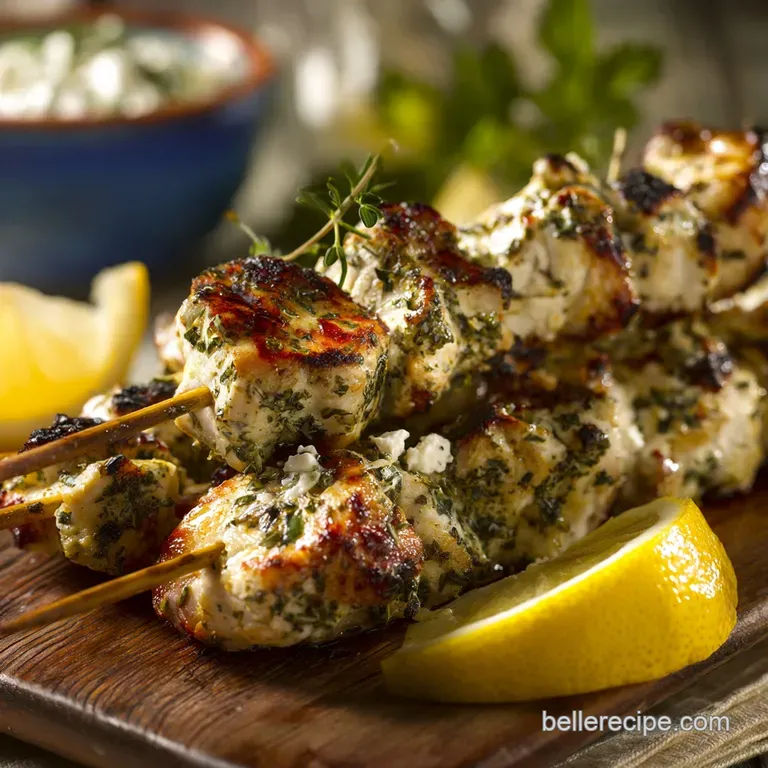
Creating the perfect chicken souvlaki marinade recipe starts with incorporating all the liquid and dry components effectively. In a large bowl, whisk together the olive oil, lemon juice, zest, and all the spices until the mixture appears slightly emulsified a sign that the oil and acid have properly combined.
Combining the Herbs and Citrus for Optimal Marinade Balance
Once the base liquid is prepared, add the cubed chicken and ensure every single surface of every piece is thoroughly coated. Spend a minute or two tossing the meat to maximize contact between the poultry and the potent lemon herb coating.
Minimum and Maximum Marinading Times Explained
The ideal marinating period for this chicken souvlaki marinade is four hours. This provides sufficient time for the flavors to fully penetrate the meat. A minimum of two hours is acceptable in a rush, but exceeding six hours should be avoided, particularly with chicken breast, as the strong acidity of the lemon can begin to cure the outer layer of the meat, making it unpleasantly firm.
Preparing the Skewers (Wetting vs. Oiling)
If you are using metal skewers, a light coat of oil will help prevent sticking. For the pre-soaked wooden skewers, simply thread the marinated chicken, ensuring you leave a small gap of about a quarter inch between each piece.
This small space is vital as it allows air and heat to circulate around the meat, promoting even cooking and helping to develop that desirable, charred surface. Discard any remaining marinade liquid.
Grilling and Pan-Frying Your Chicken Souvlaki to Perfection
Proper management of medium high heat is the key to achieving a beautifully charred exterior without sacrificing the interior juiciness of the Chicken Souvlaki . Aim for a surface temperature of approximately 400°F (200°C) on your cooking apparatus.
Achieving That Signature Char on an Outdoor Grill
Place the prepared chicken souvlaki skewers onto the hot, lightly oiled grates. They require 12 to 15 minutes of cooking time, flipping the skewers every three to four minutes to ensure even cooking across all sides.
A vital pre-grilling tip: quickly scrape off any excess minced garlic adhering to the chicken pieces, as garlic burns rapidly and can introduce a bitter, smoky flavor to the final product.
Searing Indoors: Using a Grill Pan or Cast Iron Skillet
If you must cook indoors, a heavy cast iron skillet or a ridged grill pan is your best substitute. Heat the pan over medium high heat until it is smoking slightly. Cook the chicken in small batches to avoid overcrowding the pan; overcrowding drops the temperature quickly, which prevents searing and leads to the chicken stewing in its own liquid.
This method is equally effective as making chicken souvlaki in oven (if finishing the searing process) or grilling.
Internal Temperature Check for Perfectly Cooked Poultry
The single most important step for safety and quality is verifying the internal temperature. Insert an instant read thermometer into the thickest piece of chicken on the skewer. The chicken is perfectly cooked and safe to eat when it registers 165°F (74° C) .
Immediately remove the skewers from the heat and allow them to rest, loosely tented with foil, for five minutes. This resting period allows the muscle fibers to relax and reabsorb the juices, ensuring a truly tender bite.
The Best Greek Sides to Complete Your Chicken Souvlaki Meal
The deliciousness of the Chicken Souvlaki is undeniable, but the traditional accompaniments are what turn it into a complete, authentic Greek dining experience.
Crafting the Ultimate Homemade Tzatziki Sauce
Tzatziki, the cool, tangy cucumber yogurt sauce, is an absolute necessity. It provides a creamy, refreshing counterpoint to the smoky, savory chicken. For the best consistency, grate your cucumber and thoroughly squeeze out the excess moisture before mixing it with thick Greek yogurt, fresh garlic, and a hint of dill.
Building the Perfect Pita Wrap
The classic way to enjoy chicken souvlaki skewers is nestled inside a warm, fluffy chicken souvlaki pita . Gently warm the pita bread a dry skillet or a quick 30 seconds on the grill works perfectly to make it pliable.
Construct the wrap with the chicken, a generous smear of homemade Tzatziki, thin slices of fresh tomato, and slivers of red onion.
Easy Salad Pairings (Greek Salad, Horiatiki)
For a fresh side, opt for the traditional Horiatiki (Greek Village Salad). This simple but powerful salad skips the lettuce entirely, relying instead on chunky cut tomatoes, cucumbers, red onion, Kalamata olives, and a large slab of feta, dressed simply with quality olive oil and a dash of red wine vinegar.
Troubleshooting and Storing Leftover Souvlaki
Good planning ensures you can enjoy the flavor of freshly made Souvlaki long after the meal is over, with practical advice for maximizing shelf life and reheating perfection.
Keeping the Cooked Chicken Moist During Storage
To store leftover cooked Chicken Souvlaki , remove the meat from the skewers and place it in an airtight container in the refrigerator for up to three days. When reheating, avoid high, dry heat.
Instead, warm the chicken gently in a covered skillet with a tablespoon or two of water or broth, or utilize the reheat function found in many devices if preparing chicken souvlaki in air fryer .
Freezing Uncooked Marinated Chicken
This lemon herb chicken souvlaki marinade recipe works well for freezing. Place the raw, marinated chicken pieces (do not skewer them) into a heavy duty freezer bag, pressing out all the air before sealing. It maintains quality for up to three months.
Always thaw the meat slowly in the refrigerator overnight before skewering and proceeding with the cooking instructions.
Quick Recipe Variations (Pork, Veggie, or Fish Souvlaki)
The basic marinade structure is incredibly versatile. For the traditional classic, substitute the chicken with cubed pork tenderloin or shoulder for Pork Souvlaki; note that pork requires a slightly longer marinade time, up to eight hours.
For a vegetarian option, apply the marinade to thick chunks of halloumi cheese along with seasonal vegetables like bell peppers and zucchini, grilling until the cheese is beautifully browned.

Recipe FAQs
My last attempt was a bit dry; how do I guarantee juicy Chicken Souvlaki every time?
The secret sauce, mate, is the cut of meat and precise temperature control. Always go for chicken thighs if possible, as they retain moisture far better than breast meat and are much more forgiving.
Crucially, use an instant read meat thermometer and pull the skewers off the heat the moment they hit 165°F (74°C); then, give them a quick rest for five minutes before serving.
I don't have a barbecue; can I still make great Souvlaki indoors?
Absolutely! Don't let a bit of classic British weather stop you from enjoying a taste of the Aegean. A heavy cast iron skillet or a ribbed grill pan works a treat; just ensure it’s smoking hot before adding the chicken to get that lovely char.
Remember not to crowd the pan, as this causes the chicken to steam rather than sear, which we certainly don’t want!
How long is too long to leave the chicken in the lemon marinade?
That's a cracking question, as lemon juice is powerful stuff. Because the marinade is highly acidic, you should avoid leaving the chicken in for more than 4 to 6 hours max, especially if you’re using delicate chicken breast.
Over marinating will cause the proteins to tighten and effectively "cook" the meat, resulting in a tough texture a real shame after all that flavour effort!
What are the best accompaniments for serving this Greek delight?
A generous dollop of homemade Tzatziki is non-negotiable it provides that essential cooling contrast to the smoky chicken. Serve it all wrapped up in warm, fluffy pita bread alongside some thinly sliced red onion, much like traditional street food.
For a full dinner, pair it with a crisp Horiatiki (Greek village) salad or some zesty, lemon roasted potatoes.
What’s the best way to deal with leftovers or prep this ahead of time?
This Chicken Souvlaki is brilliant for meal prep. You can store the cooked skewers airtight in the fridge for up to three days, or freeze the marinated raw chicken (without skewering) for up to three months.
To reheat cooked chicken, slide it off the skewers and quickly warm the chunks through in a hot pan or under the grill for a minute or two to revive that charred flavour without drying it out.
Juicy Greek Lemonherb Chicken Souvlaki
Ingredients:
Instructions:
Nutrition Facts:
| Calories | 966 kcal |
|---|---|
| Protein | 26.0 g |
| Fat | 10.3 g |
| Carbs | 60.8 g |
| Fiber | 29.1 g |
| Sodium | 760 mg |
