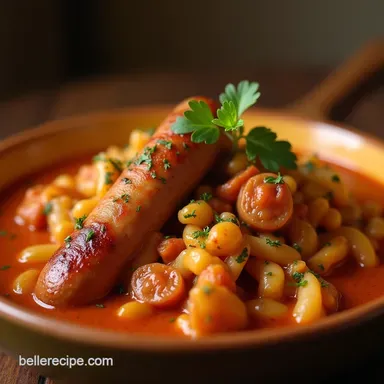
Onepot Wonder Authentic Louisiana Smoky Chicken Sausage Jambalaya
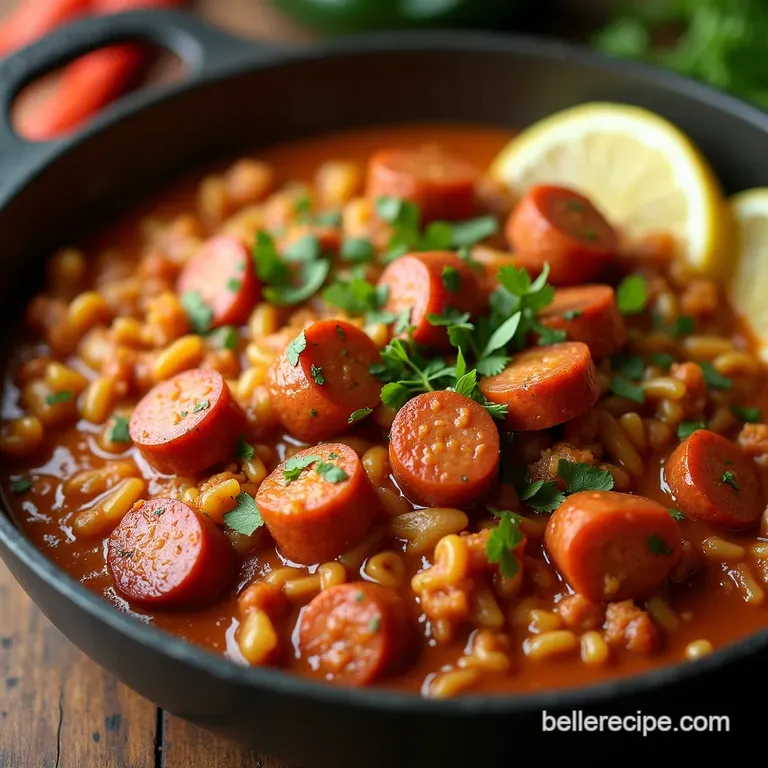
- Unlocking the Soul of Louisiana: Why This Jambalaya Hits Different
- The Essence of Smoky Southern Comfort in One Pot
- Assembling Your Cast of Culinary Characters
- The Master Sequence: Building Layers of Savoury Depth
- Elevating Your Leftovers: Making Day-Two Jambalaya Sing
- Customizing Your Pot: Creative Ingredient Swaps and Additions
- Recipe FAQs
- 📝 Recipe Card
Unlocking the Soul of Louisiana: Why This Jambalaya Hits Different
Few dishes evoke the vibrant, complex spirit of Louisiana quite like Jambalaya. It is more than just a rice dish; it’s a communal history lesson served steaming hot in a single pot.
While many associate this culinary masterpiece with its close cousin, gumbo, understanding the subtle yet significant differences is key to appreciating its unique charm. This definitive Jambalaya recipe aims to deliver that authentic, smoky comfort that makes people close their eyes in satisfaction after the first bite.
Forget fussy, multi-pan meals; we are diving into the world of the one pot jambalaya , where every component melds into a unified, flavour-packed experience. This is hearty, soulful cooking that requires attention to layering but rewards you tenfold.
The Essence of Smoky Southern Comfort in One Pot
What sets a truly memorable Jambalaya apart? It’s the deep, resonant flavour achieved by properly rendering the meats and creating a dark, flavourful foundation before any liquid hits the pan.
We are aiming for a rich profile that hints at smoke and spice, a smoky jambalaya that satisfies deeply without scorching the palate of the novice cook. The magic lies in technique, not necessarily in exotic ingredients.
We are utilizing humble, accessible components, chicken thighs and quality smoked sausage, and coaxing incredible depth from them. This particular easy jambalaya recipe is constructed to simplify that complex flavour development, ensuring your first attempt is a resounding success.
A Deep Dive into Authentic Flavour Building
The critical first steps involve searing the Andouille sausage to release its spicy, smoky fat, followed immediately by browning the chicken thighs. These browned bits, the fond —stuck to the bottom of your pot are pure gold.
We don't just stir them in later; we intentionally lift them by gently sautéing our vegetables directly in that flavourful fat. This process of building layers is what differentiates a decent rice dish from truly great Jambalaya rice .
Setting Expectations: Spice Level for the Aspiring Southerner
We must strike a balance. While Louisiana cuisine demands heat, a recipe designed for general appeal should be approachable. This version incorporates half a teaspoon of cayenne pepper, which offers a noticeable warmth, a gentle nudge rather than a full-blown blast.
If you crave more intensity, you can certainly adjust that Jambalaya seasoning upward, perhaps adding a splash of hot sauce during the final stir, but the base flavour profile remains robust and savoury regardless of the capsaicin level.
The 'Holy Trinity' of Cajun Cooking Explained
No discussion of authentic Louisiana cooking is complete without saluting the 'Holy Trinity': onion, celery, and green bell pepper. In this recipe, these three form the aromatic backbone.
They must be diced finely and cooked down slowly until they are meltingly soft, transforming from raw crunch to sweet, fragrant carriers of flavour. Patience here prevents a watery, thin result later on; softened vegetables integrate seamlessly into the final Jambalaya rice .
Assembling Your Cast of Culinary Characters

For our definitive One-Pot Wonder: Authentic Louisiana Chicken & Sausage Jambalaya , we’ve chosen ingredients specifically for their ability to hold up during the long simmer and contribute maximum flavour.
We start with 1.5 pounds of boneless, skinless chicken thighs, cut into one-inch cubes, thighs are non-negotiable for their superior moisture retention. Paired with a pound of sliced, smoked Andouille sausage, we have a dynamic duo of protein providing both fat and intense, cured flavour.
Sourcing the Right Proteins for Peak Flavour
The sausage is the flavour anchor. If authentic Andouille isn't available, opt for a high-quality smoked sausage that offers a good spice kick. The key is that smokiness; it deepens the overall profile beautifully. When browning these meats, remember to remove them promptly after searing.
We want the fat rendered and the outside beautifully coloured, not cooked entirely through, as they will finish cooking gently with the rice.
Essential Aromatics and Liquids Checklist
Beyond the Trinity, we rely on four cloves of minced garlic, which we toast briefly to release its aroma. For liquids, we use a standard 14.5-ounce can of fire-roasted or plain diced tomatoes (undrained, for moisture and acid), 4 cups of low-sodium chicken stock, warmed slightly to prevent shocking the pot, and a tablespoon of Worcestershire sauce for that crucial umami depth.
These ingredients combine in the simmering stage to create the rich broth necessary for perfectly cooked Jambalaya rice .
Selecting Your Rice: The Unsung Hero of Jambalaya
Perhaps the most critical choice is the grain itself. We strictly use uncooked long-grain white rice for this dish. A common beginner mistake is rinsing the rice before adding it. Resist this urge!
We need the surface starch of the unwashed grains to help thicken the cooking liquid just enough so that the final dish is creamy, not soupy. Rinsing removes that essential thickening agent.
Recommended Tools for One-Pot Perfection
While you could attempt this in a very large saucepan, the superior heat retention and even cooking of a large, heavy-bottomed Dutch oven (5-6 quart size is ideal) is highly recommended. This stability prevents hot spots that can scorch the bottom layer of rice while the top remains undercooked.
A tight-fitting lid is also essential for trapping the steam needed to cook the rice evenly.
The Master Sequence: Building Layers of Savoury Depth
Jambalaya is less about improvisation and more about following a precise sequence that builds flavour from the ground up. Think of it as theatrical staging: each element must enter and perform its role at the correct time.
Phase One: Browning the Meats and Sautéing the Vegetables
Start over medium-high heat. Render the sausage first until well-browned, then remove it, leaving about two tablespoons of the rendered fat behind. Sear the seasoned chicken cubes quickly on all sides until golden, again, remove them.
Now, turn the heat down to medium and introduce the diced onion, celery, and pepper. Sweat these vegetables slowly for a full 8 to 10 minutes, gently scraping the bottom of the pot to lift those delicious browned bits.
This scraping action is fundamental; it integrates flavour from the meat directly into the vegetable base.
Creating the Flavour Base: Toasting the Spices and Deglazing
Once the Trinity is soft, create a small clearing in the centre of the pot. Add your garlic, smoked paprika, dried thyme, salt, pepper, and cayenne. Toasting these spices for just 60 seconds releases their essential oils, intensifying their fragrance before they are mixed throughout.
Next, stir in the undrained diced tomatoes and Worcestershire sauce, scraping vigorously one last time to lift any remaining fond . This concentrated vegetable-spice mixture is the heart of our smoky jambalaya .
The Critical Step: Managing the Liquid-to-Rice Ratio
Return the reserved sausage and chicken to the pot. Stir in the 2 cups of unwashed rice until every grain is coated in the thick, seasoned base. Now, carefully pour in the warmed chicken stock. Bring the entire mixture to a full, rolling boil. This high initial heat is necessary to ensure even cooking later.
Once boiling vigorously, stir once to ensure the rice is evenly submerged, and immediately reduce the heat to the absolute lowest setting possible.
The Final Rest: Allowing the Flavours to Mingle
Cover the pot tightly and let it simmer undisturbed for precisely 20 minutes. Do not lift the lid! Peeking releases steam and compromises the cooking environment.
Once the time is up, remove the pot entirely from the heat source, but keep the lid on for an additional 10 minutes. This final resting period allows residual steam to perfectly fluff the rice grains and encourages the flavours to fully marry without the risk of scorching the bottom layer.
Elevating Your Leftovers: Making Day-Two Jambalaya Sing
While Jambalaya is best eaten fresh, leftovers are fantastic, though the texture tightens up overnight. To revive day-two portions, reheat gently on the stovetop over low heat, adding a tablespoon or two of stock or water per serving to restore moisture.
Alternatively, it transforms beautifully into Jambalaya pasta when tossed with a creamy sauce base and perhaps a little extra smoked sausage.
Customizing Your Pot: Creative Ingredient Swaps and Additions
This recipe is remarkably adaptable. If you’re looking to increase complexity, consider adding a few dashes of file powder right before serving for an earthy, thickening note characteristic of older Creole styles.
Troubleshooting Common Cooking Hurdles
The most common issue is scorched rice. If you smell burning, immediately pull the pot off the heat, gently scrape the unburnt portion into a separate clean pot, adding a small splash of stock, and cover to steam.
If your rice is too dry before 20 minutes is up, add ¼ cup of hot stock and continue simmering gently. If it is too wet after the resting period, leave the lid off and gently simmer uncovered for another 5 minutes to evaporate excess liquid.
Storage Guidelines for Maximum Freshness
Store cooled leftovers in an airtight container in the refrigerator for up to 4 days. If freezing, it’s best to freeze portions immediately after cooking and cooling, as the texture of the rice can degrade slightly after thawing, though it remains perfectly safe and delicious.
Exploring Seafood or Vegetarian Takes on this Classic
For a lighter touch, consider a Gulf Coast adaptation. Substitute the chicken entirely with firm white fish (like cod or snapper) or substitute half the meat with large shrimp. If opting for seafood, add shrimp only during the final 5 minutes of the covered cooking time, or during the resting phase to prevent rubbery texture.
For a vegetarian option, omit the meats and use smoked paprika heavily, incorporating sautéed mushrooms and perhaps diced zucchini for bulk and umami, ensuring you use vegetable stock.
Serving Suggestions to Complete the Mardi Gras Experience
A big bowl of this savoury Jambalaya deserves sides that complement its robust nature. Pair it with warm, slightly sweet cornbread, essential for soaking up any residual broth.
A simple, sharp green salad dressed with a light vinaigrette provides a necessary acidic counterpoint to the richness of the sausage and rice. And, of course, serve it with an ice-cold local beer to truly complete your journey into Louisiana flavour country.
Recipe FAQs
What exactly is the "Holy Trinity" in this Jambalaya recipe, and why can't I skip it?
The Holy Trinity refers to the combination of diced onion, celery, and bell pepper. It’s the aromatic bedrock of Cajun and Creole cooking, much like the mirepoix in French cuisine.
Sautéing these three slowly until they are very soft builds a deep, sweet flavour base, ensuring your Jambalaya isn't just spiced rice, but a properly layered dish.
My rice seems mushy! Did I mess up the liquid ratio when making Jambalaya?
Mushy rice usually means one of two things: you either added too much stock, or you stirred the pot too much during the simmering phase. For this recipe, stick strictly to the 2:1 liquid-to-rice ratio (4 cups stock to 2 cups rice), and once covered, absolutely do not lift that lid or stir!
Let it steam undisturbed for those crucial 20 minutes.
I can't find Andouille sausage; what's the best substitute for my Jambalaya?
If you’re in a pickle and can’t source authentic Andouille, go for a high-quality, heavily smoked Kielbasa or smoked Polish sausage. While it won't give you that exact cayenne kick of true Andouille, it will still provide the necessary smokiness and rendered fat we need to flavour the rice.
Just make sure to brown it well at the start!
How should I store leftover Jambalaya, and can I freeze it?
Leftovers are fantastic the next day, it often tastes even better once the flavours have settled! Store cooled leftovers in an airtight container in the fridge for up to 3-4 days. Yes, you can freeze it; portion it out before freezing.
It keeps well in the freezer for about 2 months, though try to use it within a month for the best texture.
Can I make a seafood version of this Jambalaya, and when do I add the shrimp?
Absolutely, a seafood version is a cracking choice! If you swap out some of the chicken for shrimp (about 1 lb should do it), you must add them late. Shrimp cook in minutes. After you remove the pot from the heat (Step 9) and let it rest, gently fold in the raw shrimp.
The residual heat will steam them perfectly in about 5-7 minutes, keeping them tender.
Authentic Smoky Chicken Sausage Jambalaya Recipe