Kosher Dill Pickles: Shatter Crisp
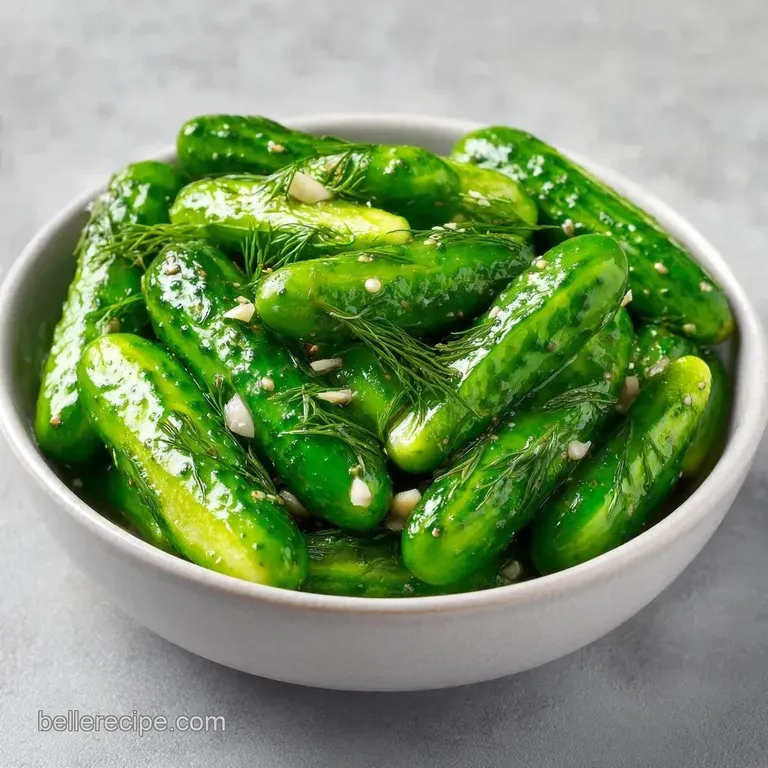
- Time: 15 min active + 24 hours chilling
- Flavor/Texture Hook: Shatter crisp texture with a sharp, garlicky punch
- Perfect for: Sandwich toppers, snack platters, or a tangy palate cleanser
The loud, satisfying snap of a cold pickle is one of my favorite sounds in the kitchen. For a long time, I thought you needed those giant ceramic crocks and a month of patience to get that authentic deli taste. I used to think "real" pickles had to be fermented for weeks in a dark cellar to be legit.
But here is the truth: you don't need to wait a month for a great crunch. By using a specific brine temperature and the right cucumber variety, you can get that classic flavor in a fraction of the time. These Kosher Dill Pickles aren't about fancy chemistry, just simple ingredients and a cold fridge.
You can expect a pickle that is bright, salty, and deeply aromatic. We are going to focus on the contrast between the sharp vinegar and the earthy dill. It is a refreshing, comforting snack that makes any sandwich feel like it came from a New York deli.
Kosher Dill Pickles
The secret to a great pickle is often what you don't do. Many people boil their cucumbers or use the wrong vinegar, which leads to a mushy mess. I once made a batch where I poured boiling brine directly onto the veg, and they turned into soggy sponges. Never do that.
Instead, we use a "warm pour" method. This allows the brine to penetrate the skin without cooking the cucumber. When you combine this with a 24 hour chill, you get a result that is velvety on the inside but has a skin that actually shatters when you bite into it.
If you enjoy this kind of quick preservation, you might also like my quick pickled radishes, which use a similar fast track method. Both are great for adding a bright, acidic pop to heavy meals.
The Truth About Brining
Osmosis: Salt draws water out of the cucumber cells, creating space for the vinegar and dill to move in.
Enzyme Block: Removing the blossom end stops the enzymes that naturally soften the vegetable.
Temperature Control: Cooling the jars quickly locks in the crispness and prevents the brine from "cooking" the produce.
Acid Balance: The vinegar creates an environment where flavor stays bright and the texture stays firm.
| Method | Prep Time | Texture | Best For |
|---|---|---|---|
| Fresh Fridge | 15 mins | Shatter crisp | Immediate snacking |
| Traditional Ferment | 2-4 weeks | Soft crunch | Probiotic benefits |
| store-bought | 0 mins | Often rubbery | Emergency use |
Component Analysis
| Ingredient | Science Role | Pro Secret |
|---|---|---|
| Kirby Cucumber | Structure | Small, thick skins prevent sogginess |
| White Vinegar | Acidifier | Distilled vinegar gives the cleanest "sharp" taste |
| Kosher Salt | Draw/Cure | Coarse grains dissolve better without clumping |
| Fresh Dill | Aromatics | Roughly chop to release oils without bruising |
Ingredients
- 2 lbs Kirbys or Persian cucumbers, sliced into spears or coins Why this? Thicker skins keep the crunch
- 4 cloves garlic, smashed Why this? Smashed cloves release more allicin
- 1/2 cup fresh dill, roughly chopped Why this? Freshness beats dried every time
- 1 tbsp dill seeds Why this? Adds a deep, earthy baseline
- 1 cup white distilled vinegar Why this? Consistent acidity for safety and taste
- 1 cup filtered water Why this? No chlorine to interfere with flavor
- 2 tbsp kosher salt Why this? No additives like iodine that cloud brine
- 1 tsp granulated sugar Why this? Balances the harshness of the vinegar
- 1 tsp black peppercorns Why this? Subtle heat and woody notes
| Original Ingredient | Substitute | Why It Works |
|---|---|---|
| White Vinegar (1 cup) | Apple Cider Vinegar (1 cup) | Milder acid. Note: Adds a fruity sweetness and amber color |
| Fresh Dill (1/2 cup) | Dried Dill (2 tbsp) | Concentrated flavor. Note: Less bright than fresh |
| Granulated Sugar (1 tsp) | Honey (1 tsp) | Natural sweetener. Note: May cloud the brine slightly |
Equipment Needed
You don't need a professional kitchen for this. Two 32 oz wide mouth Mason jars are the gold standard because they make packing the cucumbers much easier. A small saucepan for the brine and a sharp chef's knife are the only other essentials.
Trust me on the wide mouth jars. Trying to cram spears into narrow jars is a recipe for frustration and bruised cucumbers. You want a tight fit, but you don't want to force them to the point where they crack.
Step by step Guide
Phase 1: Prepping the Produce
Wash the cucumbers thoroughly. Slice off approximately 1/16th of an inch from the blossom end of each cucumber to remove softening enzymes. Cut the cucumbers into spears or thick rounds.
Phase 2: Jar Setup
Distribute the smashed garlic, chopped fresh dill, and dill seeds evenly between two 32 oz wide mouth Mason jars. Note: Placing aromatics at the bottom ensures they mingle with the brine
Phase 3: Brewing the Brine
In a small saucepan, combine filtered water, white distilled vinegar, kosher salt, sugar, and black peppercorns. Heat over medium heat, stirring occasionally until salt and sugar are completely dissolved, then remove from heat immediately.
Phase 4: The Cold Soak
Pack the cucumbers tightly into the jars. Pour the warm (not boiling) brine over the cucumbers, leaving 1/2 inch of headspace at the top. Seal the lids tightly and let jars sit on the counter until they reach room temperature.
Phase 5: The Chill Period
Transfer the jars to the refrigerator and chill for at least 24 hours to allow peak flavor and texture development. Wait until the 24 hour mark for the most intense taste.
Fixing Common Pickle Problems
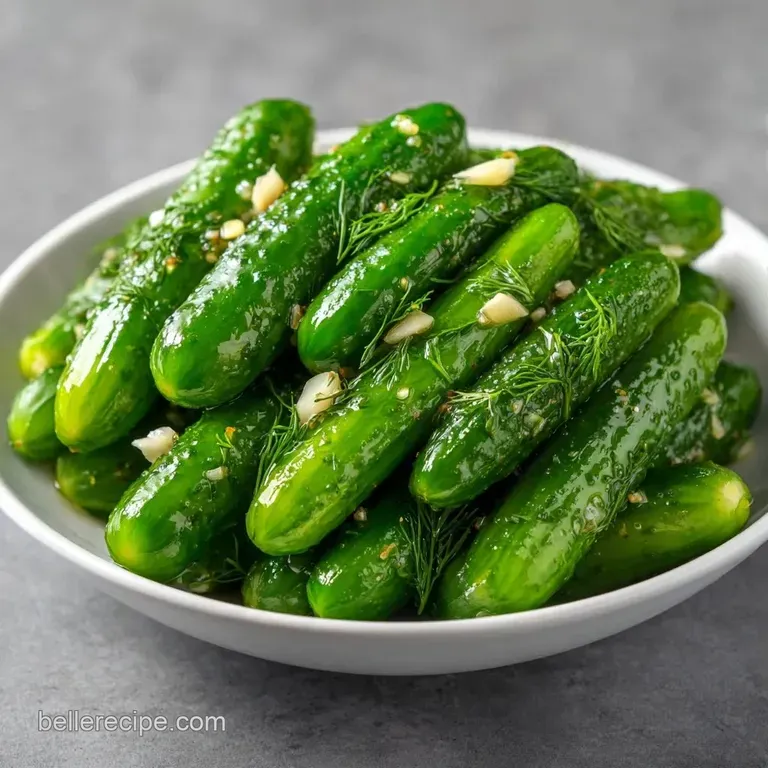
Troubleshooting Common Issues
| Issue | Solution |
|---|---|
| Why Your Pickles Are Soft | This usually happens because of the blossom end enzymes or using a boiling brine. If the cucumber is "cooked" by the liquid, the cell walls collapse. |
| Why the Brine Is Cloudy | Cloudiness can come from using tap water with high mineral content or non kosher salt. It doesn't affect the taste, but it looks less clean. |
| Why the Flavor Is Weak | If you didn't pack the cucumbers tightly enough, they may not be fully submerged. Any cucumber poking above the brine line won't pickle properly. |
Common Mistakes Checklist
- ✓ Trimmed the blossom end of every cucumber
- ✓ Used Kirbys or Persians, not English cucumbers
- ✓ Brine was warm, not boiling, when poured
- ✓ Jars were chilled for a full 24 hours
- ✓ Cucumbers are fully submerged in liquid
Adjusting the Batch
If you're making a smaller batch, just halve everything. Use smaller jars to ensure the cucumbers stay submerged. If you use a larger jar for a small batch, the liquid won't cover the produce and they'll spoil.
For those making a double or triple batch of these Kosher Dill Pickles, don't just multiply the salt and spices by three. I've found that salt and dill seeds can become overpowering in large volumes. Multiply the liquids and cucumbers by 3, but only increase the salt and spices to 2x or 2.5x.
If you're using a larger pot to boil the brine, keep a close eye on the timer. Larger volumes of liquid hold heat longer, so you might need to let the brine sit for an extra 5 minutes before pouring to avoid softening the veg.
Pickle Lore and Truths
One common myth is that you must "cure" cucumbers in salt for hours before adding vinegar. While this helps in traditional fermentation, it's unnecessary for fridge pickles. The warm brine does the work quickly enough.
Another misconception is that adding sugar makes a pickle "sweet." A single teaspoon of sugar in this recipe doesn't make it a Bread and Butter pickle. Instead, it just rounds off the sharp edges of the vinegar so the dill can shine.
Finally, some believe that the jars must be sterilized in boiling water. Since these are fridge pickles and not shelf stable canned goods, a clean jar is plenty. Just make sure they are washed with hot, soapy water.
Freshness and Waste
Store these in the refrigerator. They will stay at peak crispness for about 3-4 weeks. After that, they're still safe to eat, but the texture will slowly soften.
Don't throw away the leftover brine! It is basically a seasoned salt and vinegar concentrate. I love using it as a base for potato salad or adding a splash to a Bloody Mary. If you're into smoking meats, a little of this brine is a great addition to a salmon brine for an extra acidic kick.
If you have a few lonely pickle spears left at the bottom of the jar, chop them up and toss them into a tuna salad or a chicken salad. The acidity cuts through the mayo perfectly.
Best Pairings
These Kosher Dill Pickles are a total powerhouse when paired with rich, fatty foods. I always serve them alongside a grilled smash burger or a platter of cured meats and cheeses. The vinegar cleanses the palate between bites of fat.
For a cozy snack, try them with some sharp cheddar cheese and a handful of salty almonds. If you're feeling traditional, a side of these with a Reuben sandwich is the only way to go.
Right then, you've got everything you need. Just remember: trim that blossom end, don't boil the cucumbers, and give them a full day in the fridge. Trust me, the wait is worth it for that first, loud crunch. Let's crack on!
High in Sodium
1026 mg 1026 mg of sodium per serving (45% 45% of daily value)
The American Heart Association recommends a daily sodium limit of 2,300 mg to help maintain healthy blood pressure levels.
Tips to Reduce Sodium
-
Reduce Kosher Salt-30%
Cut the kosher salt amount in half to 1 tablespoon. This is the primary sodium source and the most effective way to lower the overall count.
-
Use Salt Substitutes-25%
Replace a portion of the kosher salt with a potassium based salt substitute to maintain the brining effect with less sodium.
-
Increase Acidity-15%
Add a small amount of lemon juice or apple cider vinegar to the brine. Increased acidity can mimic the sharp taste of salt, allowing you to use less of it.
-
Enhance Aromatics
Double the amount of fresh dill and smashed garlic. Adding more herbs and spices provides a bold flavor profile that distracts from the reduction in salt.
Recipe FAQs
How to make simple dill pickles?
Pack sliced cucumbers into jars with garlic, dill, and dill seeds. Pour over a warm brine of water, vinegar, salt, sugar, and peppercorns, then chill for 24 hours.
How to ensure pickles stay crunchy and not soft?
Slice 1/16th of an inch off the blossom end of each cucumber. This removes softening enzymes that otherwise cause the cell walls to collapse.
How to make homemade dill pickle juice?
Simmer filtered water, white distilled vinegar, kosher salt, sugar, and black peppercorns. Stir until the salt and sugar are completely dissolved, then remove from heat immediately.
Is it true that boiling the brine is the best way to preserve crunch?
No, this is a common misconception. Pouring boiling brine over cucumbers can "cook" them, resulting in a soft texture instead of a crisp snap.
What is the best way to prepare cucumbers for pickling?
Wash them thoroughly and cut into spears or thick rounds. Always remove the blossom end to prevent the pickles from softening during the chilling process.
Why is my pickle brine cloudy?
Use filtered water and kosher salt to maintain clarity. High mineral content in tap water or additives in table salt often create a hazy appearance.
What are some delicious ways to serve homemade pickles?
Pair them with sandwiches or use them as a tangy addition to cold dishes. They provide a sharp, acidic contrast when served alongside a classic Italian pasta salad.
Kosher Dill Pickles in 20 Minutes