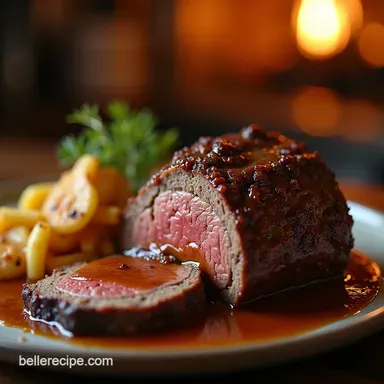
Pub Classic Slowsmoked Chuck Roast with Savoury Gravy
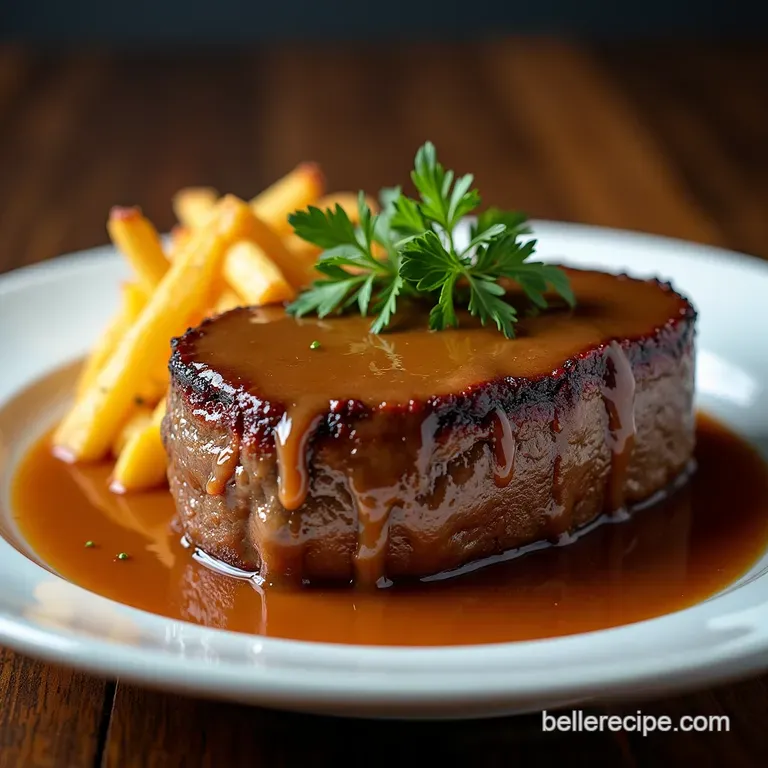
- Unveiling the Ultimate Comfort: Mastering the Slow-Smoked Chuck Roast
- From Tough Cut to Tender Triumph: The Magic of Low-and-Slow Smoking
- The Building Blocks: Essential Components for Your Smoked Chuck Roast
- Phase One: Preparing the Chuck for its Smoky Journey
- Phase Two: Achieving Perfection: The Low-and-Slow Smoking Protocol
- Maximizing Flavour and Longevity: Tips and Tricks
- Beyond the Smoke Ring: Serving Suggestions and Gravy Mastery
- Recipe FAQs
- 📝 Recipe Card
Unveiling the Ultimate Comfort: Mastering the Slow-Smoked Chuck Roast
There are few culinary experiences that rival the sheer satisfaction of breaking down a tough cut of meat over hours of gentle, smoky heat. Forget dry pot roasts cooked in liquid; we are elevating this humble cut to smoky perfection.
This comprehensive guide details how to transform a simple Smoked Chuck Roast into the centerpiece of a spectacular meal. Think of this process as embracing the weekend, allowing time to coax incredible flavour out of beef that traditionally requires long braising.
We are aiming for that signature fall-apart texture that melts in your mouth, infused with a deep, woodsy aroma that signals serious barbecue is underway.
From Tough Cut to Tender Triumph: The Magic of Low-and-Slow Smoking
Chuck roast, sourced from the shoulder area of the cow, is incredibly flavourful due to its high concentration of connective tissue and marbling. While traditional cooking methods stew this meat into submission, smoking allows us to render that collagen slowly into luxurious gelatin while simultaneously bathing the exterior in smoke.
This smoked chuck roast recipe is designed specifically to exploit this transformation, resulting in meat that rivals the richness of a slow-smoked brisket but with the unique, beefy profile of the chuck cut.
Why This Chuck Roast Reigns Supreme Over Traditional Pot Roasts
The fundamental difference lies in moisture retention and flavour depth. A pot roast swims in liquid, steaming the meat and washing away surface flavour. In contrast, our low-and-slow method uses smoke infusion as the primary flavour driver, aided by a bold dry rub.
When cooked properly, this Smoked Chuck Roast boasts a phenomenal smoke ring, a deep, flavourful bark, and retains juices because the connective tissues break down internally rather than relying on external moisture. It truly is a richer, more complex outcome.
Setting the Stage: What Makes This Barbecue Recipe Essential
This preparation is essential because it delivers maximum payoff for moderate hands-on effort. With about 25 minutes of active preparation, trimming, tying, and rubbing, the rest is patiently managed by your smoker.
Whether you are firing up a smoked chuck roast pellet grill or an offset smoker, the low heat ( 225° F to 250° F) is key to achieving that coveted texture.
This method stands out as a weekend warrior recipe, yielding 6 to 8 generous servings perfect for family gatherings.
The Desired Outcome: Fall-Apart Texture Meets Deep Smoke Infusion
When you finish this cook, you should expect a deep mahogany bark forming on the exterior, thanks to the sugars and spices in the rub caramelizing over the hours. Internally, the meat must be "probe tender", meaning a temperature probe slides in and out of the thickest part of the roast with virtually no resistance, usually achieved around the smoked chuck roast temp of 200° F to 205° F.
This signifies that the tough collagen has fully converted, guaranteeing the tender, shreddable meat that defines great barbecue.
The Building Blocks: Essential Components for Your Smoked Chuck Roast
A truly great smoke starts long before the fire is lit. It relies on the quality of the beef, the complexity of the seasoning, and the right tools for the job. We need a robust dry rub to form that protective bark and flavour crust, a sturdy piece of meat that can withstand the long cook, and a plan for finishing the cook to maximize tenderness.
Crafting the Signature All-Purpose Beef Rub
The dry rub is the key to developing the exterior crust, or 'bark.' For this roast, we combine savory, sweet, and spicy elements. Start by mixing 1/4 cup of coarse salt with 3 tablespoons of dark brown sugar, 2 tablespoons of smoked paprika (which enhances the overall smoky profile), 1 tablespoon each of coarse black pepper and garlic powder, 1 teaspoon of onion powder, and optionally, a teaspoon of cayenne pepper for a gentle warmth.
This blend adheres beautifully and caramelizes perfectly during the long smoke.
Mandatory Equipment Checklist for Successful Smoking
To execute this perfectly, you'll need a reliable outdoor smoker capable of holding a steady low temperature, whether it's a kettle, offset, or a dedicated smoked chuck roast Traeger setup.
Crucially, you must have a reliable digital meat thermometer to monitor the smoked chuck roast temp accurately. On top of that,, have heavy-duty aluminium foil ready for the wrapping stage, which is vital for pushing through the stall.
Sourcing the Perfect Chuck Roast: Weight and Marbling Matters
Aim for a boneless or bone-in chuck roast weighing between 3 and 4 pounds. Look for good marbling, those thin veins of intramuscular fat are what will render down, keeping the final shredded meat moist.
If the roast is irregularly shaped, take a few minutes with butcher’s twine to tie it into a more uniform cylinder; this ensures every section cooks at the same rate, preventing thin edges from drying out before the centre is done.
Beyond the Beef: Components for the Savoury Pan Gravy Finish
While the beef is the star, the finishing gravy seals the deal. This gravy relies on those precious drippings collected during the cook and rest. You'll need standard roux ingredients: butter and all-purpose flour to thicken, high-quality beef broth for volume, and a splash of Worcestershire sauce to deepen the umami flavour profile inherent in the beef.
Related Recipes Worth Trying
- My Secret for Crispy Peanuts Honey Roasted Planters Style Only Better — Forget the shopbought stuff This easy recipe for peanuts honey roasted delivers maximum crispness and that perfect sweet and salty peanut glaze DIY party...
- Roasted Delicata Squash Maple Cinnamon Autumn Delight — My secret to perfect delicata squash roasted A maplecinnamon glaze This autumn side dish is easy delicious and ready in under an hour Get the recipe now
- HoneyGlazed Roast Delicata Squash My Autumn GoTo — This honeyglazed roast delicata squash recipe is autumn on a plate Easy delicious ready in under an hour Toasted pecans sage make it extra special Get the...
Phase One: Preparing the Chuck for its Smoky Journey
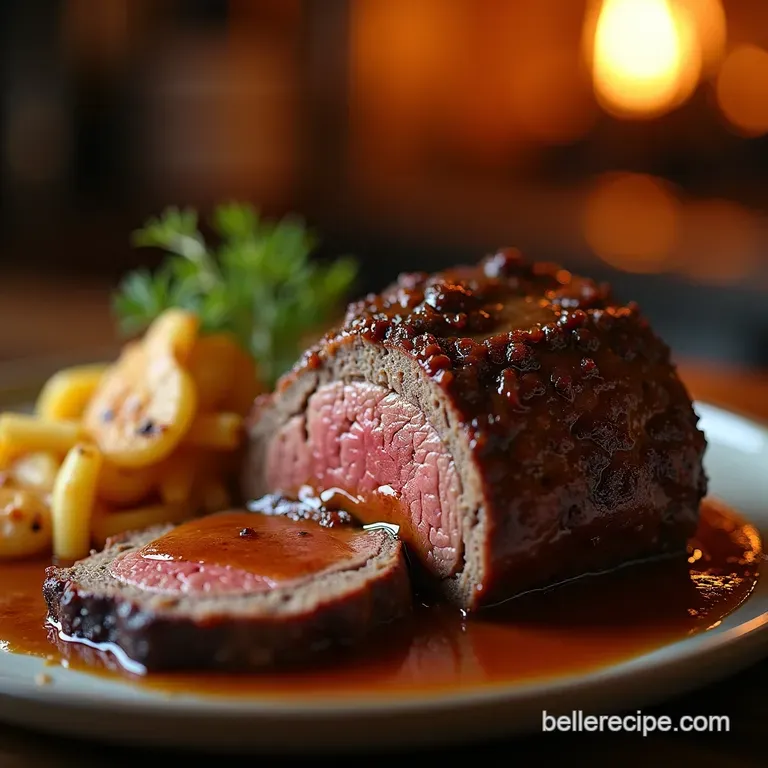
Preparation is non-negotiable for maximizing smoke absorption. First, pat the chuck roast completely dry using paper towels; moisture impedes smoke adherence. After trimming any overly thick fat caps (leaving about a quarter-inch is ideal), lightly coat the entire surface with a neutral oil like vegetable oil, this acts as the binder.
Then, generously apply the prepared dry rub, pressing it firmly into every surface of the meat. For the absolute best results, wrap the seasoned roast loosely in plastic wrap and refrigerate it overnight (a minimum of four hours is recommended).
This chilling period allows the salt in the rub to penetrate the muscle fibres and creates a dry exterior surface, known as the pellicle, ready to catch the smoke beautifully.
Phase Two: Achieving Perfection: The Low-and-Slow Smoking Protocol
This is where the patience pays off. We are moving the roast from the cooler environment straight into the controlled heat of the smoker, managing the temperature meticulously to achieve both smoke penetration and tenderization.
Applying the Dry Rub: Ensuring Maximum Surface Adhesion
As detailed above, the oil binder ensures the dry rub sticks robustly. Ensure the rub application is even and generous; don't be shy. A heavy layer is necessary to form the necessary bark that protects the meat during the long cooking time.
If you are preparing smoked chuck roast tacos , you will shred this flavour-packed meat later, meaning the rub must penetrate deeply.
Setting Up Your Smoker: Temperature Targets and Wood Selection (Hickory Recommended)
Preheat your smoker to a consistent temperature range between 225° F ( 107° C) and 250° F ( 121° C).
For wood, hickory is a fantastic choice for beef, providing a clean, strong smoke profile that stands up well to the richness of the chuck. Oak is another excellent, milder alternative. If using a pellet grill, ensure the smoke setting is engaged to produce consistent smoke throughout the initial phase.
Monitoring Internal Progress: Hitting the Stall and Beyond
Place the roast directly on the grates. The initial phase is dedicated to smoke flavour and bark formation, continuing until the internal temperature reaches approximately 160° F ( 71° C).
At this point, the meat will likely hit the "stall," where the internal temperature plateaus for hours as surface moisture evaporates. This is the perfect time to transition to the wrapping stage.
The Essential Texas Crutch: Wrapping for Tenderness
Once the roast hits 160° F, it’s time for the "Texas Crutch." Carefully transfer the roast to heavy-duty aluminium foil or butcher paper. Before sealing, add about 1/4 cup of beef broth or apple juice into the wrap to introduce steam, helping to break down that remaining connective tissue.
Seal the package tightly and return it to the smoker. Continue cooking until the probe slides in easily, ideally reaching a smoked chuck roast temp of 200° F to 205° F.
This wrapped stage is crucial for achieving smoked chuck roast like brisket tenderness.
Maximizing Flavour and Longevity: Tips and Tricks
Troubleshooting Common Issues in the Smoking Process
The most common issue is the stall lasting too long or the exterior drying out before the internal temperature rises. If the bark appears too dark or dry during the unwrapped phase, you can place the roast in a foil pan with a little liquid before 160° F, though this slightly inhibits bark development.
If you encounter excessive temperature swings, add a water pan to your smoker setup to help stabilize the thermal environment.
Resting Rituals: Why A Long Wait Guarantees Better Results
Once the roast hits that final target temperature, remove it from the heat, ensuring you keep all the juices trapped inside the foil package. Rest the tightly wrapped roast on the counter for a minimum of 45 minutes, or even up to 90 minutes if your schedule allows.
This resting period allows the muscle fibres to relax and redistribute moisture absorbed during the high-heat finish, ensuring every shred remains succulent.
Creative Ways to Repurpose Leftover Smoked Chuck Roast
While it’s heavenly fresh, this smoky beef keeps well and is incredibly versatile. Leftovers are perfect for quick weeknight meals. They are fantastic when piled high onto toasted buns for a rustic barbecue sandwich, diced into hearty chili, or shredded and repurposed for incredible smoked chuck roast tacos topped with fresh cilantro and sharp onions.
Elevating the Gravy: Incorporating Juices for Unbeatable Richness
The gravy truly elevates this dish from excellent to unforgettable. After resting the roast, carefully pour all the accumulated liquids from the foil and cutting board into a small saucepan. Create a roux by melting 2 tablespoons of butter and whisking in 2 tablespoons of flour until smooth.
Slowly whisk in the reserved beef drippings, followed by 2 cups of fresh beef broth and a dash of Worcestershire sauce. Simmer until thickened. This gravy, rich with rendered fat and concentrated beef flavour, is the perfect counterpart to tender smoked meat.
Beyond the Smoke Ring: Serving Suggestions and Gravy Mastery
Serve generous portions of the shredded smoked chuck roast piled high over creamy mashed potatoes or alongside thick-cut oven fries. Ensure every serving gets a proper ladle of that glorious, house-made pan gravy.
This robust, slow-smoked meat also lends itself beautifully to unique preparations, such as smoking the meat until shreddable, then cutting some of the resulting beef into cubes and finishing those cubes on the grill for smoky smoked chuck roast burnt ends —a truly decadent treat utilizing every part of the roast.
Enjoy the fruits of your patience; this is comfort food defined.
Recipe FAQs
How long does it really take to smoke a Smoked Chuck Roast?
Patience is key, mate! While the active prep is quick, the smoking itself will take anywhere from 6 to 8 hours, depending on the size of your joint and how steady your smoker temperature is. Remember, the total time quoted includes the crucial resting period after cooking, so clear your whole afternoon!
My roast seems stuck at 160°F, is it ruined? What is the "stall"?
Not ruined at all; that's just the dreaded 'stall' where the moisture evaporating from the meat cools it down, it’s perfectly normal for brisket and chuck. The best remedy, as per the recipe, is to wrap it tightly in foil (the "Texas Crutch") at this point to push through the stall and reach that tender final temperature of 200°F.
Can I use a different wood chip for smoking my chuck roast?
Absolutely! While Hickory or Oak gives you that classic, robust smoke flavour reminiscent of a good pub barbecue, Cherry or Apple wood are brilliant if you want a slightly sweeter, milder profile. Avoid overly strong woods like Mesquite unless you really love an overpowering smoke flavour.
What's the best way to serve this Smoked Chuck Roast to make it proper comfort food?
You simply can’t beat serving this over a generous mound of buttery mashed potatoes; it’s practically a law! Make sure you drizzle plenty of that beautiful, rich gravy right over the top so it soaks right in. A side of sharp, vinegary coleslaw helps cut through the richness beautifully.
How should I store any leftover Smoked Chuck Roast?
If you're lucky enough to have leftovers, store the shredded meat and the gravy separately in airtight containers in the fridge for up to four days. Freezing works brilliantly too; freeze the meat tightly wrapped, and you can freeze the gravy separately in small portions for speedy future meals!
If I don't have a smoker, what's the best oven substitute for this recipe?
If the weather is frightful and you must stay indoors, you can mimic this by cooking it low and slow in your oven at 250°F (121°C) in a covered Dutch oven until tender. For that vital hint of smoke, try placing a tray of soaked wood chips directly underneath the roasting pan for the first few hours!
The Ultimate Smoked Chuck Roast Recipe with Savoury Gravy