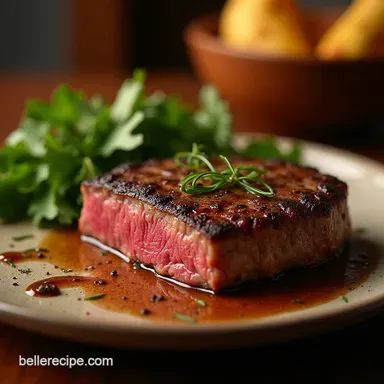
The Ultimate Seared Rib Cap Steak a Butchers Secret Weapon
- Unlocking the Myth: Why the Rib Cap Steak Reigns Supreme
- The Pinnacle of Marbling: Understanding Your Cut
- The Minimalist Pantry: What You Truly Need for Excellence
- The High-Temperature Dance: Achieving the Ultimate Maillard Reaction
- Elevating Your Steak Game: Advanced Flavor Variations
- Storing Leftovers: Maintaining the Tender Integrity
- Recipe FAQs
- 📝 Recipe Card
Unlocking the Myth: Why the Rib Cap Steak Reigns Supreme
If you consider yourself a true connoisseur of beef, you need to know about the Rib Cap Steak . This isn't just another premium cut; it’s often cited by butchers as the absolute best piece of meat on the entire steer.
Frequently hidden within or sliced from the larger ribeye primal, the Rib Cap Steak Cut is where the magic truly happens. It’s the small, crescent shaped muscle that runs along the top edge of the ribeye roll, known scientifically as the Spinalis Dorsi .
Because it has minimal connection to the connective tissues that require tough work during the animal’s life, it emerges incredibly tender and boasts a marbling density that rivals Wagyu.
Understanding why this specific muscle group is so coveted is the first step toward cooking the Best Rib Cap Steak Recipe .
The Pinnacle of Marbling: Understanding Your Cut
When you are searching for this magnificent steak perhaps looking for Rib Cap Steak for sale at your local specialty market you are seeking out intense intramuscular fat webbing.
This fat is what renders during cooking, bathing the muscle fibres in flavour and creating that signature buttery texture. Unlike the tougher outer muscle of the ribeye, the Cap is almost entirely pure tenderness.
Defining the Spinalis Dorsi: Texture and Flavour Profile
The Spinalis Dorsi truly defines luxury. Its texture is melt-in-your mouth tender, often approaching the silkiness of a tenderloin, yet it carries the deep, rich, beefy flavour profile characteristic of the rib section.
This unique combination supreme tenderness paired with intense flavour is why many argue that the Rib Cap Steak vs Ribeye debate is settled before it even begins; the cap is the superior part.
Expect a pronounced, nutty sweetness as the intramuscular fat breaks down during preparation.
Why High Heat Searing is Non-Negotiable for Perfection
Because the Rib Cap Steak is so gloriously marbled, it handles extremely high heat better than almost any other cut. Slow cooking methods would cause this exquisite fat to simply render out entirely, leaving less substance. Instead, we employ a quick, ferocious sear.
This intense heat application is crucial for triggering the Maillard reaction, which develops that deep, dark, savoury crust essential for texture contrast against the impossibly tender interior. This method is central to How to Cook Rib Cap Steak successfully.
Setting the Stage: Essential Prep Before You Cook
Preparation is non-negotiable for premium cuts. The absolute first step before attempting any Rib Cap Steak Recipe is allowing the meat to acclimate. Remove your steaks from refrigeration at least one hour before you plan to cook them.
This allows the internal temperature to rise slightly toward ambient temperature, ensuring more even cooking from edge to edge. Next,, achieving a truly professional crust demands a bone dry surface.
Pat the steaks thoroughly on all sides with paper towels to wick away any surface moisture; moisture actively steams the meat rather than searing it.
The Minimalist Pantry: What You Truly Need for Excellence
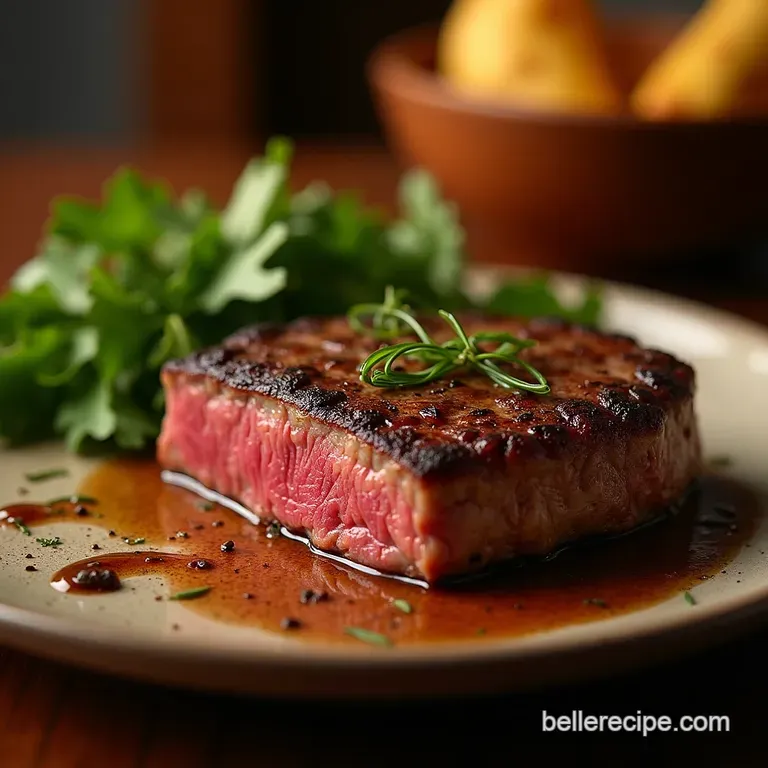
When dealing with a cut this inherently flavourful, the tendency to over season or over complicate the process is a common pitfall. The Rib Cap excels when treated minimally. We are merely enhancing its natural attributes, not masking them.
Think high-quality foundational ingredients that support the meat’s inherent richness.
Selecting Grade A Fat: The Only Seasoning Required
For the primary seasoning, skip the fine table salt. We require a coarse Kosher salt, applied generously. The large crystals adhere better to the surface and create microscopic pockets that encourage crust formation. Pair this with freshly cracked black pepper.
Do not worry about the Rib Cap Steak Price tag dictating overly delicate seasoning; this cut can handle robust salting because so much of the outer seasoning will fall away during the sear.
Choosing Your High Smoke Point Oil Wisely
The searing temperature required for a perfect crust exceeds the smoking point of standard olive oil. You must select a neutral oil with a high smoke point avocado oil or grapeseed oil are excellent choices.
These oils can handle the intense heat of a preheated cast iron pan without breaking down and imparting off-flavours to your beautiful steak. A small amount is all you need to coat the pan lightly.
Must Have Thermometer Settings for Medium Rare Success
Precision is paramount when cooking this incredible cut. Since we are aiming for that perfect, juicy pink centre, an instant read thermometer is not optional; it is essential. For a classic medium rare finish (which maximizes the texture of the Spinalis Dorsi ), you must pull the steak from the heat when the internal temperature reads approximately 125° F.
The resting process will carry the temperature up to the ideal 130– 135° F range, ensuring you avoid the dreaded overcooked grey band.
Related Recipes Worth Trying
- Best Citrus Carne Asada Recipe Easy Grilled Steak — Forget dry steak This Easy Carne Asada recipe features a zesty citrus marinade for unbelievably tender results Perfect for incredible Carne Asada tacos...
- Foolproof Steak Au Poivre Sauce Recipe Bistro Creamy Perfection — Master the classic steak au poivre sauce This punchy creamy recipe uses cognac to create a rich pan sauce that rivals any top restaurant Ready in 40 mins
- Sizzling Skirt Steak Fajitas TexMex Night Done Right — Get ready for a TexMex fiesta with these easy skirt steak fajitas Tender beef vibrant peppers onions a flavour explosion in every bite Your new goto
The High Temperature Dance: Achieving the Ultimate Maillard Reaction
The cook itself is a short, violent dance focused entirely on surface caramelization and even internal heat penetration. This is where technique truly shines in any Rib Cap Steak Recipe .
Mastering the Flip Sequence for Even Cooking
Consistency is key. While some chefs advocate for flipping only once, a balanced approach involves searing each side initially to establish the crust, followed by a baste that requires periodic turning. The goal is a deep, mahogany crust on both exterior faces.
Pre-Sear Stage: Bringing Your Rib Cap Steak to Ambient Temperature
As mentioned in preparation, ensure your steaks have rested out of the fridge for a full hour. A cold centre means a longer cook time, which risks overcooking the exterior before the interior reaches temperature equilibrium.
Step-by-step Searing: From Ice Cold Pan to Golden Brown
Place your heavy duty cast iron skillet over high heat for a full five minutes until it is almost smoking. Add your high smoke point oil. Once the oil shimmers, carefully lay the heavily seasoned steaks into the pan. Let them sear undisturbed for three to four minutes. You should hear an aggressive sizzle.
Flip the steak and sear the second side for another three to four minutes.
The Crucial Rest Period: Letting Juices Redistribute Post Sear
Once the steaks hit your target pull temperature (about 125° F for medium rare), transfer them immediately to a clean wire rack or cutting board. Tent them loosely with foil do not wrap tightly, as this traps steam and ruins the crust you just worked so hard to build.
Allow them to rest for a full eight to ten minutes. This resting phase is what guarantees a steak that is tender and juicy through and through.
Thinly Slicing Against the Grain: The Final Presentation Tip
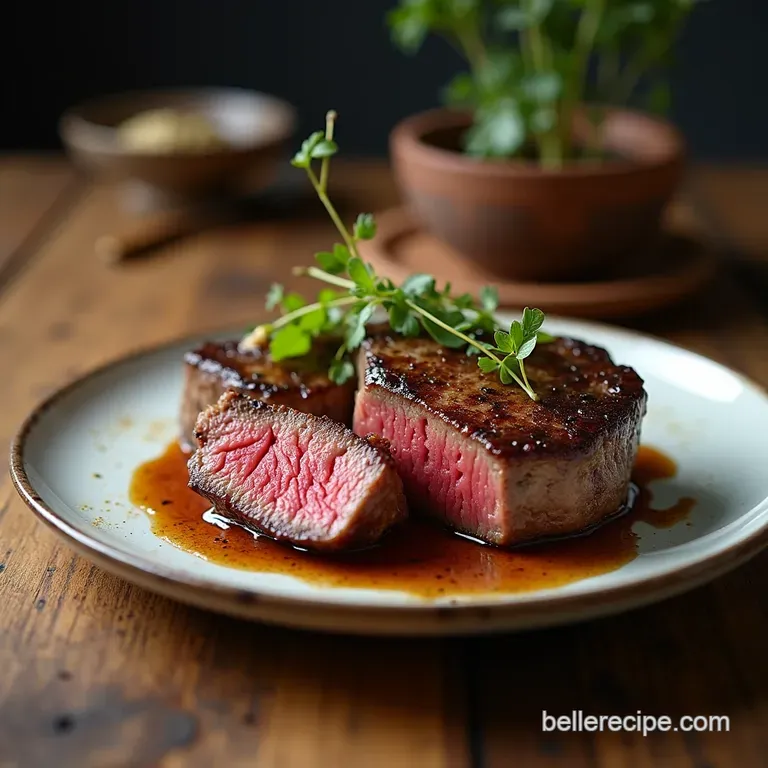
Presentation elevates the experience. Once rested, slice the Rib Cap Steak thinly, ensuring every slice is cut perpendicular (against) the direction of the muscle fibres. This pre-cuts the meat for maximum tenderness, ensuring that every bite offers that characteristic buttery texture.
Elevating Your Steak Game: Advanced Flavor Variations
While the pure salt and-pepper sear is exceptional, you can enhance this already supreme cut using classic steakhouse techniques during the final stages of cooking. After the initial sear, reduce the heat slightly and introduce aromatics to your pan.
Melt a few tablespoons of cold, unsalted butter, adding three lightly crushed garlic cloves and a few sprigs of fresh thyme or rosemary. As the butter foams, tilt the pan and continuously spoon the flavour infused fat over the top surface of the steak for the last minute of cooking.
This basting process adds deep aromatic complexity without compromising the core flavour.
Storing Leftovers: Maintaining the Tender Integrity
Leftovers are rare with such a desirable cut, but if you happen to have any, proper storage is key. Allow any cooked steak to cool fully before sealing it in an airtight container in the refrigerator.
The best way to reheat it is thin slices, quickly tossed in a hot, dry pan for just 30 seconds per side, or perhaps incorporated into a decadent steak sandwich.
Quick Pan Sauce Ideas to Complement Richness
Given the inherent richness of the Rib Cap Steak , sauces should be bright and acidic to cut through the fat. A classic Béarnaise offers creamy complexity, but for something faster, deglaze the steak pan with a splash of dry red wine, add a teaspoon of Dijon mustard, and whisk vigorously before finishing with a knob of cold butter for an instant, tangy pan reduction.
Troubleshooting: Avoiding The Dreaded Grey Band
The grey band (the overcooked, grey ring just beneath the crust) is the primary sign of improper temperature management. It occurs when the exterior cooks for too long while waiting for the centre to warm up.
The solution is twofold: always bring the steak to room temperature before cooking, and rely heavily on your instant read thermometer to pull the steak when it is under your target temperature.
Nutritional Snapshot: Decoding This Indulgent Cut
It’s important to acknowledge that the Rib Cap Steak is an indulgence. Its flavour comes directly from its high fat content, which is significantly higher than leaner cuts like sirloin or filet mignon.
While it offers an excellent source of complete protein, those tracking fat and saturated fat intake should enjoy this cut mindfully.
Frequently Asked Questions About Cooking Rib Cap Steak
How thick should my Rib Cap Steak be? For the best results using the high heat sear method, aim for a thickness of 1.25 to 1.75 inches. Thicker steaks allow for a better crust-to-interior ratio.
Can I grill the Rib Cap Steak instead of pan-searing? Absolutely. If grilling, ensure your coals are white hot or your gas grill is set to maximum heat. Sear directly over the hottest part of the flame for 3– 4 minutes per side, then move to indirect heat to finish to your desired internal temperature.
Is the Rib Cap Steak expensive? Generally, yes. Because it is a smaller portion of the rib primal, and due to its superior flavour, the Rib Cap Steak Price often surpasses that of a standard premium ribeye steak, positioning it as a special occasion cut.
Recipe FAQs
What exactly is a Rib Cap Steak, and why is it so special?
The Rib Cap Steak is technically the Spinalis Dorsi muscle, the very best part of the ribeye, often left attached in a whole roast but separated here for individual cooking.
It's celebrated because it has the highest concentration of marbling, making the Rib Cap Steak incredibly tender it truly melts in your mouth like butter!
My Rib Cap Steak is quite thick; how do I make sure it cooks evenly without burning the outside?
For a thick cut like this (around 1.5 inches), the key is managing your heat after the initial sear. Start searing on screaming high heat for a good crust, then immediately drop the temperature to medium and use the aromatic butter basting technique to gently bring the centre up to temperature.
Always use an instant read thermometer to hit that perfect medium rare.
Can I cook this steak on a gas grill instead of cast iron?
Yes, you absolutely can, but you'll need to mimic the intense, even heat of cast iron. Get your grill grates screaming hot and use a very clean cooking surface to prevent sticking. Aim for a two-zone fire: one side searing hot and the other side where you can finish it gently after the initial char.
How long should I let the Rib Cap Steak rest after cooking, and what happens if I skip it?
You must let your steak rest for at least 8 10 minutes, tented loosely with foil. If you skip this crucial step, all those beautiful, rendered juices which have been driven to the centre during cooking will rush out onto your cutting board when you slice it, leaving you with a drier steak.
It’s worth the wait!
I have leftover cooked Rib Cap Steak; how should I store and reheat it?
Store any leftovers in an airtight container in the fridge for up to 3 days; they are fantastic cold in a sandwich the next day! If you must reheat, do it very gently. The best method is slicing it thin and warming it briefly (about 30 seconds) in a dry, non-stick pan over low heat don't microwave it, or you'll ruin that lovely crust!
Perfect Seared Rib Cap Steak