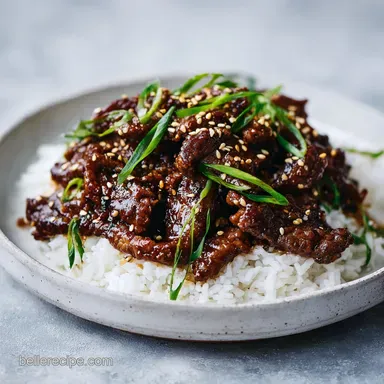
Korean BBQ Recipe: Restaurant-Quality Bulgogi
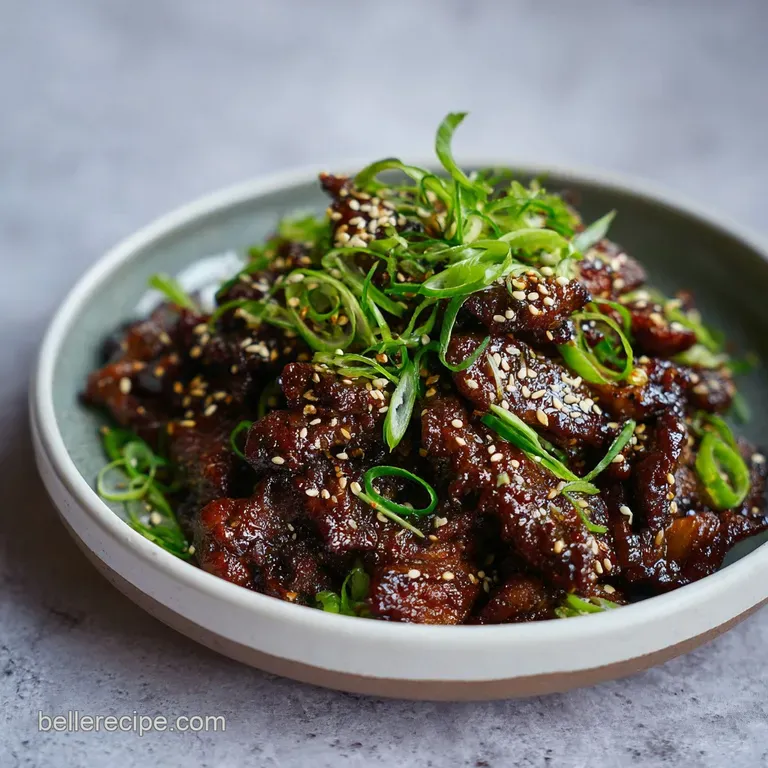
- Time: 15 min active + 2 hours chilling = Total 2 hours 25 mins
- Flavor/Texture Hook: Mahogany charred crust with a sweet savory glaze
- Perfect for: Date nights or an innovative dinner party centerpiece
Sizzle. That's the sound of a cast iron skillet hitting the limit, the smell of toasted sesame oil hitting the heat, and that first glimpse of a deep, mahogany crust forming on the beef.
I remember the first time I tried to recreate this at home, I crowded the pan and ended up with grey, boiled meat that tasted like sadness. It was a disaster, but it taught me the most important lesson about over high heat cooking: give the meat space to breathe.
When you get this right, it's a masterpiece of contrast. You have the charred, almost shatter crisp edges of the beef clashing with a tender, juicy interior. This isn't just about the sauce, it's about the heat management.
Trust me, once you see the beef caramelize into that rich, dark brown, you'll realize that this korean bbq recipe is all about the balance between the sweet pear marinade and the aggressive heat of the pan. Let's ignite those flavors and get this on your table.
The Secret to a Great korean bbq recipe
The real magic happens before the meat even touches the pan. Most people just pour sauce over beef and call it a day, but the secret is the "massage" and the fruit. By working the marinade into the fibers for a full minute, you're not just coating the meat, you're forcing the flavors deeper into the protein.
But what about the tenderness? That's where the Asian pear comes in. It contains calpain, a natural enzyme that breaks down tough protein fibers. According to Serious Eats, these enzymes are what make the meat feel velvety rather than chewy, even when using a leaner cut like sirloin.
To really make this a showstopper, you need to embrace the smoke. We aren't simmering this; we are searing it. You want the pan almost smoking before the beef hits the surface. This creates that bold, charred exterior that defines a traditional dining experience, bringing an innovative edge to a home cooked meal.
Fast vs. Classic Comparison
| Feature | Fast Method (Sirloin) | Classic Method (Short Ribs) |
|---|---|---|
| Marinating Time | 2 hours | 12-24 hours |
| Cooking Time | 10 minutes | 20-30 minutes |
| Texture | Velvety & Lean | Rich & Fatty |
| Best For | Weeknight Win | Special Occasion |
Why This Flavor Profile Hits
The goal here is a balance of salt, acid, and sugar. If it's too sweet, it tastes like candy; too salty, and you can't taste the beef. This korean bbq recipe uses a specific ratio to ensure the umami is front and center.
- Pear Enzyme Action
- The grated pear acts as a natural tenderizer, breaking down connective tissue for a softer bite.
- Sugar Caramelization
- Brown sugar and pear juice create a sticky glaze that chars quickly under high heat.
- Aromatic Depth
- Fresh ginger and garlic provide a sharp, pungent contrast to the rich sesame oil.
- Acidic Balance
- Rice vinegar cuts through the fat of the beef, cleaning the palate between bites.
The Essential Ingredient List
For the best results, get a piece of beef sirloin and freeze it for 30 mins before slicing. This makes it way easier to get those paper thin ribbons that cook in seconds.
- 1.5 lb (680g) beef sirloin, sliced paper thin against the grain Why this? Lean but flavorful, cooks rapidly
- 1/2 cup (120ml) soy sauce Why this? The primary salt and umami source
- 1/4 cup (60ml) brown sugar, packed Why this? Deep caramel notes and thickness
- 2 tbsp (30ml) toasted sesame oil Why this? Nutty, aromatic foundation
- 2 tbsp (30g) grated Asian pear Why this? Essential for tenderness and sweetness
- 1 tbsp (15g) fresh ginger, minced Why this? Zesty, warming heat
- 3 cloves (15g) garlic, minced Why this? Pungent, savory depth
- 1 tbsp (15ml) rice vinegar Why this? Brightness to balance the sugar
- 1/2 tsp (2.5g) black pepper Why this? Subtle earthy spice
- 1 tsp (5g) gochugaru Why this? Smoky, mild Korean chili heat
- 2 green onions (30g), thinly sliced Why this? Fresh, sharp garnish
- 1 tbsp (15g) toasted sesame seeds Why this? Visual pop and crunch
- 1 tbsp (15ml) neutral oil Why this? High smoke point for searing
Ingredient Swaps
| Original Ingredient | Substitute | Why It Works |
|---|---|---|
| Asian Pear | Bosc Pear or Apple | Similar enzymes. Note: Apple is slightly more tart |
| Gochugaru | Paprika + Pinch of Cayenne | Mimics the color and mild heat. Note: Lacks the specific smoky depth |
| Beef Sirloin | Flank Steak | Great grain for slicing. Note: Needs slightly longer marinating for tenderness |
| Brown Sugar | Honey | Natural sweetness. Note: Thicker consistency, burns faster in the pan |
Tools for a Bold Sear
You can use a regular pan, but if you want that restaurant grade char, a cast iron skillet is the way to go. It holds heat far better than stainless steel, meaning the temperature doesn't drop when the cold meat hits the surface.
I also recommend a sharp chef's knife. If you tear the meat instead of slicing it, you lose that beautiful uniform shape, and some pieces will overcook while others stay raw. A pair of metal tongs is non negotiable here - you need to move the meat quickly once it hits that mahogany stage.
Component Analysis
| Ingredient | Science Role | Pro Secret |
|---|---|---|
| Soy Sauce | Salt/Umami | Use "Dark Soy" for a deeper color |
| Asian Pear | Enzyme Tenderizer | Grate it into a pulp for max surface area |
| Sesame Oil | Flavor Carrier | Add at the end of marinating for strongest aroma |
| Brown Sugar | Maillard Agent | Pack it tight for consistent measurement |
Steps for a Masterpiece
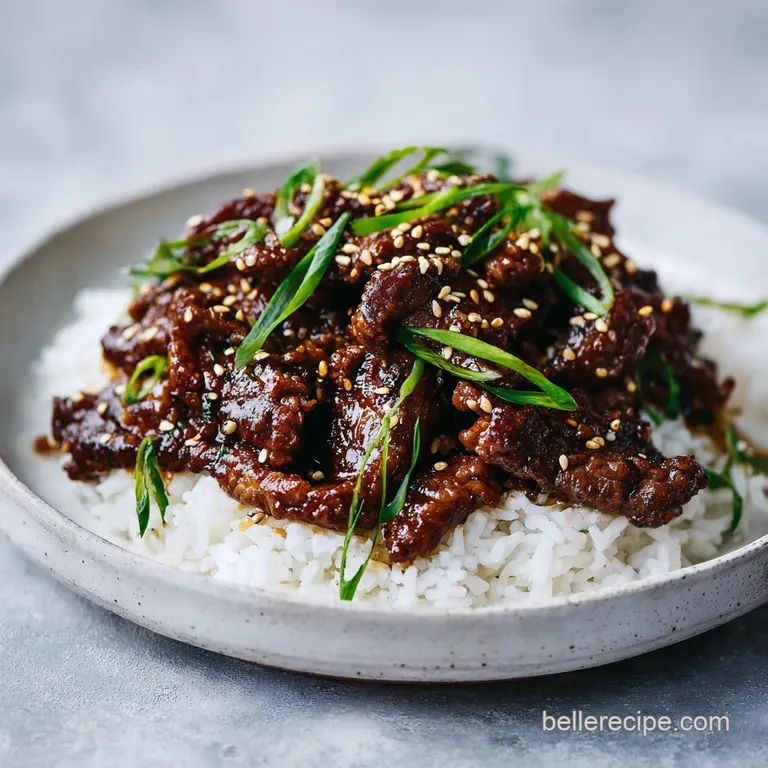
Right then, let's get into the action. Remember, the goal of this korean bbq recipe is high heat and fast movement. Don't let the meat sit and stew in its own juices.
- Combine soy sauce, brown sugar, sesame oil, grated pear, ginger, garlic, vinegar, and pepper in a mixing bowl. Whisk until the sugar is completely dissolved.
- Add the thinly sliced beef to the marinade. Note: Use your hands to massage the sauce into the meat for 60 seconds to ensure every fiber is coated.
- Seal the beef and marinade in a bag or container. Refrigerate for 2 hours until the flavors have fully penetrated the muscle fibers.
- Place a cast iron skillet over high heat. Wait until the pan begins to slightly smoke, then add 1 tbsp of neutral oil.
- Add the beef in small batches in a single layer. Note: Do not crowd the pan or the meat will steam instead of sear.
- Let the meat sear undisturbed for 1-2 minutes until a deep mahogany crust forms.
- Quickly toss the meat for another 1-2 minutes until just cooked through, then remove from the pan immediately.
- Garnish with sliced green onions and toasted sesame seeds before serving.
Chef's Note: If you're cooking for a crowd, keep the finished beef in a warm oven (around 200°F) on a wire rack. This prevents the bottom layer from getting soggy while you finish the rest of the batches.
Troubleshooting the Sear
The most common frustration with a korean bbq recipe at home is the "grey meat" syndrome. This happens when moisture builds up in the pan, turning your sear into a boil.
| Issue | Solution |
|---|---|
| Why Your Beef Steams | If you see a pool of liquid in the pan, you've likely added too much meat at once. The temperature drops, the meat releases juices, and you lose the crust. Cook in smaller batches, even if it takes lo |
| Why the Sauce Burns | Because of the brown sugar and pear, this marinade can go from "caramelized" to "burnt" very quickly. If the sauce is thickening into a black sludge too fast, lower the heat slightly or add a tiny spl |
| Why the Meat is Chewy | This usually means the beef was sliced across the grain or didn't marinate long enough. Always slice against the muscle fibers to shorten them, making the beef easier to chew. Quick Fix Table |
Common Mistakes Checklist
- ✓ Slicing beef while partially frozen for thinness
- ✓ Waiting for the pan to actually smoke before adding oil
- ✓ Patting excess marinade off the beef if it's too watery
- ✓ Avoiding the temptation to stir the meat immediately
- ✓ Removing meat the second it hits a deep brown color
Tweaking the Protein
While this is a classic korean bbq recipe beef version, the marinade is an absolute powerhouse that works with other proteins. The key is adjusting the marinating time based on the density of the meat.
For a Pork Based Twist
Substitute the sirloin for pork shoulder or pork belly. Pork is fattier, so I suggest adding an extra tablespoon of rice vinegar to cut through the richness. Let it marinate for 4-6 hours to let the enzymes work on the tougher pork fibers.
For a Lighter Chicken Option
Use chicken thighs, sliced into thin strips. Chicken doesn't need the pear as much for tenderization, but the flavor is still bold. For a more aggressive kick, you can pair this with my Korean Spicy Chicken Wings if you want a feast of different textures.
For a gluten-free Version
Simply swap the soy sauce for Tamari or coconut aminos. The ratio remains exactly the same. Since Tamari is often slightly saltier, you might want to add an extra teaspoon of brown sugar to maintain that balance.
Prep and Leftover Guides
Since this is an occasion ready dish, planning is everything. You can actually prep the marinade and slice the meat a day in advance. Just keep the beef in the fridge for up to 12 hours. Any longer, and the pear enzymes can actually make the meat too soft, giving it a mushy texture.
Scaling the Recipe
- Cutting it in half: Use a smaller skillet to maintain heat. Reduce the cooking time by about 20% per batch.
- Doubling or Tripling: Do not double the salt or gochugaru linearly - increase them by only 1.5x first, then taste. The flavors intensify when scaled up.
- Large Batches: Always work in small batches. If you dump 3 lbs of beef in one pan, you'll end up with a beef stew, not BBQ.
- Fridge
- Store cooked beef in an airtight container for up to 3 days.
- Freezer
- I don't recommend freezing the cooked beef as the texture changes. However, you can freeze the marinated (raw) beef for up to 1 month. Thaw in the fridge overnight before searing.
- Reheating
- Use a hot skillet with a teaspoon of oil. Don't microwave it, or you'll lose that hard won crust.
Zero Waste Tips Don't throw away the leftover marinade in the bag! You can simmer it in a small saucepan over medium heat for 5-7 minutes until it reduces into a thick, glossy glaze. Use this to drizzle over a bowl of rice or even roasted vegetables.
Bold Side Pairing Ideas
To turn this korean bbq recipe into a full blown experience, you need contrast. The richness of the beef needs something bright, acidic, and crunchy to wake up the palate.
First, you absolutely need a fermented or pickled element. I highly recommend serving this with my Quick Pickled Radishes, which provide that sharp, vinegary snap that cuts right through the sesame oil.
For the base, go with a bowl of steamed short grain rice or a pile of fresh lettuce leaves (Ssam). Wrap a piece of beef in a lettuce leaf, add a dollop of ssamjang (soybean paste), a slice of raw garlic, and a piece of pickled radish.
It's an innovative way to eat where every bite is a different combination of textures.
If you want something even more bold, a side of Homemade Chili Crisp on the table allows guests to customize their heat level, adding an extra layer of crunch and spice to the meal.
Meat Selection Guide
| Goal | Cut to Use | Pro Tip |
|---|---|---|
| Max Tenderness | Ribeye | Higher fat, more flavor |
| Lean & Healthy | Sirloin | Freeze before slicing |
| Budget Friendly | Flank Steak | Marinate for 6+ hours |
| Ultra Rich | Pork Belly | Slice very thin (2mm) |
Final Thoughts on Flavor The beauty of this dish is that it's a fusion of technique and patience. By focusing on the over high heat sear and the enzyme power of the pear, you move from a basic stir fry to a true masterpiece.
Whether you're hosting a dinner party or just treating yourself on a Tuesday, this approach ensures every bite is a bold, innovative explosion of flavor. Just remember: don't crowd the pan, let the meat sear, and keep those pickled radishes close by. Now, go ignite your stove and get cooking!
Critical Sodium Level
1420 mg 1,420 mg of sodium per serving (62% 62% of daily value)
The American Heart Association recommends a daily sodium limit of no more than 2,300 mg, with an ideal limit of 1,500 mg for most adults to reduce cardiovascular risk.
Strategies to Reduce Sodium
-
Swap the Soy Sauce-30%
Replace regular soy sauce with low-sodium soy sauce or coconut aminos to drastically reduce the primary salt source.
-
Dilute the Marinade-20%
Replace 1/4 cup of the soy sauce with water or unsalted beef broth to maintain the sauce volume while lowering the concentration of salt.
-
Increase Acidity-15%
Add an extra tablespoon of rice vinegar or a squeeze of fresh lime juice to mimic the 'brightness' of salt.
-
Boost Aromatics-10%
Double the amount of fresh ginger and garlic to create a more pungent, savory flavor profile that reduces the need for sodium.
-
Enhance with Spices
Add crushed red pepper flakes or additional black pepper to introduce heat and complexity without adding any salt.
Recipe FAQs
What are the main ingredients in Korean barbecue?
Beef sirloin, soy sauce, brown sugar, and sesame oil. These primary components are balanced with ginger, garlic, and grated Asian pear to ensure flavor and tenderness.
What is Korean barbecue marinated in?
A blend of soy sauce, brown sugar, sesame oil, rice vinegar, and grated pear. If you enjoy this flavor profile, you can use a similar sweet soy sauce as a base for other glazes.
Is bulgogi good for diabetics?
No, it is generally high in sugar. The recipe relies on brown sugar and Asian pear for its signature sweetness and caramelization.
How to marinate Korean meat for barbecue?
Whisk the soy sauce, sugar, oil, pear, ginger, garlic, vinegar, and pepper together. Massage this mixture into thinly sliced beef for 60 seconds and refrigerate for 2 to 12 hours.
Why is my beef steaming instead of searing?
You added too much meat to the pan at once. This drops the temperature and releases juices, so cook in small batches in a single layer to maintain a deep mahogany crust.
Is it true that beef must be marinated for only two hours?
No, this is a common misconception. You can refrigerate the meat for up to 12 hours for maximum tenderness.
How to prevent the marinade from burning in the pan?
Sear the meat quickly over high heat. Because of the sugar and pear, let the beef sit undisturbed for 1 2 minutes and then toss for another 1 2 minutes until just cooked through.
Korean Bbq Recipe