Carnivore Ribeye Steak: Pan-Seared to Perfection
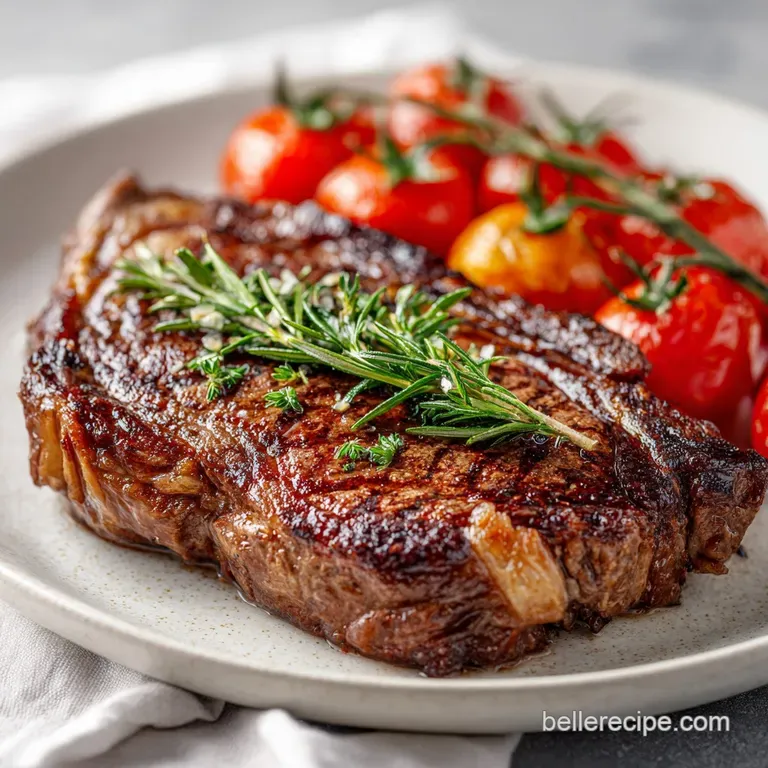
- Time: Active 12 minutes, Passive 5 minutes, Total 17 minutes
- Flavor/Texture Hook: A mahogany crust with a buttery, velvety center.
- Perfect for: High protein meal prep or a mindful solo dinner.
- Searing a Carnivore Recipe with Ribeye Steak
- Why Heat and Salt Create Flavor
- Precision Recipe Specs and Timing
- Choosing Quality Ribeye and Fats
- Essential Tools for High Heat
- Stepping Through the Perfect Sizzle
- Fixing Common Steak Searing Mistakes
- Simple Flavor Variations and Swaps
- Storing Leftovers and Reducing Waste
- Plating and Enjoying Your Beef
- Critical in Sodium
- Recipe FAQs
- 📝 Recipe Card
Searing a Carnivore Recipe with Ribeye Steak
The ritual of cooking meat over high heat is something that spans across cultures and generations. I remember my grandfather standing over a heavy iron pan, the kitchen filled with that distinct, savory aroma that meant a special meal was coming.
He always said that beef didn't need much help, just a hot surface and a bit of respect. That nostalgia hits every time I hear the sizzle of fat hitting a hot pan.
Whether you are following a strict way of eating or just want the most satisfying dinner possible, this ribeye recipe delivers. We are stripping away the marinades and the clutter to let the quality of the beef shine.
It’s about that primal connection to food, where the only things that matter are the temperature of the pan and the timing of the flip.
When you sit down to a plate of perfectly seared beef, there’s a sense of comfort that’s hard to find elsewhere. It’s sunny, it’s simple, and it’s meant to be savored slowly.
We are going to build layers of flavor through nothing but heat and salt, creating a meal that feels like a warm hug for the soul.
Why Heat and Salt Create Flavor
- Maillard Reaction: High heat reorganizes amino acids and sugars on the surface to create hundreds of new flavor compounds.
- Denaturation: Muscle proteins unwind and tighten as they heat, which eventually forces out moisture if overcooked.
- Osmosis: Salt draws moisture out of the meat initially, then dissolves into a brine that is reabsorbed to season the interior.
- Thermal Conductivity: The cast iron pan acts as a heat battery, transferring energy efficiently to create a uniform crust.
| Method | Cook Time | Resulting Texture | Best For |
|---|---|---|---|
| Cast Iron | 12 minutes | Thick, mahogany crust | Quick weeknight meals |
| Reverse Sear | 60 minutes | Edge to edge pink | Thick cut steaks (2"+) |
| Outdoor Grill | 10 minutes | Charred and smoky | Large summer gatherings |
Choosing the right method depends on your schedule, but for most home cooks, the stovetop method provides the most control. It allows you to baste the meat with fat, which is where that velvety mouthfeel really comes from.
Precision Recipe Specs and Timing
To get this right every single time, we need to stick to a few non negotiable numbers. Cooking steak isn't about guessing; it's about checking your progress against these specific checkpoints.
- Checkpoint 1 (Weight): Use a 1.5 lb ribeye steak. This thickness allows for a heavy sear without overcooking the center.
- Checkpoint 2 (Temperature): Pull the meat from the pan when the internal temp hits exactly 130°F for medium rare.
- Checkpoint 3 (Resting): Wait at least 5 minutes before slicing to ensure the juices stay inside the fibers.
| Component | Science Role | Pro Secret |
|---|---|---|
| Ribeye Steak | Intramuscular fat | Look for fine white lines, not thick chunks of gristle. |
| Beef Tallow | High smoke point | Cold tallow adds more "stick" to the sear than liquid oil. |
| Coarse Sea Salt | Moisture management | Large grains create little pockets of crunch on the crust. |
Understanding the science of your ingredients helps you make better decisions in the heat of the moment. For instance, if you are out of tallow, knowing that the fat needs a high smoke point will lead you to choose something like ghee rather than butter. If you find yourself wanting to try something different with your beef, you might enjoy reading about my Salisbury Steak recipe which uses ground beef in a similarly comforting way.
Choosing Quality Ribeye and Fats
- 1.5 lb ribeye steak: Choose one with plenty of marbling. Why this? Marbling melts during cooking to keep the meat tender.
- 2 tbsp beef tallow: This is rendered beef fat. Why this? It has a high smoke point and reinforces the beefy flavor.
- 1 tbsp coarse sea salt: Avoid fine table salt here. Why this? Coarse grains help build a physical crust on the surface.
| Original Ingredient | Substitute | Why It Works |
|---|---|---|
| Beef Tallow | Ghee (Clarified Butter) | High smoke point. Note: Adds a slightly nutty, buttery finish. |
| Coarse Sea Salt | Kosher Salt | Similar grain size. Note: Dissolves slightly faster than sea salt. |
| Ribeye Steak | New York Strip | Similar fat content. Note: A bit firmer but still great for searing. |
Essential Tools for High Heat
You don't need a kitchen full of gadgets, but a heavy bottomed cast iron skillet is the star here. It holds onto heat like nothing else, which prevents the pan temperature from dropping when the cold meat hits the surface. You'll also want a set of sturdy metal tongs and an instant read thermometer.
Don't rely on the "poke test" with your thumb; it's notoriously unreliable because everyone's hands feel different. A digital thermometer takes the anxiety out of the process entirely.
Stepping Through the Perfect Sizzle
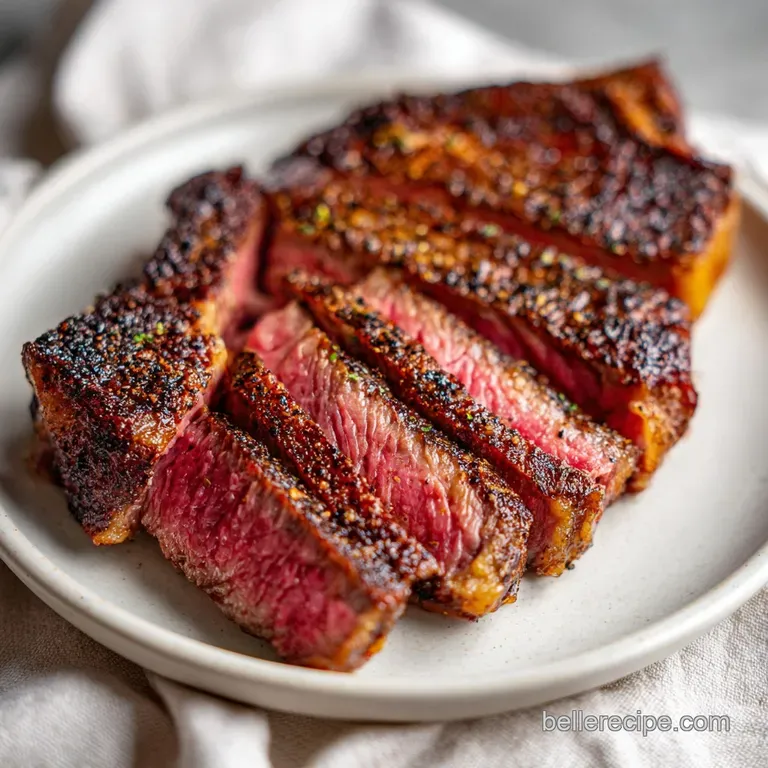
- Pat the 1.5 lb ribeye steak completely dry with paper towels until the surface feels like parchment paper. Note: Surface moisture is the enemy of a good sear.
- Liberally apply 1 tbsp coarse sea salt to all sides of the steak, including the fatty edges.
- Optional: Place the steak on a wire rack in the fridge for 2 to 24 hours to dry brine.
- Heat a heavy bottomed cast iron skillet over medium high heat until the pan is shimmering.
- Place the ribeye in the center of the skillet, pressing down lightly for contact. Cook 3-4 minutes until a deep mahogany crust forms.
- Flip the steak and add the 2 tbsp beef tallow to the pan.
- Tilt the pan slightly and use a large spoon to continuously baste the hot fat over the steak.
- Check for an internal temperature of 130°F (54°C) using an instant read thermometer.
- Remove from the pan and rest on a wire cooling rack for 5-10 minutes. Wait until the steam stops rising before you think about cutting into it.
Fixing Common Steak Searing Mistakes
Why Your Ribeye Looks Gray
If your steak looks more like it was boiled than seared, the pan wasn't hot enough or the meat was too wet. When moisture is trapped between the meat and the pan, it turns into steam. Steam can only reach 212°F, which isn't hot enough for the Maillard reaction to occur.
Always pat the meat dry until the paper towel comes away completely clean.
Preventing an Overcooked Center
This usually happens when the steak is too thin or the heat is too low, forcing the meat to sit in the pan for too long to get a crust. If you use a steak thinner than one inch, the middle will reach medium well before the outside is brown.
Stick to the 1.5 lb weight specified in the recipe to ensure the thickness is correct.
| Problem | Root Cause | Solution |
|---|---|---|
| Smoking Kitchen | Heat too high/Low smoke point fat | Use tallow and turn on the vent fan early. |
| Tough Texture | Skipping the rest period | Let the meat sit for 5-10 mins to relax the fibers. |
| Uneven Crust | Poor pan contact | Press down on the steak for the first 30 seconds. |
- ✓ Preheat your cast iron for at least 5 minutes before adding fat.
- ✓ Use room temperature meat if you have time, though it's not strictly required.
- ✓ Never crowd the pan; if cooking two steaks, use two pans or work in batches.
- ✓ Baste with fat only after the flip to prevent the fat from burning.
Simple Flavor Variations and Swaps
While the carnivore diet ribeye steak recipe focuses on the purity of the meat, you can certainly add small touches if your diet allows. Adding a clove of smashed garlic or a sprig of rosemary to the tallow during the basting phase creates a wonderful aroma without changing the nutritional profile significantly. For those who want a more bistro style experience, you could look into a Classic Au Poivre Sauce to serve on the side, though it moves away from the strict carnivore approach.
| Method | Fresh | Shortcut |
|---|---|---|
| Fat Source | Homemade Rendered Tallow | store-bought Ghee |
| Seasoning | 24 hour Dry Brine | Direct Salting before Cook |
If you want a more "Caveman steak" feel, you can actually sear the meat directly on hot coals, though this requires a very specific type of natural lump charcoal to avoid chemical off flavors. Most people find the cast iron skillet provides the best balance of convenience and flavor.
Storing Leftovers and Reducing Waste
Store any leftover ribeye in an airtight container in the fridge for up to 3 days. When reheating, avoid the microwave at all costs; it will turn your beautiful medium rare steak into rubber. Instead, warm it gently in a pan with a splash of water or more tallow over low heat.
For zero waste, don't throw away the fat left in the pan! Filter it through a fine mesh sieve and keep it in a jar in the fridge. This "liquid gold" is seasoned with salt and beef essence, making it perfect for cooking eggs or another steak later in the week.
Any tough bits of gristle can be saved to make a quick beef broth.
Plating and Enjoying Your Beef
Searing a steak is only half the battle; how you serve it matters. Always slice against the grain. On a ribeye, the grain changes direction near the "cap" (the loose, fatty outer muscle), so pay attention as you move your knife.
Slicing against the grain shortens the muscle fibers, making every bite feel significantly more tender.
Chef's Tip: If you want an even deeper flavor, add a tiny pinch of espresso powder to your salt rub. It won't taste like coffee, but it will make the beef taste "beefier" and help the crust darken faster.
- If you want a salty crunch, finish with a sprinkle of Maldon sea salt.
- If you want a richer mouthfeel, top the resting steak with a cold pat of tallow.
- If you want a cleaner flavor, squeeze a tiny bit of lemon juice over the top just before serving to cut through the fat.
This carnivore steak dinner is a celebration of simplicity. It reminds us that when we use the best ingredients and the right techniques, we don't need a cabinet full of spices to make something truly memorable. Grab your skillet, get it hot, and enjoy the process of creating something soulful and satisfying.

Critical in Sodium
2350 mg of sodium per serving (102% of daily value)
The American Heart Association recommends a limit of about 2,300mg per day, with an ideal limit of less than 1,500mg per day for most adults.
Tips to Reduce Sodium
-
Eliminate Added Salt-25%
The 1 tablespoon of coarse sea salt is the primary source of sodium. Removing it entirely will significantly reduce sodium content and allow the natural flavor of the ribeye steak to shine.
-
Sear with Herbs and Spices
Instead of salt, season the ribeye steak with a generous amount of your favorite herbs and spices like garlic powder, onion powder, black pepper, or smoked paprika. This adds flavor without sodium.
-
Use Unsalted Tallow-1%
Ensure the 2 tablespoons of beef tallow are unsalted. If salted tallow is used, this can contribute to the sodium. Opting for unsalted or rendering your own is best.
Recipe FAQs
How to cook ribeye steak for carnivore diet?
Heat a cast iron skillet over medium high heat until it shimmers. Place the dry-salted steak in the center, sear for 3 4 minutes per side to build a mahogany crust, add tallow to baste, and pull it off the heat when it hits 130°F (54°C).
What is the 3 3 3 3 rule for steaks?
No, this is a common misconception. For this recipe, you should focus on a 3 4 minute initial sear to achieve the crust, followed by continuous basting with tallow until the internal temperature reaches 130°F.
What can you have with steak on a carnivore diet?
Stick strictly to animal based products. You can serve your steak alongside high-quality fats like extra beef tallow or enjoy it with protein rich leftovers, such as the meat from our tender brisket recipe.
Is ribeye steak better than sirloin for carnivores?
Yes, ribeye is generally superior due to its higher fat content. The intramuscular fat marbling renders during the sear, providing a more satisfying mouthfeel and higher caloric density essential for a strictly carnivore lifestyle.
How to ensure a crispy crust on the steak?
Pat the surface until it feels like parchment paper using paper towels to remove all surface moisture. This dryness is the primary requirement for achieving a deep, mahogany crust in the cast iron skillet.
How to handle leftovers without ruining the texture?
Avoid the microwave entirely, as it will cause the meat to become rubbery. Warm the leftovers slowly in a skillet over low heat using a small amount of beef tallow to help restore moisture.
How to properly rest the steak after cooking?
Place the cooked steak on a wire cooling rack for 5 10 minutes before slicing. Resting allows the internal juices to redistribute throughout the muscle fibers, ensuring every bite remains tender and juicy.
Pan Seared Ribeye Steak
Ingredients:
Instructions:
Nutrition Facts:
| Calories | 1035 calories |
|---|---|
| Protein | 61 g |
| Fat | 82 g |
| Carbs | 0 g |
| Fiber | 0 g |
| Sugar | 0 g |
| Sodium | 2350 mg |
