Best Dove Recipes: Bacon-Wrapped Perfection
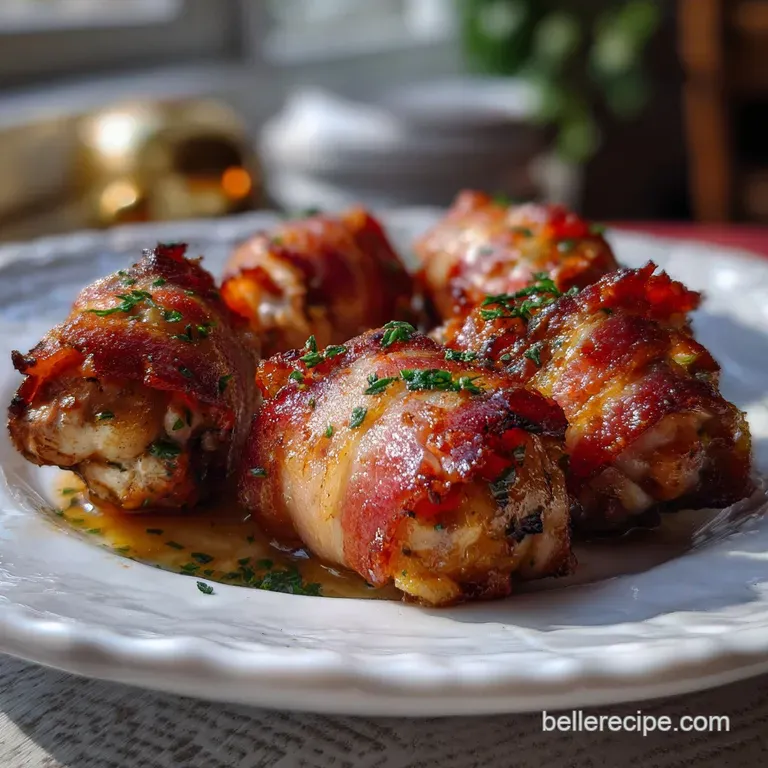
- Effort/Time: 35 minutes total (excluding brine soak).
- Flavor Hook: Smoky-sweet mahogany glaze meets pungent jalapeño kick.
- Perfect for: Game-day appetizers or high-protein, hunter-style shareables.
- Master the Art of Savory Bacon-Wrapped Dove Recipes
- The Scientific Mechanics Behind Perfectly Juicy Wild Game
- Quantitative Data and Yield Logistics for Your Meal Prep
- The Essential Elements of Flavor Architecture and Chemistry
- Professional Culinary Arsenal for Flawless Execution
- Precision Assembly Protocol for Consistent Heat Distribution
- Decoding Textural Failures and Corrective Culinary Interventions
- Adaptive Flavor Profiles and Strategic Ingredient Substitutions
- ⚗️ The Scaling Lab: The Physics of Quantity
- Preserving Structural Integrity and Shelf-Life Optimization
- Curated Presentation Styles and Textural Accompaniments
- Recipe FAQs
- 📝 Recipe Card
Master the Art of Savory Bacon Wrapped Dove Recipes
Imagine pulling a tray out of the oven only to find twenty tiny, gray knots of overcooked protein that feel like chewing on an old shoe. It’s a tragedy common in wild game cooking; you spend hours in the field only to ruin the harvest in fifteen minutes of high heat.
When lean breast meat hits 160°F, the muscle fibers contract violently, squeezing out every drop of moisture and leaving you with a metallic, livery disappointment that even the best sauce can't hide.
I've been there, trust me. My first attempt at dove recipes resulted in "poppers" so tough we actually joked about using them as slingshot ammo. I made the mistake of skipping the brine and using thick cut bacon that took forever to render, which meant the dove was long dead (again) before the bacon even got a hint of a tan.
It took three seasons of trial and error to realize that wild game isn't just "small chicken" it’s a completely different biological beast that requires an understanding of thermal mass and osmotic pressure. These dove recipes are changing that narrative.
The secret to success with these best dove recipes isn't some "secret spice" or a fancy grill; it's the physics of the brine and the science of the fat barrier. By forcing moisture into the lean cells via osmosis and then shielding them with a thin, fast rendering fat layer, we create a thermal buffer.
The result is a shattering, crisp outer layer and a mahogany colored center that actually stays juicy. Let’s break down the chemistry of why this works so you never serve dry game again when following these dove recipes.
The Scientific Mechanics Behind Perfectly Juicy Wild Game
- Osmotic Hydration: A 6% salt-to-water brine creates a pressure gradient that forces water and aromatics into the muscle cells, increasing the meat's weight and moisture reserve before it ever hits the heat.
- Protein Denaturation Control: Cream cheese acts as a thermal insulator, preventing the interior of the breast from reaching the "squeeze zone" (155°F+) where proteins coagulate and expel moisture. This insulation is key to successful dove recipes.
- Maillard Reaction Synergy: The glucose in the maple syrup glaze reacts with the bacon proteins at 285°F, accelerating the creation of complex, savory flavor compounds and a glossy, lacquered finish.
- Lipid Insulation: Thin cut bacon renders its fat rapidly, "frying" the surface of the lean dove meat in situ, which prevents the surface from drying out while the interior reaches safe temperatures. Mastering this technique elevates all dove recipes.
Quantitative Data and Yield Logistics for Your Meal Prep
| Metric | Value |
|---|---|
| Total Yield | 8 servings (approx. 2.5 poppers per person) |
| Prep Duration | 20 minutes active |
| Thermal Processing Time | 15 minutes |
| Caloric Density | 312 kcal per serving |
| Protein Bioavailability | 16.8g per serving |
The Essential Elements of Flavor Architecture and Chemistry
| Ingredient | Chemical/Physical Role (Science) | The Pro Secret (Why This Matters) |
|---|---|---|
| 60g Kosher Salt | Denatures meat proteins to allow for increased water retention | Use Diamond Crystal Kosher Salt; the hollow flakes dissolve 2x faster than table salt for an even brine. |
| 20 Dove Breasts | Lean, high myoglobin protein source | Ensure they are room temperature before assembly to prevent "cold core" undercooking. |
| 225g Cream Cheese | Thermal insulator and pH balancer | Use Philadelphia Original Cream Cheese; the high fat-to-water ratio prevents the filling from breaking or running. |
| 60ml Maple Syrup | Sugar based glazing agent for caramelization | Opt for Grade A Dark Color for a higher mineral content that deepens the mahogany hue. |
- 10 slices thin cut bacon (halved)
- Why this? Thin cut renders faster than thick cut, ensuring the bacon is crisp before the dove overcooks.
- 5 large jalapeños
- Why this? Capsaicin levels provide a sensory counterpoint to the rich, fatty cream cheese in these dove recipes.
- 15ml apple cider vinegar
- Why this? The acetic acid cuts through the heavy lipids of the bacon and cheese.
- 2 cloves garlic, smashed
- Why this? Allicin release during the brine phase provides foundational umami.
Professional Culinary Arsenal for Flawless Execution
To execute high level dove recipes, your equipment needs to facilitate rapid heat transfer. I prefer using a Lodge Cast Iron Baking Pan or a rimmed heavy duty baking sheet lined with a Silpat Silicone Mat.
The cast iron provides a massive thermal reservoir that keeps the bottom of the poppers searing while the oven air handles the tops. Many fantastic dove recipes rely on this intense bottom heat.
You will also need a Thermapen One Digital Thermometer. When working with small proteins like dove, a 5 degree difference is the gap between "velvety" and "cardboard." A pair of precision kitchen shears is also better than a knife for de-seeding jalapeños and halving the bacon slices with surgical accuracy.
Precision Assembly Protocol for Consistent Heat Distribution
- Dissolve 60g kosher salt and 50g brown sugar into 1 liter cold water. Note: This creates the osmotic environment necessary for moisture retention.
- Submerge 20 dove breasts in the brine for 4 hours until meat looks slightly plumped and loses its translucent red hue.
- Whisk 225g softened cream cheese with 5g smoked paprika and 2g garlic powder until the mixture is a uniform pale orange and completely smooth.
- Sliver 5 large jalapeños into 20 uniform strips until seeds are removed and edges are sharp.
- Pat dove breasts bone dry with paper towels until no surface moisture remains. Note: Surface moisture causes steaming, which prevents the bacon from shattering.
- Smear 10g of the cream cheese mixture onto each dove breast until the cavity is filled but not overflowing.
- Press one jalapeño sliver into the cream cheese until firmly embedded.
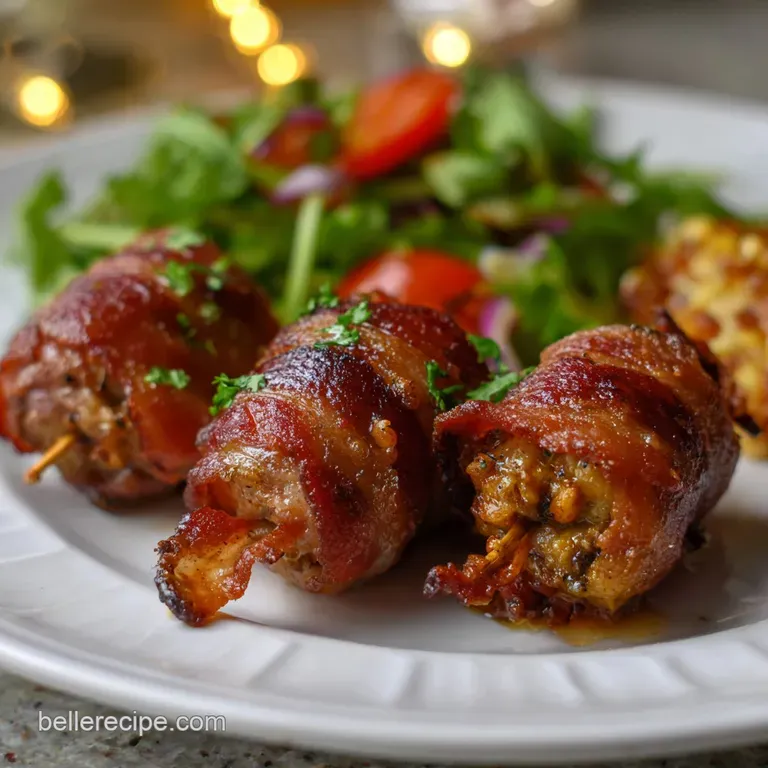
- Wrap each breast with one half slice of thin cut bacon until the seam is tucked underneath the bird.
- Stitch with a toothpick to secure the bacon until the assembly feels tight and structural.
- Bake at 400°F (200°C) for 12 minutes until bacon edges look translucent and start to curl.
- Brush with a mixture of 60ml maple syrup and 15ml apple cider vinegar until every surface is glistening.
- Broil for 3 minutes until bacon is mahogany brown and the glaze bubbles into a tacky lacquer.
Decoding Textural Failures and Corrective Culinary Interventions
When working with easy dove recipes, the most common heartbreak is the "rubbery bacon" syndrome. If your bacon isn't crisping, it's likely due to overcrowding. If the poppers are too close, they trap steam, which lowers the surface temperature below the 300°F required for the Maillard reaction.
Mastering these dove recipes requires understanding surface area.
Why Your Dove Poppers Are Dry
The dove protein is incredibly lean. If you don't brine, the muscle fibers will naturally expel their internal juices as soon as they reach 145°F. The brine essentially "buffers" the protein, giving you a 10 degree margin of error. Even simple dove recipes benefit from this step.
| Problem | Root Cause | The Fix | Pro Protocol |
|---|---|---|---|
| Soggy Bacon Base | Moisture pooling under the meat | Use a wire cooling rack over a baking sheet | Elevate the meat to allow 360 degree convection |
| Metallic/Gamy Aftertaste | Residual blood in the muscle | Extend brine time or add 1 tsp milk | Calcium in milk helps neutralize strong game flavors |
| Cream Cheese Blowout | Overfilling or cold cheese | Leave 2mm margin at edges | Use a piping bag for precise, centered volume control |
Adaptive Flavor Profiles and Strategic Ingredient Substitutions
If you're out of dove, this technique translates beautifully to other small game. Similar to how you might adjust the seasoning in a Creamy Lobster Bisque recipe, the acidity here can be tweaked. If you want air fryer dove recipes, simply drop the temp to 375°F and reduce time by 4 minutes, as the high velocity air accelerates fat rendering. These alternative dove recipes keep the flavor profile exciting.
| Original Ingredient | Substitute | Why It Works |
|---|---|---|
| Maple Syrup | Hot Honey | Same sugar content but adds a floral heat. Note: Increases perceived spiciness significantly. |
| Jalapeño | Hatch Green Chile | Similar texture but offers a smokier, milder profile. |
| Cream Cheese | Goat Cheese (Chèvre) | Provides a sharper tang. Note: Lower melting point; wrap bacon tighter to prevent leaks. |
If you find yourself with leftover meat, don't just reheat it. Transition into dove pasta recipes by pulling the meat off the bone, chopping the bacon, and tossing it with a simple garlic and oil linguine.
The smokiness from the bacon and the residual heat from the jalapeños make for a world class carbonara alternative. These versatile dove recipes ensure no part of the hunt goes to waste.
⚗️ The Scaling Lab: The Physics of Quantity
When you're dealing with a successful hunt, you might want to double this to 40 or 60 breasts. DO NOT simply double the brine salt. Effective dove recipes must account for scale.
- Flavor Saturation: Scale the salt and sugar to 1.5x for a 2x batch. Flavor compounds accumulate non-linearly in a liquid medium; a 100% increase in salt can lead to an oversaturated, "cured" texture rather than a seasoned one.
- Thermal Mass Drop: Adding 40 cold poppers to a single oven will drop the internal temperature by 50°F or more. Pro Protocol: Cook in batches or preheat your baking stones for 45 minutes to provide a thermal "heat sink" that recovers the lost energy instantly.
- The Evaporation Paradox: If you are making a larger batch of the finishing glaze, reduce the apple cider vinegar slightly. In a larger pot, the surface area to volume ratio changes, and you risk the vinegar becoming too concentrated and harsh before the syrup reaches the proper "tacky" stage.
Preserving Structural Integrity and Shelf Life Optimization
Storage: Store leftovers in a glass airtight container for up to 3 days. Wild game develops a "warmed over flavor" (WOF) faster than beef due to the rapid oxidation of its unique fatty acid profile. Freezing works well for future dove recipes.
Freezing: You can freeze these before cooking. Assemble the poppers, flash freeze on a tray for 2 hours, then vacuum seal. They stay fresh for 6 months. To cook, thaw completely in the fridge before following the standard baking protocol.
Reheating: Avoid the microwave. It turns bacon into wet leather and dove into rubber. Reheat in a 350°F oven or a 360°F air fryer for 5 minutes until the bacon sizzles and the cheese is molten.
💡 ZERO WASTE PHILOSOPHY: Don't discard the dove carcasses after removing the breasts. Transform: Simmer the bones with onions, carrots, and celery for 3 hours.
Science: Dove bones are rich in collagen; the resulting stock provides a deep, silken mouthfeel that is better than any store-bought chicken broth. Use it as the base for a risotto or a Warm & Comforting recipe like a wild game stew.
Thinking beyond the main course makes all dove recipes more satisfying.
Curated Presentation Styles and Textural Accompaniments
Presentation for grilled dove recipes or oven baked versions should focus on the contrast between the dark meat and the vibrant glaze. Serve them on a wooden board to lean into the rustic hunter aesthetic.
- The Acid Kick
- A side of pickled red onions helps reset the palate after the heavy cream cheese.
- The Starch
- These go exceptionally well alongside Classic Tamagoyaki Recipes for a unique "land and sea" brunch fusion.
- The Drink
- A cold, crisp Pilsner or a high tannin Syrah. The tannins in the wine bind to the proteins in the dove, softening the texture even further.
- Myth
- "You have to cook dove until it's well done to be safe."
- Truth
- Like most red-meat birds, dove is best served medium rare (130°F-135°F). Overcooking to 165°F is what causes the "livery" taste.
- Myth
- "Soaking in milk removes the gamey taste."
- Truth
- While milk helps, the brine is actually more effective. Salt changes the protein structure, while the sugar balances the iron heavy flavor profile of the wild meat.
Whether you're looking for oven baked dove recipes or something to throw on the Traeger, the core principles remain. Control your heat, respect the brine, and never underestimate the power of a good bacon shield.
These dove recipes with bacon are the ultimate bridge between the field and the table just make sure you make enough, because they disappear faster than the birds themselves on opening day.

Recipe FAQs
how to cook dove breast recipes?
Bake at 400°F for 12 minutes, then broil for 3 minutes after glazing. This method ensures the fat renders properly while the lean interior reaches the perfect medium rare stage. If you enjoyed mastering the precise wrapping technique here, apply that same structural integrity when working with dough in our Asian Pear Recipes Rustic Ginger Galette with Flaky Crust.
how to.cook.dove?
Brine for 4 hours minimum, then wrap in thin cut bacon. Osmotic pressure from the brine forces moisture into the cells, buffering the meat against overcooking during high heat applications.
how to make dove taste good?
Use a maple vinegar glaze to balance the richness and game flavor. The acidity (vinegar) cuts through the bacon fat, while the sugar (maple) promotes a beneficial Maillard reaction on the exterior, adding savory depth.
how to cook dove in the oven?
Bake at 400°F (200°C) using a rack over a sheet pan for airflow. Elevating the meat allows the hot air to circulate 360 degrees, preventing the bottom from steaming and ensuring the bacon crisps evenly.
how to prepare dove for cooking?
Pat the breasts completely dry after a 4-hour salt brine. Residual surface moisture inhibits the Maillard reaction, resulting in pale, steamed bacon instead of a deep mahogany crust.
Is brining essential for small game?
Yes, brining is the single most effective step for moisture retention. The salt solution increases the water holding capacity of the lean muscle fibers via osmosis, effectively giving you a wider margin before the meat dries out.
Should I use thick or thin bacon?
Thin cut bacon is superior for insulation and rendering speed. Thick bacon takes too long to brown, allowing the lean dove breast inside to pass its ideal temperature window.
Perfect Bacon Wrapped Dove

Ingredients:
Instructions:
Nutrition Facts:
| Calories | 312 kcal |
|---|---|
| Protein | 16.8 g |
| Fat | 19.2 g |
| Carbs | 8.4 g |
| Fiber | 0.4 g |
| Sugar | 7.2 g |
| Sodium | 885 mg |
