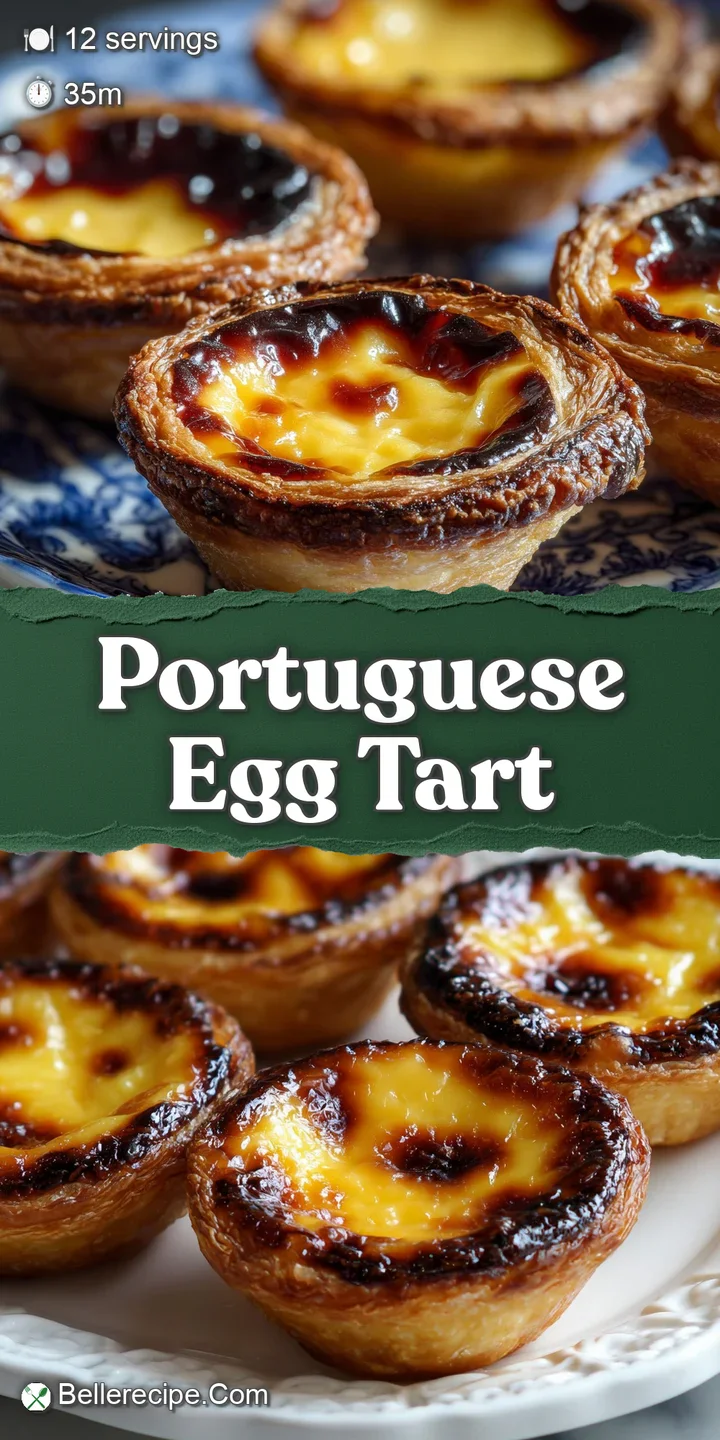
Portuguese Egg Tart: Blistered Custard, Shattering Crust
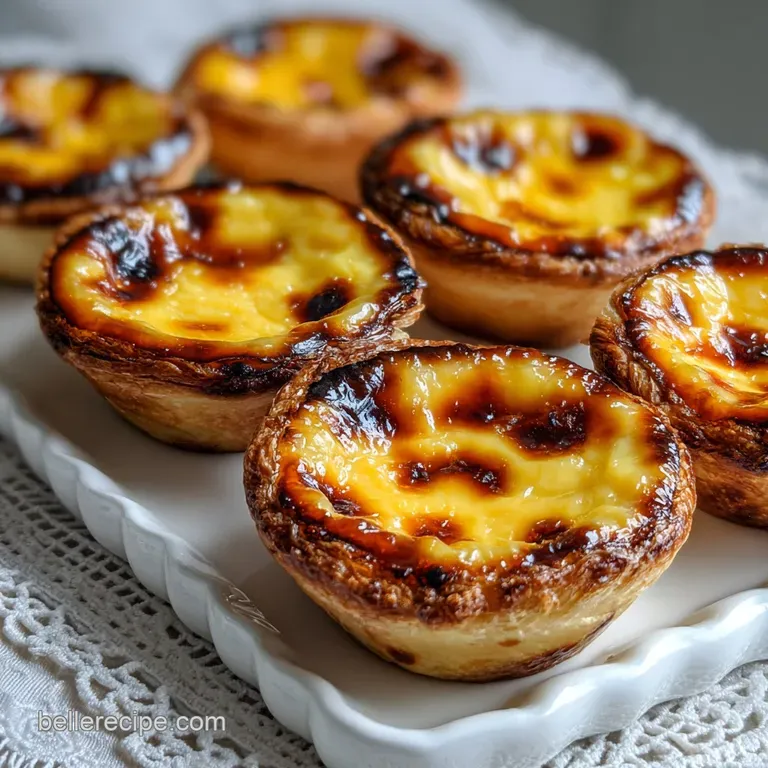
- Time: Active 20 minutes, Passive 15 minutes, Total 35 minutes
- Flavor/Texture Hook: Blistered smoky sweet custard within a salty, crackling pastry shell.
- Perfect for: Impressive weekend brunching or a thoughtful handmade gift.
- Master the Classic Portuguese Egg Tart
- Essential Metrics for Success
- Selecting Premium Ingredients
- Necessary Kitchen Gear
- Steps to Golden Perfection
- Fixing Common Pastry Errors
- Flavorful Variations to Try
- Storage and Reheating Tips
- Myths About over High heat Baking
- Styling Your Custard Tarts
- Portuguese Egg Tart FAQs
- 📝 Recipe Card
Master the Classic Portuguese Egg Tart
I still remember the first time I stood outside a tiny bakery in Belém, the air thick with the scent of caramelized sugar and wood fired ovens. I watched a baker pull a tray of these tarts out, their tops so dark they looked burnt, yet the center jiggled with a velvety promise.
I took my first bite while it was still dangerously hot, and the sound of the pastry a distinct, rhythmic "shatter" changed my kitchen philosophy forever. It wasn't just a dessert; it was a lesson in the beauty of over high heat transformation.
Whenever I recreate this Portuguese Egg Tart in my own kitchen, I try to tap into that same sense of wonder. There’s something deeply mindful about whisking a pale yellow custard while the lemon peel and cinnamon infuse the milk, turning a few humble pantry staples into something that feels almost like alchemy.
We aren't just baking; we're creating a moment of pause, a sensory experience that links us to centuries of tradition. Trust me, the first time you hear that crunch, you'll understand why I'm so obsessed with getting this right.
The Physics of the Char
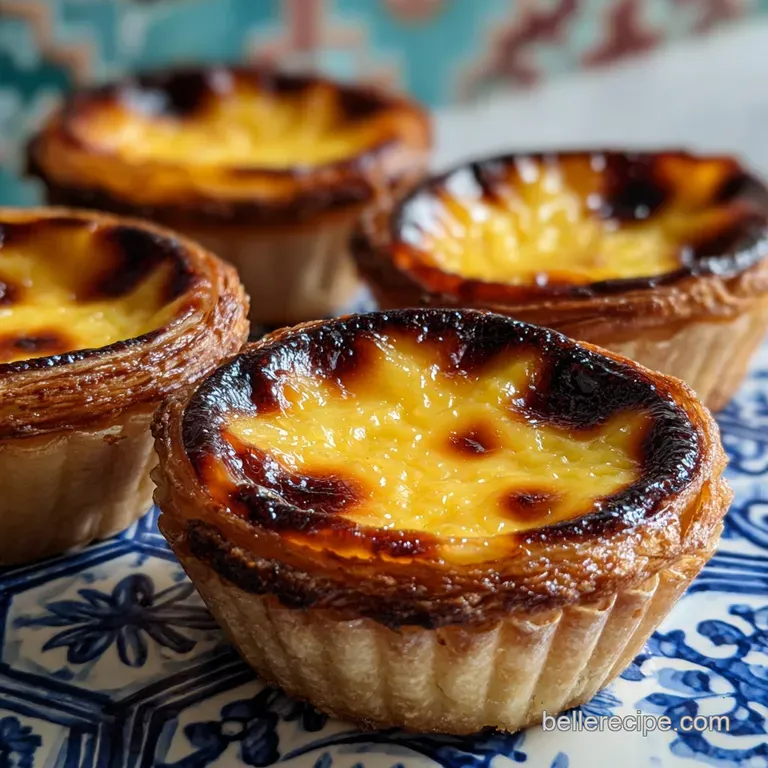
The dark spots on the custard aren't mistakes; they are the result of the Maillard reaction occurring at extreme temperatures, where sugars and proteins reorganize into complex flavor compounds.
Because our custard is rich in egg yolks and sugar syrup, it undergoes rapid caramelization before the center overcooks, creating that signature smoky sweet depth.
Chef's Note: For the most authentic "shatter," freeze your butter for 10 minutes before rubbing it into any pastry work, and always bake on the highest rack of your oven to catch the most intense heat.
| Servings | Ingredient Adjustments | Pan Size | Cook Time |
|---|---|---|---|
| 6 people | 0.5x all ingredients, 3 yolks | 6 cup muffin tin | 12-14 minutes |
| 12 people | Standard recipe (see Schema) | 12 cup muffin tin | 15 minutes |
| 24 people | 2x ingredients, 12 yolks | Two 12 cup tins | 18-20 minutes |
Setting the stage for a successful bake involves understanding the delicate balance of your components. This isn't a recipe to rush; it’s one to feel. As you work through the steps, notice the way the syrup thickens and how the pastry resists slightly under your thumb.
These small tactile cues are the secret language of a home cook.
Essential Metrics for Success
Precision is your best friend when dealing with over high heat pastry. If the syrup is too thin, the custard won't set; if the oven is too cool, the pastry will soak up the filling and turn into a soggy mess. I've ruined enough batches to know that "eyeballing it" is a recipe for heartbreak here.
| Aspect | Stovetop Phase | Oven Phase |
|---|---|---|
| Primary Goal | Infusing flavor & thickening | Caramelizing & crisping |
| Temperature | Medium low (simmer) | 500°F (blasting heat) |
| Visual Cue | Thick enough to coat a spoon | Dark brown "leopard" spots |
When we talk about contrast, we are looking at the way the bright acidity of the lemon peel cuts through the heavy richness of the 6 large egg yolks. It’s a mindful balancing act. If you’ve ever tried our Tarte à la recipe, you know how much I love using puff pastry to bridge the gap between savory and sweet textures.
Selecting Premium Ingredients
Each component in this Portuguese Egg Tart plays a structural role. We aren't just looking for sweetness; we're looking for stability. Using whole milk is non negotiable here because the fat content is what gives the custard its "velvety" mouthfeel. low-fat milk will leave you with a watery, sad imitation.
Component Analysis
| Ingredient | Science Role | Pro Secret |
|---|---|---|
| Egg Yolks | Emulsifier & thickener | Use room temp yolks for a smoother emulsion |
| Sugar Syrup | Prevents protein curdling | Never stir the syrup once it boils to avoid crystals |
| Puff Pastry | Multi layered steam lift | Keep it chilled until the very second you need it |
- 1 cup (200g) granulated sugar: Provides the base for our golden syrup.
- 0.5 cup (120ml) water: The medium for dissolving our sugar.
- 1 large cinnamon stick: Adds a woody, warm aromatic layer.
- 1 wide strip lemon peel: Why this? Essential for cutting through the rich egg yolk fat.
- 1.5 cups (350ml) whole milk: The foundation of our creamy custard.
- 0.33 cup (40g) all purpose flour: Used to create a roux like base for thickness.
- 6 large egg yolks: Why this? Provides the "velvety" texture and signature yellow hue.
- 1 tsp vanilla extract: Rounds out the flavors with a floral note.
- 1 sheet (250g) puff pastry, thawed: The vehicle for our crunch.
- 1 tbsp (15g) unsalted butter, softened: To help the pastry spiral stick and crisp.
For the pastry, if you aren't using store-bought puff, you could experiment with a Delicate Pâte Sablée recipe, though the traditional puff pastry spiral is what gives that unique "shatter" we're after.
Necessary Kitchen Gear
You don't need a professional bakery setup, but a few specific tools will make your life much easier. I used to try making these in a standard cupcake tin without any prep, and they'd stick every time. Now, I swear by a heavy duty muffin tin or authentic tin molds if you can find them.
The most important tool is actually your oven's thermometer. Most home ovens lie about their temperature. To get those beautiful charred spots, you need to be at a true 500°F.
If your oven only goes to 450°F, you'll need to leave them in a bit longer, but you might lose that tender interior.
| Original Ingredient | Substitute | Why It Works |
|---|---|---|
| Whole Milk | Heavy Cream (diluted) | Mix 1 cup water with 0.5 cup cream for similar fat. |
| Cinnamon Stick | 0.5 tsp Ground Cinnamon | Note: Will speckle the custard and slightly darken it. |
| Lemon Peel | Orange Peel | Offers a deeper, floral citrus note instead of bright zest. |
Steps to Golden Perfection
- Simmer the syrup. Combine 1 cup granulated sugar, 0.5 cup water, cinnamon stick, and lemon peel in a small pot. Cook until it reaches 221°F (105°C) or looks like thin honey.
- Whisk the milk base. In a separate bowl, whisk 0.33 cup flour with about 0.25 cup of the milk until a smooth paste forms with no lumps.
- Scald the remaining milk. Heat the rest of the 1.5 cups milk in a saucepan until bubbles just start to dance at the edges.
- Temper the flour. Slowly pour the hot milk into the flour paste, whisking constantly until the mixture is silky and thickened.
- Combine with syrup. Remove the cinnamon and lemon from the sugar syrup, then stream the syrup into the milk mixture while whisking steadily to incorporate.
- Add the yolks. Once the mixture has cooled slightly, whisk in the 6 large egg yolks and 1 tsp vanilla until the color is a vibrant, uniform yellow.
- Prepare the pastry spiral. Roll the sheet of puff pastry tightly into a log, then slice into 12 even rounds. Note: This creates the circular layers that shatter when bitten.
- Shape the shells. Place each round into a greased muffin tin and press with wet thumbs until the dough reaches the top of the rim.
- Fill and blast. Pour the custard into the shells, filling about 3/4 full. Bake at 500°F for 15 minutes until the tops sizzle and char.
- Rest and release. Let the tarts sit in the tin for 5 minutes until the pastry firms up enough to handle.
Fixing Common Pastry Errors
We’ve all been there the custard looks like scrambled eggs or the bottom is as soft as a sponge. Don't toss it! Most of these issues come down to temperature control.
If your custard curdles, it usually means the syrup was added too quickly while it was still boiling hot, "cooking" the flour base prematurely.
Why Your Custard Is Runny
If the center of your Portuguese Egg Tart doesn't set, it's often because the sugar syrup didn't reach the correct concentration. That 221°F checkpoint is vital. Without it, there's too much water in the mix, and the egg yolks can't bridge the gap to create a solid structure.
| Problem | Root Cause | Solution |
|---|---|---|
| Soggy Bottoms | Oven temp too low | Preheat for 30 mins; use a baking stone if available. |
| Curdled Custard | Added yolks to hot liquid | Cool the milk/syrup mix to lukewarm before adding yolks. |
| No Char Spots | Lack of top down heat | Move the rack to the highest position for the last 3 mins. |
Common Mistakes Checklist - ✓ Don't skip the "resting" phase for the custard; it helps the flavors marry. - ✓ Always use wet thumbs when pressing the pastry into the molds to prevent sticking.
- ✓ Ensure the oven is fully preheated this usually takes longer than the beep suggests. - ✓ Avoid over whisking the yolks, which can incorporate too much air and cause the tarts to collapse. - ✓ Strain your custard through a fine mesh sieve to ensure a perfectly velvety texture.
Flavorful Variations to Try
While the traditional recipe is hard to beat, I love playing with the flavor map to suit the season. In the autumn, I’ll sometimes swap the lemon for orange and add a pinch of nutmeg. It transforms the dish into something that feels like a cozy blanket.
- Citrus & Spice Twist: Use lime peel instead of lemon and add a star anise to the syrup for a more "bright/spicy" contrast.
- Chocolate Bottom Surprise: Drop three small dark chocolate chips into the bottom of the pastry shell before pouring in the custard.
- dairy-free Alternative: Use full fat coconut milk. Note: This will add a distinct tropical flavor and the texture will be slightly less firm.
3 Bullet Decision Shortcut: - If you want a crunchier crust, chill the shaped pastry shells in the freezer for 15 minutes before filling. - If you want a sweeter finish, dust the tops with a mix of powdered sugar and cinnamon immediately after baking.
- If you want a cleaner flavor, leave out the vanilla and let the lemon and cinnamon do all the talking.
Storage and Reheating Tips
These tarts are best enjoyed within a few hours of baking while the pastry is at its peak "shatter" stage. However, life happens, and you might have leftovers. Store them in an airtight container in the fridge for up to 3 days.
Whatever you do, never put them in the microwave; it will turn the pastry into rubber.
To reheat, pop them back into a 350°F oven for about 5 to 8 minutes. This will crisp up the butter in the puff pastry and soften the custard back to its silky state. You can also freeze them for up to 2 months.
To eat from frozen, let them thaw in the fridge overnight before following the oven reheating method.
For a zero waste kitchen, save those 6 egg whites! They are perfect for a batch of meringues or a healthy breakfast scramble. You could even use them for an Egg White Bites Recipe if you're feeling ambitious with your meal prep.
Myths About over High heat Baking
One of the biggest misconceptions is that the "burnt" spots mean you've ruined the tart. In Portuguese culture, those spots are the goal! They provide a bitter contrast to the sweet cream. Another myth is that you must use a specific "Portuguese" tin.
While they help with the shape, a standard muffin tin works perfectly well if you press the pastry thin enough.
Finally, some people think you need to boil the milk and flour together for a long time. In reality, over cooking the flour base on the stovetop can make the custard gummy. You just want it thick enough to coat the back of a spoon the oven will do the rest of the heavy lifting.
Styling Your Custard Tarts
Presentation is where you can really show off the contrast of this dish. I love serving these on a rustic wooden board or a slate platter to highlight the golden brown edges. A light dusting of cinnamon is traditional, but don't overdo it you want those charred spots to peek through.
- The Stack: Pile them up in a pyramid for a centerpiece effect.
- The Garnish: Place a few fresh lemon leaves or a cinnamon stick on the side of the plate for an aromatic touch.
- The Pairing: Serve with a strong, bitter espresso. The coffee's acidity and bitterness are the perfect partners for the rich, sweet custard.
When you bring these to the table, wait for that moment of silence when everyone takes their first bite. That's the best part of being a home cook sharing a piece of your journey and watching it transform someone else's day. Enjoy every crackle and every silky spoonful!
Portuguese Egg Tart FAQs
What is pastel de nata made of?
Primarily puff pastry and a rich custard. The custard is typically made from milk, sugar, egg yolks, flour, and flavored with cinnamon and lemon peel.
What is pastel de nata in english?
Portuguese egg tart. While "pastel de nata" is the authentic Portuguese name, it's commonly referred to as a Portuguese egg tart in English speaking countries.
Is pastel de nata Portuguese or Spanish?
Portuguese. Pastel de nata is a famous pastry originating from Portugal, specifically from Lisbon.
Do you eat pastel de nata warm or cold?
Best served warm. While enjoyable at room temperature, they are traditionally eaten warm, allowing the pastry to be at its crispiest and the custard to be silky smooth.
Can I use a different type of milk in the custard?
Whole milk is recommended for authenticity. Using lower fat milk can result in a less creamy custard. If you enjoyed controlling the fat content in our Creamy Sous Vide Egg Bites, you'll appreciate how whole milk contributes to that luxurious texture here.
What makes the tops of the tarts dark and blistered?
High heat and caramelization. This signature charring is intentional, achieved by baking at a very high temperature. It's a result of the Maillard reaction and caramelization of the sugars in the custard, adding a complex, slightly bitter flavor.
How important is the sugar syrup temperature?
Critically important for custard set. The syrup needs to reach approximately 221°F (105°C) to ensure the correct concentration. If it's too thin, the custard may not set properly, similar to how precise temperature control is key for achieving perfectly cooked Over Easy Eggs.
Portuguese Egg Tart
Ingredients:
Instructions:
Nutrition Facts:
| Calories | 245 kcal |
|---|---|
| Protein | 3.9 g |
| Fat | 12.2 g |
| Carbs | 30.3 g |
| Fiber | 0.6 g |
| Sugar | 17.8 g |
| Sodium | 125 mg |
