Pickled Banana Peppers: Quick Zingy Refrigerator Jar Recipe
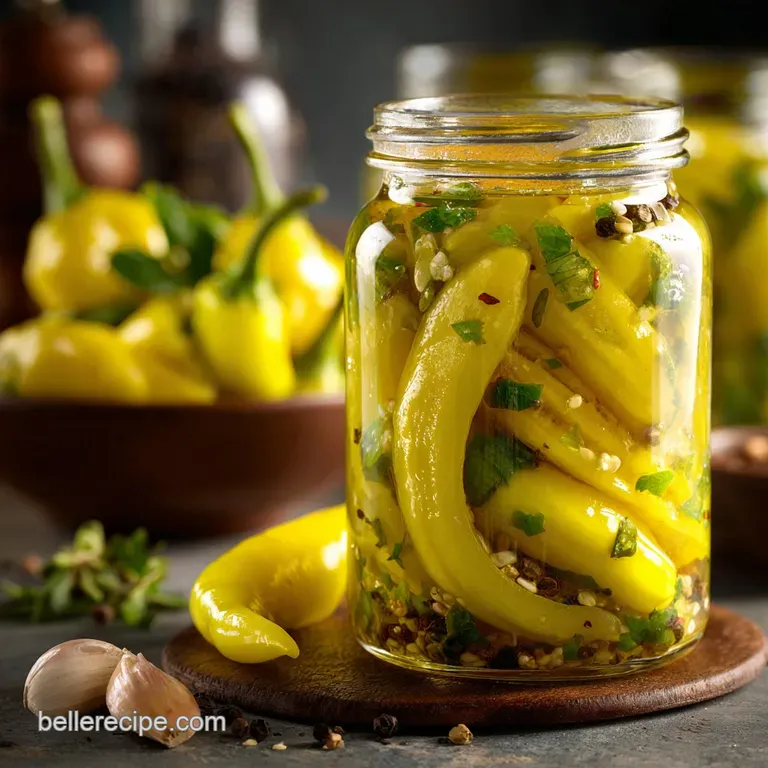
- The Appeal of Quick Pickled Banana Peppers: Crunch, Tang, and Heat
- Mastering the Crunch: Why Refrigerator Pickling is Superior
- Essential Ingredients for Your Signature Brine and Prep
- Step-by-Step Guide: Crafting the Perfect Batch of Pickled Banana Peppers
- Pro Tips and Troubleshooting for Crisp, Vibrant Results
- Storage, Shelf Life, and Creative Pairings for Pickled Banana Peppers
- Recipe FAQs
- 📝 Recipe Card
The Appeal of Quick Pickled Banana Peppers: Crunch, Tang, and Heat
You know that specific, immediate rush of acid and sweetness you get when you bite into a perfect pickled pepper? That incredible, toothsome crunch that snaps back before the mild, fruity heat warms your palate?
This recipe is how you bottle that exact feeling, and let me tell you, the aroma of the vinegar and spices simmering on the stove is pure comfort food.
This isn’t some complicated old-world canning project that takes three days and involves pressure cookers you're afraid of. This recipe is fast, almost laughably simple, and uses the quick refrigerator method that demands minimal effort for maximum payoff.
It's truly a lifesaver when you realize you’ve run out of store-bought pickles right before a major sandwich event.
Forget those sickly sweet, soft versions lurking on supermarket shelves. We are going to craft bright, vibrant pickled banana peppers that are crisp, zingy, and perfectly balanced, ensuring you always have a jar of sunshine ready in your fridge.
Let’s crack on and get these beauties jarred up!
What Exactly Are Banana Peppers? Defining the Star Ingredient
Banana peppers (also known as yellow wax peppers) are the quintessential pickling vegetable, mostly because of their incredible mildness. They rarely register above 500 Scoville units, meaning they’re far sweeter and fruitier than a jalapeño. They bring flavour and texture, not pain.
The Magic of Refrigerator Pickles vs. Traditional Canning
Traditional canning is all about long term, shelf stable preservation, which requires serious boiling times and careful sealing. We are going straight for the refrigerator pickle method, which is quicker, easier, and most importantly, preserves the crunch we crave.
Since these stay chilled, they keep their structural integrity beautifully.
Flavor Profile Breakdown: Sweet, Mild, and Zingy
The banana pepper itself contributes a lovely mild sweetness and a thick, satisfying wall of flesh. Our brine, however, is where the magic happens, balancing sharp white distilled vinegar with just enough sugar to cut the acidity.
Add in the subtle warmth of garlic and mustard seed, and you’ve got a pickle that sings.
Mastering the Crunch: Why Refrigerator Pickling is Superior
The reason quick pickling yields superior texture is simple: less heat exposure. When you process vegetables for long periods in a boiling water bath (as in traditional canning), you soften their cell walls. By using a quick, hot brine pour followed by immediate cooling, we shock the pepper, locking in its crispness.
This process is the single most important factor for achieving maximum crunch.
Chef’s Note: A crucial step many people skip is the pre-brine ice bath. Soaking the sliced peppers in ice water for 30 minutes before jarring ensures the peppers are thoroughly chilled and firm before they ever meet the hot brine, further guaranteeing a snappy texture.
Essential Ingredients for Your Signature Brine and Prep
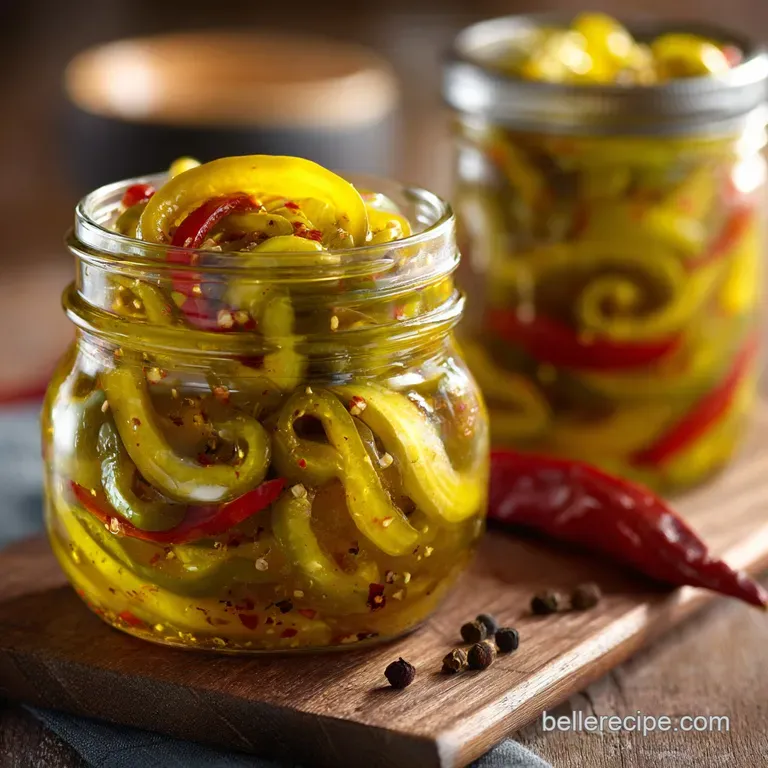
I always try to use the very best ingredients, but I also know life happens. Here is what you need, along with the necessary substitutions if you’re staring at an empty cupboard.
The Role of Salt: Drawing Out Excess Moisture for Crispness
Salt is not just for flavour; it's a structural necessity in pickling. It helps draw out excess moisture from the pepper, strengthening its cellular structure against the oncoming hot brine.
Understanding the Essential Acid-to-Water Ratio
For food safety and the best flavour, you must stick to a 2:1 ratio of 5% acidity vinegar to water. This ensures a sufficient acid level for preservation. If you mess with this ratio too much, the pickles won't last long, or the flavor balance will be off.
Choosing the Perfect Banana Peppers (Selecting Firm Produce)
Look for bright yellow, firm peppers that show no signs of wrinkling or spotting. Remember, a soft pepper going into the jar will be a very limp pickle coming out . Pick the firmest ones you can find.
Brine Basics: Vinegar Types and Sugar Balance
We rely on white distilled vinegar because of its high acidity and neutral flavour, letting the pepper shine. The sugar is there purely for balance; these shouldn't be sweet like candied fruit!
| Ingredient | Substitute Option | Why the Swap Works |
|---|---|---|
| White Distilled Vinegar | Half Apple Cider Vinegar | Adds a mellower, slightly fruitier undertone, but keeps the necessary acidity. |
| Pickling Salt | Fine Sea Salt (non-iodized) | Avoids the cloudy brine and bitter taste that regular iodized table salt can cause. |
| Granulated Sugar | Stevia/Erythritol Blend | Works well for low-carb pickling, maintaining necessary sweetness without the glucose. |
| Banana Peppers | Sliced Hungarian Wax Peppers | A slightly hotter, but texturally similar alternative. |
step-by-step Guide: Crafting the Perfect Batch of Pickled Banana Peppers
Preparation: Slicing the Peppers and Sterilizing Jars
First, wash those gorgeous yellow peppers and slice them into neat ¼-inch rings. If you prefer a less seedy appearance, you can run a knife through the rings to flick out the excess seeds.
Get your jars sterilized a hot dishwasher cycle works great and pop your aromatics (garlic, mustard seeds, peppercorns) into the base of each jar.
The Brine Boiler: Combining Liquids, Seasonings, and Aromatics
In a non-reactive pot (stainless steel is perfect), combine the water, vinegar, salt, and sugar. Bring this to a rolling boil over medium high heat, stirring until you no longer see any grainy residue. You want the salt and sugar completely incorporated for a perfectly clear, evenly flavored brine.
Don't rush this step!
Packing and Sealing: Ensuring Proper Pepper Submersion
Pack the sliced pepper rings tightly into the sterilized jars. Tightly means firm, but not squashed. Then, carefully ladle the hot brine over the peppers until they are completely submerged, leaving about half an inch of headspace.
Wipe the rim clean with a damp cloth, apply the lids, and twist until finger tight.
The 24 Hour Wait: Refrigeration Timeline for Optimal Flavor
Let the jars cool completely on the counter before moving them. Once they are at room temperature, transfer them immediately to the refrigerator. They are technically safe to eat immediately, but the flavours won't have fully infused yet.
Give them a full 24 hours of chill time for that true pickle flavor to develop. Trust me on this the wait is worth it.
Pro Tips and Troubleshooting for Crisp, Vibrant Results
I’ve made dozens of pickle batches, and I’ve learned exactly where things go wrong. Here are the common failures and how we avoid them.
Preventing Limp Pickles: The Ice Bath Method
As mentioned, limpness is the enemy. My biggest mistake when I first started was using room temperature peppers. Never again! The ice bath (Step 1 of the recipe outline) is non-negotiable if you want a pickle that actually snaps when you bite it.
Adjusting the Heat: Customizing Spice Levels Safely
Banana peppers are mild, but maybe you want more heat. You can safely add dried red pepper flakes directly to the brine while it boils, or you can drop a few thin slices of a hotter pepper (like a small serrano) into the jar alongside the banana peppers.
This lets you control the spice without affecting the crucial brine balance.
Common Brine Mistakes That Affect Flavor
The most common error is using iodized salt, which makes the brine cloudy and can introduce a metallic off-flavor. Another mistake is using less than 5% acidity vinegar; if you use white wine vinegar, the pickles will taste delicious but won't have the acidity needed for longevity or that characteristic zing.
Stick to the distilled stuff here.
Storage, Shelf Life, and Creative Pairings for Pickled Banana Peppers
These refrigerator pickles are an absolute workhorse in the kitchen. Once you have a steady supply, you'll find reasons to use them every day.
Optimal Shelf Life in the Refrigerator (The 2 Month Rule)
Because we skipped the traditional canning process, these are not shelf stable. They must live in the fridge. Kept cool, dark, and tightly sealed, they will happily last for up to 3 months . They are best eaten within the first month, when the crunch is at its peak.
Maximizing Flavor: Best Uses for Leftover Pickled Pepper Brine
Seriously, don’t ditch that brine! It is fantastic. Use it to quickly pickle other vegetables you have lying around, like carrots or even radishes (Speaking of which, if you love quick pickles, you need to check out my recipe for Easy Homemade Quick Pickled Radishes Recipe Ready in an Hour ). You can also use a splash of the brine in a homemade salad dressing, replacing vinegar for an extra layer of salty tang.
Pairing Them Perfectly: Sandwiches, Salads, and Charcuterie Boards
These pickled peppers shine the brightest when paired with rich, fatty foods. Their acid cuts right through richness, which is why they belong on every Italian cold cut sandwich or proper, loaded grilled cheese. They also provide the ideal texture and acid bomb when chopped into egg or potato salad. If you're planning a full pickle experience, they pair brilliantly with the The Ultimate Quick Pickled Onions Recipe Ready in 15 Mins on a huge charcuterie spread. They add a vibrant yellow pop that's impossible to ignore!
Recipe FAQs
How long will these refrigerator pickles stay fresh?
These Quick & Zingy Pickled Banana Peppers will last for about 2 to 3 months when stored continuously in a tightly sealed container in the refrigerator. Unlike traditional canning, the refrigerator method does not create a shelf stable seal, so cold storage is mandatory for safety and quality.
While they remain safe past three months, their crunch level will begin to degrade.
Why did my peppers turn soft instead of staying crunchy?
Softness usually occurs if the peppers were overcooked by the brine or if they were not fresh to begin with. Ensure you pour the hot brine directly over the packed peppers and immediately move the jars to the refrigerator after cooling slightly.
For an extra crisp result, you can add 1/4 teaspoon of pickling lime or calcium chloride (pickle crisp) to the bottom of the jar before filling.
Do I need to fully sterilize the jars for refrigerator pickles?
Full, boiling water-bath sterilization necessary for shelf stability is not required for refrigerator pickles, but cleanliness is paramount. You must use very clean jars and lids to minimize any bacteria introduction which could lead to spoilage.
Wash them thoroughly in hot, soapy water or run them through a quick dishwasher cycle right before using them.
Can I use this recipe brine for other types of peppers?
Absolutely; this versatile sweet and sour brine works wonderfully for many thin walled peppers. You can successfully substitute Hungarian wax peppers, mild jalapeños, or even thinly sliced carrots and onions.
If using peppers with thicker skin, ensure you slice them thinly to allow the brine to fully penetrate quickly.
How can I make these banana peppers significantly spicier?
To increase the heat, add dried red pepper flakes directly to the brine mixture while it heats, allowing the heat to infuse the liquid. Alternatively, drop one or two slices of a fresh, hot pepper (like serrano or habanero) into each jar before sealing.
Remember that the spice level will increase the longer the peppers sit in the brine.
When is the best time to eat the pickles after preparation?
While the pickles are technically safe to eat after about 6 hours of chilling, the flavor has not yet fully developed or permeated the peppers. For the best, balanced sweet and-tangy flavor and optimal crunch, wait a minimum of 24 hours before tasting. They reach their peak flavor around the 48-hour mark.
Why is my brine cloudy after a few days in the fridge?
A slightly cloudy brine is often a normal occurrence and generally not cause for alarm, especially if you used whole spices or minerals are present in your tap water. However, if the cloudiness is accompanied by a foul odor, mold growth, or obvious signs of fermentation, you should discard the batch immediately.
Always trust your senses when checking preserved foods.
Quick Refrigerator Pickled Banana Peppers
Ingredients:
Instructions:
Nutrition Facts:
| Calories | 192 kcal |
|---|---|
| Protein | 1.7 g |
| Fat | 0.5 g |
| Carbs | 42.6 g |
