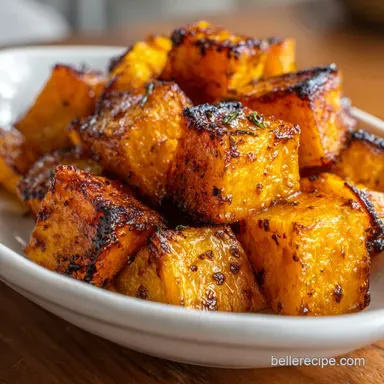
Roasted Hubbard Squash Recipe: Caramelized and Velvety
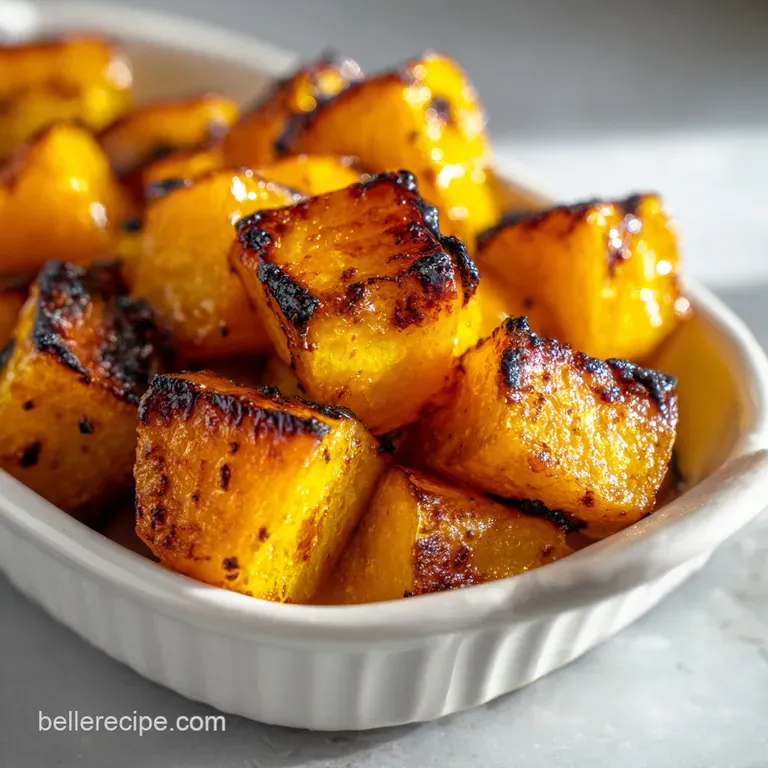
- Time: 20 min active + 45 min roasting = Total 65 min
- Flavor/Texture Hook: Caramelized, sticky edges with a buttery, melt in-your mouth core
- Perfect for: A cozy autumn side dish or a mindful holiday gathering
- The Ultimate Roasted Hubbard Squash Recipe
- Why This Roast Really Works
- Ingredient Deep Dive
- Gathering Your Essentials
- The Kitchen Gear You'll Need
- From Prep to Plate
- Fixing Common Problems
- Adjusting the Batch Size
- Squash Myths Debunked
- Storage and Zero Waste
- Serving Suggestions
- Recipe FAQs
- 📝 Recipe Card
That first scent of cinnamon hitting the hot oven air always takes me back to my first attempt with Hubbard squash. I remember standing in my kitchen, staring at this massive, bumpy, grey skinned gourd that looked more like a prehistoric artifact than a vegetable.
I tried to slice into it with a standard chef's knife, and for a second, I actually thought the knife might bounce off the skin. It was a battle of wills between me and the squash.
But once I got through that armor, the inside was this stunning, deep orange that promised something special. I spent that afternoon experimenting with glazes, trying to find the line between "too sweet" and "not savory enough." When I finally pulled the tray out and saw those deep golden brown edges, I knew I'd found the magic ratio.
This Roasted Hubbard Squash Recipe isn't just about cooking a vegetable; it's about turning a rugged, intimidating squash into something comforting and sunny.
You can expect a side dish that feels sophisticated but is actually quite simple once you get the hang of the prep. It's the kind of dish we've always shared at family dinners, where the tray arrives at the table and everyone reaches for the corner pieces because they're the crispiest.
We're going for a texture that's almost jammy on the outside and buttery on the inside.
The Ultimate Roasted Hubbard Squash Recipe
The beauty of this approach is how it builds flavor in layers. Instead of tossing everything in at once, we roast the squash first to get a deep sear, then finish it with a glaze. This prevents the maple syrup from scorching, which is a common mistake when people treat winter squash like carrots.
You get a concentrated sweetness that complements the natural nuttiness of the Hubbard.
Hubbard squash is denser and drier than butternut, which makes it an absolute powerhouse for roasting. It doesn't get as mushy, meaning you keep those clean, 1.5 inch cubes even after 45 minutes in the heat.
It's a mindful way to eat seasonal produce, bringing that earthy, grounded feeling to the plate.
If you're planning a full spread, this pairs beautifully with a protein like Boursin Chicken, where the creamy garlic sauce cuts through the sweetness of the squash. Or, if you want something lighter, it sits nicely next to a Roasted Beet Salad for a total autumn feast.
Why This Roast Really Works
Instead of a boring lecture, let's look at what's actually happening on your baking sheet.
- The Sugar Timing: Maple syrup burns quickly at 400°F. By adding it in the last 10 minutes, we get the caramelization without the bitter char.
- The Fat Blend: Using olive oil for the initial roast and butter for the finish gives you the over high heat stability of oil and the velvety richness of dairy.
- Cube Uniformity: Keeping pieces at exactly 1.5 inches ensures they all hit the "tender" mark at the same time, so you don't have some burnt and some raw.
- Dry Surface: Roasting at a high temp allows moisture to evaporate quickly, which is how we get those edges to sizzle and brown rather than steam.
Since you might be wondering if you should just toss this in a pan or stick to the oven, here is the breakdown.
| Method | Time | Texture | Best For |
|---|---|---|---|
| Oven Roast | 65 min | Caramelized/Firm | Large batches & depth of flavor |
| Stovetop | 30 min | Soft/Sautéed | Quick weeknight sides |
Ingredient Deep Dive
Understanding your components helps you make better calls in the kitchen. Here is what's doing the heavy lifting in this Roasted Hubbard Squash Recipe.
| Ingredient | Science Role | Pro Secret |
|---|---|---|
| Hubbard Squash | Structural Base | Higher starch than butternut; holds shape better |
| Maple Syrup | Glazing Agent | Adds a woody sweetness that complements cinnamon |
| Unsalted Butter | Flavor Carrier | Helps the thyme and cinnamon adhere to the cubes |
| Fresh Thyme | Aromatic Contrast | Cuts through the sugar with an earthy, piney note |
Gathering Your Essentials
For this recipe, quality matters, but you don't need anything fancy. Just stick to the basics to let the squash shine.
- 2 lbs Hubbard squash, peeled and cubed into 1.5 inch pieces Why this? Densest of the winter squashes for a meaty texture
- 3 tbsp extra virgin olive oil Why this? High smoke point for the initial roast
- 1 tsp kosher salt Why this? Larger grains for more even distribution
- ½ tsp freshly cracked black pepper Why this? Fresh pepper has more floral notes than pre ground
- 2 tbsp pure maple syrup Why this? Authentic maple flavor; avoid "pancake syrup"
- 1 tbsp melted unsalted butter Why this? Adds a silky finish to the glaze
- ½ tsp ground cinnamon Why this? Warmth that bridges the gap between savory and sweet
- 1 tsp fresh thyme leaves Why this? Fresh herbs provide a bright, citrusy lift
Substitution Options:
| Original Ingredient | Substitute | Why It Works |
|---|---|---|
| Maple Syrup | Honey | Similar viscosity. Note: Stronger flavor, slightly floral |
| Hubbard Squash | Kabocha Squash | Very similar texture. Note: Slightly sweeter, thinner skin |
| Fresh Thyme | Dried Sage | Similar earthy profile. Note: Use 1/3 amount of dried |
| Unsalted Butter | Coconut Oil | Vegan alternative. Note: Adds a slight tropical coconut hint |
The Kitchen Gear You'll Need
Don't dive into a Hubbard squash without the right tools. This thing is basically a vegetable boulder.
- Large Baking Sheet: A rimmed one is best so the glaze doesn't drip into your oven.
- Parchment Paper: This is non negotiable. Sugar and butter will stick to a bare pan, and you'll spend your evening scrubbing.
- Sturdy Peeler: A Y peeler works, but a sharp knife is often easier for the thick skin of the Hubbard.
- Large Mixing Bowl: For tossing the cubes so they're fully coated in oil.
Chef's Tip: If you're struggling to cut through the skin, pop the whole squash in the microwave for 2 minutes. It softens the exterior just enough to make the first slice safer.
From Prep to Plate
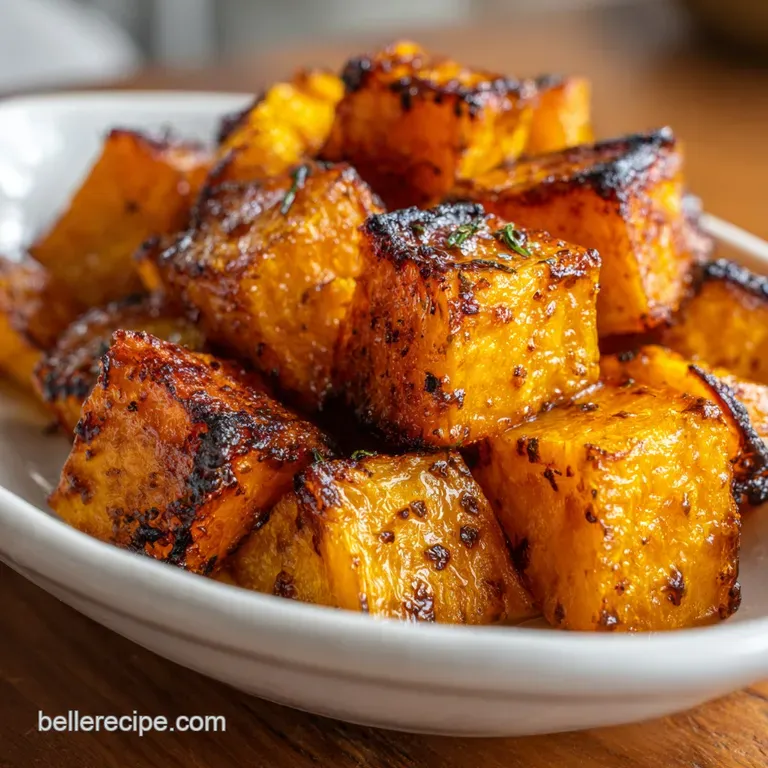
Let's crack on with the actual cooking. Follow these steps closely to get that shatter crisp edge.
- Preheat your oven to 400°F (200°C). Slice the Hubbard squash in half to create a stable base, then peel the skin and cut the flesh into uniform 1.5 inch cubes. Note: A stable base prevents the squash from rolling while you peel.
- In a large bowl, toss the squash cubes with olive oil, salt, and pepper until evenly coated.
- Spread the cubes in a single layer on a parchment lined baking sheet. Ensure they aren't touching, or they'll steam instead of roast.
- Roast for 30 to 35 minutes until edges are deep golden brown and the centers are tender when pierced with a fork.
- While the squash roasts, whisk together the maple syrup, melted butter, cinnamon, and thyme in a small bowl.
- Remove the pan from the oven and drizzle the glaze over the squash. Toss gently with a spatula to coat.
- Return to the oven for another 10 minutes until the glaze bubbles and the squash is fragrant.
- Remove from the oven and let it rest for 5 minutes. This allows the glaze to thicken and become velvety.
Fixing Common Problems
Even the best of us hit a snag. Here is how to handle the most common issues with this Roasted Hubbard Squash Recipe.
The Squash is Too Hard to Cut
Hubbard skin is notoriously thick. If your knife is sliding, you're using the wrong blade. Switch to a serrated knife or the microwave trick mentioned earlier. According to King Arthur Baking, utilizing the right tool for the specific density of a vegetable is key to safety.
Exterior is Burning, Inside is Raw
This usually happens if your oven runs hot or your cubes are too small. If you see the edges turning black before the middle is soft, drop your temperature to 375°F and extend the time by 10 minutes.
The Squash is Too Watery
This is a "crowded pan" problem. When cubes are piled on top of each other, the moisture they release stays trapped, effectively boiling the squash. Give them space to breathe.
| Problem | Root Cause | Solution |
|---|---|---|
| Mushy texture | Pan too crowded | Use two baking sheets |
| Burnt glaze | Added syrup too early | Glaze only in the last 10 mins |
| Bland taste | Not enough salt | Season again immediately after roasting |
Common Mistakes Checklist:
- ✓ Did you use parchment paper? (Essential for sugar based glazes)
- ✓ Are the cubes uniform in size? (Prevents uneven cooking)
- ✓ Did you leave space between pieces? (Ensures crisping)
- ✓ Did you wait for the bubbles in the glaze? (Ensures flavor concentration)
Adjusting the Batch Size
Whether you're cooking for two or a crowd, you can scale this Roasted Hubbard Squash Recipe easily.
Scaling Down (Half Batch): Use a smaller sheet pan to keep the heat concentrated. You can usually reduce the roasting time by about 20%, so check for doneness at 25 minutes.
Scaling Up (Double or Triple Batch): Do not crowd the pan. I repeat: do not crowd the pan. Use multiple baking sheets and rotate them halfway through the cooking process.
For the glaze, only increase the salt and cinnamon to 1.5x rather than doubling them; spices can become overwhelming in larger quantities.
If you're doubling the recipe, I recommend lowering the oven temp to 375°F and adding 10-15 minutes to the time. This ensures the center of the pan gets as much heat as the edges.
Squash Myths Debunked
There are a few things people believe about winter squash that just aren't true.
Myth 1: You have to peel the Hubbard squash. Actually, the skin of some Hubbard varieties is edible if roasted long enough, but it's often tough and bitter. For this recipe, we peel it for that velvety texture, but for a soup, you can leave it on and blend it in.
Myth 2: Searing the squash in a pan first makes it better. Not really. While a sear adds color, the over high heat oven roast does the same work more efficiently for large batches. A stovetop sear often leads to the outside burning before the inside is cooked.
Storage and Zero Waste
Don't let any part of this vegetable go to waste. Hubbard squash is a gift from the garden.
Storage Guidelines: Keep leftovers in an airtight container in the fridge for up to 4 days. To reheat, avoid the microwave if you want to keep the edges crispy; use a toaster oven or a skillet over medium heat for 5 minutes.
For freezing, you can freeze the roasted cubes for up to 3 months, though the texture will be softer upon thawing.
Zero Waste Tips: Don't throw away the seeds! Scoop them out, rinse them, toss them with a bit of oil and salt, and roast them at 325°F for 15-20 minutes. They make a crunchy, nutty snack that's far better than store-bought.
The peels can be simmered in a pot with onion and carrot scraps to make a basic vegetable stock.
Serving Suggestions
This dish is versatile, but the way you serve it can change the whole vibe of the meal.
For a Fancy Dinner: Pile the squash in the center of a platter and garnish with a sprinkle of pomegranate seeds and a handful of crumbled feta. The acidity of the pomegranate and the saltiness of the feta create a beautiful contrast with the maple glaze.
For a Cozy Weeknight: Serve it as a base for a bowl of quinoa or farro, topped with a dollop of Greek yogurt and a pinch of smoked paprika.
As a Component: If you have leftovers, mash them into a puree and use it as a bed for roasted pork loin or grilled salmon. The sweetness acts as a natural sauce. If you love the earthy vibe of roasted veg, this is a great companion to a simple garlic roasted chicken.
Recipe FAQs
What is the best way to cook Hubbard squash?
Roast it at 400°F after peeling and cubing. This method caramelizes the natural sugars and ensures a tender interior.
What temperature is best to roast squash?
Preheat your oven to 400°F (200°C). This specific temperature is necessary to achieve deep golden brown edges without overcooking the center.
What spices go well with roasted squash?
Ground cinnamon and fresh thyme create a perfect balance. This sweet and savory side pairs beautifully with a hearty main, such as a slow cooked roast.
How long do you keep squash in the oven at 400 degrees?
Roast for 30 to 35 minutes, followed by 10 minutes after applying the glaze. The two-stage process ensures the squash is fully cooked before the glaze caramelizes.
How do I store and reheat the leftovers?
Store in an airtight container in the fridge for up to 4 days. Reheat in a skillet over medium heat for 45 minutes to restore the crispy edges.
Can I freeze roasted Hubbard squash?
Yes, you can freeze the cubes for up to 3 months. Note that the texture will be slightly softer once they are thawed.
Is it true that Hubbard squash skin is edible?
No, this is a common misconception. The skin is far too tough for roasting and must be peeled before cutting the squash into cubes.
Roasted Hubbard Squash Recipe in 65 Min