Classic Boomer Recipe with Savory Meatloaf: Ultimate Comfort Meal
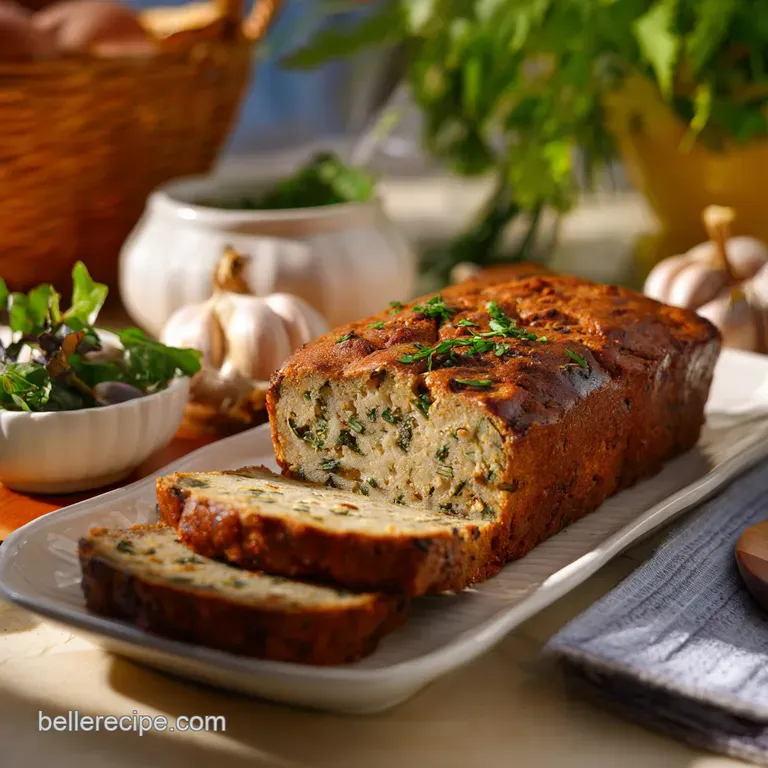
- Time: Active 20 minutes, Passive 1 hours, Total 1 hours 20 minutes
- Flavor/Texture Hook: Tender, melt in-the mouth crumb with a velvety, savory brown gravy glaze
- Perfect for: Sunday family gatherings, restorative weeknight dinners, or those craving authentic nostalgia
- Reviving the Classic Boomer Recipe with Savory Meatloaf
- The Science of Flavor Layers
- Critical Temperature and Time Specs
- Quality Elements for Deep Flavor
- Essential Gear for Best Results
- Step-by-Step Cooking and Layering
- Fix Common Texture and Flavor Issues
- Smart Swaps for Modern Kitchens
- Practical Storage and Reheating Tips
- Perfect Sides for Comfort Meals
- Debunking Meatloaf Traditions
- High in Sodium ⚠️
- Recipe FAQs
- 📝 Recipe Card
Reviving the Classic Boomer Recipe with Savory Meatloaf
I remember the specific sizzle of a cast iron pan and the scent of dried sage wafting through my grandmother's house every Sunday evening. There is something profoundly restorative about a dish that doesn't try too hard to be "gourmet" but instead focuses on the mindful layering of simple, honest flavors.
We’ve all suffered through those dry, brick like loaves of the past, but this version changes the narrative entirely.
This isn't just a meal; it's an opportunity to share a piece of culinary history that has been refined for the modern palate. By combining 1.5 lbs 80/20 ground beef with 0.5 lbs ground pork, we achieve a fat ratio that ensures every bite is succulent rather than sandy.
The addition of a savory brown gravy a hallmark of classic boomer recipes transforms the exterior into a deeply seasoned crust that shatters slightly before giving way to a tender interior.
Trust me, I've made the mistake of overworking the meat until it felt like rubber. We are going to avoid that today. We’re going to treat these ingredients with the respect they deserve, building a flavor profile that feels like a warm hug at the end of a long day. If you enjoy this kind of heartiness, you might also find comfort in our Savory Sausage Dressing Recipe, which uses similar herb profiles to create that same vintage magic.
The Science of Flavor Layers
Understanding how proteins and starches interact is the secret to moving from a "good" cook to a "mindful" one who understands their craft.
- Starch Hydration: The 1 cup panko breadcrumbs soaked in 1/2 cup whole milk (the panade) prevents meat fibers from knitting together too tightly, ensuring a velvety texture.
- Protein Denaturation: Mixing the 1.5 lbs 80/20 ground beef gently prevents the proteins from becoming tough and springy, preserving the delicate crumb.
- Maillard Reaction: Using 1/2 tsp browning sauce in the gravy facilitates a complex chemical reaction between amino acids and reducing sugars, deepening the savory "umami" profile.
- Fat Emulsification: The 3 tbsp unsalted butter and 3 tbsp all purpose flour roux creates a stable network that suspends the beef stock, resulting in a glossy, thick gravy.
| Thickness | Internal Temp | Rest Time | Visual Cue |
|---|---|---|---|
| 2 inches | 160°F | 10 mins | Juices run clear; firm to touch |
| 3 inches | 160°F | 15 mins | Deep mahogany exterior crust |
| Mini loaves | 160°F | 5 mins | Sides pull away from the pan |
Every stage of this process is about patience. When we let the meatloaf rest for those 10 minutes after it leaves the oven, we are allowing the internal juices to redistribute.
If you cut into it too early, those savory juices the lifeblood of the loaf will simply wash away onto the cutting board, leaving you with a dry result.
Critical Temperature and Time Specs
| Component | Science Role | Pro Secret |
|---|---|---|
| 80/20 Ground Beef | Fat to lean ratio | The 20% fat renders during the 1 hours bake, self basting the meat from the inside out. |
| Panko Breadcrumbs | Structural integrity | Panko has more surface area than traditional crumbs, trapping more moisture for a lighter, less dense loaf. |
| Worcestershire Sauce | Umami booster | Provides fermented depth and acidity that cuts through the richness of the ground pork. |
| Large Eggs | Protein binder | Acts as the "glue" that holds the loaf together while adding a rich, custardy mouthfeel to the crumb. |
Selecting the right meat is the foundation of this whole experience. I always suggest visiting a local butcher if you can; the freshness of the grind makes a world of difference in how the flavors transform during the roasting process. It’s the same attention to detail I look for when making my Meatloaf Recipe The, where every ingredient serves a specific, mindful purpose.
Quality Elements for Deep Flavor
To begin this journey, gather your components. Ensure your 1/2 cup whole milk and 2 large eggs are at room temperature to help them integrate more smoothly into the cold meat.
- 1.5 lbs 80/20 ground beef
- 0.5 lbs ground pork Why this? Pork adds essential fat and a softer texture that beef alone lacks.
- 1 cup panko breadcrumbs (Sub: Crushed saltine crackers for a saltier, vintage crunch)
- 1/2 cup whole milk (Sub: Heavy cream for a more decadent, silky interior)
- 1 large yellow onion, finely diced
- 3 cloves garlic, minced
- 2 large eggs
- 2 tbsp Worcestershire sauce
- 1 tbsp Dijon mustard Why this? The vinegar and mustard seed act as an emulsifier and brighten the savory notes.
- 2 tbsp fresh parsley, chopped
- 1 tsp dried thyme
- 1 tsp dried sage
- 1.5 tsp Kosher salt
- 1 tsp cracked black pepper
- 2 cups beef stock
- 3 tbsp unsalted butter
- 3 tbsp all purpose flour
- 1 tsp onion powder
- 1/2 tsp browning sauce (Sub: Soy sauce, though it adds more salt and less color)
Chef's Tip: Freeze your 3 tbsp unsalted butter for 10 minutes before making the gravy roux. Cold butter hitting a hot pan creates a more stable emulsion, leading to a gravy that is velvety rather than greasy.
Essential Gear for Best Results
Having the right tools is like having a reliable partner in the kitchen. For this Savory Meatloaf, you don't need fancy gadgets, just a few sturdy items that have stood the test of time.
- Large Mixing Bowl: Use stainless steel or glass to keep the meat chilled while you work.
- 9x5 Inch Loaf Pan: Or a rimmed baking sheet if you prefer a "free form" loaf with more crusty surface area.
- Small Saucepan: For whisking together that glossy, savory brown gravy.
- Meat Thermometer: The only way to guarantee 160°F without guessing.
- Whisk: Essential for ensuring your flour and butter transform into a smooth roux.
When I first started cooking, I used to guess when the meat was done by poking it with a finger. I was wrong more often than I was right. Investing in a simple digital thermometer changed everything it removed the anxiety and replaced it with confidence.
step-by-step Cooking and Layering
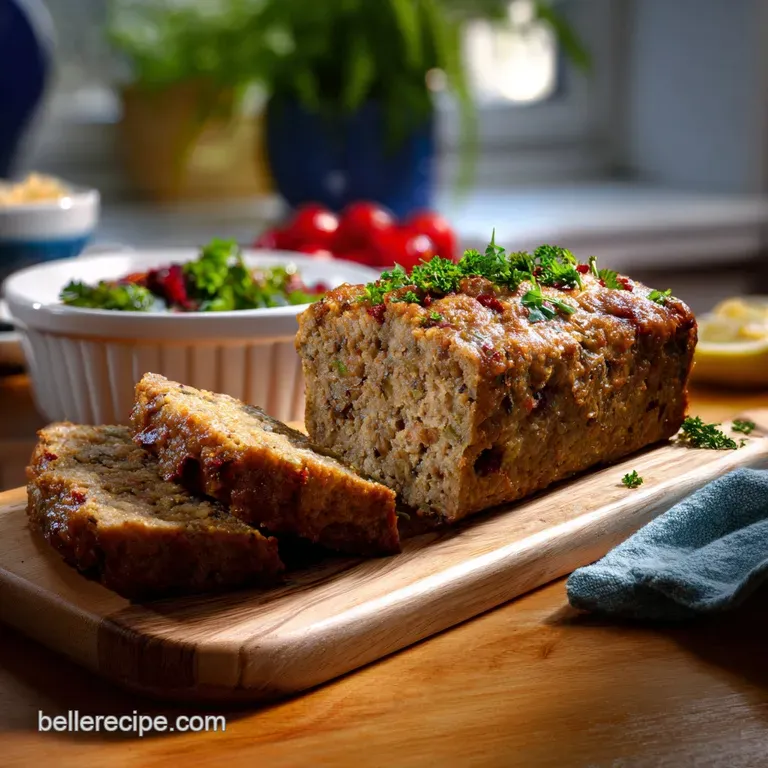
- Hydrate the panko. Combine 1 cup panko and 1/2 cup milk in a small bowl. Note: This creates the panade that keeps the meat tender.
- Sauté the aromatics. Cook 1 diced yellow onion and 3 minced garlic cloves in a dash of oil until translucent and fragrant.
- Combine the wet ingredients. Whisk 2 eggs, 2 tbsp Worcestershire, 1 tbsp Dijon, and the dried herbs in a large bowl.
- Incorporate the meat. Add 1.5 lbs beef and 0.5 lbs pork to the egg mixture. Note: Use your hands but don't squeeze too hard!
- Fold in the panade. Add the soaked panko and the cooled onion mixture to the meat.
- Shape the loaf. Gently press the mixture into a 9x5 pan or shape it into a 9 inch log on a baking sheet until smooth on top.
- Bake the loaf. Roast at 350°F for 45 minutes until the exterior is browned and sizzling.
- Prepare the roux. Melt 3 tbsp butter in a pan, whisk in 3 tbsp flour, and cook for 2 minutes until it smells nutty.
- Whisk the gravy. Slowly add 2 cups beef stock, onion powder, and 1/2 tsp browning sauce. Simmer until velvety and thick.
- Final glaze and rest. Pour half the gravy over the loaf, bake for 15 more minutes, then let it rest 10 minutes before slicing.
The scent of the sage and thyme hitting the heat is something I wish I could bottle up. If you are a fan of these herbal, savory notes, you really must try a Classic Corned Beef recipe sometime it uses a similar "low and slow" philosophy to transform tough cuts into something extraordinary.
Fix Common Texture and Flavor Issues
Why Your Meatloaf Falls Apart
This usually happens because the binder wasn't strong enough or the meat was too lean. The combination of 2 eggs and a milk soaked panade is designed to create a "matrix" that holds everything in place. If you find it’s still crumbling, you might be slicing it while it’s still piping hot.
Why the Meat feels Rubbery
Overmixing is the culprit here. When you work ground meat too much, the proteins bond too tightly, turning a tender loaf into something resembling a hockey puck. Use a light hand think of it as folding, not kneading.
| Problem | Root Cause | Solution |
|---|---|---|
| Dry Texture | Meat too lean (90/10) | Use 80/20 beef and add 0.5 lbs ground pork for fat content. |
| Greasy Bottom | Loaf sat in rendered fat | Bake the loaf on a wire rack set inside a rimmed baking sheet. |
| Lacks Flavor | Under seasoning | Increase Kosher salt to 1.5 tsp and use fresh herbs where possible. |
Common Mistakes Checklist
- ✓ Never use "extra lean" beef; the 20% fat is required for moisture and flavor.
- ✓ Allow the sautéed onions to cool completely before adding them to the raw meat.
- ✓ Use a thermometer to hit 160°F; every minute over makes the loaf drier.
- ✓ Let the meatloaf rest for at least 10 minutes to allow juices to lock in.
- ✓ Don't skip the browning sauce in the gravy; it provides that essential vintage color.
Smart Swaps for Modern Kitchens
We often find ourselves needing to adjust based on what’s in the pantry or specific dietary preferences. This Classic Boomer Recipe with Savory Meatloaf is surprisingly flexible if you respect the ratios.
| Original Ingredient | Substitute | Why It Works |
|---|---|---|
| Whole Milk | Unsweetened Almond Milk | Provides hydration without dairy. Note: Results in a slightly less rich mouthfeel. |
| Panko Breadcrumbs | Ground Pork Rinds | Keeps the structure while making the dish keto friendly. |
| All Purpose Flour | Cornstarch (1.5 tbsp) | Thickens the gravy for a gluten-free option. Note: Slurry must be added to boiling stock. |
If you want a more "tangy" experience, you can swap the brown gravy for a classic tomato glaze (ketchup, brown sugar, and cider vinegar). However, you'll lose that deep, savory "boomer" essence that the gravy provides.
Another trick is to add 1 tsp of instant espresso powder to the gravy it doesn't taste like coffee, but it makes the beef flavor feel incredibly intense and dark.
Practical Storage and Reheating Tips
One of the best things about a Savory Meatloaf is how the flavors transform overnight. The spices have time to mingle, and the texture firms up, making for the world's best cold sandwiches the next day.
Storage: Keep leftovers in an airtight container in the fridge for up to 4 days. If you've poured gravy over the whole loaf, store the extra gravy separately if possible to prevent the crust from getting too soggy.
Freezing: You can freeze the raw mixture or the cooked loaf. For cooked meatloaf, wrap slices individually in plastic wrap and then foil. It will stay fresh for up to 3 months. Thaw in the fridge overnight before reheating.
Zero Waste Tip: Don't throw away those onion peels or parsley stems! Toss them into a freezer bag. When the bag is full, boil them with water to create a "scrap stock" that you can use instead of store-bought beef stock for your next gravy.
It’s a mindful way to honor every part of the ingredient.
Perfect Sides for Comfort Meals
When I think about serving this Classic Boomer Recipe with Savory Meatloaf, I envision a plate that celebrates textures. You want something creamy to catch the extra gravy and something bright to cut through the richness of the 80/20 beef.
- Garlic Mashed Potatoes: The ultimate vessel for that velvety brown gravy.
- Honey Glazed Carrots: The sweetness balances the savory dried sage and thyme.
- Steamed Green Beans: A bit of "snap" provides a nice contrast to the soft crumb of the loaf.
- For a lighter meal
- Serve a thick slice over a bed of dressed arugula. The peppery greens work beautifully with the Dijon mustard notes.
- For the "diner" experience
- Thick cut fries (shatter crisp!) and a side of slaw.
- For a holiday feel
- Pair it with a side of cranberry sauce; the acidity is a brilliant counterpoint to the ground pork.
Debunking Meatloaf Traditions
Many people believe that searing the outside of the meatloaf before baking "seals in the juices." In reality, searing is about the Maillard reaction and developing flavor through browning, not moisture retention. The best way to keep it juicy is a proper panade and not overcooking it.
Another common myth is that you need a specialized "meatloaf pan" with a lifting rack. While helpful, a simple rimmed baking sheet often produces a better result because more of the meat's surface area is exposed to the dry heat of the oven, resulting in a more flavorful, browned exterior.
Finally, don't believe the idea that meatloaf has to be a "dump and stir" recipe. Taking the extra 5 minutes to sauté your onions and garlic and to bloom your dried herbs in the egg mixture is what separates a mindful, restorative meal from a forgotten weeknight dinner.
Cooking is an act of sharing love, and those small steps are where the love lives.

High in Sodium ⚠️
890 mg 890 mg of sodium per serving (39% 39% of daily value)
The American Heart Association recommends limiting sodium intake to about 2,300mg per day for overall cardiovascular health.
Easy Tips to Reduce Sodium in Your Meatloaf
-
Low-Sodium Broth-30%
Replace regular beef stock with low-sodium or no-salt added beef broth. This is a significant source of sodium in the recipe and will reduce the overall sodium content considerably.
-
Reduce Added Salt-25%
Reduce the amount of Kosher salt added. Try using only 0.75 tsp (half the amount) and taste to adjust. You can always add more after cooking, but you can't take it away!
-
Low-Sodium Worcestershire-20%
Worcestershire sauce is high in sodium. Use a low-sodium version or reduce the amount used by half, substituting with a small amount of balsamic vinegar for depth of flavor.
-
Leaner Meat Choices-15%
Opt for leaner ground beef (e.g., 90/10) and consider using ground turkey or chicken instead of ground pork. These usually have lower sodium content compared to 80/20 ground beef and ground pork.
-
Omit Browning Sauce-10%
Browning sauce can contain sodium. Try to omit completely. This is easily replaced with a bit of paprika for color.
-
Flavor with Herbs & Spices
Enhance the flavor of your meatloaf with a generous amount of fresh and dried herbs and spices. This naturally boosts the flavor and reduces the need for added salt.
Recipe FAQs
What is the ideal fat content for classic meatloaf?
80/20 is best. The 20% fat in ground beef renders during cooking, self basting the meat for superior moisture and flavor, a secret often shared in recipes like our Parmesan Meatloaf Recipe An Italian Comfort Food Classic.
Why does my meatloaf fall apart?
Likely an insufficient binder or too lean meat. The combination of eggs and a milk soaked panade creates a "matrix" that holds the loaf together. Slicing while piping hot also contributes to crumbling.
How do I prevent my meatloaf from being rubbery?
Avoid overmixing. Working the meat too much tightens the proteins, resulting in a tough texture. Treat the mixture gently, as if you are folding ingredients together.
What temperature should meatloaf reach?
160°F is critical. Use a meat thermometer to ensure it reaches this internal temperature for food safety and optimal doneness without drying out.
Why is my meatloaf dry?
Too lean meat or overcooking. Opt for 80/20 ground beef, and consider adding ground pork for extra fat. Always let the meatloaf rest for at least 10 minutes after baking to lock in juices.
Can I use a different type of breadcrumb?
Yes, but panko is preferred for texture. While crushed saltine crackers offer a saltier, vintage crunch, panko's larger surface area traps more moisture, resulting in a lighter loaf.
What is the role of the panade in meatloaf?
It ensures a tender, velvety texture. The mixture of breadcrumbs soaked in milk prevents the meat fibers from bonding too tightly during cooking, acting much like the gentle hydration techniques used in a Classic Corned Beef recipe.
Savory Meatloaf Classic
Ingredients:
Instructions:
Nutrition Facts:
| Calories | 362 kcal |
|---|---|
| Protein | 23 g |
| Fat | 24 g |
| Carbs | 12 g |
| Fiber | 1 g |
| Sugar | 2 g |
| Sodium | 890 mg |
