Tender Slowbraised Beef Shin Ragu with Pappardelle

- Total3 Hrs 25 Mins
- Calories860 kcal
- CuisineItalian
- Time: 15 min active + 3 hours 10 mins cooking
- Flavor & Texture: Rich, savory, and tender
- Perfect for: Cold weather comfort dinner
Slowbraised Beef Shin Ragu with Pappardelle
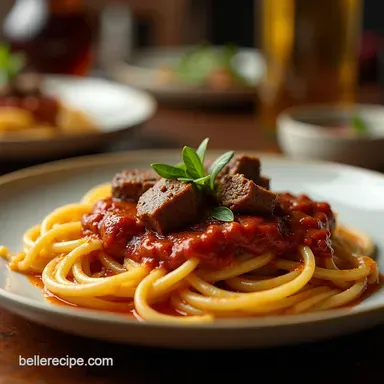
The dish is ready when the beef becomes tender enough to fall apart at the touch of a fork. Long before the pasta is boiling, the aroma of searing beef and toasted tomato paste will permeate your home, creating a cozy, inviting atmosphere.
This Slowbraised Beef Shin Ragu with Pappardelle thrives on balance. The richness of the slow-cooked beef is offset by the tang of balsamic vinegar and the crispness of fresh parsley, ensuring the flavors remain distinct rather than muted.
That patient simmering results in a thick sauce that coats every wide ribbon of pappardelle perfectly, rather than settling in the base of the dish. It takes time, but the final result rivals a dish served in a professional Italian trattoria.
What Makes This So Good
- Collagen Breakdown: Beef shin is full of connective tissue. As it simmers, that collagen turns into gelatin, which gives the sauce a rich, lip smacking body.
- The Hard Sear: Browning the meat at high heat creates a mahogany crust. This adds a deep, roasted flavor that simmering alone can't produce.
| Meat Choice | Cook Time | Texture | Best For |
|---|---|---|---|
| Beef Shin | 3+ hours | Melting, rich | Authentic comfort |
| Chuck Roast | 2-3 hours | Fibrous, tender | Faster prep |
| Ground Beef | 45 mins | Grainy, light | Weeknight meal |
Ingredients and Swaps
The beef shin is the star here. It provides the structural fat and gelatin needed for a thick sauce. If you can't find shin, a chuck roast works as an approximation, though the texture is slightly different.
The San Marzano tomatoes are chosen for their lower acidity and natural sweetness. Balsamic vinegar is the key to cutting through the richness of the beef, providing a sharp contrast. Finally, the unsalted butter stirred in at the end gives the sauce a glossy, polished finish.
| Original Ingredient | Substitute | Why It Works |
|---|---|---|
| Beef Broth (2 cups) | Vegetable Broth (2 cups) | Maintains liquid level. Note: Lacks the deep beefy punch |
| Pappardelle (1 lb) | Tagliatelle or Fettuccine | Similar wide shape. Note: Smaller ribbons hold slightly less sauce |
| Parmesan (1/2 cup) | Pecorino Romano | Similar salty, hard cheese. Note: Stronger, saltier tang |
For the Braised Beef
- 3 lbs beef shin, cut into 1.5 inch chunks Why this? High collagen for a thick, rich sauce
- 3 tbsp olive oil
- 1 large (150 g) onion, finely diced
- 2 medium (120 g) carrots, finely diced
- 2 stalks (60 g) celery, finely diced
- 4 cloves (20 g) garlic, minced
- 3 tbsp tomato paste Why this? Adds concentrated savoriness and color
- 2 cups low sodium beef broth
- 2 tbsp balsamic vinegar Why this? Bright acidity to balance the fat
- 28 oz (800 g) crushed San Marzano tomatoes
- 2 sprigs fresh thyme
- 2 dried bay leaves
- 1 tsp salt
- ½ tsp black pepper
For the Pasta and Garnish
- 1 lb dried pappardelle pasta
- ½ cup freshly grated Parmesan cheese
- ¼ cup fresh parsley, chopped
- 1 tbsp unsalted butter Why this? Creates a glossy, smooth finish
Equipment Needed
A heavy bottomed Dutch oven is the best tool for this. It holds heat evenly and prevents the bottom from scorching during the long simmer. You'll also need a large stockpot for the pasta and two forks for shredding the meat at the end.
From Prep to Plate
1. Searing for Maximum Depth
Dry the beef chunks thoroughly with paper towels; this prevents the meat from steaming and ensures a proper sear. Heat olive oil in your Dutch oven, setting the stove to medium-high. Brown the meat in small groups until a rich, mahogany crust develops on all sides.
Remove the beef and set it aside on a plate.

2. Building the Aromatic Base
Lower the heat to medium. In that same pot, add the carrot, celery, and onion. Sauté for 6–8 minutes until the vegetables are soft and translucent. Stir in the tomato paste and minced garlic, cooking for 2 minutes until the paste becomes a dark brick red and smells toasted.

3. The Slow-Braising Phase
Pour in the balsamic vinegar, scraping any caramelized residue from the base of the pot. Stir in the beef broth, crushed tomatoes, thyme, bay leaves, salt, and pepper. Return the beef and its juices to the pot.
Cover with a tight lid and simmer on the lowest setting for 2.5 to 3 hours until the beef is tender enough to fall apart. According to USDA guidance, the safe internal temperature is 145°F (63°C).
4. The Final Emulsion
Discard the bay leaves and thyme stalks. Use two forks to gently shred the meat directly in the pot, mixing it back into the sauce. Stir in the unsalted butter to add a layer of fat that makes the sauce feel velvety.
Cook the pappardelle in a large pot of salted water until al dente. Drain the pasta, but keep a small amount of the starchy water. Toss the noodles with the beef ragu and the reserved water until the ribbons are thoroughly coated. Serve immediately with parsley and Parmesan.

Troubleshooting Guide
Sauce is too thin
If the liquid hasn't thickened sufficiently, cook without the lid for the final 30 minutes. This allows steam to evaporate, which concentrates the flavor and reduces the sauce.
Meat is still tough
Beef shin can be temperamental. If the meat isn't shredding easily, it simply requires more time. Replace the lid and continue simmering for an additional 30 to 45 minutes.
Sauce tastes too acidic
This typically occurs when the tomatoes are particularly tart. Stirring in a small amount of sugar or a bit more butter can help neutralize the acidity.
Easy Swaps and Add-Ins
To add some heat, toss in a pinch of red pepper flakes while sautéing the garlic. For a lighter foundation, you can use a homemade tomato sauce as your liquid base.
If you prefer a gluten-free option, try chickpea or brown rice pappardelle. Be aware that these types of pasta often cook more quickly and may become overly soft, so begin checking them 2 minutes before the package directions indicate.
Storage & Reheating
Keep the sauce in an airtight container in the refrigerator for up to 4 days. In fact, the flavors deepen by the second day as the aromatics fully integrate.
This recipe is freezer-friendly. Store the ragu (without the pasta) in the freezer for up to 3 months. To reheat, warm it in a pan on medium-low until it is steaming hot throughout and reaches 165°F (74°C) in the center.
Stir in a bit of beef broth or water to loosen the consistency before combining it with fresh pasta.
What to Serve This With

As this is a rich meal, it goes perfectly with something fresh. A light arugula salad with lemon vinaigrette helps balance the flavors. I also enjoy pairing it with crusty homemade bread to mop up all the sauce.
Recipe FAQs
Can this ragu be made in a slow cooker?
Yes, it works well. Sear the meat and vegetables first for the best flavor, then transfer everything to the slow cooker for a low-heat braise.
How to make the sauce creamy?
Stir in the unsalted butter at the end. This creates a velvety emulsion that adds richness and a silky finish to the sauce.
Is steak a good substitute for beef shin?
Yes, but the texture differs. Steak lacks the high collagen content of beef shin, so it won't shred as easily and may become tough if simmered for the full duration.
Does flank steak work for this recipe?
Yes, though it is leaner. Because flank steak is less fatty than shin, ensure you slice it thinly across the grain after cooking to keep it tender.
Beef Shin Ragu with Pappardelle for 6
Ingredients:
Instructions:
You May Also Like

Meat Spaghetti Sauce with Ground Beef
Master Meat Spaghetti Sauce with this slow cooker spaghetti sauce with ground beef.

Nonna's Simple Homemade Tomato Sauce: Best Recipe
Want the best homemade tomato sauce recipe? This simple Italian tomato sauce, just like Nonna's,…

Easiest Homemade Bread: Crusty Loaf
Master Easiest Homemade Bread with our step-by-step guide for beginners.
