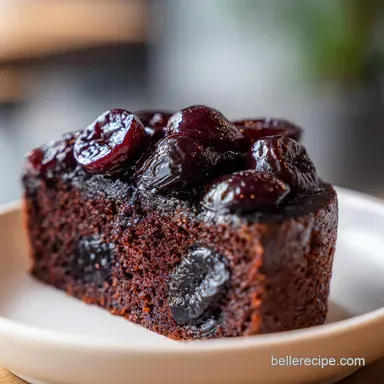
Old Fashioned Prune Cake: Tender and Rich
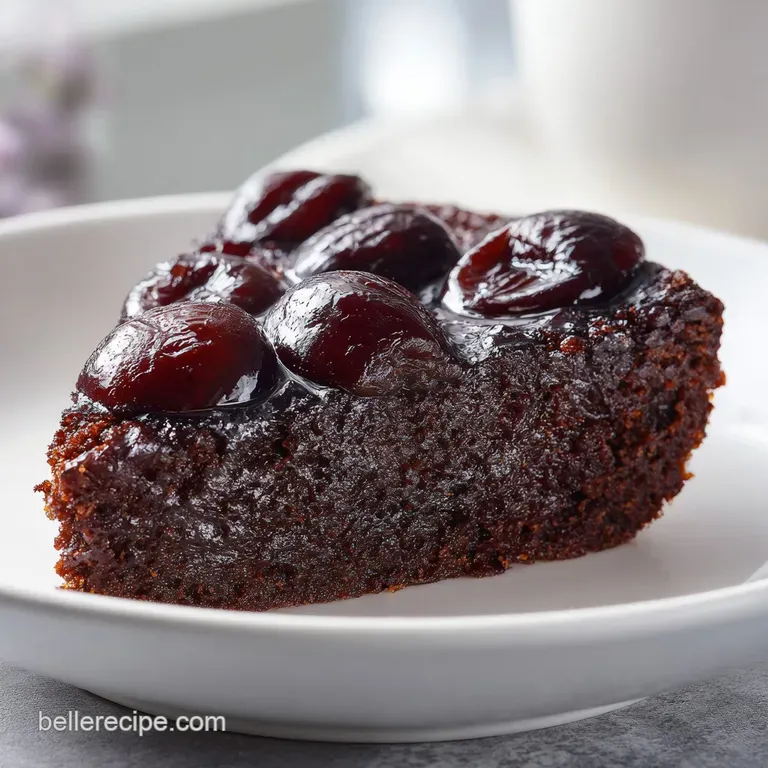
- Time: 20 min active + 45 min baking = 65 min total
- Flavor/Texture Hook: Syrupy, jammy prunes paired with a buttery, toasted pecan crunch
- Perfect for: Cozy autumn afternoons, holiday tea, or a nostalgic family gathering
The Best Prune Cake Recipe
That first scent hits you the moment the oven door opens, a deep, jammy aroma of heated prunes mixed with the toasted, earthy smell of pecans. It's the kind of smell that makes everyone in the house wander into the kitchen, asking what's baking.
I remember my great aunt making this during the rainy November weekends, her kitchen feeling like a warm sanctuary against the chill outside.
For a long time, I thought prunes were just for health conscious grandparents, but this dish completely changed my mind. There is something about the way the fruit softens into the batter, creating these little pockets of concentrated sweetness that contrast with the light, oil based cake.
It's not overly sweet, which is why it works so well with a cup of strong coffee.
You can expect a cake that is incredibly moist, almost fudgy in the areas where the prunes have melted. By using the "poke" method for the glaze, we ensure the sweetness isn't just sitting on top but is woven into every single bite.
This prune cake recipe is a quick win because it doesn't require a stand mixer or any fancy techniques, yet it tastes like it took all day to prepare.
What Makes it Moist
Fruit Hydration: The diced prunes act as tiny moisture reservoirs, releasing liquid slowly as they bake to keep the crumb tender.
Oil Based Fat: Unlike butter, vegetable oil stays liquid at room temperature, ensuring the cake feels velvety rather than firm.
Glaze Penetration: Poking holes in the hot cake allows the vanilla glaze to soak deep into the sponge, adding an extra layer of hydration.
Pecan Toasting: Pre toasting the nuts releases natural oils, which adds a nutty depth that cuts through the sweetness of the fruit.
| Method | Texture | Prep Effort | Best For |
|---|---|---|---|
| Poke Glaze | Syrupy/Moist | Low | Nostalgic tea cakes |
| Standard Frosting | Creamy/Dense | Medium | Birthday celebrations |
| Simple Dusting | Light/Airy | Very Low | Quick weeknight treats |
Component Analysis
| Ingredient | Science Role | Pro Secret |
|---|---|---|
| Pitted Prunes | Moisture & Body | Dice into sixths for even distribution |
| Vegetable Oil | Tenderizer | Use a neutral oil like canola for pure flavor |
| Baking Powder | Lift Agent | Sift with flour to avoid bitter clumps |
| Whole Milk | Protein/Fat | Room temperature milk prevents batter splitting |
What You'll Need
For this prune cake recipe, you don't need anything exotic. Most of this is probably sitting in your pantry right now. I've found that using a neutral oil is key here, as you want the deep, fruity notes of the prunes to be the star of the show.
For the Cake Batter
- 2 cups all purpose flour Why this? Provides the necessary structure for the fruit (Substitute: White whole wheat flour
- Note: Results in a heartier, denser crumb)
- 1 cup granulated sugar Why this? Classic sweetness that caramelizes slightly (Substitute: Coconut sugar
- Note: Adds a caramel like flavor)
- 1 tsp baking powder Why this? Ensures a steady, consistent rise (Substitute: 1/4 tsp baking soda + 1/2 tsp cream of tartar)
- 1/2 tsp salt Why this? Balances the sugars and enhances the fruit (Substitute: Fine sea salt)
- 1/2 cup vegetable oil Why this? Creates a softer, longer lasting moisture (Substitute: Melted coconut oil
- Note: Adds a faint coconut aroma)
- 2 large eggs Why this? Binds the ingredients and adds richness (Substitute: 2 flax eggs
- Note: Denser texture, slightly nuttier)
- 1/2 cup whole milk Why this? Adds creaminess and activates the leavening (Substitute: Unsweetened almond milk
- Note: Slightly thinner consistency)
- 1 cup pitted prunes, diced into sixths Why this? The soul of the recipe; provides jammy texture (Substitute: Dried figs
- Note: Different flavor profile, similar texture)
- 1/2 cup toasted pecans, chopped Why this? Adds a necessary crunch and earthiness (Substitute: Walnuts
- Note: Slightly more bitter, very traditional)
- 1 tsp vanilla extract Why this? Rounds out the fruit flavors (Substitute: Almond extract
- Note: Gives a more "marzipan" feel)
For the Signature Glaze
- 1 cup powdered sugar Why this? Dissolves quickly for a smooth finish (Substitute: Finely blended granulated sugar
- Note: Will be grainier)
- 3 tbsp whole milk or heavy cream Why this? Controls the thickness of the pour (Substitute: Water
- Note: Less rich, more translucent)
- 1/2 tsp vanilla extract Why this? Ties the glaze to the cake base (Substitute: Maple syrup
- Note: Changes flavor to maple)
Essential Gear For Your Kitchen
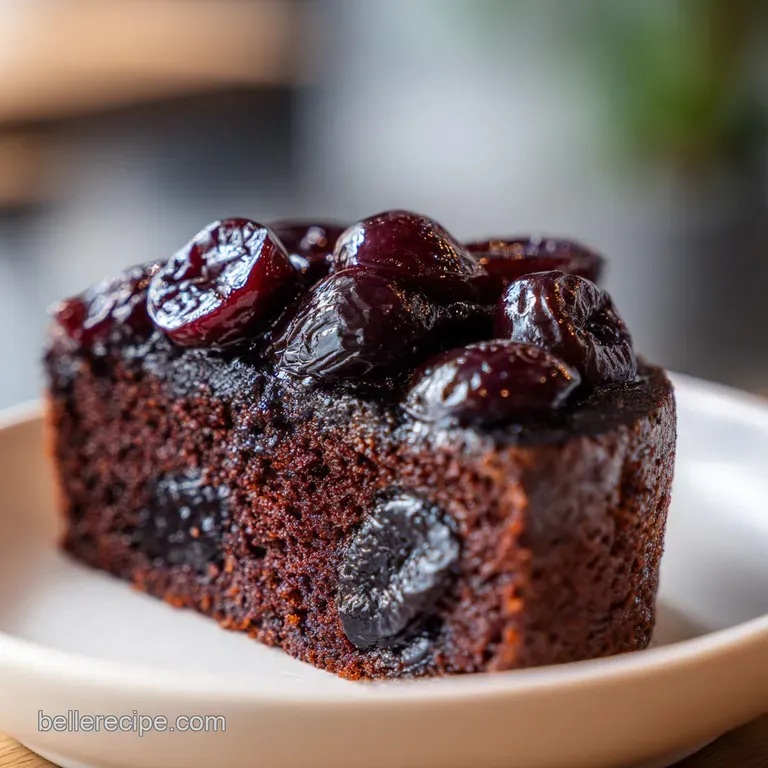
You don't need a professional kitchen for this. I usually just use a couple of bowls and a wooden spoon. If you're looking for a way to make the mixing faster, a stand mixer such as KitchenAid works, but it's honestly overkill for this particular batter.
- 9x13 inch baking pan (glass or metal)
- Large mixing bowl
- Wooden spoon or silicone spatula
- Whisk (for the glaze)
- Toothpick (for testing and poking)
- Measuring cups and spoons
Step-by-step Baking Guide
Right then, let's get into it. The key here is not to overwork the batter. We want a tender cake, not a piece of bread.
- Preheat your oven to 350°F (175°C). Grease your 9x13 inch baking pan with butter or non stick spray. Note: Greasing the sides well prevents the prunes from sticking to the edges.
- Dice the pitted prunes into sixths. until they are uniform in sizeNote: This ensures you get fruit in every bite without huge clumps.
- In a large mixing bowl, beat the vegetable oil, granulated sugar, and eggs. Beat until the mixture is pale and slightly fluffyNote: This incorporates air and helps the cake rise.
- Stir in the milk and vanilla extract. Mix until combined and smooth.
- Gradually fold in the all purpose flour, baking powder, and salt. Stir until just combinedNote: Overmixing develops gluten, which makes the cake tough.
- Gently fold in the diced prunes and chopped toasted pecans. Ensure they are evenly distributed.
- Pour the batter into the pan and smooth the top. Bake for 40-45 minutes until a toothpick inserted in the center comes out clean.
- While the cake is still hot, use a toothpick to poke holes across the entire surface. Note: Do this quickly while the steam is still escaping.
- Whisk together the powdered sugar, milk or heavy cream, and vanilla extract. Pour immediately over the hot cake.
Chef's Tip: To get the most out of your pecans, toast them in a dry pan over medium heat for 3-5 minutes until they smell fragrant. This removes the "raw" taste and makes the cake taste more professional.
Fixing Common Baking Mistakes
Even the best of us have those days where the cake doesn't behave. When it comes to this prune cake recipe, the most common issues usually stem from the batter consistency or the oven temperature.
Dense Cake Texture
If your cake feels more like a brick than a sponge, you likely overmixed the flour. Once the flour hits the liquid, the gluten starts to form. If you stir too much, you create a tight network that traps the air bubbles, leading to a heavy result.
Glaze Sitting on Top
If the glaze didn't soak in, it's usually because the cake cooled down too much before you poured it. The heat of the cake creates a vacuum effect that pulls the liquid down into the crumb. If the cake is lukewarm, the glaze just sits on the surface like a sheet of sugar.
Uncooked Center
When the edges are brown but the middle is still wobbly, your oven might be running hot. This sears the outside before the heat can penetrate the core. According to the King Arthur Baking guides on oven calibration, using an oven thermometer is the only way to be 100% sure of your temperature.
| Problem | Root Cause | Solution |
|---|---|---|
| Cake sank in middle | Too much baking powder or oven door opened | Check leavening amounts; don't peek before 30 mins |
| Prunes sank to bottom | Batter was too thin or prunes were too heavy | Fold prunes in last and don't over stir |
| Glaze is too runny | Too much milk added | Whisk in 1 tbsp more powdered sugar |
Common Mistakes Checklist
- ✓ Did you grease the pan all the way up the sides?
- ✓ Are the prunes diced small enough to stay suspended?
- ✓ Did you stop stirring the moment the flour disappeared?
- ✓ Did you poke the holes while the cake was steaming hot?
- ✓ Is your baking powder fresh (not expired)?
Creative Twists and Variations
One of the things I love about this prune cake recipe is how flexible it is. While the traditional version is a classic, you can easily tweak it to suit your mood.
The Spice Route If you want something that feels more like a winter treat, add 1 teaspoon of ground cinnamon and 1/4 teaspoon of ground cloves to the flour mixture. This gives it a warmth that pairs beautifully with the prunes.
Nut Alternatives Pecans are the standard, but walnuts provide a sharper, slightly more bitter contrast. For a more modern twist, try toasted hazelnuts or even slivered almonds. If you're avoiding nuts, toasted sunflower seeds can add a similar crunch.
Dairy-free Shifts You can easily make this dairy-free by using a plant based milk. Coconut milk works exceptionally well here because its richness complements the prunes. If you're looking for other nutty desserts, you might enjoy a Traditional Nut Roll, which shares that same comforting, earthy vibe.
The Citrus Kick Replace the vanilla in the glaze with a tablespoon of fresh lemon juice and some lemon zest. The acidity cuts through the richness of the oil and the sweetness of the prunes, making the cake feel lighter and fresher.
Storage and Reheating Tips
Because this prune cake recipe uses oil instead of butter, it actually stays moist longer than most cakes. You don't have to worry about it drying out after a single day.
Fridge Storage Store the cake in an airtight container in the fridge for up to 5 days. I actually prefer it slightly chilled, as the glaze becomes more like a fudge. When you're ready to eat, just let a slice sit at room temperature for 10 minutes.
Freezing Method This cake freezes beautifully. Wrap individual slices in parchment paper and then place them in a heavy duty freezer bag. They'll stay fresh for up to 3 months. To thaw, just leave a slice on the counter for an hour, or pop it in the microwave for 15 seconds.
Reheating for Freshness If you want that "just out of the oven" feel, warm a slice in the toaster oven at 300°F for about 5 minutes. This softens the prunes and makes the glaze a bit gooey again. If you find yourself with leftover cake scraps, you can actually cube them up and use them in a Homemade Bread Pudding for a secondary dessert.
Zero Waste Tips Don't throw away the leftover glaze if you made a bit too much. It's great as a dip for apple slices or drizzled over a bowl of Greek yogurt. If you have leftover prunes in the bag, chop them up and stir them into your morning oatmeal.
Serving and Presentation Ideas
You don't need to be a pastry chef to make this look great. Since it's a sheet cake, the beauty is in its simplicity.
The Rustic Cut Instead of perfectly square blocks, cut the cake into irregular rectangles. It gives it a home baked, comforting look that matches the flavor.
The Garnish Save a handful of the toasted pecans and sprinkle them on top of the glaze before it fully sets. A light dusting of cinnamon or a few fresh raspberries on the side can add a pop of color to the deep brown of the cake.
The Perfect Pairing Serve this with a dollop of unsweetened whipped cream or a scoop of vanilla bean ice cream. The cold creaminess against the warm, syrupy cake is a match made in heaven. A drizzle of maple syrup over the ice cream can add another layer of depth.
Plating for Guests For a more formal presentation, use a round biscuit cutter to make small cylinders of cake. Layer them with a thin slice of fresh apple in between and finish with a drizzle of the leftover glaze.
It transforms a simple prune cake recipe into something that looks like it came from a boutique bakery.
Decision Shortcut
- If you want a richer flavor, use heavy cream in the glaze.
- If you want a lighter cake, replace 1/4 cup of flour with almond flour.
- If you want a deeper fruit taste, soak the prunes in warm water for 10 mins before dicing.
Recipe FAQs
Is prune cake healthy to eat?
Yes, it is more nutrient dense than standard cakes. Prunes provide essential fiber and potassium, though the sugar and oil content mean it should be enjoyed in moderation.
How to prevent prunes from clumping or sinking?
Dice the pitted prunes into sixths. Uniform sizing ensures they distribute evenly throughout the batter instead of sinking to the bottom in large clumps.
Why is vegetable oil used instead of butter?
Oil keeps the cake moist for longer. If you enjoyed mastering this moist crumb, see how a different fat ratio creates the texture in our Filipino Bread Rolls.
How to ensure the glaze penetrates the cake?
Poke holes across the surface with a toothpick while the cake is still hot. This allows the powdered sugar and milk mixture to soak deep into the crumb rather than sitting on top.
How to store the cake to keep it moist?
Keep it in an airtight container in the fridge for up to 5 days. For the best texture, let a slice sit at room temperature for 10 minutes before eating.
Can I freeze the cake for later?
Yes, it freezes beautifully. Wrap individual slices in parchment paper and place them in a heavy duty freezer bag to prevent freezer burn.
How to tell when the cake is fully baked?
Insert a toothpick into the center. The cake is done when the toothpick comes out clean after baking for 40-45 minutes at 350°F.
Traditional Prune Cake Recipe