Chewy Molasses Cookies: the Ultimate Thick, Ginger Spiced Classic
- The Cracking Good Chewy Molasses Cookies: A Timeless Classic
- Mastering the Chew: The Science Behind Perfect Molasses Cookies
- Ingredients Checklist: Essential Components for Chewy Molasses Cookies
- Baking the Perfect Batch: Step-by-Step Instructions
- Troubleshooting and Expert Tips for Chewy Molasses Cookie Success
- Making Ahead: Storage and Freezing Guide
- Delicious Pairings: What to Serve with Molasses Cookies
- Recipe FAQs
- 📝 Recipe Card
The Cracking Good Chewy Molasses Cookies: A Timeless Classic
Walking into a kitchen when these are baking? Seriously, nothing better, especially on a chilly day. That incredible blend of warm ginger, spicy cinnamon, and earthy molasses just hits you instantly, wrapping you up like a cozy blanket.
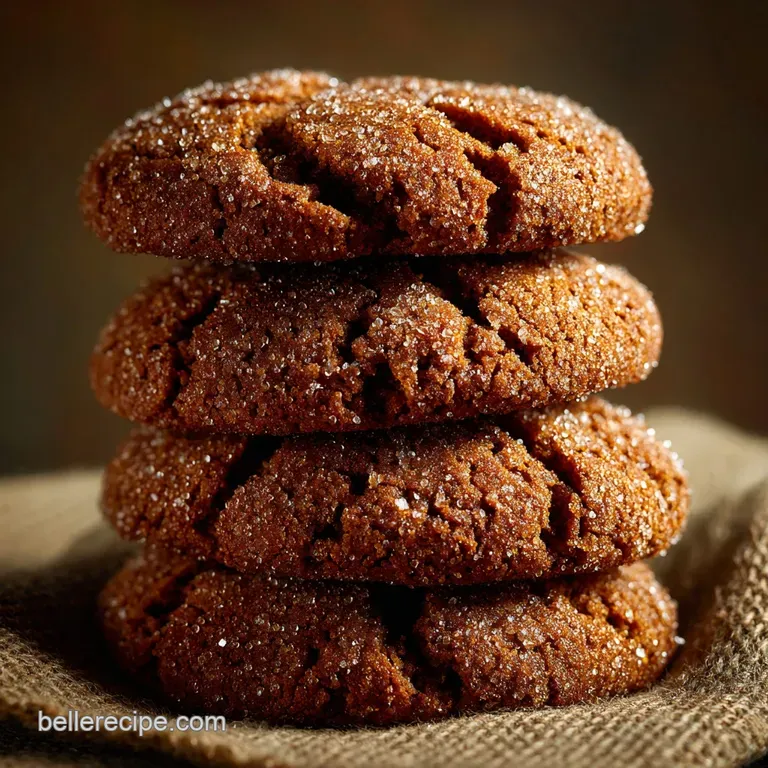
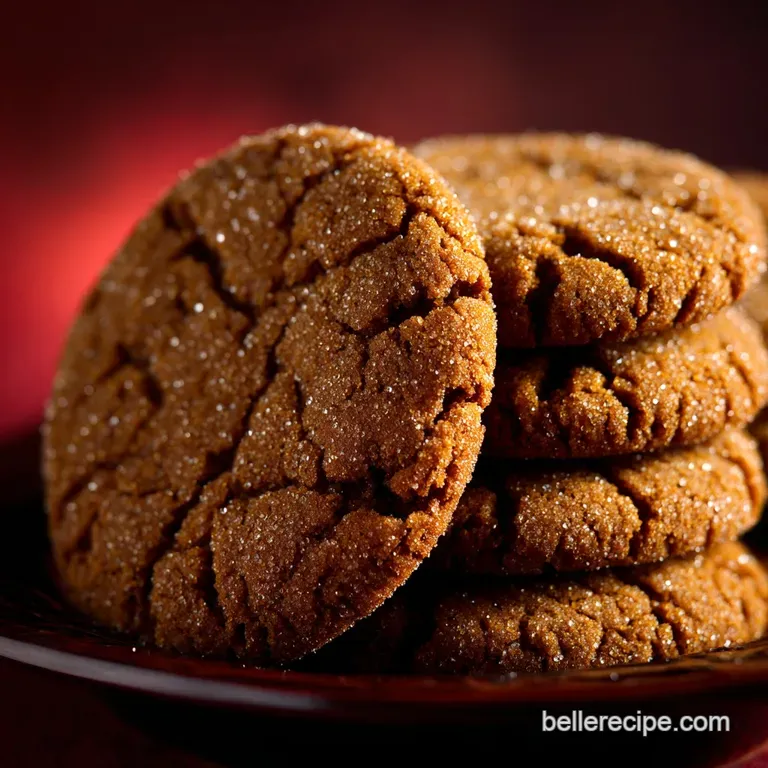
They look gorgeous, too big, rustic domes with those signature cracks, promising a perfect, soft, gooey center that melts in your mouth.
This recipe is my emergency button for ultimate comfort food because they are so reliable and easy. They use basic pantry ingredients you probably already have, and the active mixing time is shockingly fast.
Honestly, sometimes you just need something fast that makes the house smell like a holiday hug, without a huge fuss.
Forget the dry, hard hockey pucks sometimes called "molasses cookies." We are going straight for the thick, chewy molasses cookies recipe that changed my baking life forever. Trust me, I’ve messed these up every possible way I'm here to share the real secrets so you skip the errors and get straight to the chewy perfection.
Mastering the Chew: The Science Behind Perfect Molasses Cookies
What Makes These Cookies So Addictively Chewy?
The real secret weapon here is the combination of dark brown sugar and the molasses itself. Molasses is a liquid sugar, a humectant, which means it actively attracts and holds onto moisture even after baking.
This is fundamentally why molasses makes cookies chewy —it dramatically slows down the rate at which the starches in the flour dry out. We also use a very high ratio of brown sugar to white sugar, boosting that crucial moisture retention.
Ginger, Cinnamon, and Clove: Understanding the Triple Spice Blend
This blend isn't just about flavour; it’s about creating depth. Ground ginger gives that signature warmth and a lovely bite you expect from ginger spiced molasses cookies. Cinnamon adds deep, earthy sweetness, balancing the sharp ginger.
The clove, though used sparingly, anchors the whole profile, preventing the cookies from tasting overly sweet or one-note.
Equipment Check: Tools Needed for Perfect Baking
You don’t need fancy equipment, but a stand mixer helps speed things up drastically when creaming the butter and sugar. If you are using a hand mixer, that works perfectly fine, just be patient during the creaming stage. Crucially, invest in a medium sized cookie scoop.
Using a scoop ensures every single dough ball is the exact same size, guaranteeing perfectly even baking across the entire batch.
The Role of Dark Molasses in Moisture and Color
We are looking for Robust or Dark Molasses here, sometimes labeled as 'unsulphured.' Never use Blackstrap molasses for baking. Blackstrap is the final boil, incredibly bitter, and will ruin the delicate balance of the ginger spice.
Dark molasses gives that beautiful rich, deep mahogany colour and provides the necessary acidity to activate the baking soda fully, which contributes to the cracking.
Controlling the Spread: Balancing Butter and Flour Ratios
Butter temperature is absolutely key to controlling cookie spread. We use softened, room temperature butter, not melted butter, because we need to cream air into the dough for rise. If the finished dough spreads too much, it was either too warm, or you need to measure your flour more carefully.
This recipe uses slightly more flour than many others, designed specifically to ensure we get thick chewy molasses cookies every single time.
Why Chilling the Dough is Non-Negotiable
Seriously, if you skip the chilling stage, expect thin, flat cookies. Chilling the dough solidifies the fat (butter). When those cold fat pockets hit the hot oven, they melt slower, meaning the dough sets up structurally before the butter fully liquifies and spreads out.
This gives you beautiful thickness, prevents excessive spreading, and also deepens the spice flavour. Sixty minutes is the absolute, non-negotiable minimum.
Ingredients Checklist: Essential Components for Chewy Molasses Cookies
We keep the list beautifully simple, focusing heavily on quality spices and the right kind of molasses. Remember, accurate measurement spooning and leveling the flour is half the battle for successful baking!
Choosing Your Molasses: Blackstrap vs. Light
For the best chewy molasses cookies, use a dark, robust molasses. Light molasses will work but won't deliver the deep, rich colour and flavour. As mentioned, Blackstrap is too potent and bitter for this application, so please skip it.
Spice Power: Fresh vs. Dried Ginger Notes
This recipe relies on ground ginger for both flavour and structure, as it helps absorb moisture in the dry mix. If you are a true ginger fanatic, you can fold in 1 2 tablespoons of finely minced crystallized ginger during the final mixing phase for incredible texture and flavor bursts.
Creaming Method Prep: Softening Butter and Sugar
Your butter should be perfectly room temperature soft enough that you can easily indent it with your finger, but not greasy or starting to melt. If it is too warm, the air won't incorporate properly during the creaming stage. This step creates the foundation for a light, soft cookie structure.
Ingredient Swaps and Allergy Notes
Don't panic if you’re missing something! Baking is about substitution and resourcefulness.
| Ingredient | Substitute | Important Note |
|---|---|---|
| Dark Molasses | Equal amount of Golden Syrup (Lyle's) | Will yield a lighter colour and softer, less intense flavour. |
| Brown Sugar | Granulated Sugar + 2 tbsp Molasses (per cup) | Essential for that dense, chewy texture; don't substitute fully with white sugar. |
| All-Purpose Flour | 1:1 gluten-free Baking Blend | Look for a blend containing xanthan gum for better structure and chew. |
| Ground Cloves | Allspice or Nutmeg | Use ¾ of the amount listed, as Allspice is quite powerful. |
Baking the Perfect Batch: step-by-step Instructions
Phase 1: Creaming the Fats and Sugars Properly
In your mixing bowl, beat the softened butter, dark brown sugar, and ¼ cup of white granulated sugar together until the mixture looks noticeably pale and fluffy. This usually takes 3- 4 minutes on medium speed.
Stop the mixer, scrape down the sides, then beat in the room temperature egg and vanilla until just combined.
Phase 2: Mixing the Dry Ingredients and Folding in Molasses
In a separate bowl, whisk your flour, baking soda, salt, and all the spices (ginger, cinnamon, clove) thoroughly until fully combined. Add the molasses to your wet mixture and mix briefly until it’s fully incorporated and glossy.
Gradually add the dry mix into the wet mixture, mixing on low speed until you see no more streaks of flour. Seriously, stop the mixer immediately to avoid developing tough gluten.
Phase 3: Rolling and Sugaring the Dough Balls
Cover the dough tightly and chill it in the fridge for a minimum of 60 minutes. This mandatory chill makes the dough firm enough to handle and prevents spreading. Scoop out 1.5 tablespoon portions and roll them tightly between your palms into uniform, smooth spheres.
Place the rolling sugar in a shallow bowl and roll each ball generously in the sugar until completely coated.
Baking Time and Temperature for That Soft Center
Preheat your oven to 350°F (175°C) and line your sheets with parchment paper. Place the sugared balls 2 inches apart on the prepared trays. Bake for 8– 10 minutes.
Here is the absolute key: Pull the trays when the edges are set and slightly golden, but the centers still look pale, puffy, and slightly soft. They will look slightly underdone, but trust me, they finish cooking on the hot tray, giving you that perfect dense center.
Troubleshooting and Expert Tips for Chewy Molasses Cookie Success
Mistake 1: Over Baking Leads to Hard, Dry Cookies
This is the single biggest failure point when making classic chewy molasses cookies. If you wait until the cookie looks fully golden brown and firm all over, you have essentially made a ginger snap. Solution: You must pull them out when the centers look puffy and pale.
When pressed lightly, the center should yield a little.
How to Avoid Dough That Crumbles or Spreads Too Thinly
If your dough is too stiff and crumbles when you try to roll it, you likely over measured the flour; try adding half a teaspoon of milk or water to hydrate it slightly. If the cookies spread into thin disks, your kitchen was too warm, or you skipped that critical one-hour chilling step. I once tried rushing cookies while making a big batch of Best Tender Blueberry Cookies Recipe with Fresh Lemon Zest , and the lack of chill ruined the texture. Patience is mandatory!
The Best Way to Roll the Dough for Maximum Cracking
Rolling the dough firmly in your hands before coating it compresses the dough slightly, ensuring a dense structure. The sugar coating then creates a resistant crust. As the dough expands in the heat, that resistant sugar layer breaks apart, giving you those iconic, deep cracks that everyone loves.
Temperature Control: Ovens and Baking Sheets
Always use light coloured baking sheets lined with parchment paper; dark sheets retain too much heat and can burn the cookie bottoms. Crucially, never place dough onto a hot baking sheet.
If you are working in batches, allow the sheets to cool completely between uses, or the dough will melt the fat instantly and cause uncontrollable spreading.
Making Ahead: Storage and Freezing Guide
Storing Baked Cookies for Optimal Freshness
Once fully cooled on the wire rack, store your baked cookies in an airtight container at room temperature. Thanks to the molasses, they stay wonderfully soft for about 4 5 days. If they start to feel stiff, pop a single cookie into the microwave for just 8 10 seconds.
The brief heat reactivates the moisture in the molasses instant warmth and freshness!
Freezing the Unbaked Dough (Instructions and Shelf Life)
Having frozen dough ready to go is the ultimate kitchen hack, especially during the holidays. Follow Phase 3 completely scoop, roll, and coat the dough balls generously in sugar. Place the sugared dough balls on a tray and flash freeze them for an hour until they are solid.
Transfer them to a freezer safe zip-top bag; they keep beautifully for up to 3 months. To bake: Bake directly from frozen, adding 3– 5 minutes to the total baking time.
Delicious Pairings: What to Serve with Molasses Cookies
These spiced beauties are rich and robust enough to pair well with strong, warming drinks or cooling dairy.
They are incredible alongside a strong cup of black coffee or even a mug of hot spiced apple cider. For an adult treat, try serving them alongside a slightly tart lemon curd or a dense chocolate ganache. If you enjoy elegant spiced cookies, you might also like my take on Earl Gray Cookies: The Duchesss Elegant Shortbread Tea Cookies , which offer a similar coziness but a different profile. For the perfect dessert, serve them warm with a scoop of premium vanilla bean ice cream.
Recipe FAQs
Why did my cookies come out hard or cakey instead of perfectly chewy?
This is usually due to overbaking or using too much flour. Ensure you measure the flour using the spoon and-level method, and bake them only until the edges are set and the center still looks slightly soft, typically 8-10 minutes.
Cooling on the baking sheet for a few minutes before moving them can also help retain crucial moisture.
What is the secret to achieving that signature cracked, sugary top?
The cracked top is a result of the high ratio of leavening agents (baking soda) reacting quickly with the acidity of the molasses. Crucially, before baking, make sure the dough balls are rolled thoroughly in granulated sugar, which locks in moisture and creates that beautiful, crystalized surface texture that cracks as the cookie expands.
Can I substitute blackstrap molasses for the dark molasses specified?
While possible, blackstrap molasses has a much stronger, slightly bitter flavor profile and is less sweet than standard dark molasses. If you must use it, reduce the amount slightly and increase the brown sugar to better balance the deep, intense flavor.
Using light or regular unsulphured molasses is preferable for optimal chewiness and flavor depth.
How should I store the finished Chewy Molasses Cookies?
Store the completely cooled cookies in an airtight container at room temperature, where they will stay fresh and chewy for up to one week. To maximize softness, you can optionally place half a slice of bread inside the container; the cookies will absorb moisture from the bread, keeping them tender.
Can I prepare the dough ahead of time or freeze it for later use?
Yes, this dough freezes exceptionally well. Shape the dough into balls, roll them in the sugar mixture, and freeze them solid on a lined tray before transferring them to a freezer safe bag for up to 3 months. Bake the frozen dough balls directly from the freezer, adding 2-3 minutes to the standard baking time.
Why did my cookies spread too thin during baking?
Excessive spread often happens if the butter was too soft or melted, or if the dough was not properly chilled before baking. Ensure your butter is only slightly softened to room temperature, not oily, and try chilling the scooped dough balls for a minimum of 30 minutes before rolling them in sugar and baking.
I prefer a milder spice level. How can I adjust the ginger and clove?
The intensity of the spice blend is central to the molasses cookie flavor, but you can certainly moderate it. If you find the recipe too bold, reduce the amount of ground clove by half, as clove provides the strongest flavor punch.
You may also swap some of the ground ginger for an equal measure of extra cinnamon, providing warmth without excessive sharpness.
Chewy Molasses Cookies Recipe
Ingredients:
Instructions:
Nutrition Facts:
| Calories | 120 kcal |
|---|---|
| Protein | 1.0 g |
| Fat | 4.5 g |
| Carbs | 20.0 g |
