Frozen Custard Recipe: Rich and Velvety
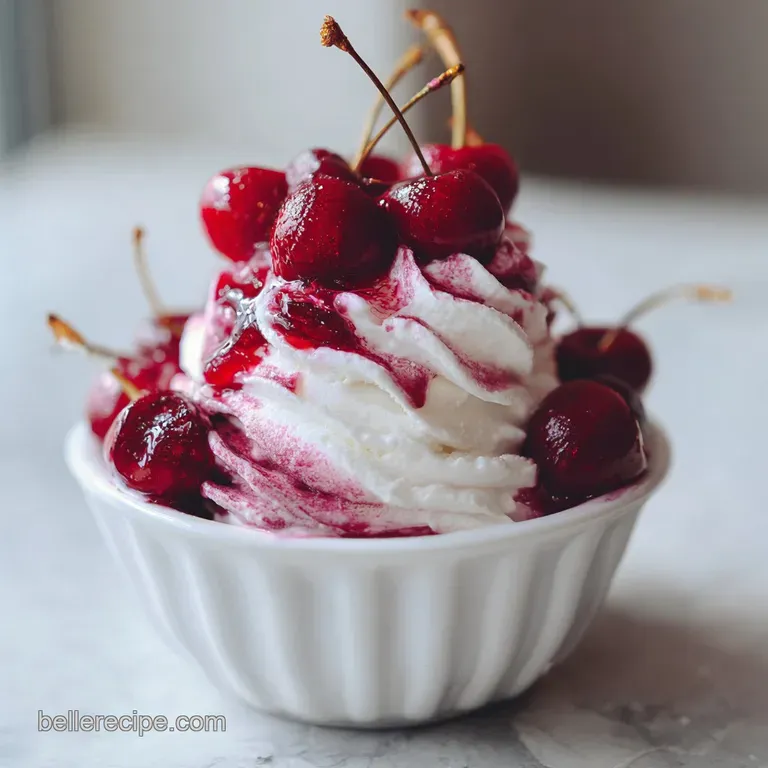
- Time: Active 20 minutes, Passive 15 minutes, Total 35 minutes
- Flavor/Texture Hook: Dense, buttery, and remarkably velvety
- Perfect for: Nostalgic summer gatherings or a mindful late night indulgence
- Crafting the Richest Homemade Frozen Custard Recipe
- The Science of Why it Works
- Precision Metrics for Best Results
- Selecting the Finest Custard Ingredients
- Tools Required for a Smooth Churn
- A Stage by-Stage Preparation Guide
- Resolving Common Smoothness Pitfalls
- Exploring Customization and Dietary Swaps
- Maintaining Freshness and Minimizing Waste
- Pairing Suggestions for the Ultimate Treat
- Culinary Myths Debunked
- Frozen Custard Recipe FAQs
- 📝 Recipe Card
Crafting the Richest Homemade Frozen Custard Recipe
If you have ever stood in a long line at a roadside stand on a humid July evening, you know the specific pull of a true frozen custard recipe. There is a weight to it that standard ice cream lacks, a sort of buttery persistence that lingers on the tongue.
I remember the first time I tried to recreate that feeling at home, I rushed the process and ended up with what can only be described as vanilla flavored scrambled eggs. It was a heartbreak, but it taught me that the secret isn't just the ingredients, it is the patience in the heat.
We are looking for a texture that doesn't just melt, it coats. This isn't the airy, whipped fluff you find in the grocery store freezer aisle. This is an old fashioned frozen custard recipe that demands a bit of your afternoon but rewards you with a scoop so smooth it feels like frozen silk.
We are going to build layers of flavor, starting with the mellow warmth of whole milk and finishing with the floral punch of high-quality vanilla.
Right then, let's get into the heart of it. We are going to use a generous amount of egg yolks because that is what defines a custard. Without them, you just have ice cream, but with them, you have something much more mindful and comforting.
We've all made mistakes in the kitchen, but this guide will help you navigate the tempering and the thickening like a pro, ensuring your final result is nothing short of spectacular.
The Science of Why it Works
Emulsification: The high lecithin content in the six egg yolks acts as a natural bridge between water and fat, creating a stable, velvety emulsion that prevents separation.
Ice Crystal Suppression: Increased solids from the yolks and sugar interfere with the formation of large ice crystals, ensuring a dense, soft serve frozen custard recipe texture even after hardening in the freezer.
| Method | Total Time | Final Texture | Best For |
|---|---|---|---|
| Classic Stovetop | 35 minutes | Ultra dense, buttery | Traditionalists seeking the richest mouthfeel |
| No Churn Whip | 20 minutes | Lighter, more airy | Quick cravings with minimal equipment |
| Ninja Creami | 5 minutes | Soft serve consistency | Single servings and precise portion control |
The classic stovetop method remains the gold standard for achieving that nostalgic, heavy on-the spoon feel. While it requires more active attention during the tempering phase, the depth of flavor developed as the proteins gently cook is incomparable. If you are looking for a similar comforting dairy project, you might notice the technique overlaps beautifully with a Classic Homemade Eggnog recipe which also relies on that delicate egg and dairy balance.
Precision Metrics for Best Results
The beauty of this frozen custard recipe lies in its simplicity, but that simplicity requires accuracy. We aren't just throwing things in a pot; we are managing a delicate thermal reaction. If the heat is too low, it stays thin, too high, and you've got breakfast.
Using 6 large egg yolks is non negotiable for that specific custard identity, providing the fat and protein structure needed for a slow melt.
| Component | Science Role | Pro Secret |
|---|---|---|
| Egg Yolks (6) | Primary Emulsifier | Use room temperature yolks to prevent thermal shock when tempering |
| Granulated Sugar (0.75 cup) | Freezing Point Depressant | Whisk with yolks until pale yellow to create a "ribbon" for smoother integration |
| Heavy Cream (1 cup) | Fat Content / Structure | Add this last to the cooked base to help cool it down rapidly |
| Fine Sea Salt (0.25 tsp) | Flavor Enhancer | Never skip this; it cuts through the fat to brighten the vanilla notes |
When you whisk the 0.75 cup of granulated sugar into those yolks, you’re looking for a specific visual cue. The mixture should transform from a bright orange yellow to a pale, creamy lemon color.
This stage is crucial because it ensures the sugar is partially dissolved before it even hits the heat, preventing a grainy finish in your final frozen custard recipe.
Selecting the Finest Custard Ingredients
- 6 large egg yolks: Why this? Essential for the legally defined "custard" fat content and velvety mouthfeel.
- Substitute: 1/2 cup liquid egg yolks (though fresh is always better for flavor).
- 0.75 cup granulated sugar: Why this? Provides sweetness and keeps the scoopable texture soft when frozen.
- Substitute: Caster sugar (dissolves even faster for a smoother base).
- 2 cups whole milk: Why this? The base liquid that carries the flavor without being overly heavy.
- Substitute: 2% milk (will result in a slightly less creamy, more "icy" finish).
- 1 cup heavy cream: Why this? Boosts the butterfat content to professional grade custard levels.
- Substitute: Coconut milk (full fat, 1 cup) - Note: Adds coconut flavor, best for tropical variations.
- 0.25 tsp fine sea salt: Why this? Balances the sugar and prevents the custard from tasting one dimensional.
- Substitute: Kosher salt (use 0.5 tsp as the grains are larger and less salty).
- 1 tbsp pure vanilla extract: Why this? The primary flavor driver; use the good stuff here.
- Substitute: 1 vanilla bean (scrape the seeds into the milk while heating for intense flavor).
Tools Required for a Smooth Churn
You don’t need a professional laboratory to make this, but a few specific items will make your life much easier. I highly recommend a heavy bottomed saucepan. Thin pots have "hot spots" that will scorch your milk before you even realize it's happening. A fine mesh strainer is also your best friend.
Even the most careful cook might have a tiny bit of egg that sets too quickly, and straining ensures those little bits don't ruin the velvety texture of your homemade frozen custard recipe.
For the actual freezing, a standard ice cream maker (like a Cuisinart or KitchenAid attachment) works perfectly. If you are adventurous, you can adapt this for a How to Make recipe approach using a manual churn for an even denser finish. Just ensure your freezing bowl has been in the deepest part of your freezer for at least 24 hours. A "mostly frozen" bowl is the number one reason why home cooks end up with soup instead of custard.
A Stage by-Stage Preparation Guide
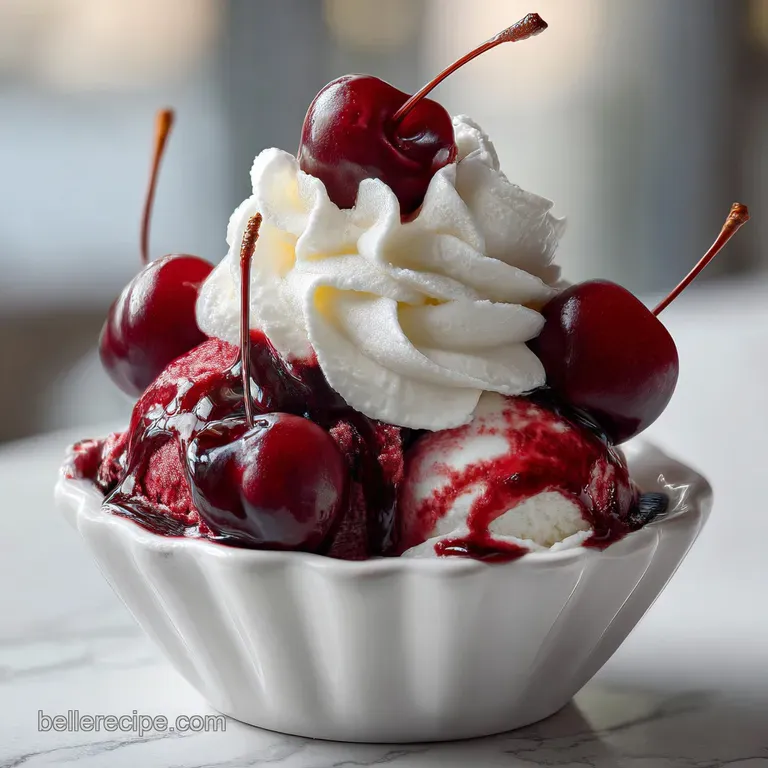
- Whisk the foundation. Combine 6 large egg yolks and 0.75 cup granulated sugar in a medium bowl. Note: Whisk vigorously for 2 minutes until the mixture is pale and forms a ribbon when lifted.
- Heat the dairy. Pour 2 cups whole milk and 0.25 tsp fine sea salt into a heavy saucepan. Note: Warm over medium heat until small bubbles form around the edges and steam rises.
- Temper the eggs. Slowly drizzle half of the hot milk into the egg mixture while whisking constantly. Note: This raises the egg temperature gradually without curdling or scrambling them.
- Thicken the base. Pour the egg milk mixture back into the saucepan with the remaining milk. Note: Stir constantly with a heat proof spatula until the liquid coats the back of a spoon.
- Stop the cook. Remove from heat immediately and stir in 1 cup heavy cream and 1 tbsp pure vanilla extract. Note: Adding the cold cream now halts the cooking process instantly.
- Strain for silkiness. Pour the mixture through a fine mesh sieve into a clean bowl. Note: This catches any stray cooked egg bits ensuring a perfectly smooth finish.
- Chill thoroughly. Cover the surface directly with plastic wrap and refrigerate for at least 4 hours. Note: The base must be stone cold to the touch before churning.
- Churn the gold. Pour the chilled base into your ice cream maker and process according to manufacturer directions. Note: Churn until it reaches soft serve consistency, usually 15-20 minutes.
- Final Hardening. Transfer the custard to an airtight container and freeze for another 2 hours. Note: This allows the texture to set into a firm, scoopable mass.
- Serve mindfully. Let the container sit on the counter for 5 minutes before scooping. Note: This slight temper brings out the full aromatic profile of the vanilla.
Resolving Common Smoothness Pitfalls
One mistake I once made was trying to churn the base while it was still lukewarm. I was impatient, and the result was a greasy, grainy mess. The fat in the cream needs to be cold to trap air effectively. If you find your custard isn't thickening in the machine, check your bowl it likely wasn't cold enough.
Another common issue is "eggy" flavor, which usually happens if you overcook the base. Always use a thermometer if you're unsure; 170°F to 175°F is the sweet spot.
| Problem | Root Cause | Solution |
|---|---|---|
| Gritty/Grainy Texture | Sugar didn't dissolve or base was churned too warm | Whisk sugar/yolks longer and ensure 4+ hours of chilling time |
| Tiny Yellow Lumps | Eggs cooked too fast during tempering | Strain the base through a fine sieve before chilling |
| Too Hard to Scoop | low-fat content or over freezing | Add 1 tbsp of vodka to the base to lower the freezing point |
Fixing Curdled Egg Base Issues
If you see small clumps forming while heating the custard on the stove, don't panic. Immediately remove the pot from the heat and pour the mixture into a blender. Give it a quick 10 second pulse. This often breaks up the small protein bonds and saves the emulsion. Then, proceed with straining as usual.
It won't be quite as stable as a perfectly tempered base, but it’s a great save for a homemade frozen custard recipe.
Common Mistakes Checklist
- ✓ Never let the milk reach a rolling boil (this denatures the proteins too harshly).
- ✓ Always whisk the egg sugar mixture immediately after combining (sugar can "burn" yolks if left sitting).
- ✓ Place plastic wrap directly on the liquid surface (prevents a "skin" from forming while chilling).
- ✓ Keep your ice cream bowl in the freezer for a full 24 hours (most home freezers need this long).
- ✓ Don't overfill the churn (the custard needs room to expand as air is incorporated).
Exploring Customization and Dietary Swaps
If you want to transform this into a chocolate frozen custard recipe, whisk 0.5 cup of high-quality cocoa powder into the milk while heating. For a deeper flavor, you could even add a shot of espresso. This base is incredibly forgiving and acts as a canvas for whatever you're craving.
If you're looking for a frozen custard recipe without heavy cream, you can substitute with half and half, though you will lose that signature "chew."
| Servings | Egg Yolks | Milk / Cream | Sugar |
|---|---|---|---|
| 4 People | 3 Large | 1 cup / 0.5 cup | 6 tbsp |
| 8 People (Standard) | 6 Large | 2 cups / 1 cup | 0.75 cup |
| 16 People (Party) | 12 Large | 4 cups / 2 cups | 1.5 cups |
When scaling up, remember that the thickening process will take longer. A double batch of this frozen custard recipe might take 25 minutes on the stove instead of 15. Always rely on the "nappe" test (the spoon coating) rather than the clock.
If you're scaling down, be extra careful not to scorch the smaller volume of milk.
Chef's Tip: To deepen the flavor of a chocolate version, add a pinch of espresso powder to the cocoa. It won't taste like coffee, but it makes the chocolate taste "more like itself."
Maintaining Freshness and Minimizing Waste
True custard is best enjoyed within the first week. Because it has such a high moisture and fat content, it is prone to developing ice crystals if it's moved in and out of the freezer frequently. To keep it velvety, store it in a shallow, wide container rather than a deep one.
This helps it freeze more evenly and makes scooping much easier.
- Fridge Life: Keep the un churned base for up to 2 days.
- Freezer Life: Best within 7-10 days for peak texture.
- Zero Waste: Use those leftover egg whites for a Pavlova or a healthy omelet. Never toss them!
- Re churning: If your custard gets too icy, let it melt slightly and run it through a Ninja Creami or blender to restore the smooth texture.
Pairing Suggestions for the Ultimate Treat
While a bowl of this is a dream on its own, it plays very well with others. If you’re feeling fancy, a drizzle of Strawberry Sauce Recipe adds a bright, acidic contrast to the heavy cream. The acidity cuts through the fat and wakes up the palate.
Decision Shortcuts
- If you want it extra creamy: Replace 0.5 cup of the whole milk with an additional 0.5 cup of heavy cream.
- If you want a "cleaner" finish: Use a vanilla bean instead of extract to avoid any alcohol aftertaste.
- If you want it "old-fashioned": Add a pinch of nutmeg to the milk while it simmers to mimic a classic custard pie flavor.
Culinary Myths Debunked
One common myth is that you must use a double boiler to cook the custard. While it provides a safety net, you can absolutely cook this directly over a medium low flame if you stay attentive and stir constantly.
The direct heat actually allows for better temperature control and a faster "set" once you recognize the visual cues.
Another misconception is that "frozen custard" is just "soft serve." In reality, the two are very different. Soft serve is usually made from a mix and relies on high air incorporation (overrun), while a true frozen custard recipe is defined by its egg yolk content and high density.
This recipe gives you that density even after it has hardened in your home freezer.
Finally, people often think you can't make this without a machine. While a churn gives the best results, you can use the "freeze and stir" method every 30 minutes for three hours to achieve a respectable homemade frozen custard recipe no churn version.
It won't be quite as silky, but the flavor will still be lightyears ahead of anything from a store.
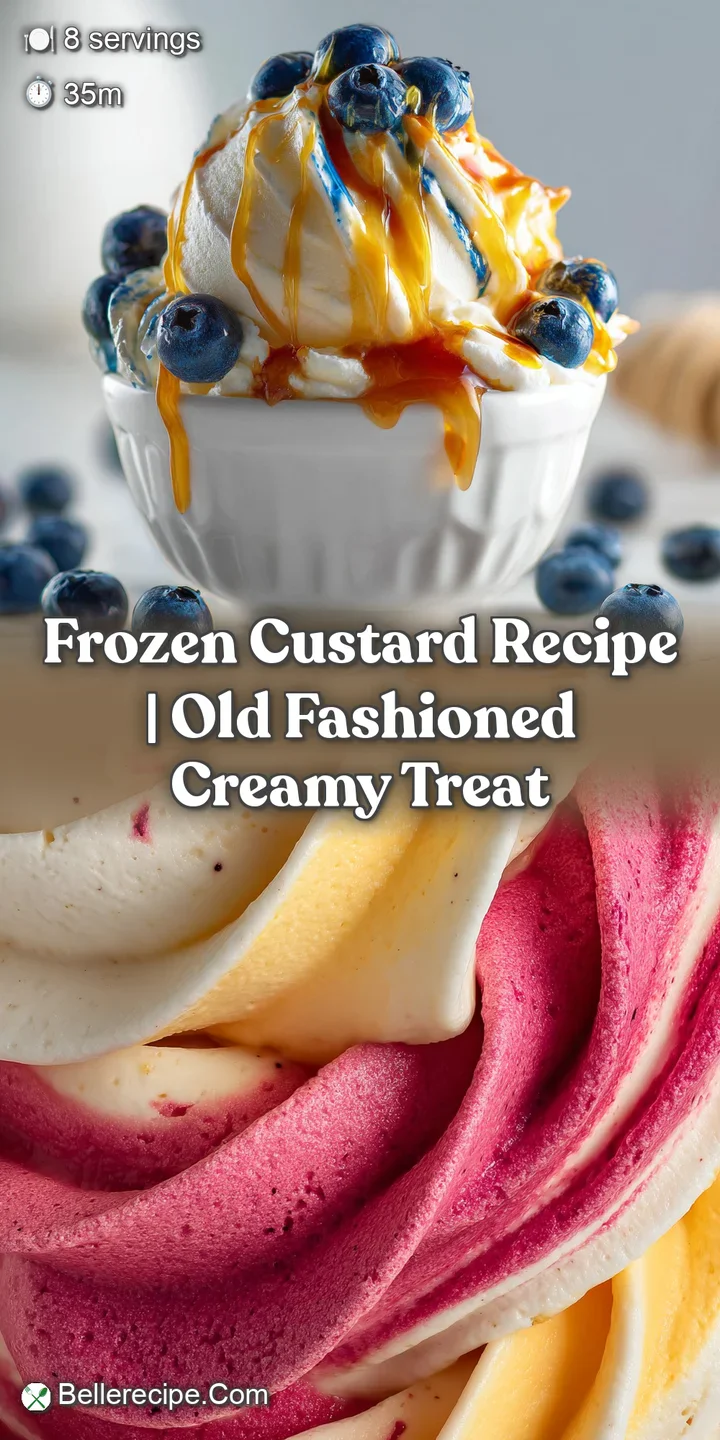
Frozen Custard Recipe FAQs
What is the difference between ice cream and frozen custard?
Frozen custard has more egg yolks. This results in a denser, richer, and smoother texture compared to standard ice cream. The higher fat content from the yolks also makes it less prone to iciness.
What is the secret to good frozen custard?
Patience with the heat and chilling. Slowly tempering the egg yolks and ensuring the base is thoroughly chilled before churning are crucial. Don't rush the process; the slow, gentle cooking and cooling develop the signature velvety texture.
Is frozen custard more healthy than ice cream?
No, typically it's richer. Due to the higher proportion of egg yolks and cream, frozen custard generally has more fat and calories than most ice creams. It's a decadent treat rather than a health food.
Can you put custard in an ice cream maker?
Yes, absolutely. A traditional custard base is specifically designed to be churned in an ice cream maker. The machine incorporates air and freezes the custard simultaneously to create its characteristic smooth texture.
What is the ideal temperature for serving frozen custard?
Serve it slightly softened. Let the frozen custard sit at room temperature for about 5-10 minutes before scooping. This allows the high fat content to temper, revealing its full flavor and creamy texture.
Why does my homemade frozen custard have ice crystals?
Likely due to insufficient chilling or fat content. Ensure your custard base is thoroughly cold (at least 4 hours, preferably overnight) before churning. Also, the higher fat content from egg yolks and cream in a proper frozen custard recipe helps suppress ice crystals.
Can I substitute cream cheese for some of the heavy cream in a frozen custard recipe?
Yes, for a tangy variation. Substituting a portion of the heavy cream with softened cream cheese can add a delightful tang and extra creaminess, similar to the texture achieved in cheesecake. Blend it thoroughly into the warm custard base before chilling to avoid lumps.
Frozen Custard Recipe
Ingredients:
Instructions:
Nutrition Facts:
| Calories | 261 kcal |
|---|---|
| Protein | 4.8 g |
| Fat | 16.3 g |
| Carbs | 23.2 g |
| Fiber | 0 g |
| Sugar | 22.1 g |
| Sodium | 118 mg |
