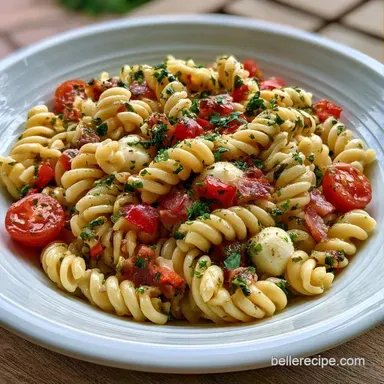
Gluten Free Italian Pasta Salad with Salami
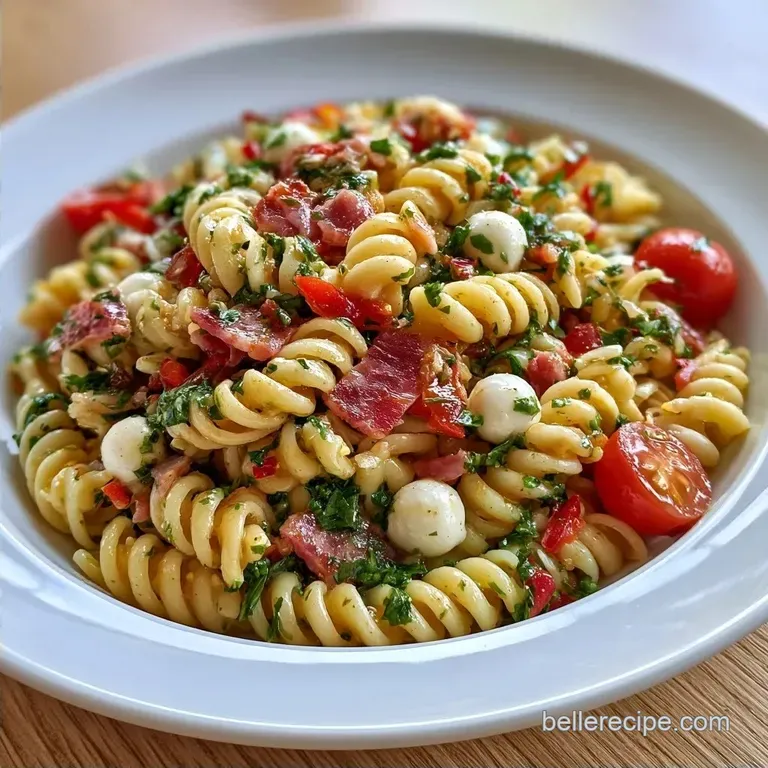
- Time: 20 min active + 1 hour chilling
- Flavor/Texture Hook: Zesty, tangy, and crisp
- Perfect for: Summer potlucks, meal prep, or easy side dishes
Picture the clatter of a colander in the sink and that sharp, acidic aroma filling the air as the noodles are rinsed. I once feared making pasta salads for those with allergies because gluten-free pasta is notoriously difficult. My first attempts were gummy, sticky clusters that resembled glue more than a meal.
The issue was that I handled the noodles like standard wheat pasta. I allowed them to steam in their own heat, causing them to bond into one giant mass. It was an embarrassing result, and I nearly gave up on the recipe entirely.
Fortunately, a few minor tweaks made all the difference. This gluten free Italian Pasta Salad utilizes a "shock" method to maintain distinct textures and bright colors. You'll end up with a dish that tastes fresh and crisp, with a dressing that properly absorbs into the pasta.
How to Actually Nail This
The most important part is managing the surface starch. gluten-free pasta releases a lot of it, which is why it gets so sticky.
- Cold Rinsing: Rinsing the noodles under cold water strips away that excess starch so the pieces stay separate.
- Under cooking: Cooking for one minute less than the box says prevents the noodles from disintegrating when they soak up the dressing.
- Staged Dressing: Adding some dressing while the pasta is still slightly warm helps the flavors sink in without making the salad soggy.
Right then, let's look at how the fresh approach compares to using store-bought shortcuts.
| Feature | Fresh Homemade | Bottled Shortcut | Impact |
|---|---|---|---|
| Dressing Taste | Bright and zesty | Sweet and metallic | Fresh acidity cuts the fat of the salami |
| Texture | Crisp vegetables | Soft, wilted mix ins | Homemade keeps the crunch |
| Control | Adjust salt/sugar | Fixed preservatives | You control the sodium levels |
Tools You Need
Just a few basic kitchen tools will do. Use a large pot for the pasta, as gluten-free noodles need plenty of space to move so they don't stick together.
A colander is necessary for that important rinse. I also recommend using a mason jar for the dressing; shaking a jar is much easier than whisking in a bowl, and it's perfect for storing leftovers. Finally, grab a large mixing bowl to toss everything together without spilling the salad across your counter.
What You'll Need
I recommend a brown rice or corn blend rotini for the pasta, as these varieties maintain their structure better than most. For the dressing, opt for a high-quality extra virgin olive oil to provide a peppery note that offsets the sugar.
| Ingredient | What It Does | Best Swap |
|---|---|---|
| GF Rotini (16 oz) | Main body | Chickpea pasta (more protein, earthier) |
| Red Wine Vinegar (1/4 cup) | Main acid | Apple cider vinegar (fruitier, milder) |
| Mini Mozzarella (1 cup) | Creamy element | Cubed provolone (bolder taste) |
| Mini Salami (1 cup) | Salty richness | Pepperoni or chopped ham |
The Mix ins 16 oz gluten-free rotini or fusilli Why this? The spirals capture the dressing effectively. 1 cup mini mozzarella pearls Why this? Provides a mild taste and springy texture. 1 cup sliced mini salami Why
This? Contributes a bold, salty hit. 1/2 cup diced red onion Why this? Adds a sharp kick to balance the oil. 1 cup diced red bell pepper Why this? Brings brightness and a touch of sweetness. 1 cup halved cherry tomatoes Why
This? Offers pops of acidic juice. 1/2 cup sliced black olives Why this? Adds a deep, briny saltiness. 1/4 cup chopped fresh parsley Why this? Gives it a clean, herbal finish.
The Dressing 1/2 cup extra virgin olive oil 1/4 cup red wine vinegar 1 tbsp lemon juice Why this? Enhances the brightness of the dish. 1 tsp dried oregano 1 tsp garlic powder 1/2 tsp salt 1/4 tsp black pepper 1 tsp sugar Why this? Tames the
Sharpness of the vinegar.
Recipe Specs
Ideal for feeding a group, this gluten-free Italian pasta salad makes about 10 cups, making it a fantastic option for a BBQ.
- Prep time: 20 minutes
- Cook time: 10 minutes
- Total time: 1 hour 30 mins
- Yield: 10 cups
Chef Note: When serving this at a party, be sure to let it cool. The ingredients need an hour in the fridge to blend and develop their full flavor.
How to Make It
Time to get started. Keep a close eye on your pasta timer, as gluten-free noodles can transition from "perfect" to "mush" in about 30 seconds.
Phase 1: The Pasta Prep
- Heat a large pot of salted water until it reaches a rolling boil.
- Cook the gluten-free pasta for exactly 1 minute less than the package instructions to ensure it stays al dente.
- Drain the pasta into a colander and immediately rinse under cold running water for 30 seconds until the pasta feels chilled. Note: This prevents further cooking and removes surface starch.
- Drain well and transfer the cooled noodles to a large mixing bowl.
Phase 2: The Dressing Emulsion
- In a mason jar, combine the olive oil, red wine vinegar, lemon juice, oregano, garlic powder, salt, pepper, and sugar.
- Shake the container vigorously until the emulsion is opaque and well blended.
- Pour approximately 1/3 of the dressing over the chilled pasta and toss to coat.
Phase 3: The Final Assembly
- Gently fold in the mozzarella pearls, sliced salami, diced red onion, diced red bell pepper, halved cherry tomatoes, sliced black olives, and chopped parsley.
- Pour the remaining dressing over the salad and toss until every ingredient is evenly coated.
- Cover and refrigerate for 1 hour to let the flavors meld before serving.
Fixing Common Issues
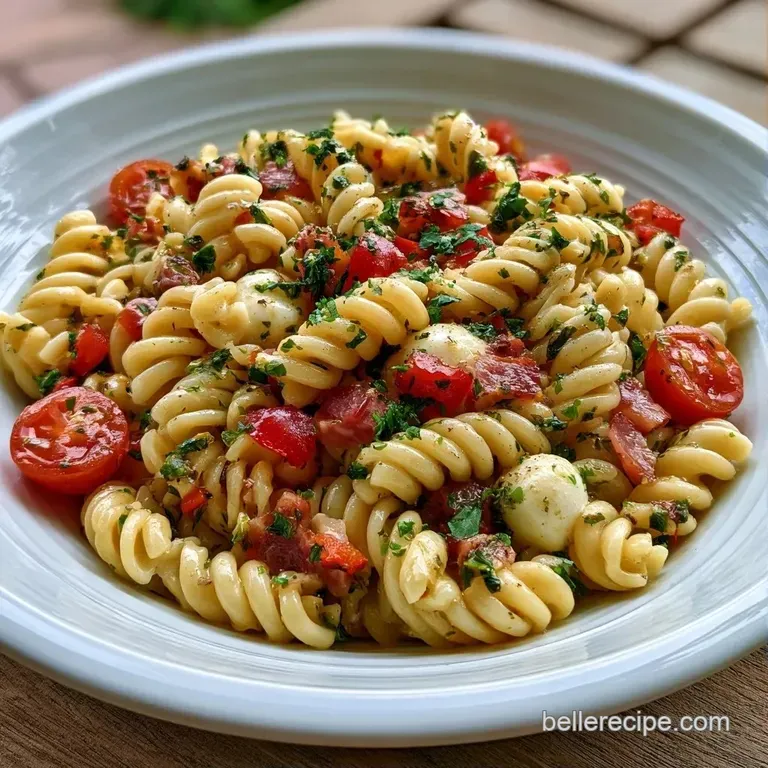
Even with a good plan, things happen. Here is how to handle the most common hiccups when making gluten free Italian Pasta Salad.
Sticky Pasta
This usually happens if the pasta wasn't rinsed enough or was overcooked. If you notice the noodles clumping in the bowl, add a tablespoon of olive oil and toss gently. For the next batch, be strict about the "minus one minute" rule and use the coldest water your tap can produce.
Dry Salad
GF pasta absorbs liquid faster than wheat pasta. If the salad looks dry after it has chilled for an hour, it just needs a quick refresh. Whisk together a bit more olive oil and red wine vinegar and toss it in right before serving. This brings back that glossy look.
Strong Onions
Sometimes the red onion can overpower the other flavors, especially if they are very pungent. To fix this, soak your diced onions in cold water for 10 minutes before adding them to the salad. This removes the harsh sulfur compounds while keeping the crunch.
Scaling the Recipe
You can easily adjust the volume of this gluten free Italian Pasta Salad, but don't just multiply everything blindly.
Scaling Down (Half Batch) Use a smaller pot to keep the water boiling quickly. Since you're using half the pasta, you can reduce the cooking time by about 20%, but still rely on the "al dente" feel. For the dressing, beat one egg or use measured teaspoons for the spices to keep the ratios correct.
Scaling Up (Double or Triple Batch) When doubling the recipe, be careful with the salt and dried oregano. I usually only increase the spices to 1.5x the original amount, as they can become too intense in large volumes.
Work in batches when tossing the pasta if your bowl isn't massive, otherwise, you'll crush the cherry tomatoes.
Debunking Pasta Myths
There are a few things people get wrong about GF cooking. Let's clear them up.
One common myth is that you should never rinse pasta. While that's true for a pasta sauce where you want the starch to thicken the sauce, it's the opposite for a cold salad. Rinsing is what saves a gluten free Italian Pasta Salad from becoming a sticky brick.
Another misconception is that all GF pastas taste the same. In reality, a corn based pasta has a different chew than a brown rice or chickpea version. For this recipe, rice based blends are the most reliable for texture.
Storage and Zero Waste
Store the leftovers in a container with a tight lid. It stays fresh in the fridge for about 3 to 5 days. I've found that the flavors actually improve on day two, as the vinegar has more time to penetrate the salami and cheese.
This dish does not freeze well. The vegetables will lose their snap and the pasta will likely become grainy. If you must freeze it, freeze only the cooked, cooled pasta in oil, then add fresh vegetables and dressing once thawed.
To avoid waste, use any leftover dressing as a marinade for grilled chicken or as a quick vinaigrette for a side salad. If you have a few stray olives or bits of salami, toss them into an omelet the next morning for a little Italian style breakfast.
Variations and Substitutions
You can easily pivot this recipe to fit your diet. If you want a gluten free Creamy Italian Pasta Salad, whisk in two tablespoons of mayonnaise or Greek yogurt into the dressing. This gives it a richer, more traditional deli feel.
For a Vegan and dairy-free version, swap the mozzarella pearls for cubed firm tofu or vegan feta. Use a vegan friendly salami or omit the meat entirely and add extra chickpeas for protein. If you're in the mood for something handmade, my Homemade Spinach and Ricotta Tortellini is a great alternative for a warm meal.
- For more protein
- add grilled shrimp or diced chicken breast.
- For a spicier kick
- add a pinch of red pepper flakes to the dressing.
- For a nuttier flavor
- substitute olive oil with a neutral oil and add toasted pine nuts.
Serving and Enjoying
Present this in a wide, shallow bowl rather than a deep one. This prevents the heavy ingredients, like the salami and cheese, from sinking to the bottom. A sprinkle of extra fresh parsley on top right before it hits the table makes it look like it came from a bistro.
This pairs well with a protein heavy side, like my Chicken Parmesan Penne Pasta. It also works great alongside grilled zucchini or a simple platter of antipasti.
For a party, serve it chilled but not ice cold. If it's too cold, the fats in the salami and mozzarella can mute the flavors. Let it sit on the counter for 10 minutes before serving to let those aromatic notes wake up.
Trust me on this, it makes the whole gluten free Italian Pasta Salad taste more vibrant.
High in Sodium
932 mg 932 mg of sodium per serving (41% 41% of daily value)
The American Heart Association recommends a limit of 2,300mg of sodium per day for most adults to maintain heart health.
Tips to Reduce Sodium
-
Swap the Salami-25%
Replace the mini salami with grilled chicken breast or roasted chickpeas to eliminate high levels of processed meat sodium.
-
Omit Added Salt-25%
Remove the 1/2 tsp of salt entirely; the cheese and olives already provide significant saltiness.
-
Rinse the Olives-20%
Rinse the black olives thoroughly under cold water to remove excess brine, or substitute them with diced cucumber.
-
Modify the Cheese-15%
Use a low-sodium mozzarella or reduce the amount of mozzarella pearls to lower the dairy based sodium.
-
Boost Aromatics
Increase the dried oregano and garlic powder to enhance the savory flavor profile without adding sodium.
Recipe FAQs
What is the best gluten-free pasta for pasta salad?
Rotini or fusilli are the ideal choices. Their spiral shapes capture the dressing and small ingredients like mozzarella pearls more effectively than smooth pasta.
Which five mistakes to avoid when making pasta salad?
Avoid overcooking the pasta, skipping the cold rinse, forgetting to marinate for one hour, under dressing the noodles, and adding fragile ingredients too early. These steps ensure the texture remains firm and the flavors are deep.
Does gluten-free pasta always fall apart in salads?
Surprisingly, no. Rinsing the pasta under cold running water for 30 seconds removes excess starch and keeps the shapes intact.
Can a simple vinaigrette be gluten-free?
Yes, a blend of olive oil, red wine vinegar, and lemon juice is naturally gluten-free. This light profile pairs beautifully with spicy roma sausage for a complete meal.
How to cook pasta for a pasta salad?
Boil salted water and cook the pasta for exactly one minute less than the package directions. Rinse immediately under cold running water for 30 seconds until cool to the touch.
Could you make gluten-free pasta without using nut-based flours?
Select a pasta made from corn or brown rice. These alternatives provide the necessary structure and bite without relying on almond or chickpea flours.
How do I make tasty and healthy pasta in the summer?
Toss al dente pasta with fresh cherry tomatoes, red bell peppers, and a light vinaigrette. This combination keeps the dish refreshing and vibrant during warm weather.
Is it true that Italian pasta salad tastes bland without fresh garlic?
This one's false: garlic powder provides a consistent, mellow flavor that distributes evenly through the dressing. It offers a classic taste without the harsh bite of raw cloves.
gluten free Italian Pasta Salad