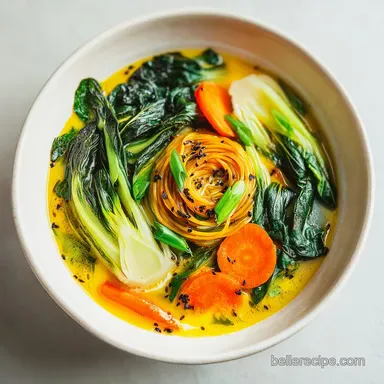
Healthy Ramen Recipe with Vegetables: Nutrient-Dense
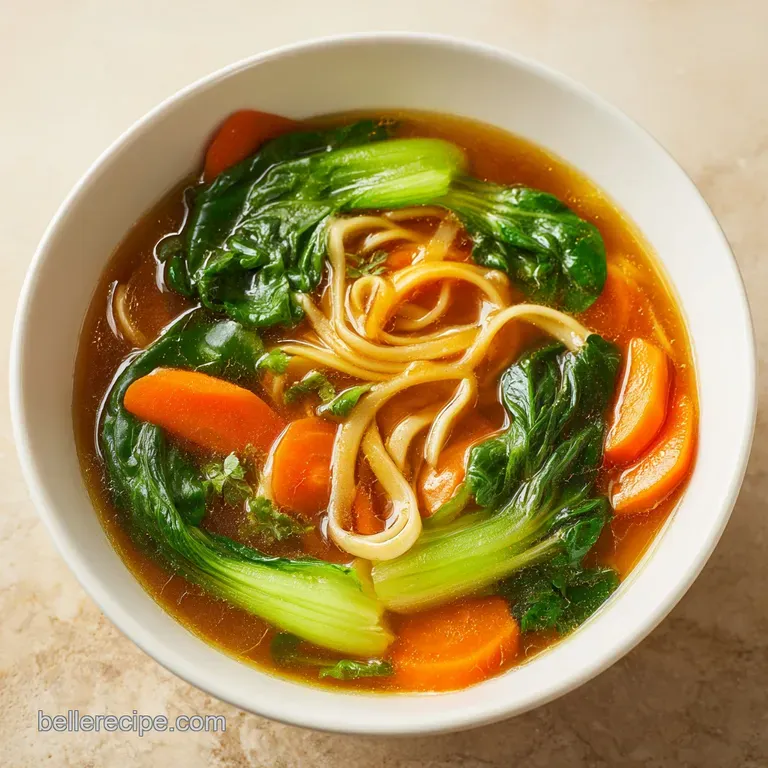
- Time: 5 min active + 10 min cook = Total 15 minutes
- Flavor/Texture Hook: Velvety broth with a crisp, emerald vegetable crunch
- Perfect for: Weeknight dinner, healthy meal prep, beginner friendly
- A Quick Healthy Ramen Recipe with Vegetables
- The Secret to Satisfying Bowls
- Timing and Texture Guide
- Selecting the Best Components
- The Minimal Tool Set
- The Cooking Process
- Ramen Troubleshooting Guide
- Personalizing Your Ramen
- Storage and Zero Waste
- Serving the Final Dish
- Critical Sodium Level
- Recipe FAQs
- 📝 Recipe Card
A Quick Healthy Ramen Recipe with Vegetables
The second that sesame oil hits the hot pot and the grated ginger starts to sizzle, your whole kitchen smells like a Japanese street market. I remember the first time I tried to make a "healthy" version of this at home, and it was a disaster.
I just tossed everything into the pot at once, and I ended up with a beige, mushy soup where the noodles were overcooked and the vegetables had no soul. It tasted like salt water and sadness.
Right then, I realized that the secret isn't in the ingredients, but in the timing. You can't treat ramen like a standard vegetable soup. To get that restaurant style contrast, you have to treat the broth and the toppings as two separate events.
Once I started searing the shiitakes separately and whisking the miso into a slurry, everything changed. Now, it's the go to meal when I need something that feels like a hug in a bowl but doesn't leave me feeling sluggish.
This recipe is for anyone who loves the depth of a rich ramen but wants to keep it plant based and fast. We're talking about a bowl that hits every taste bud - salty, sweet, tangy, and savory - all in about 15 minutes.
Trust me, once you see those bright green bok choy leaves against the golden broth, you'll never go back to the instant packets.
The Secret to Satisfying Bowls
I used to wonder why home cooked veggie ramen often feels "thin" compared to the heavy stuff. It turns out, the magic is in how you handle the miso and the heat.
The Miso Slurry: Adding miso paste directly to a boiling pot creates stubborn clumps that never fully dissolve. By whisking it with a bit of warm broth first, you create a velvety liquid that integrates instantly, ensuring every sip is consistent.
The Sear Effect: When you sauté shiitakes and carrots on medium high heat, they develop a concentrated, savory crust. This adds a layer of depth to the final bowl that you simply can't get by boiling the vegetables in the broth.
Separate Noodle Boiling: Cooking noodles in the broth releases excess starch, which makes the soup cloudy and thick. Boiling them separately keeps the broth clear and the noodles with a satisfying, al dente snap.
The Aroma Base: Sautéing garlic and ginger in sesame oil before adding liquid wakes up the essential oils. This creates a fragrant foundation that carries through the entire dish.
Timing and Texture Guide
Since we're using a minimal tool set, the way you manage your heat determines if your vegetables are crisp or mushy. Use this guide to decide how to approach your cook.
| Method | Time | Texture | Best For |
|---|---|---|---|
| Stovetop (Classic) | 15 min | Crispy veg, clear broth | Maximum flavor and texture |
| One Pot (Shortcut) | 12 min | Softer veg, thicker broth | Absolute minimum cleanup |
| Meal Prep (Batch) | 20 min | Consistent, holds well | Lunch for the next 3 days |
Right then, let's look at what's actually happening inside the pot. Understanding the role of each component helps you make better choices when you're missing an ingredient or want to experiment.
Selecting the Best Components
I've spent a lot of time figuring out which ingredients actually contribute to the flavor and which are just filler. Here's the breakdown of the heavy hitters in this recipe.
| Ingredient | Science Role | Pro Secret |
|---|---|---|
| Miso Paste | Fermented Umami | Use white or yellow miso for a milder, sweeter profile |
| Shiitake Mushrooms | Earthy Depth | Slice them thin to maximize the surface area for browning |
| Ginger & Garlic | Pungent Base | Grate the ginger finely so it melts into the broth |
| Sesame Oil | Nutty Aroma | Add a tiny drop at the very end for a fresh scent |
For the Umami Broth
The low sodium vegetable broth is our canvas, but the miso is the paint. I always suggest low sodium because the miso and soy sauce already bring a lot of salt. If you use a standard broth, you might find the final result too salty to enjoy.
For the Vegetable Medley
Bok choy is essential here because it provides that watery crunch that cuts through the richness of the miso. If you can't find baby bok choy, any hearty green like tatsoi or even chopped kale works, though the texture will be a bit tougher.
For the Base and Toppings
The jammy, soft boiled egg is where the luxury comes in. That golden yolk creates a natural sauce when it breaks into the broth, adding a creamy element that balances the tang of the miso.
The Minimal Tool Set
You don't need a professional kitchen to nail this. I do this entire meal with just a few basic pieces of gear. Honestly, don't bother buying specialized ramen bowls unless you really want to, a deep cereal bowl works just fine.
- A medium pot (for the broth)
- A separate small pot (for the noodles)
- A non stick skillet (for the vegetables)
- A small mixing bowl and whisk (for the miso slurry)
- A sharp chef's knife and cutting board
If you're really tight on space, you can use the same pot for the noodles and the broth, just make sure to drain the noodles and rinse the pot quickly before starting the soup. It adds two minutes to the process, but saves you from doing an extra dish.
The Cooking Process
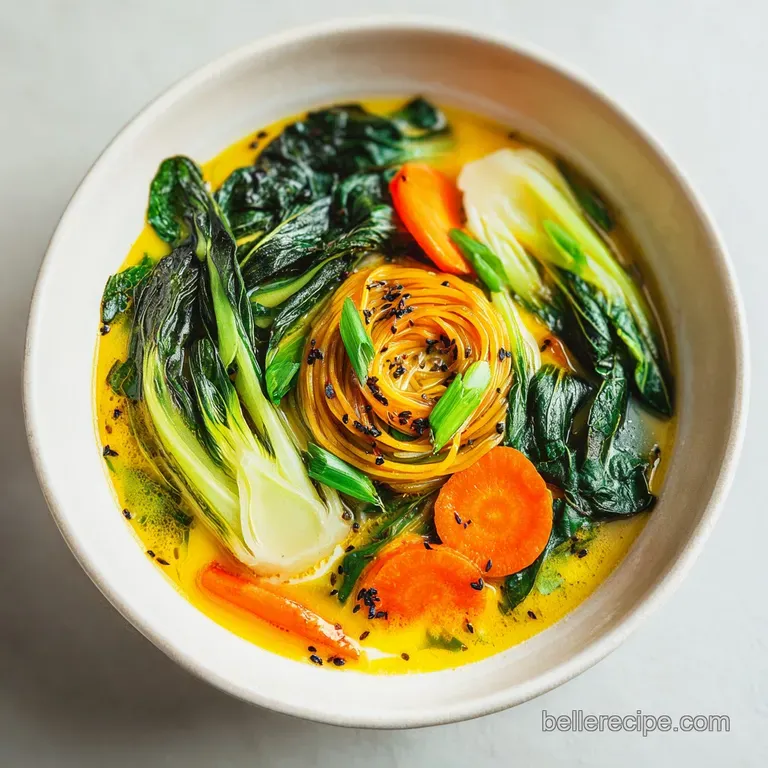
Let's crack on. The key here is to keep things moving. While the broth is simmering, you'll be searing the vegetables. It feels like a lot is happening, but it's actually quite rhythmic.
Heat the sesame oil in a pot over medium heat. Add the grated ginger and minced garlic, stirring for 60 seconds until they smell fragrant and slightly golden. Note: Don't let the garlic brown too much or it will turn bitter.
Pour in the 4 cups of low sodium vegetable broth and 1 tbsp of soy sauce. Bring the mixture to a gentle simmer.
Scoop out a ladle of the warm broth into a small bowl. Whisk the 2 tbsp of miso paste into this liquid until it's a completely smooth slurry, then stir it back into the main pot. Keep the heat on low. Note: Boiling miso too hard can destroy some of its delicate fermented flavors.
Heat your skillet over medium high heat. Add the 1 cup of sliced shiitake mushrooms and 1 cup of shredded carrots, sautéing until the mushrooms are browned and slightly shrunken.
Toss in the 2 cups of chopped baby bok choy and 1 cup of frozen corn or peas. Stir fry for 2-3 minutes until the greens are bright emerald but still crisp. Remove from heat immediately so they don't overcook.
In your separate pot, boil the 12oz of healthy ramen noodles according to the package directions. Drain them well. Note: I usually pull mine off the heat 30 seconds early since they'll continue to cook in the hot broth.
Divide the drained noodles equally between two deep bowls.
Ladle the hot miso broth over the noodles until they are about three quarters submerged.
Carefully place the sautéed vegetable medley on top. Add a soft boiled egg (halved), sliced green onions, and a strip of nori.
Finish the bowl with a sprinkle of toasted sesame seeds and a small swirl of sriracha if you like a bit of heat.
Chef's Note: To get those "jammy" eggs, boil them for exactly 6 minutes and 30 seconds, then plunge them immediately into an ice bath for 3 minutes before peeling.
Ramen Troubleshooting Guide
Even the best of us have "off" days in the kitchen. If your bowl doesn't look or taste quite right, it's usually a quick fix.
| Issue | Solution | |||
|---|---|---|---|---|
| Why Your Noodles Are Mushy | This usually happens when noodles sit in the hot broth for too long before you start eating. Since the broth is boiling, it continues to cook the starch in the noodles. The solution is to boil them sl | |||
| Why the Broth Is Too Salty | If you used a full sodium broth or added too much miso, the salt can become overwhelming. You can fix this by adding a splash of water or a squeeze of lime juice to cut through the saltiness. | |||
| Why the Vegetables Are Watery | This happens if you overcrowd the skillet. When too many vegetables are piled in, they steam instead of sear, releasing all their water. Work in batches if your pan is small. | Problem | Root Cause |
Personalizing Your Ramen
Once you've nailed the basic Healthy Ramen Recipe with Vegetables, you can start playing with the flavors. I love swapping the corn for edamame for extra protein, or adding a drizzle of chili oil for a more aggressive kick.
If you want a more decadent, rich experience, you could try a Tonkotsu Ramen Broth as your base, though that's a much longer process. For this quick version, you can mimic that richness by whisking in a teaspoon of cashew butter or tahini with your miso.
For a spicy version, I recommend adding a teaspoon of Gochujang (Korean chili paste) to the ginger and garlic sauté. It adds a fermented heat that pairs beautifully with the miso. If you're avoiding soy, use coconut aminos instead of soy sauce - it's slightly sweeter but works perfectly.
| Original Ingredient | Substitute | Why It Works |
|---|---|---|
| Miso Paste (2 tbsp) | Tahini + Soy Sauce | Similar creaminess. Note: Lacks the fermented tang of miso |
| Baby Bok Choy | Fresh Spinach | Same color and nutrients. Note: Wilts faster, add at the very end |
| Shiitake Mushrooms | Button Mushrooms | Easier to find. Note: Milder flavor, needs more salt |
| Ramen Noodles | Soba Noodles | Buckwheat base. Note: Earthier taste and higher protein |
But what about the noodles? If you're going for a grain free option, spiralized zucchini or shirataki noodles are great. Just remember that shirataki noodles don't absorb flavor, so you'll want to season the broth a bit more aggressively.
Storage and Zero Waste
Ramen is best enjoyed the moment it hits the table, but if you're meal prepping, there's a specific way to do it so it doesn't turn into a soggy mess.
Fridge Storage: Store the broth, the sautéed vegetables, and the boiled noodles in three separate containers. If you store them together, the noodles will soak up all the broth and expand until they're mushy. They'll stay fresh in the fridge for up to 3 days.
Freezing: You can freeze the miso broth for up to 2 months. Just make sure it's completely cooled before freezing. I don't recommend freezing the cooked noodles or the bok choy, as they lose their texture entirely.
Reheating: Warm the broth in a pot on the stove. Place the cold noodles in a bowl and pour the boiling broth over them - this gently reheats the noodles without overcooking them.
Zero Waste Tips: Don't throw away your vegetable scraps! I keep a "stock bag" in the freezer for carrot peels, onion ends, and mushroom stems. Once the bag is full, I simmer them with water for an hour to make a free vegetable base for future bowls.
Also, if you have leftover nori, crumble it over a salad or use it as a salty snack.
Serving the Final Dish
The presentation is half the fun. When you're assembling the bowl, think about the colors. You want that vibrant green from the bok choy, the orange of the carrots, and the deep brown of the shiitakes to stand out against the pale gold of the broth.
Place your noodles first, then ladle the broth. Arrange the vegetables in a neat pile on one side and nestle the egg halves right next to them. The nori strip should stand upright against the side of the bowl for a bit of height.
To round out the meal, I love serving this with something fresh and acidic. A side of Greek Salad recipe provides a crisp, tangy contrast to the savory, warm ramen. The acidity of the vinegar in the salad cleanses the palate between sips of the rich miso broth.
Right then, you've got a bowl that's nutrient dense, incredibly satisfying, and ready in 15 minutes. Whether you're using this as a comforting dinner or a healthy lunch, it's a reminder that "fast food" doesn't have to come from a drive thru. Enjoy the slurp!
Critical Sodium Level
1350 mg 1350 mg of sodium per serving (59% 59% of daily value)
The American Heart Association recommends a daily sodium limit of no more than 2,300 mg, and ideally less than 1,500 mg for most adults to reduce the risk of cardiovascular disease.
Sodium Reduction Strategies
-
Swap the Broth-30%
Replace low sodium vegetable broth with homemade unsalted vegetable stock or water infused with fresh aromatics for the biggest impact.
-
Adjust Miso Paste-20%
Reduce the amount of miso paste by half or seek out a low-sodium miso variety to lower the salt baseline.
-
Switch Soy Sauce-20%
Substitute soy sauce with coconut aminos, which provides a similar savory flavor with significantly less sodium.
-
Check Your Noodles-10%
Ensure you are using salt free ramen noodles or rinse cooked noodles thoroughly under cold water to remove excess surface starch and salt.
-
Boost Natural Aromatics
Increase the amount of fresh ginger, garlic, and a squeeze of lime juice to create a bold flavor profile without adding any sodium.
Recipe FAQs
Can CKD patients eat ramen noodles?
Consult your doctor first. Ramen noodles and miso broth often contain high levels of sodium and potassium, which can be dangerous for people with chronic kidney disease.
What are good vegetables to put in ramen?
Use bok choy, shiitake mushrooms, carrots, and corn. These provide a balance of earthy flavors and crisp textures, similar to the veggie prep in our marinated carrots.
Does ramen raise triglycerides?
Not necessarily if made with healthy ingredients. High sodium, processed instant ramen can contribute to metabolic issues, but this version uses whole vegetables and low-sodium broth.
Is ramen soup ok for acid reflux?
It depends on your personal triggers. While ginger and miso are often soothing, the garlic and sriracha in this recipe might trigger heartburn for some people.
How to store leftover ramen so the noodles don't get soggy?
Store the broth, vegetables, and noodles in three separate containers. Keeping them apart prevents the noodles from absorbing all the liquid and turning mushy in the fridge.
Is it true that miso paste must be boiled for a long time to be safe?
No, this is a common misconception. Boiling miso for too long destroys its probiotics and alters the flavor, so it should be stirred in on low heat.
How to ensure the miso broth is smooth and lump free?
Whisk the miso paste with a ladle of warm broth in a small bowl first. Creating this smooth slurry before stirring it back into the main pot eliminates clumps.
Healthy Vegetable Ramen Bowl