Nacho Cheese Sauce: Velvety & Piquant
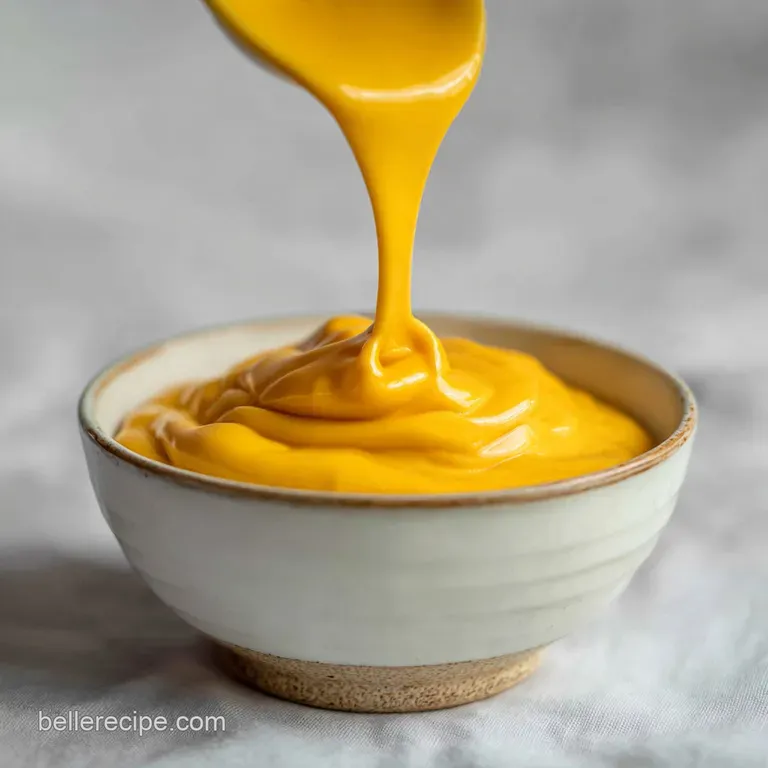
- Time: Active 5 mins, Passive 5 mins, Total 10 mins
- Flavor/Texture Hook: Piquant and velvety with a lingering sharp cheddar finish
- Perfect for: Game day gatherings, movie nights, or quick weeknight appetizers
- The Chemistry of a Stabilized Emulsion
- Component Analysis and Pro Secrets
- Essential Building Blocks for Velvety Flavor
- Kitchen Essentials for Optimal Texture
- The Step-by-Step Path to Liquid Gold
- Solving Common Textural Mishaps and Mistakes
- Practical Guidelines for Scaling and Adjusting
- Creative Twists to Tailor the Heat and Body
- Debunking Common Kitchen Beliefs
- Procedures for Optimal Storage and Minimal Waste
- Inspiration for Pairing Your Vibrant Cheese Dip
- Nacho Cheese Sauce FAQs
- 📝 Recipe Card
The Chemistry of a Stabilized Emulsion
Protein Concentration: Evaporated milk contains more protein and less water than standard milk, which provides a thicker structure and prevents the cheese from breaking into oil.
Starch Suspension: Cornstarch acts as a physical barrier between fat molecules, stopping them from coalescing into large, greasy droplets.
Sodium Citrate Effect: The American cheese cubes in this recipe provide essential emulsifying salts that help the sharp cheddar melt without becoming stringy.
| Method | Total Time | Texture | Best For |
|---|---|---|---|
| Stovetop | 10 mins | Ultra smooth | Precision and speed |
| Slow Cooker | 1 hours 15 mins | Very thick | Large parties/keeping warm |
| Microwave | 6 mins | Slightly thinner | Emergency snacks |
Selecting the right method depends on your timeline, but the stovetop offers the most control over the final consistency. Much like the technique used for a classic Alfredo Sauce in recipe, maintaining a gentle heat is the difference between a fluid dip and a broken one.
Component Analysis and Pro Secrets
| Ingredient | Science Role | Pro Secret |
|---|---|---|
| Evaporated Milk | High protein stabilizer | Never boil it, as it can scorch and change the flavor |
| Cornstarch | Thickening agent | Whisk into cold liquid first to prevent "clump bombs" |
| Extra Sharp Cheddar | Flavor profile | Grate it by hand to avoid the starch coating on bags |
| American Cheese | Emulsifying bridge | Use deli style blocks rather than individual wrapped slices |
A common mistake is rushing the melt. If the heat is too high, the proteins in the cheddar will tighten and squeeze out the fat, leading to that dreaded grainy texture. This is a mindful process, requiring just a few minutes of your undivided attention.
Essential Building Blocks for Velvety Flavor
- 1 can (12 oz) evaporated milk: This is the backbone of the sauce, providing a concentrated richness. Why this? It has less water than milk, ensuring the dip doesn't turn out runny.
- 1 tbsp cornstarch: A small amount goes a long way in providing body. Why this? It traps fat and moisture together for a cohesive finish.
- 1/2 tsp sea salt: To brighten all the other savory notes.
- 8 oz extra sharp cheddar cheese: Freshly grated is non negotiable here. Why this? Provides the punchy, aged flavor that pre shredded cheese lacks.
- 4 oz American cheese cubes: These act as the "glue" for the emulsion.
- 2 tbsp pickled jalapeño juice: This adds acidity and a hidden depth of heat.
- 1/2 tsp smoked paprika: For a subtle, earthy undertone.
- 1/4 tsp cayenne pepper: Just enough to provide a tingle on the tongue.
- 1/4 tsp garlic powder: Adds a savory, rounded base note.
If you find yourself out of jalapeño juice, a splash of white vinegar or even the liquid from our Proper Red Enchilada recipe can provide that necessary acid to cut through the heavy fats.
Kitchen Essentials for Optimal Texture
You don't need a high tech kitchen to master this. A medium sized, heavy bottomed saucepan is your best friend here, as it distributes heat evenly and prevents hot spots that could scorch the milk. I prefer a silicone coated whisk for this job; it’s gentle on the pan but efficient enough to keep the sauce moving.
A box grater is also vital. While it’s tempting to buy the pre shredded bags, the cellulose used to keep those strands separate will prevent your sauce from reaching that mirror like gloss. Taking two minutes to grate the cheddar yourself is the single best thing you can do for the quality of the final dish.
The step-by-step Path to Liquid Gold
- Whisk the slurry. Combine the evaporated milk and cornstarch in your saucepan while the milk is still cold. Note: This prevents the starch from forming lumps later.
- Apply gentle heat. Set the burner to medium and whisk constantly until the liquid begins to steam.
- Thicken the base. Continue cooking for about 3 minutes until the milk slightly coats the back of a spoon.
- Incorporate the aromatics. Stir in the sea salt, smoked paprika, cayenne, garlic powder, and jalapeño juice.
- Release the aroma. Let the spices steep in the warm milk for 30 seconds until the kitchen smells of toasted peppers.
- Add the American cheese. Drop in the cubes and whisk until the cheese has fully vanished into the milk.
- Lower the temperature. Turn your burner to the lowest setting possible before adding the cheddar.
- Fold in the cheddar. Add the grated cheddar in three separate batches, whisking between each until the sauce is glossy and thick.
- Monitor the flow. If the sauce looks too thick, add a tablespoon of water or extra milk until it pours like heavy cream.
- Final polish. Give it one last vigorous whisk to ensure every bit of cheese is perfectly incorporated.
| Original Ingredient | Substitute | Why It Works |
|---|---|---|
| Extra Sharp Cheddar | Monterey Jack | Melts more easily but has a much milder flavor |
| Evaporated Milk | Heavy Cream | Provides similar fat content. Note: Slightly richer and more caloric |
| Jalapeño Juice | Apple Cider Vinegar | Provides the necessary piquant acidity without the heat |
The key is the "gloss" factor. When the sauce starts to look like silk and loses its matte appearance, you know the emulsion is stable.
Solving Common Textural Mishaps and Mistakes
Grainy Texture Origins
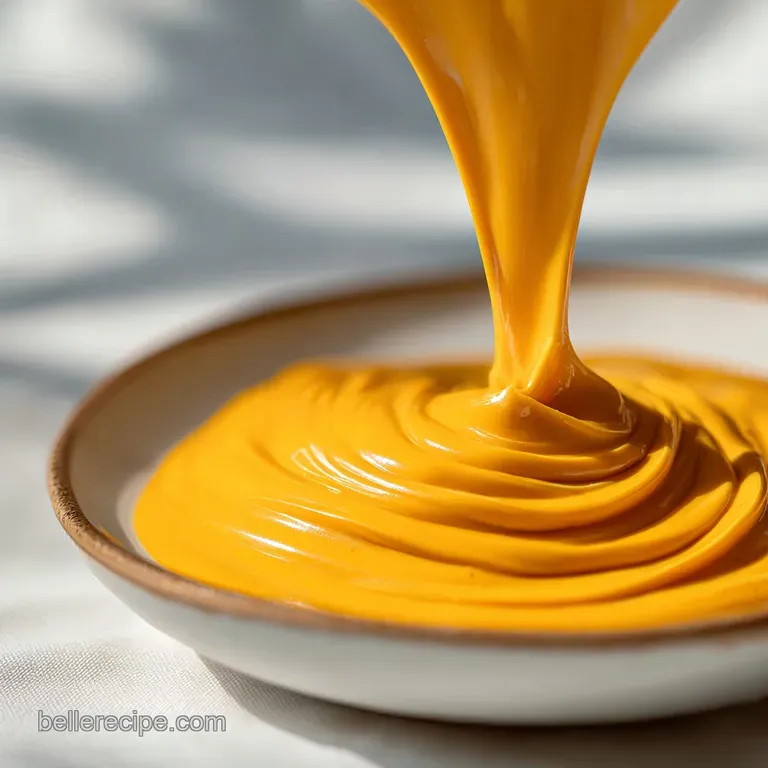
If your sauce feels sandy on the tongue, the proteins in the cheddar likely overheated. When cheese is exposed to high heat too quickly, the proteins tangle together. To fix this, you can try adding a tiny splash of lemon juice and whisking vigorously off the heat, but the best cure is prevention by using the lowest heat setting.
Excessive Oil Separation
This happens when the fat to liquid ratio is off, or the emulsifiers are overwhelmed. If you see yellow pools of oil forming on the surface, it means the emulsion has "broken."
| Problem | Root Cause | Solution |
|---|---|---|
| Oily surface | Heat too high | Whisk in 1 tbsp of cold milk off the heat |
| Very thick/pasty | Too much starch | Thin with a splash of jalapeño juice or water |
| Lumpy base | Starch added to hot liquid | Strain through a fine mesh sieve and re whisk |
Consistency Adjustments
Sometimes the sauce thickens more than expected as it sits. This is natural as the starch granules continue to swell. Don't panic; simply stir in a teaspoon of warm milk at a time until the desired "flow" returns.
✓ Common Mistakes Checklist ✓ Always grate your own cheese to avoid anti clumping starches. ✓ Whisk the cornstarch into cold milk before turning on the heat. ✓ Keep the temperature low once the cheese is added to prevent graininess.
✓ Use American cheese as a stabilizer; it contains salts that help the cheddar melt. ✓ Don't skip the acid (jalapeño juice) as it balances the heavy fats.
Practical Guidelines for Scaling and Adjusting
When you're feeding a crowd, you might want to double this recipe. If you go up to a 2x batch, use two cans of evaporated milk but only increase the salt and spices to 1.5x. You can always add more salt later, but it’s hard to fix a salt bomb.
For the liquids, reduce the total expected amount by about 10% initially, as larger volumes evaporate more slowly.
If you’re scaling down for a solo snack, simply use half of everything. Be mindful that a smaller amount of liquid in a large pan will evaporate very quickly, so keep your eye on it and perhaps use a smaller pot to maintain the depth of the sauce.
Creative Twists to Tailor the Heat and Body
If you want a "Texas Style" Queso, try folding in a can of drained diced tomatoes and green chilies right at the end. The extra moisture from the tomatoes will thin the sauce slightly, so you may want to simmer the milk for an extra minute at the beginning to compensate.
For a smoky version, you could even add a teaspoon of the sauce from a can of chipotle peppers.
For those looking for a different profile entirely, replacing the cheddar with Gouda and adding a pinch of nutmeg creates a sophisticated dip for pretzels. Much like the versatility of a Chicken Bryan Recipe, the base technique remains the same, but the flavor accents can be swapped to suit your mood.
| Version | Key Addition | Flavor Result |
|---|---|---|
| Spicy Buffalo | 2 tbsp Hot Sauce | Tangy, vinegary, and bright orange |
| Garlic Herb | 1 tsp Italian Seasoning | Savory and less piquant |
| Smoked Gouda | Swap 4 oz Cheddar | Deep, campfire notes and buttery finish |
Debunking Common Kitchen Beliefs
One frequent misconception is that "boiling makes the sauce thicker." While boiling does activate the cornstarch, boiling the cheese itself will almost certainly ruin the texture. The starch should be activated in the milk before the cheese is ever introduced.
Once the cheese goes in, you are merely melting, not cooking.
Another myth is that you can't reheat cheese sauce. While some versions do seize up, this specific blend of evaporated milk and American cheese is designed to be stable. You can absolutely reheat it, provided you do so slowly and with a little extra liquid to loosen the structure.
Procedures for Optimal Storage and Minimal Waste
Storage: You can keep this dip in an airtight container in the fridge for up to 5 days. When you’re ready to use it again, don't use the microwave on high power. Instead, use 30 second bursts at 50% power, stirring in between, or heat it in a small pot over low flame with a splash of milk.
Freezing: I generally don't recommend freezing cheese sauces, as the emulsion often breaks during the thawing process, resulting in a spongy texture. However, if you must, freeze it for no more than 1 month and whisk it vigorously while reheating to bring the fats back into the fold.
Zero Waste: If you have a small amount of leftover sauce, don't toss it! It makes an incredible binder for a stovetop mac and cheese the next day, or you can drizzle it over steamed broccoli or a baked potato to transform a simple side into something special.
Inspiration for Pairing Your Vibrant Cheese Dip
While traditional tortilla chips are the obvious choice, think about the "shatter" factor. A thick, sturdy chip is better than a thin one that will snap under the weight of the cheese. I also love serving this with warm soft pretzels or even crusty bread cubes.
For a fresher take, try a platter of raw bell pepper strips, cauliflower florets, and carrot sticks. The cold, crisp vegetables provide a beautiful contrast to the warm, velvety sauce. If you're feeling adventurous, drizzle a little over a burger or a tray of loaded fries for the ultimate comfort meal.
Trust me, once you've tasted the difference that freshly grated cheese and evaporated milk make, the store-bought jars will be a thing of the past.
Nacho Cheese Sauce FAQs
How to make nacho cheese sauce?
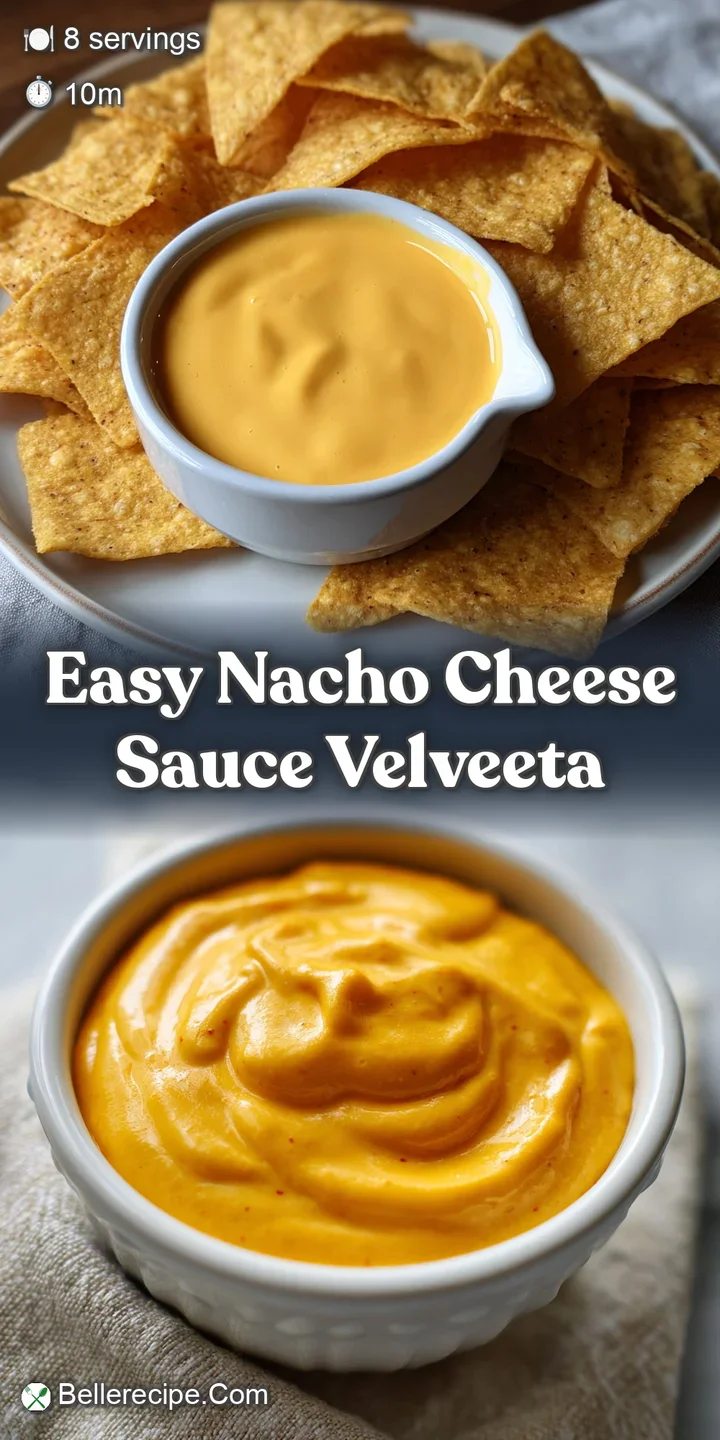
Whisk cornstarch with cold evaporated milk in a saucepan before heating over medium heat until steamy and slightly coating. Stir in seasonings, then American cheese until melted. Gradually whisk in grated cheddar off heat until smooth and glossy.
What cheese is best to melt for nachos?
Extra sharp cheddar and American cheese are ideal. Cheddar provides robust flavor, while American cheese acts as an emulsifier, ensuring a smooth, non-greasy melt. Grating your own cheese from a block is crucial for the best texture.
What is the secret ingredient in nacho cheese?
American cheese is the secret ingredient for achieving that perfectly smooth, stable texture. Its high emulsifying salt content prevents the fats from separating, ensuring a velvety sauce every time, much like the stabilizing effect in our Silky Alfredo Sauce without Heavy Cream The Evaporated Milk Secret.
What is the best store-bought cheese sauce for nachos?
There isn't one definitive "best" as taste is subjective and many store-bought options contain preservatives. For a similar quality to homemade, look for brands that list simple ingredients and avoid excessive artificial additives, though fresh is always superior.
Can I make nacho cheese sauce with just cheddar?
No, it's not recommended for the best texture. While you can melt cheddar alone, it's prone to becoming greasy and grainy without the help of an emulsifier like American cheese or a stabilizing starch like cornstarch.
How do I thin out nacho cheese sauce?
Add warm liquid slowly, such as milk, evaporated milk, or even a splash of pickle juice. Whisk it in gradually over low heat until you reach your desired consistency. This gentle method helps maintain the sauce's emulsion.
Why is my nacho cheese sauce grainy?
Overheating is the most common culprit. When cheese melts too quickly or at too high a temperature, the proteins tighten and squeeze out the fat, leading to a grainy texture. If you enjoyed mastering the temperature control here, apply the same precision to our Seriously Cheesy Homemade Cheddar Popcorn in 20 Mins for perfectly melted cheese.
Nacho Cheese Sauce
Ingredients:
Instructions:
Nutrition Facts:
| Calories | 224 kcal |
|---|---|
| Protein | 12.8 g |
| Fat | 15.6 g |
| Carbs | 7.8 g |
| Fiber | 0.1 g |
| Sugar | 5.2 g |
| Sodium | 560 mg |
